From the Way of Writing to the Weight of Writing

Exhibition

Exhibition Overview

Image not available
From the Way of Writing to the Weight of Writing
Ai-lian Liu, curator
June 30, 2007–November 18, 2007
Asia Gallery, Spencer Museum of Art, University of Kansas, Lawrence, Kansas

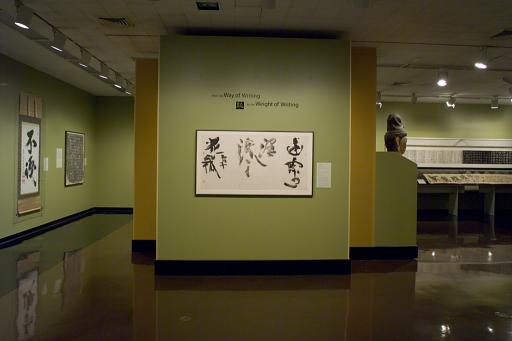
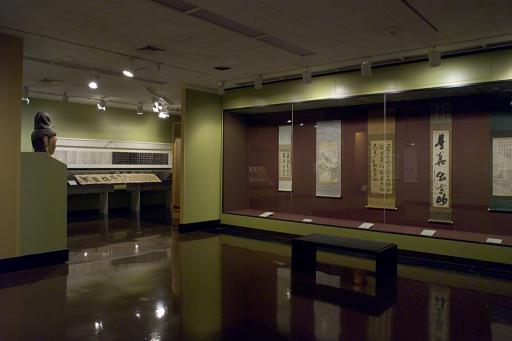
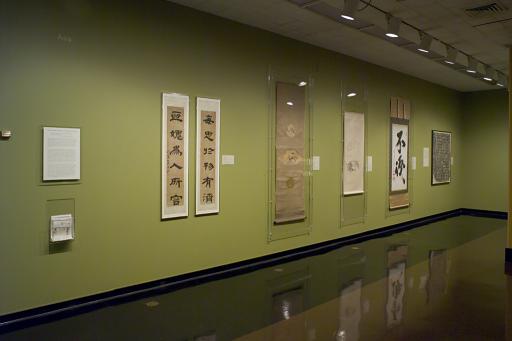
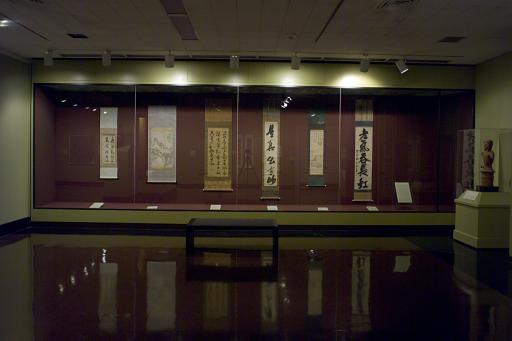
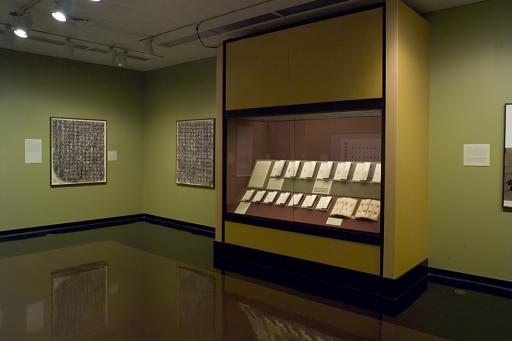
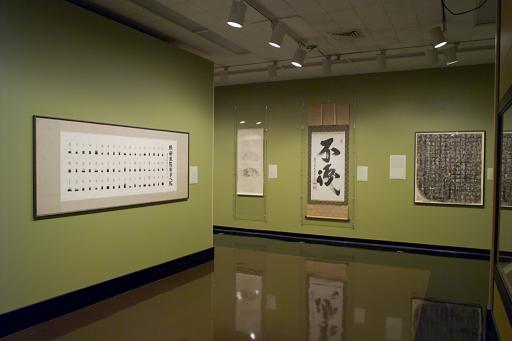
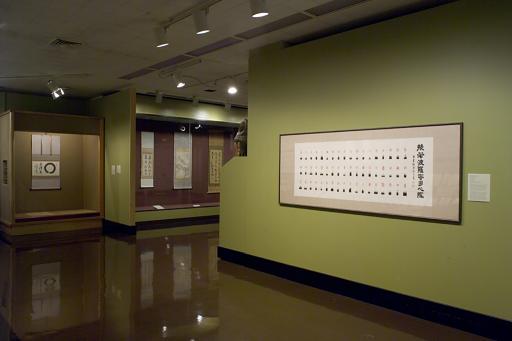
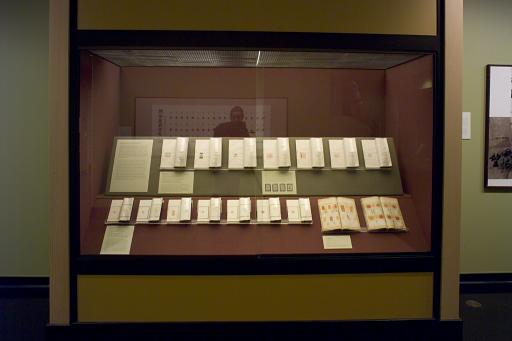
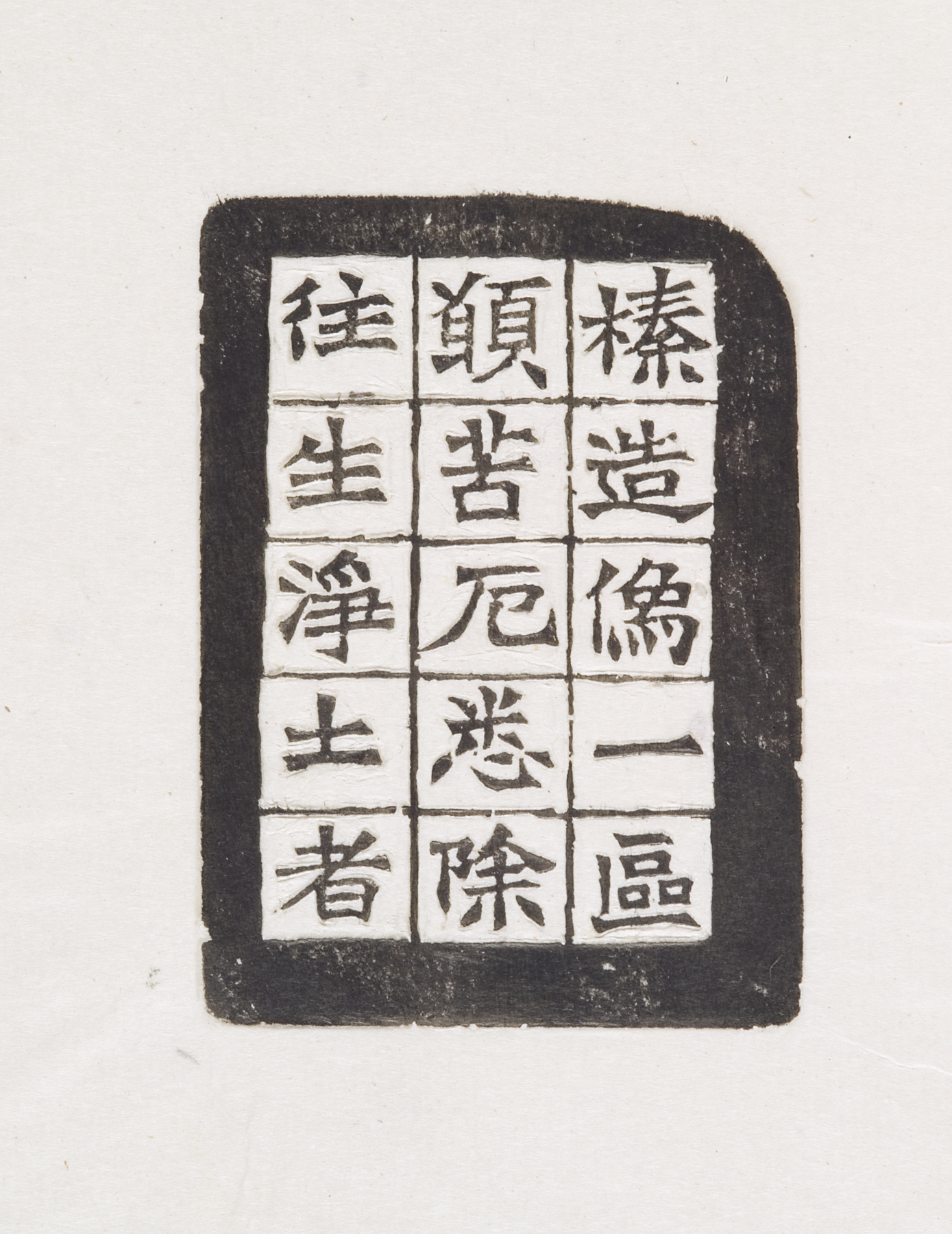
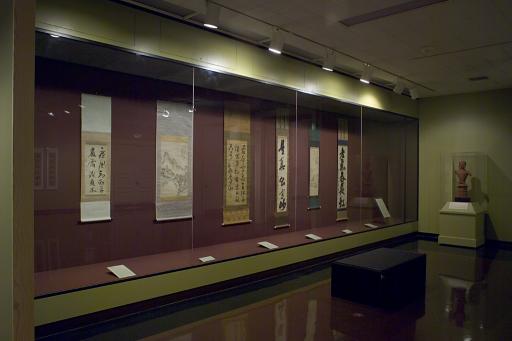
In East Asian languages, the word for “calligraphy” literally means “way of writing.” Calligraphy in Chinese culture is more than just beautiful writing; to the literary elites, calligraphy is not only a form of self-expression, it also embodies a person’s moral integrity. Even for the general populace, written words serve as emblems of learning and enlightenment, and therefore are objects of reverence. The calligraphic objects in the exhibition span many centuries and include works by contemporary artists. This display of calligraphy is intended to provide impetus for exploring the cultural weight of Chinese writing in East Asian societies. Beginning with calligraphic works on paper - the most direct form of writing as art, coming from the hands of the artists - the exhibition also aims to introduce several lesser known formats, including seal carving, book printing, Buddhist texts and ink rubbings. Furthermore, works by contemporary artists are included to attest to the vitality and relevance of calligraphy in the current art scene.

Exhibition images
Works of art
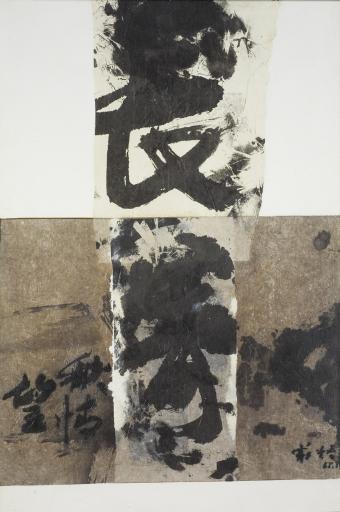
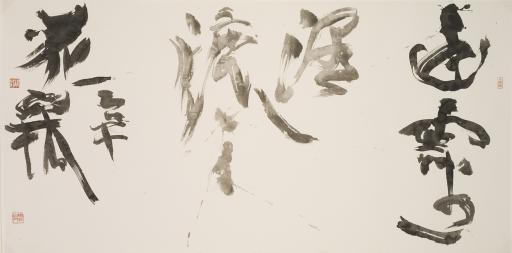
Zhuang Zhe (born 1934)
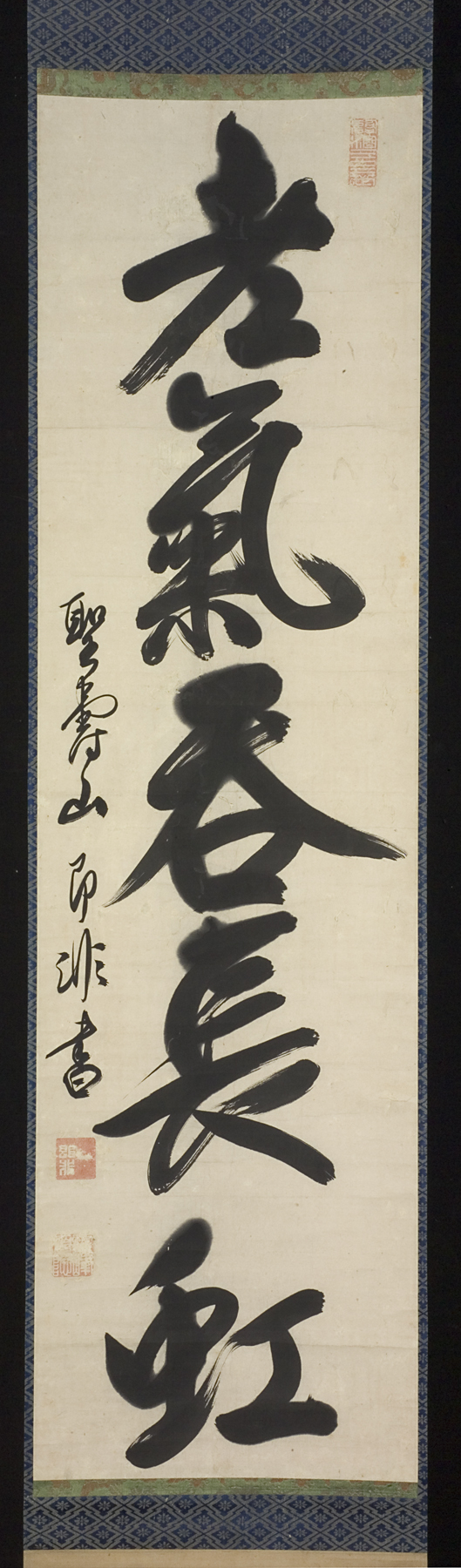
Jifei (1616–1671)
An Accomplished Spirit, 1600s, Edo period (1600–1868)
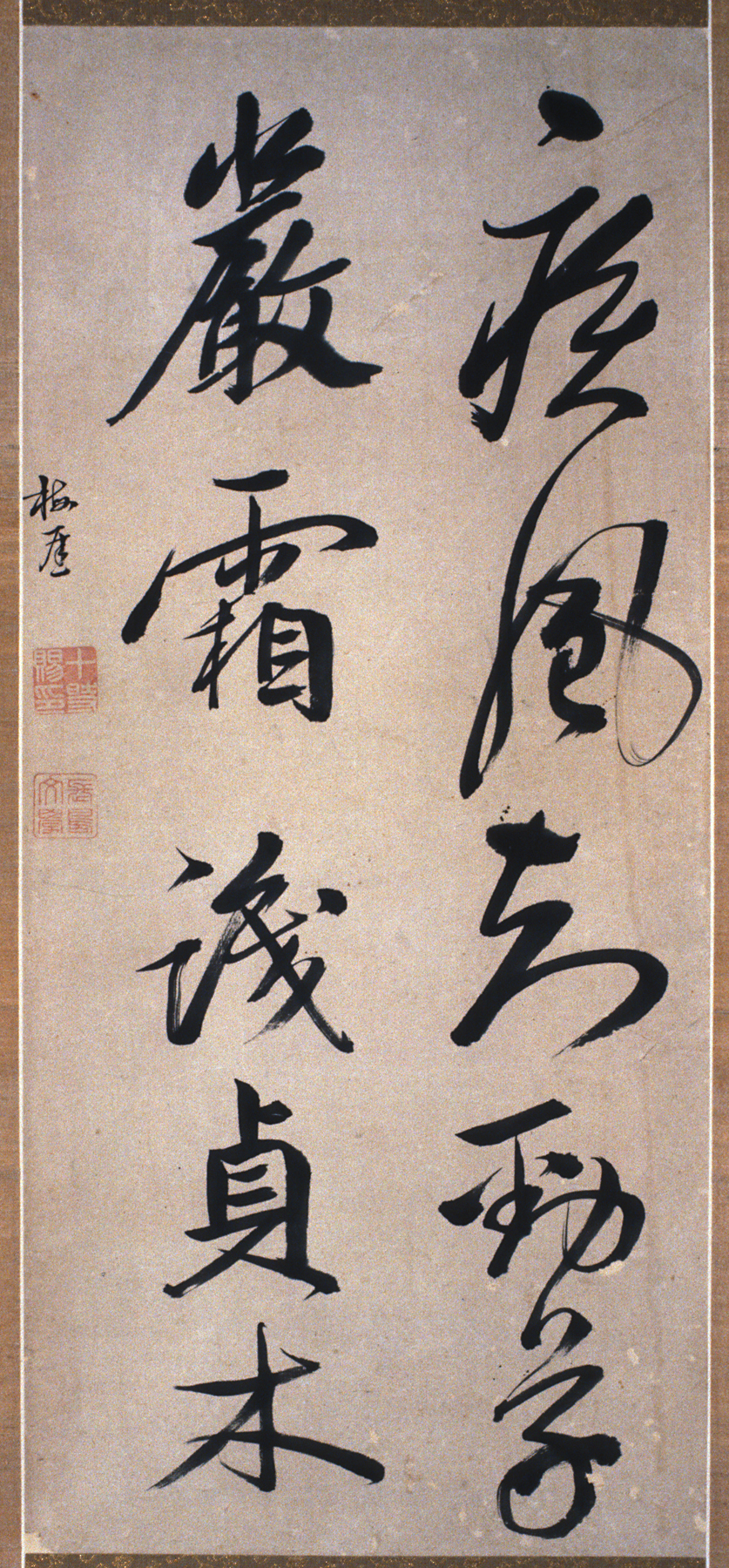
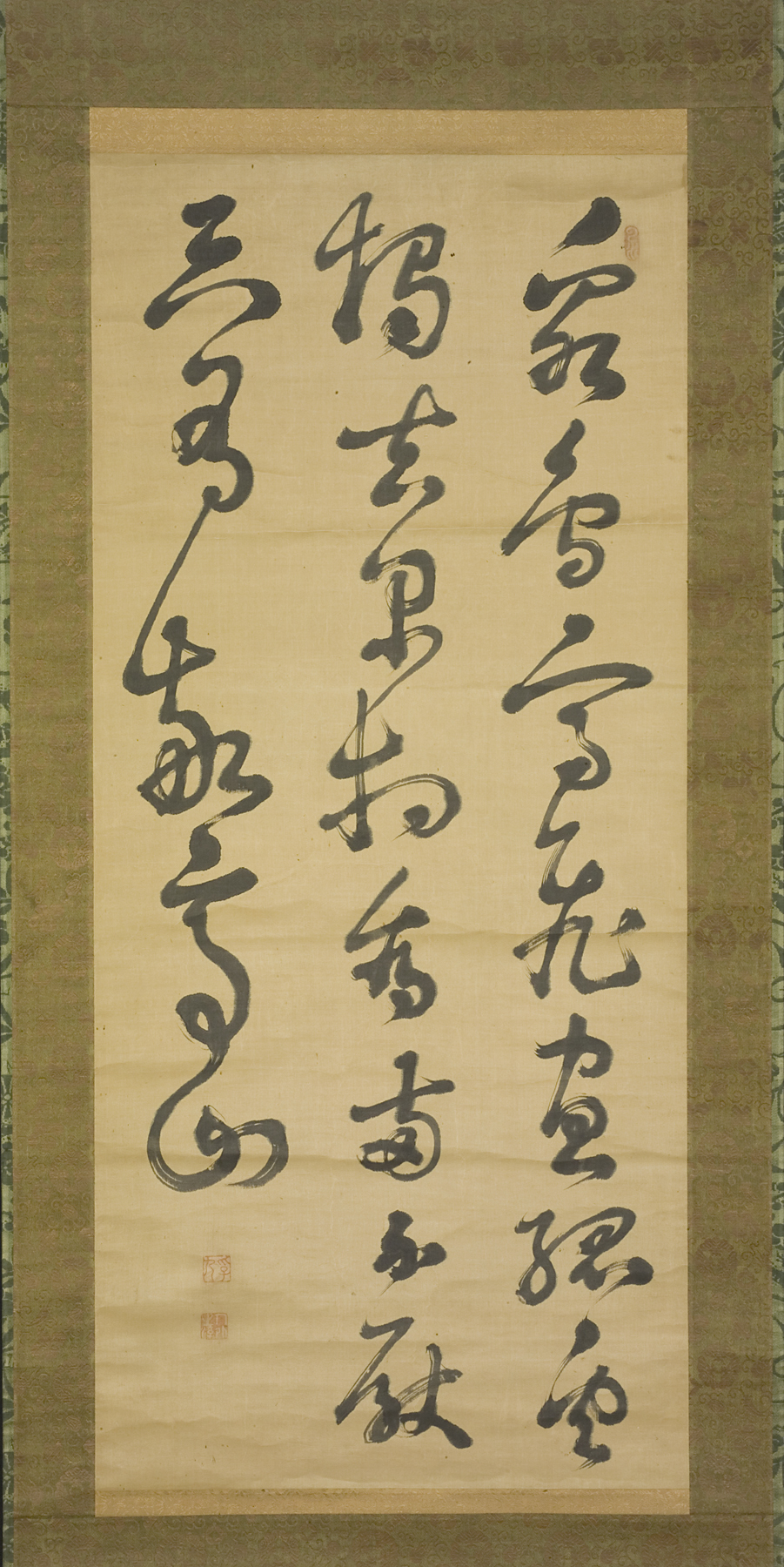
Totoki Baigai (1749–1804)
Poem, late 1700s, Edo period (1600–1868)
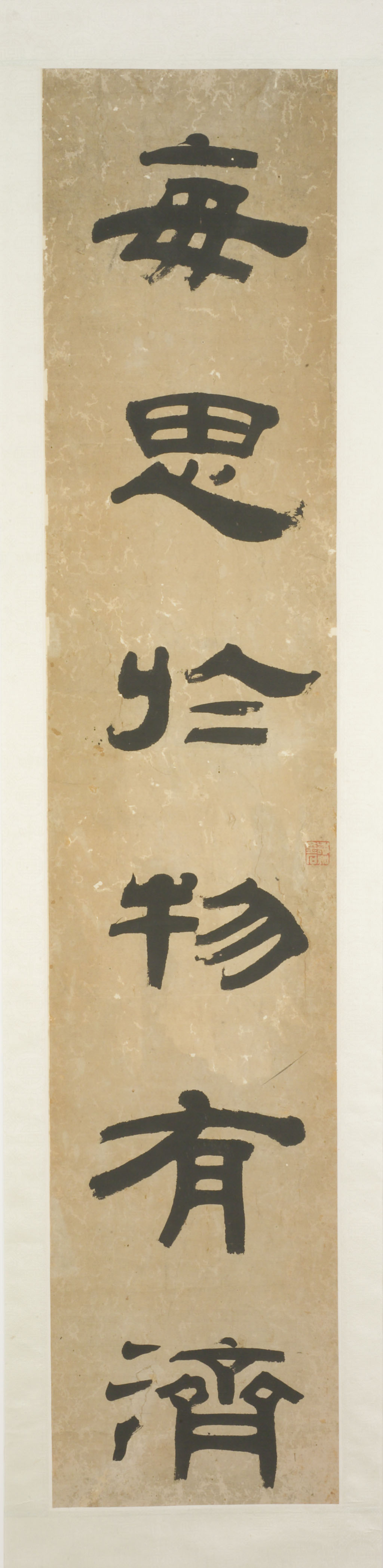
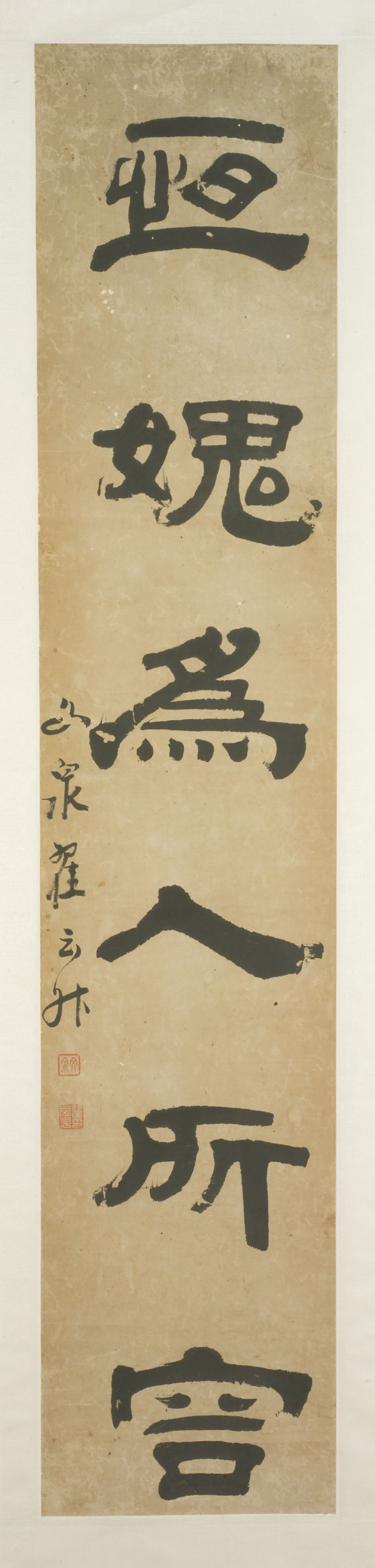
Zhai Yunsheng (1776–1860)
Couplet in Clerical Script, early-mid 1800s, Qing dynasty (1644–1911)
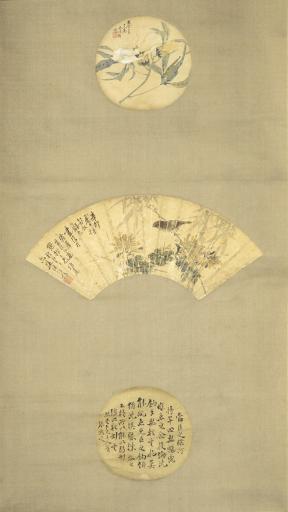
Chen Weishu (1847–1891); Zhang Mingqi (1875–1945); Zhou Weiping (late 1800s–early 1900s); Lin Chuigong (born 1895)
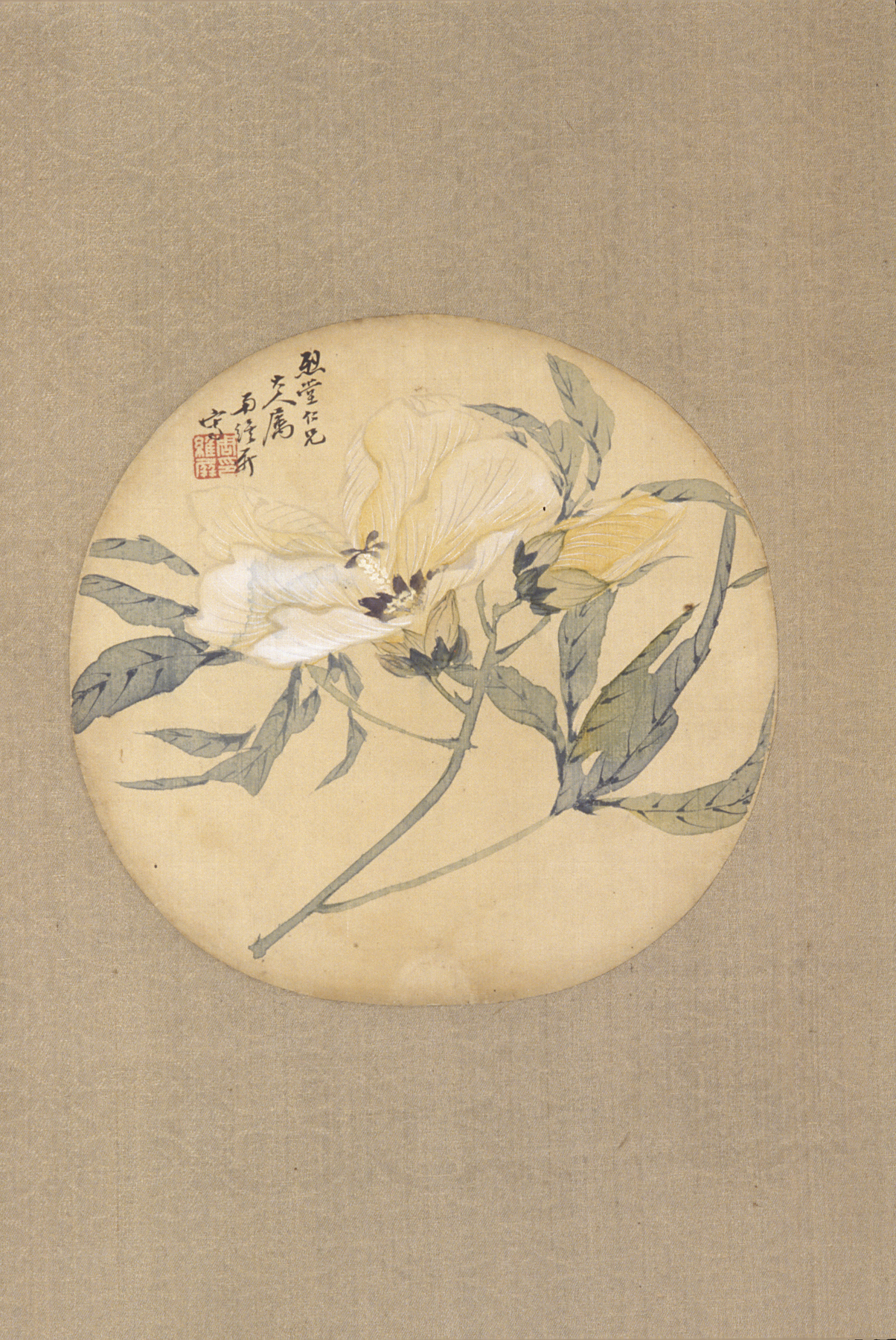
Zhou Weiping (late 1800s–early 1900s)
Bird on Bamboo Branch, 1922, Republic of China (1911–1949)
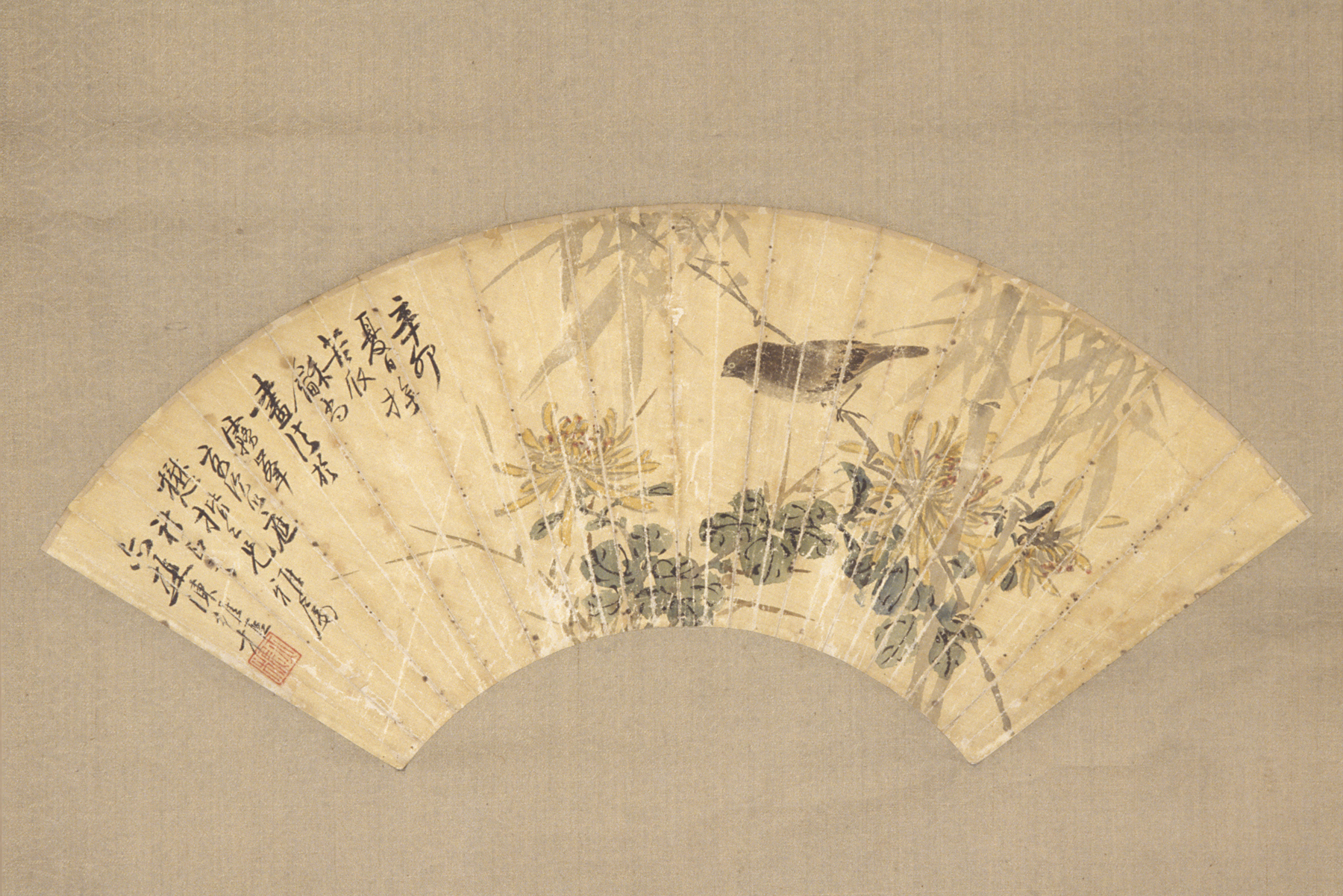
Chen Weishu (1847–1891)
Bamboo, Chrysanthemum, and Bird, 1891, Qing dynasty (1644–1911)
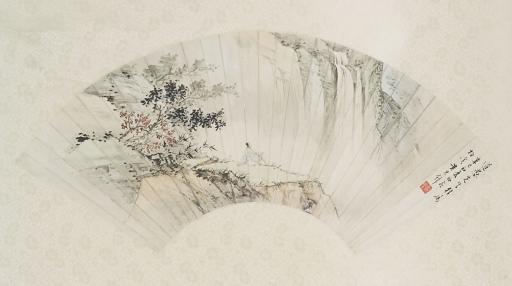
Zhang Mingqi (1875–1945)
fan, 1922, Republic of China (1911–1949)
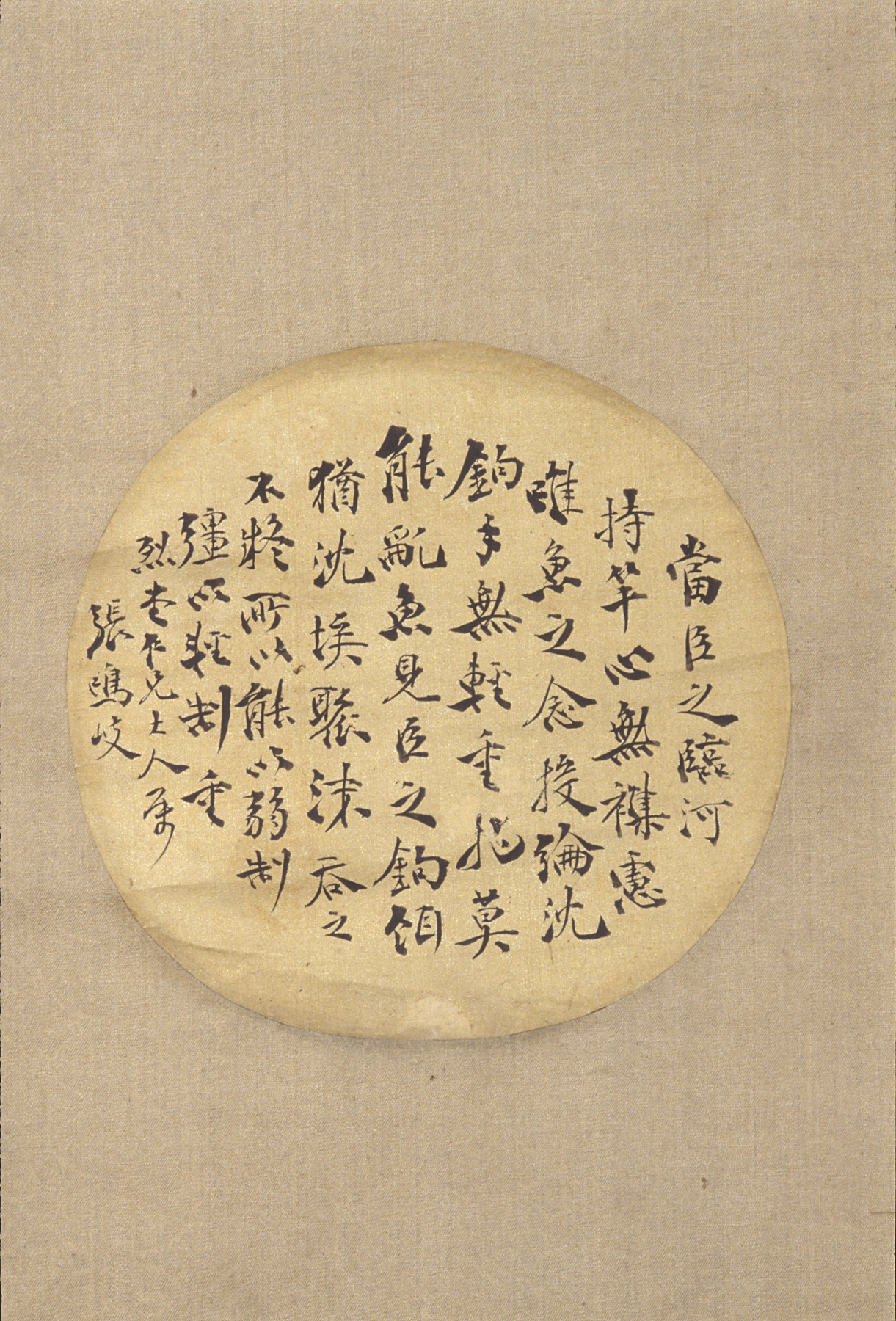
Shang Yanliu (1874–1963)
Colophon on Fan for Painting, 1942, Republic of China (1911–1949)
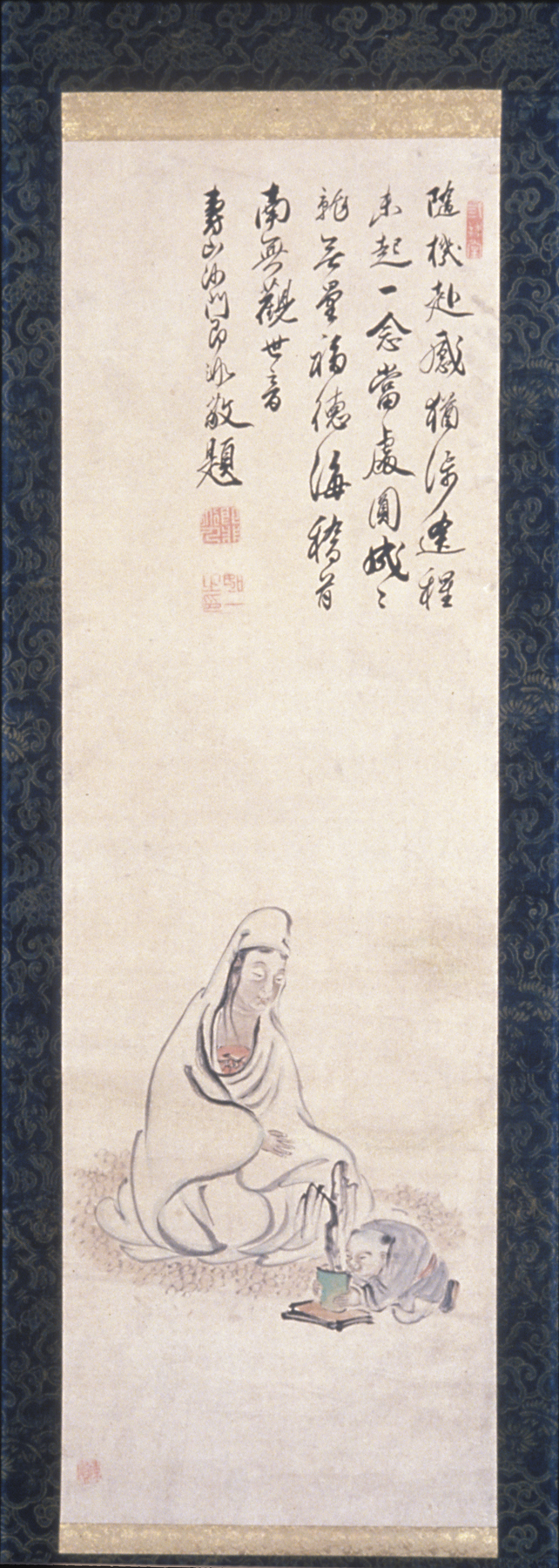
Huang Junbi (1898–1991)
Chen Xian (active 1634–1654); Jifei (1616–1671)
Guanyin and Attendant, mid-late 1600s, Edo period (1600–1868)
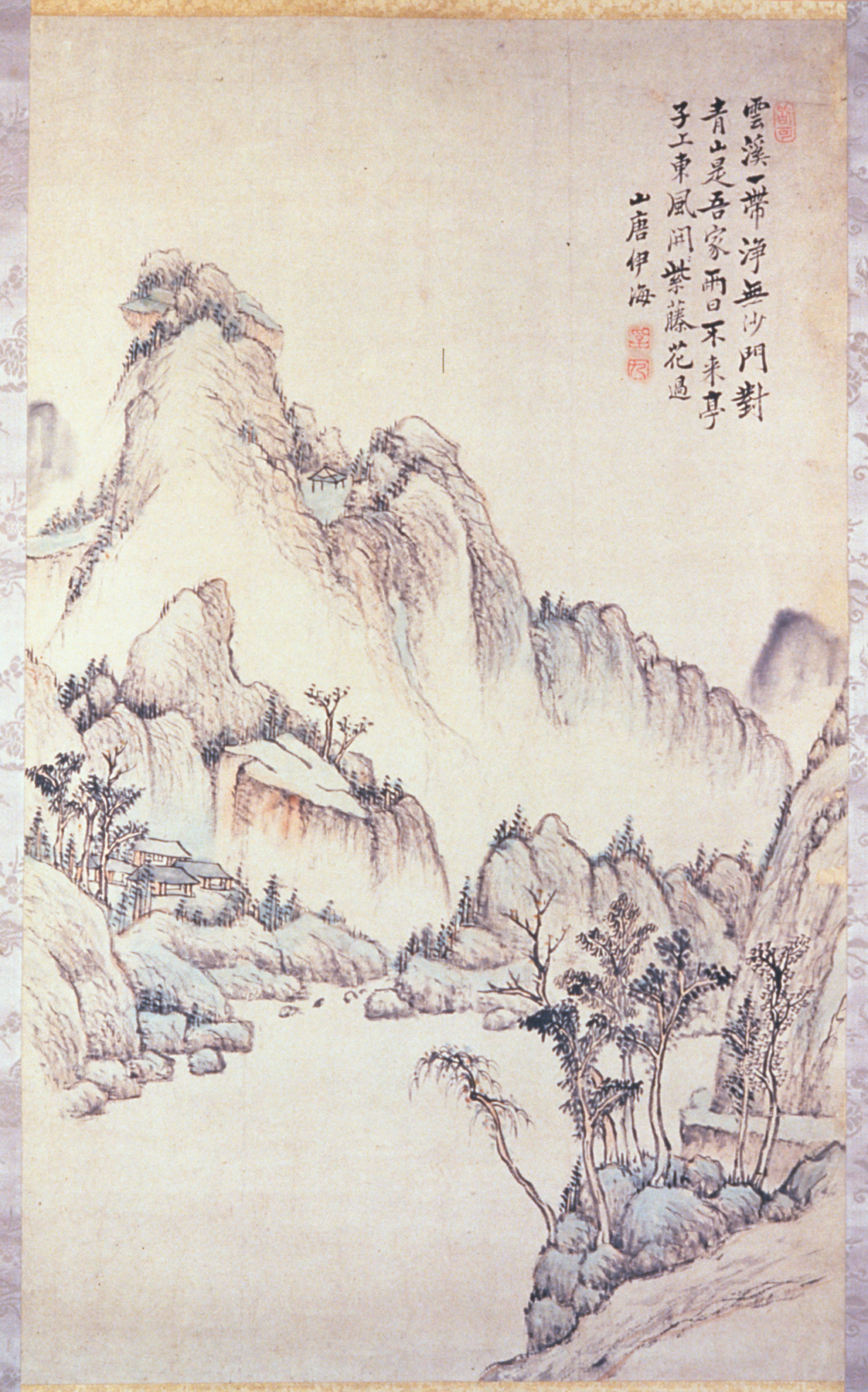
Yi Fujiu (1698–after 1747)
Landscape after Huang Gongwang and Dong Qichang, early 1700s, Qing dynasty (1644–1911)
Yi Fujiu (1698–after 1747); Li Bai (701–762)
untitled, early 1700s, Qing dynasty (1644–1911)
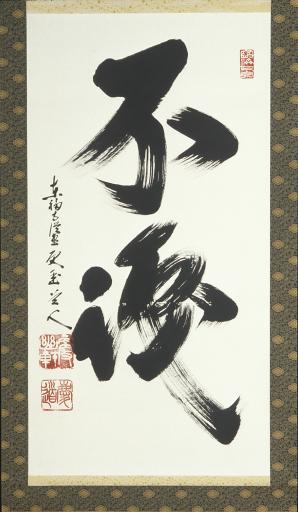
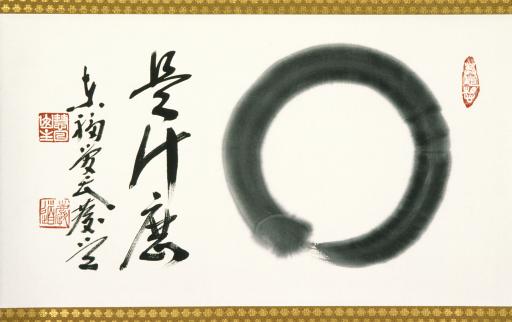
Fukushima Keidō (1933–2011)
Fushiki, early 1900s
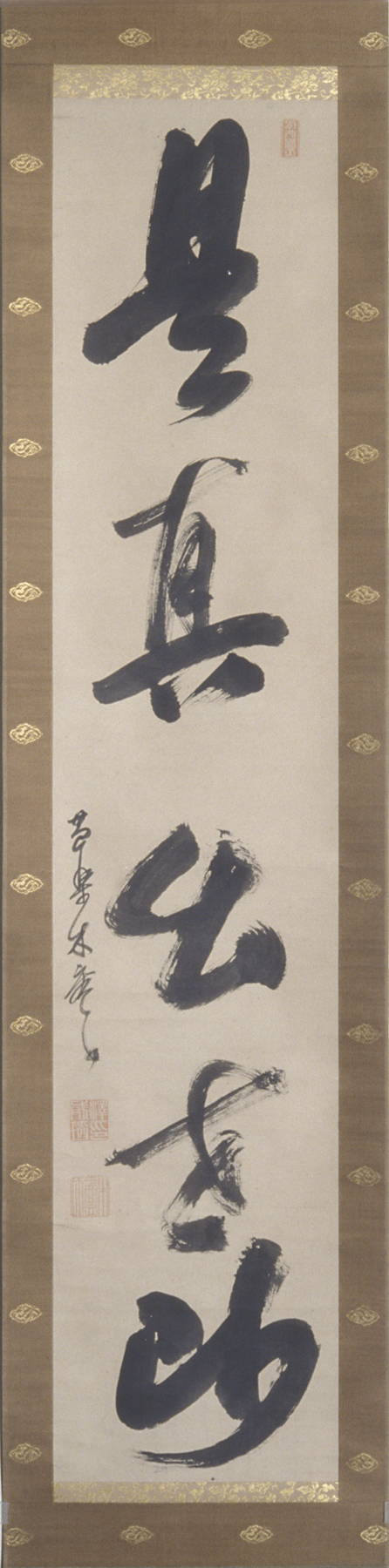
Mu’an Xingdao (Mokuan Shōtō) (1611–1684)
Fukushima Keidō (1933–2011)
Liang Yang (born 1960)
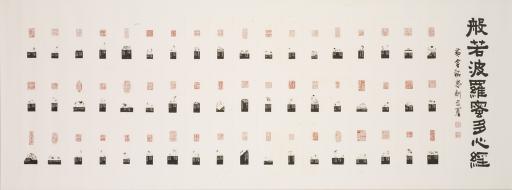
Huang Chang-min (born 1954)
Heart Sutra, 1995
Xu Bing (born 1955)
Zhai Yunsheng (1776–1860)
Couplet in Clerical Script, early-mid 1800s, Qing dynasty (1644–1911)

Events

September 6, 2007
Talk
12:15–1:45PM
Gallery 318
October 3, 2007
Workshop
3:00–4:00PM
Gallery 317 Central Court

Resources

Audio

Didactic – Art Minute
Episode 121 Sep-2007, Ai-Lian Liu, Asian Art Intern I’m David Cateforis with another Art Minute from the Spencer Museum of Art. In East Asian languages, the word for “calligraphy” literally means “way of writing.” Calligraphy in Chinese culture is more than just beautiful writing; to the literary elites, it is a form of self-expression and also embodies a person’s moral integrity. Even for the wider public, written words serve as emblems of learning and enlightenment, and thus objects of reverence. From the Way of Writing to the Weight of Writing, an exhibition currently on view in the Spencer’s Asia Gallery, explores the cultural weight of Chinese writing in East Asian societies including Korea and Japan, which adopted and modified the Chinese writing system. The objects in the exhibition span many centuries, and include contemporary works. Beginning with calligraphic works on paper - the most direct form of writing as art, created by the hand of the artist - the exhibition also features several lesser known formats, including seal carving, ink rubbing of stone inscriptions, book printing and Buddhist texts. Furthermore, the included works by contemporary artists attest to the vitality and relevance of calligraphy in the current art scene. With thanks to Ai-Lian Liu for her text, from the Spencer Museum of Art, I’m David Cateforis.