Brosseau Center for Learning: March in Time

Exhibition

Exhibition Overview

Image not available
Brosseau Center for Learning: March in Time
Cara Nordengren, curator
January 14, 2025–February 9, 2025
Gallery 318, The Jack and Lavon Brosseau Center for Learning, Spencer Museum of Art, University of Kansas, Lawrence, Kansas

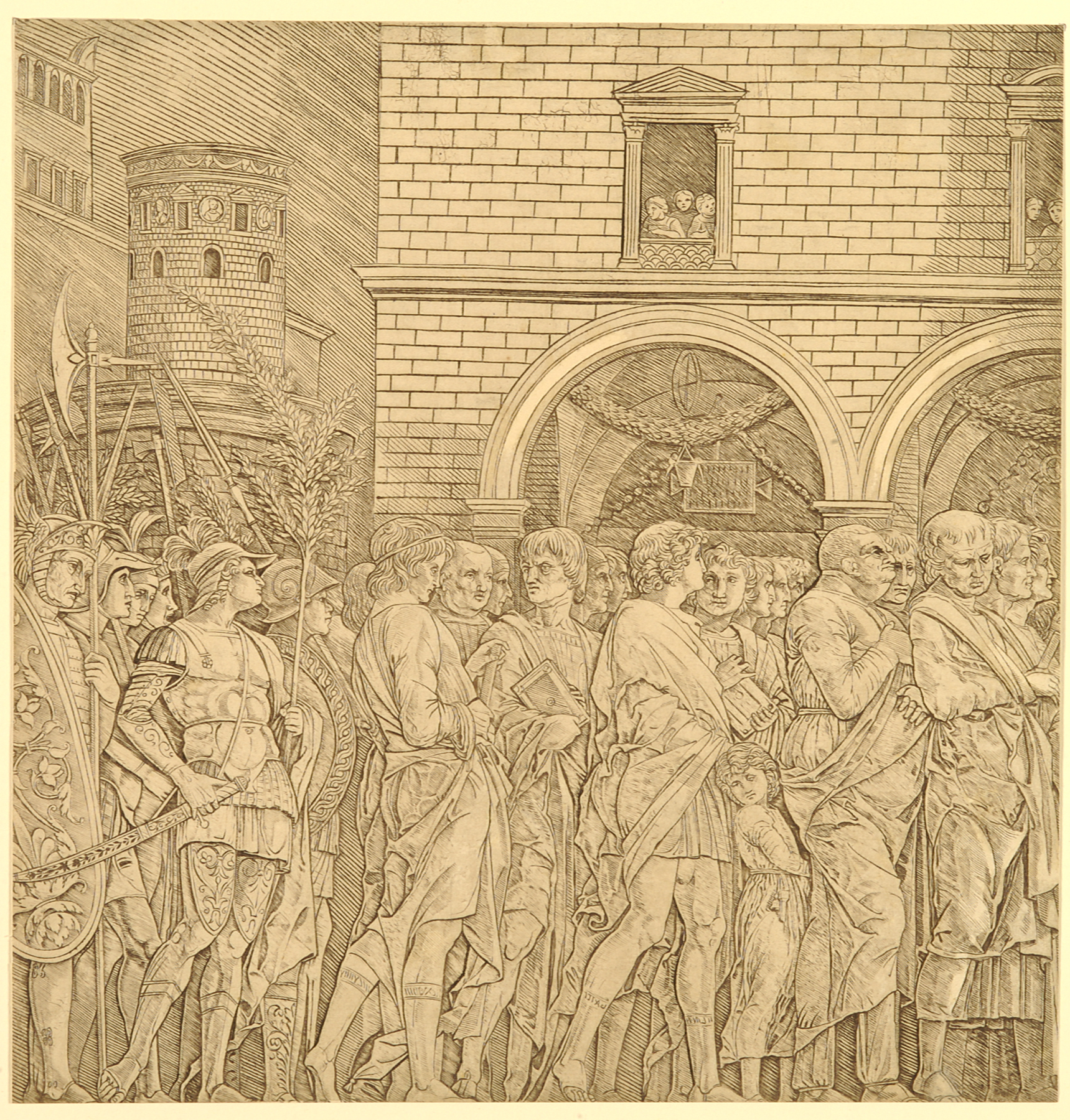
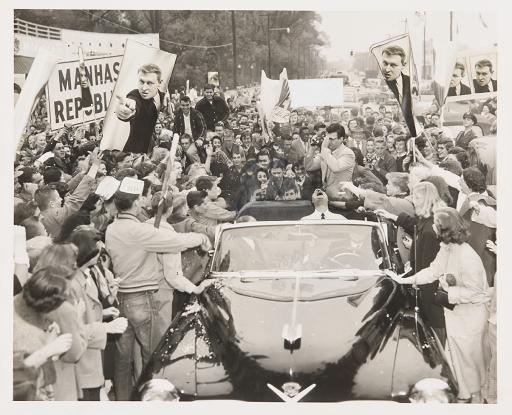
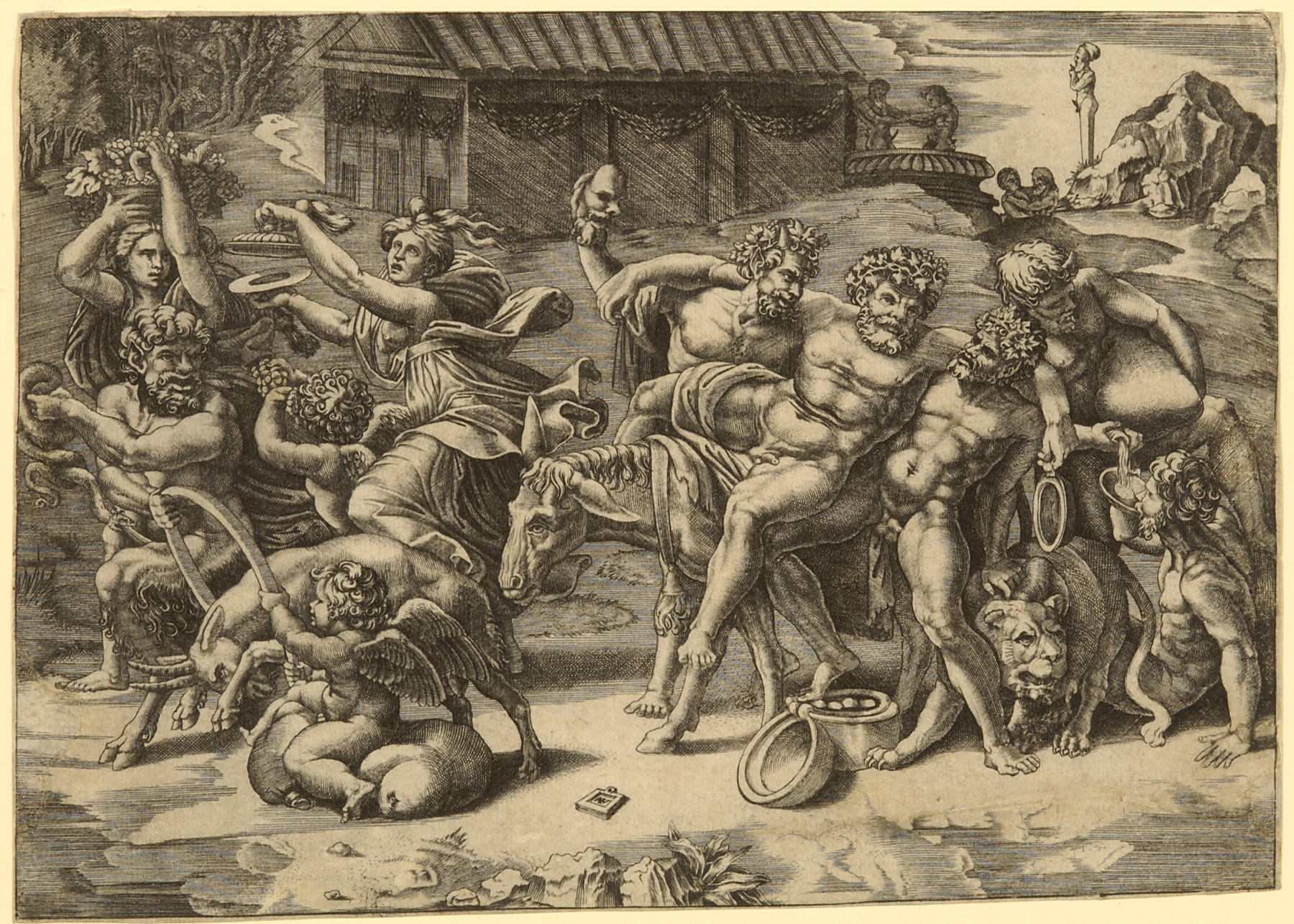
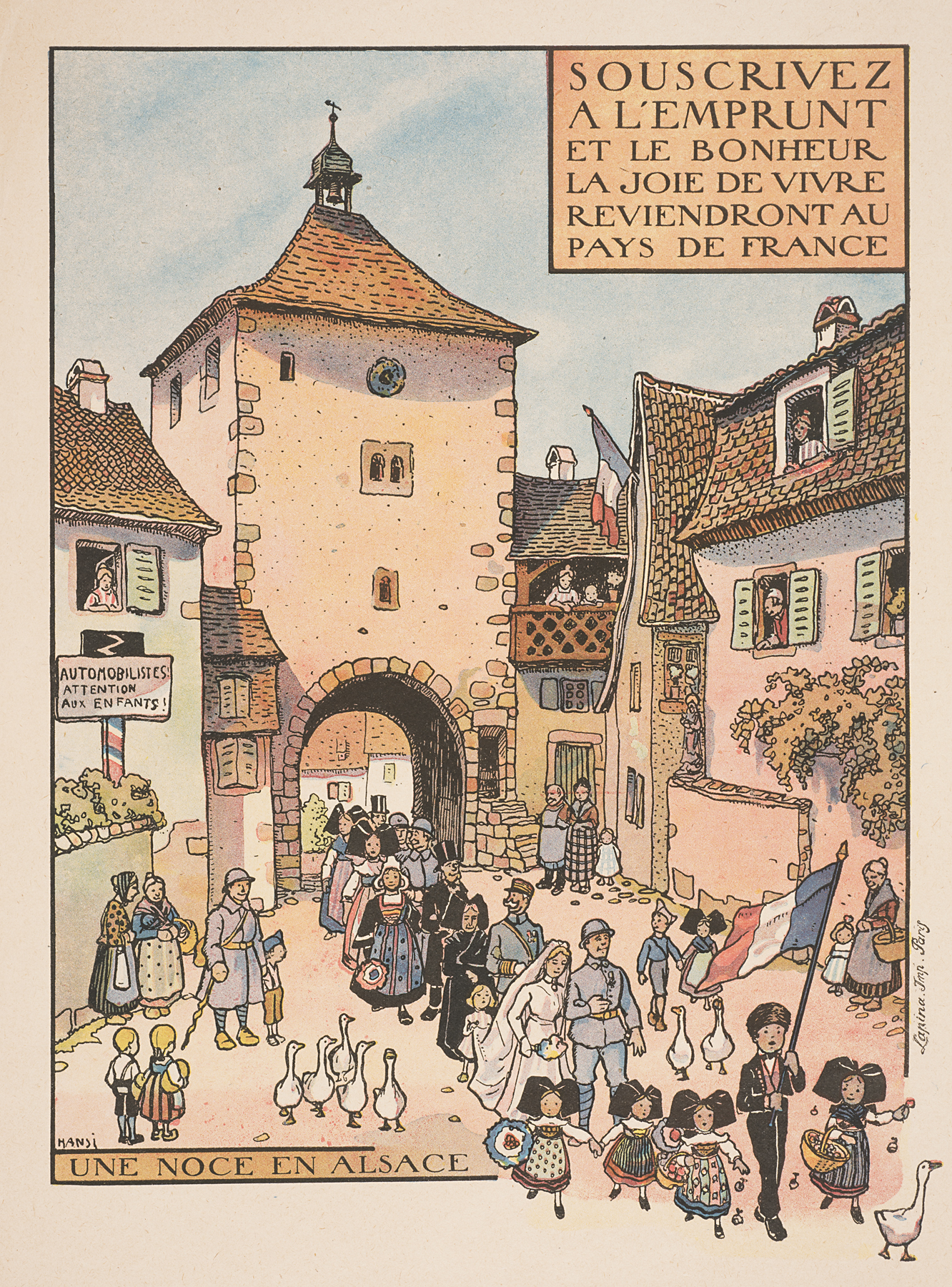
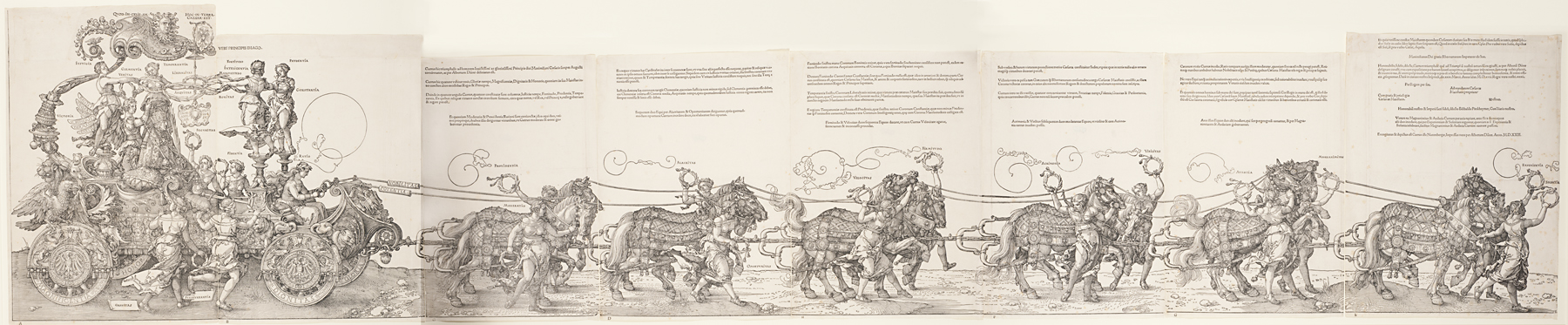
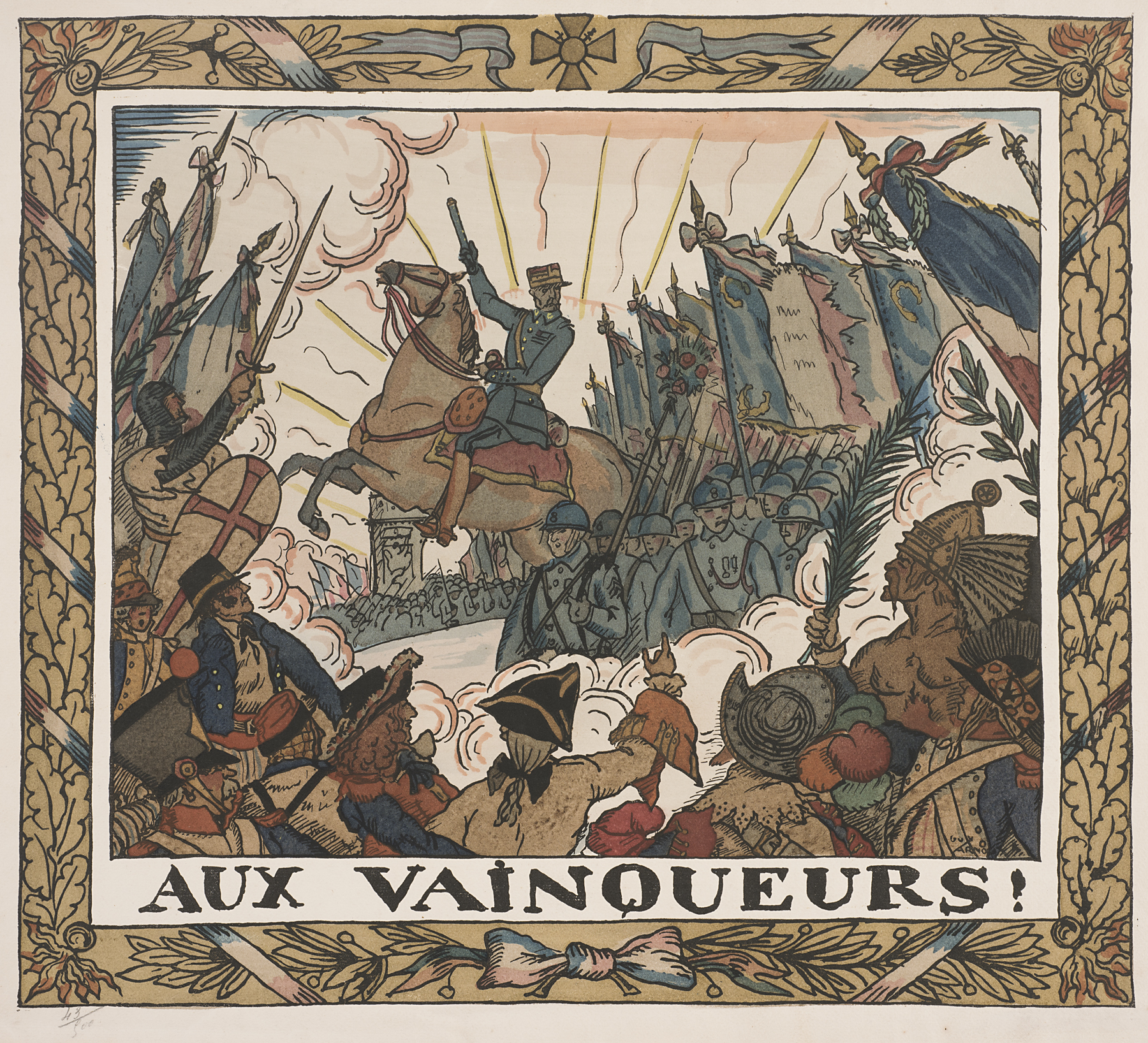
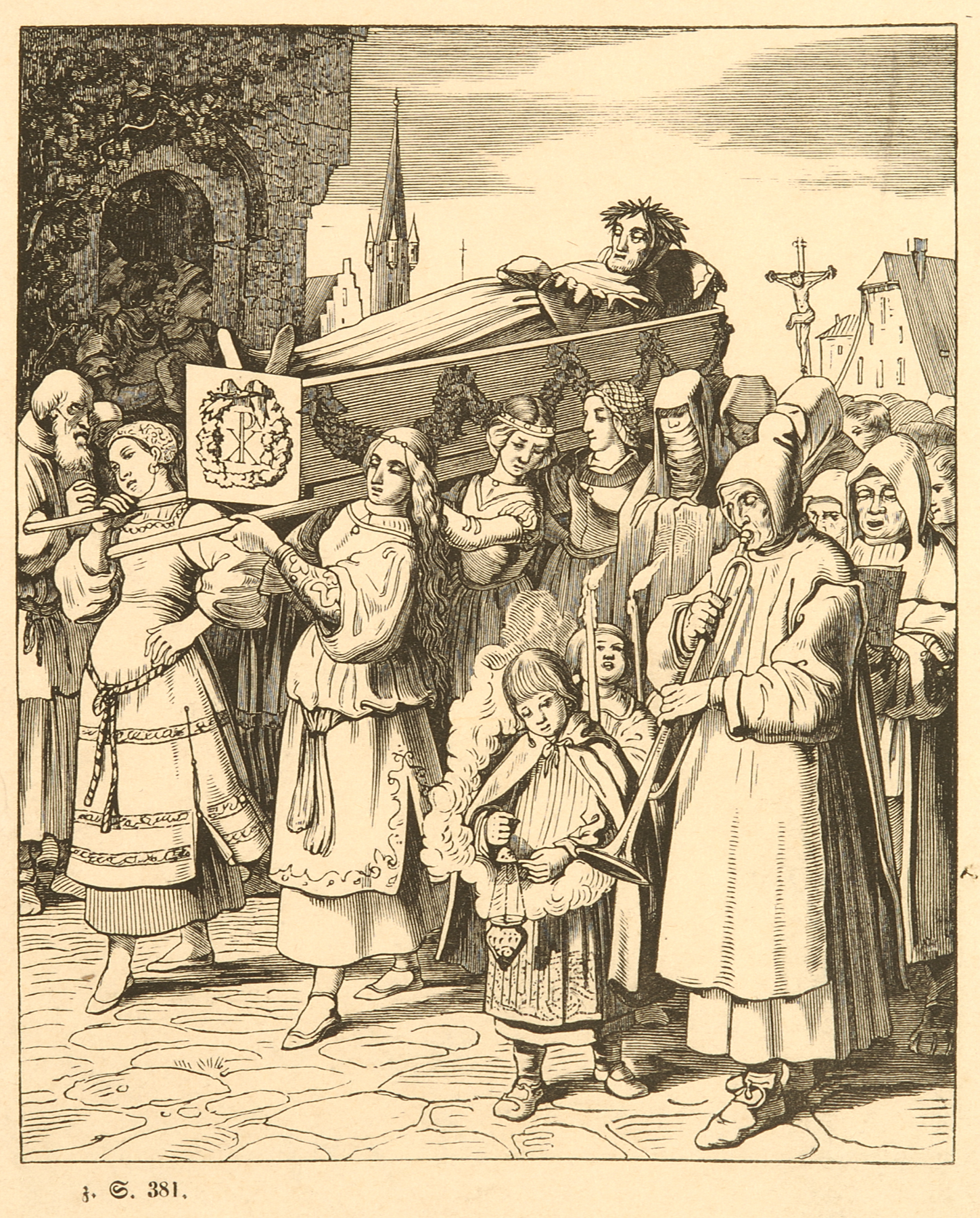
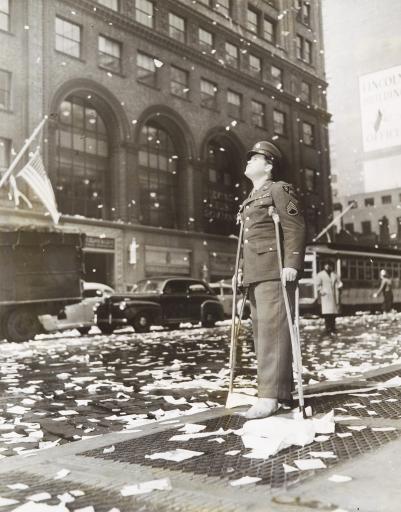
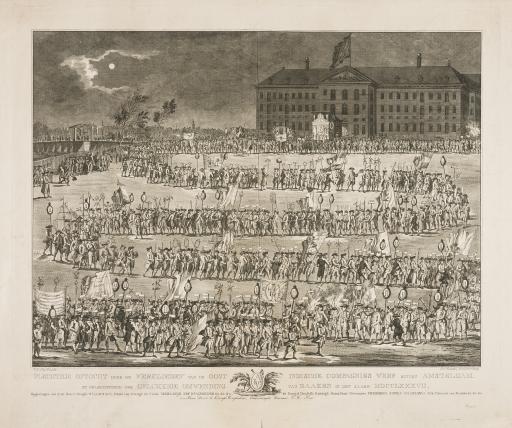
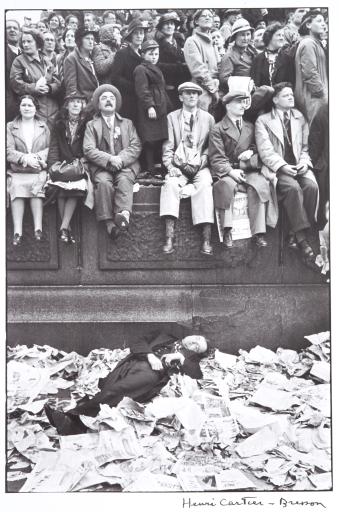
The exhibition March in Time centers on two large-scale prints from the sixteenth century, Albrecht Durer’s The Triumphal Car of Emperor Maximilian I and Georg Lang’s Entry of Archduke Ernest into Nuremberg in 1593, and explores the form and function of parades and processions throughout history. Traditionally, parades celebrated victorious armies, mourned losses, and marked special occasions. In the twenty-first century, parades continue to have military associations, though their use has evolved to include other occasions such as weddings, funerals, public holidays, and sports championships.

Works of art

Andrea Mantegna (circa 1431–1506)
Richard Avedon (1923–2004); Wide World Photos (founded 1941)
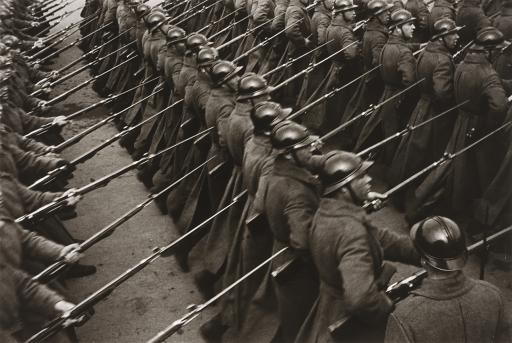
Paul Harbaugh; Boris Ignatovich (1899–1976)
May Day, 1927
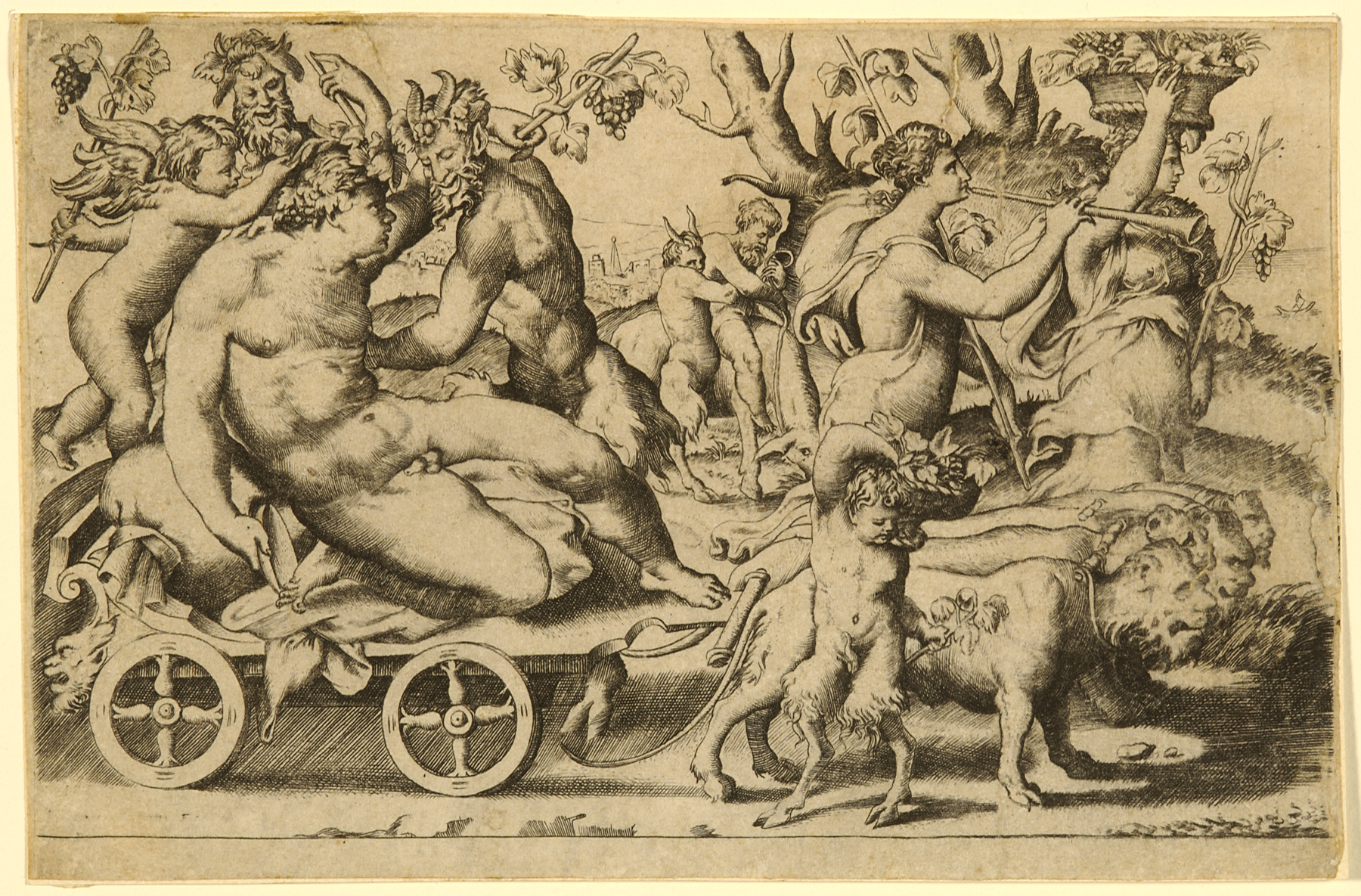
Agostino Musi (circa 1490–after 1536); Giulio Romano (1499–1546)
The Procession of Silenus, circa 1520–1525
Giulio Bonasone (circa 1510–after 1576); Perino del Vaga (1501–1547)
Triumph of Bacchus, mid 1500s
Georg Lang (active 1579–1598, died 1620)
Georgi Zelma (1906–1984)
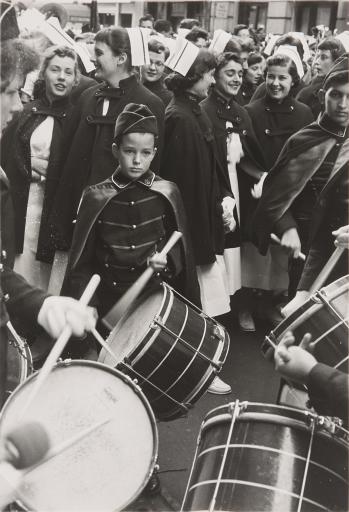
Frank Paulin (1926–2016)
Albrecht Dürer (1471–1528)
Guy Arnoux (1886–1951)
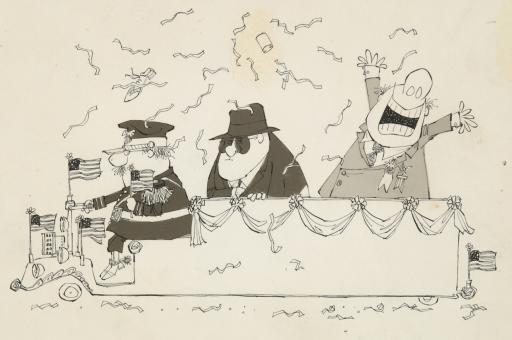
Paul Coker Jr. (1929–2022)
Honorary Model, circa 1960
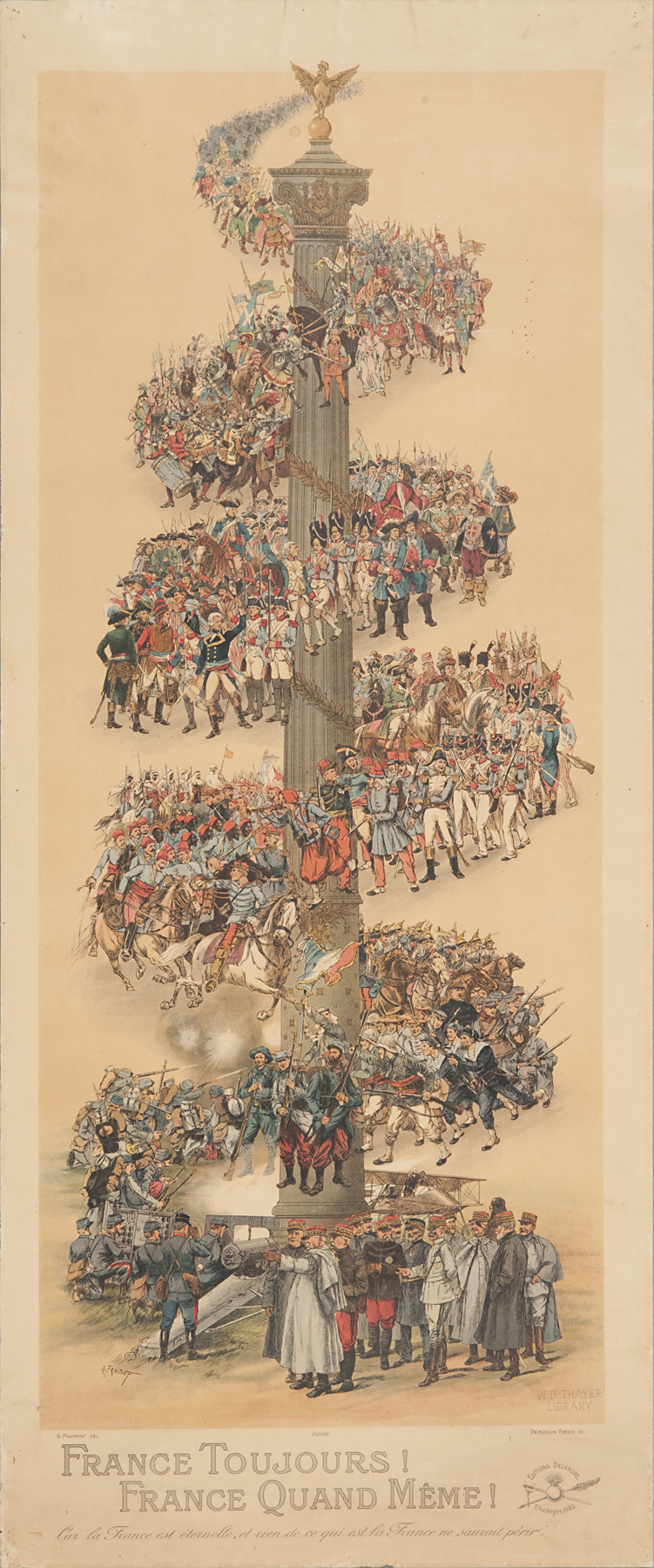
Gustave Fraipont (1849–1923)
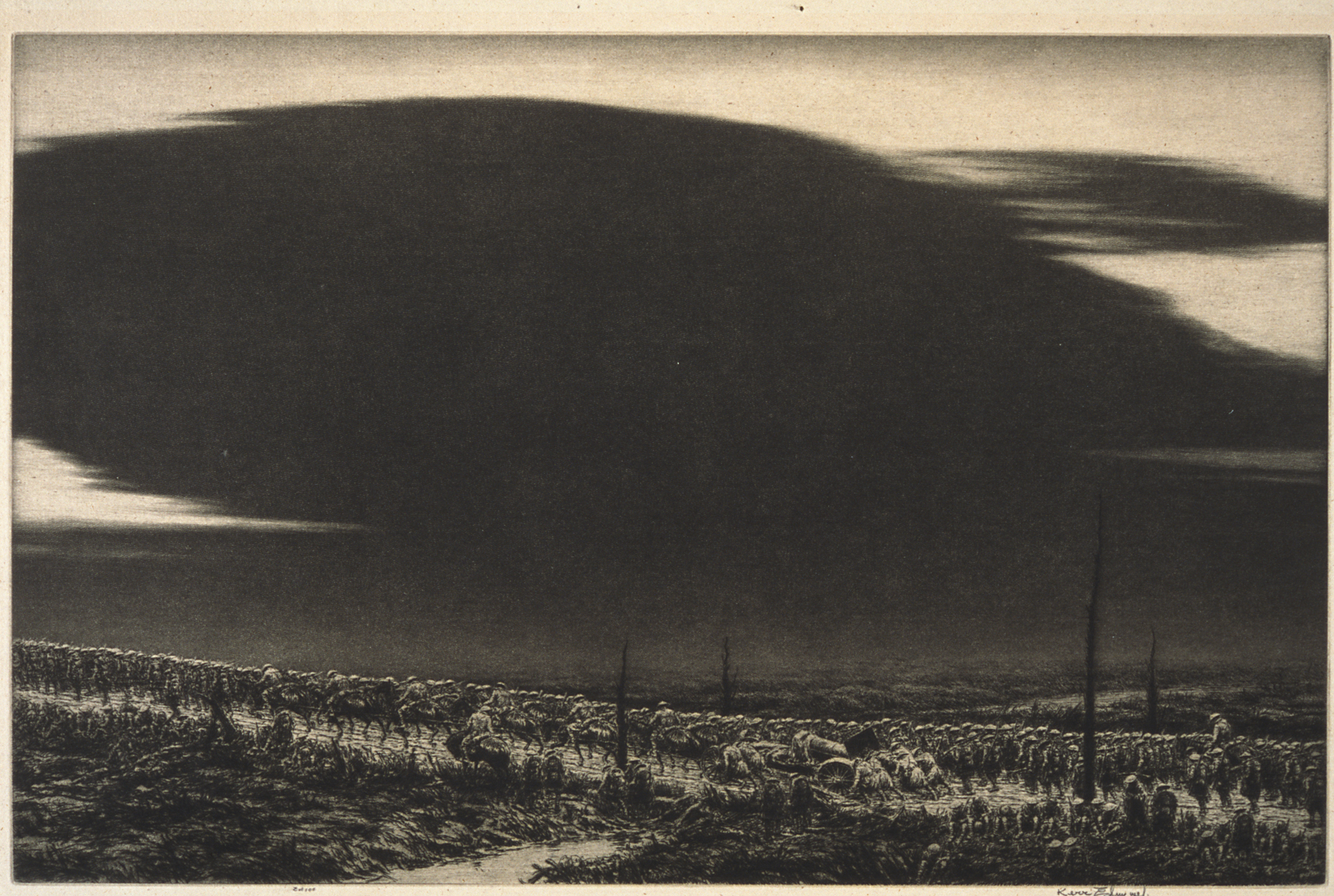
Kerr Eby (1889–1946)
Adrian Ludwig Richter (1803–1884)
Thomas J. Fitzsimmons; Associated Press Newsphoto Service
Henri Cartier-Bresson (1908–2004)
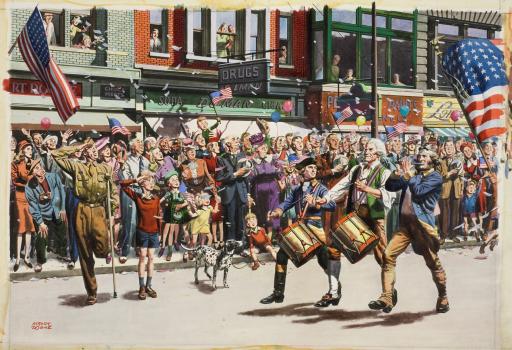
Albert Dorne (1904–1965)
untitled, circa 1947
Georgi Zelma (1906–1984)
Yoshu Nobuyasu
The Emperor's Triumphant Return, 1895, Meiji period (1868–1912)
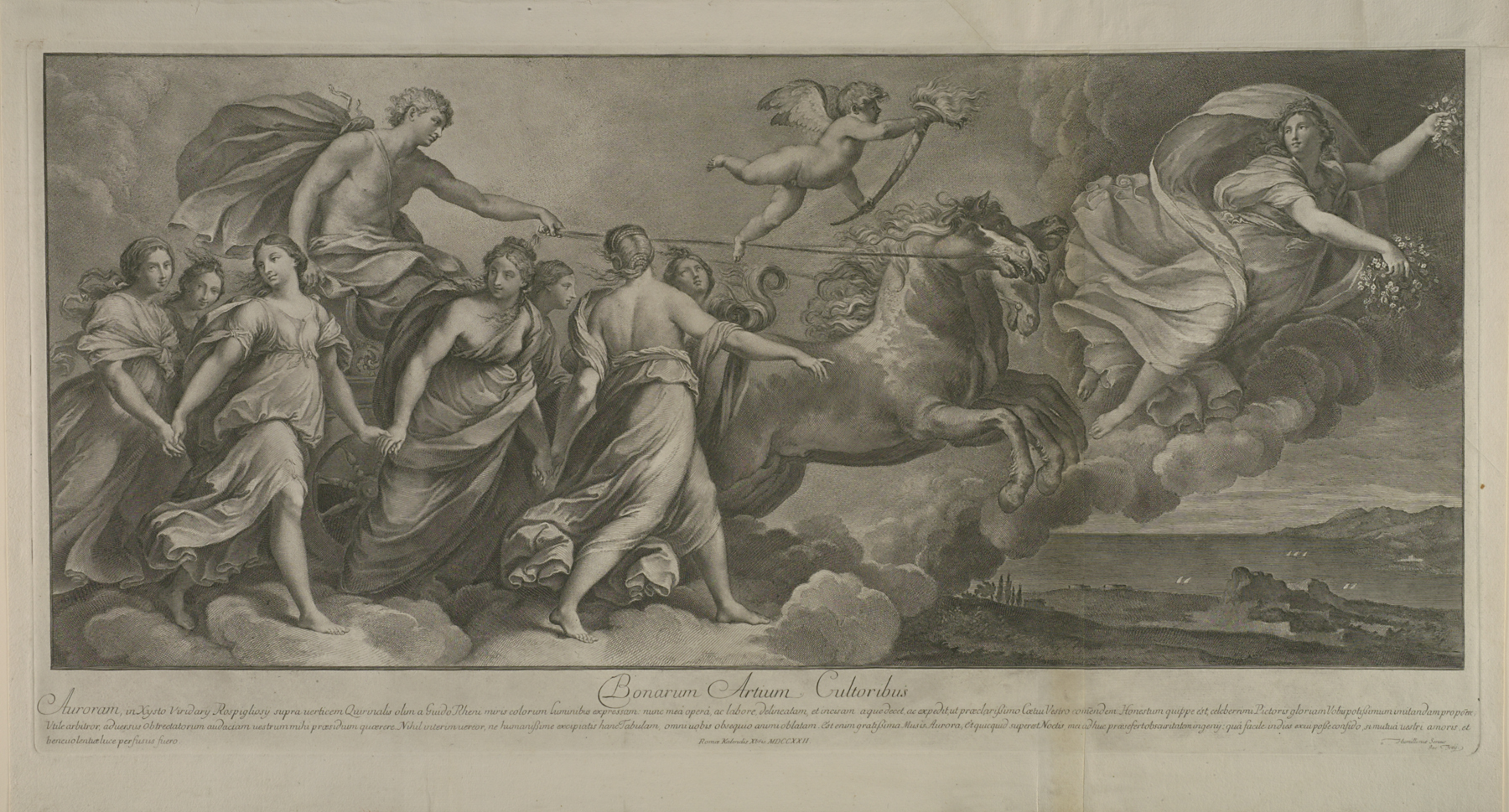
Johann Jakob Frey I (1681–1752); Guido Reni (1575–1642)
Aurora, 1722