Time/Frame

Exhibition

Exhibition Overview

Image not available
Time/Frame
Spencer Museum of Art Interns 2007–2008, curator
August 23, 2008–December 14, 2008
North Balcony and South Balcony, Spencer Museum of Art, University of Kansas, Lawrence, Kansas

Schedules, appointments, deadlines, PDAs, day planners, calendars, wristwatches...

Such timekeeping devices give structure to our lives, and we rely on them to chart the minutes of our days and the moments of our existence. As astronomer and anthropologist Anthony Aveni notes, “Time gets spent, wasted, killed, kept, and lost. We have leisure time, quality time, good times, bad times, hard times, and even hot times.” Our interest in keeping time is by no means a recent phenomenon, when one recalls that prehistoric man, by simple observation of the stars, changes in seasons, and conditions of day and night began to come up with early methods of measuring time to pursue such activities as farming, hunting, and the celebration of sacred feasts. Our concern with time has continued unabated to the present day.

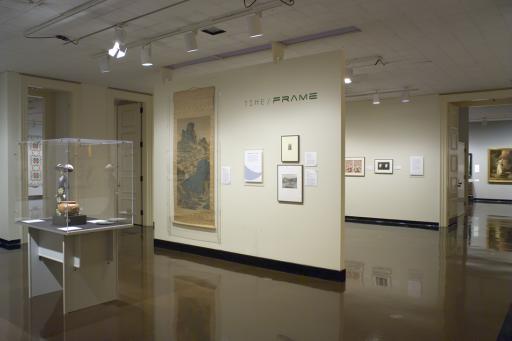
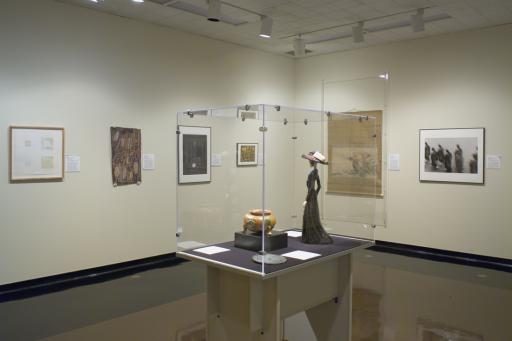
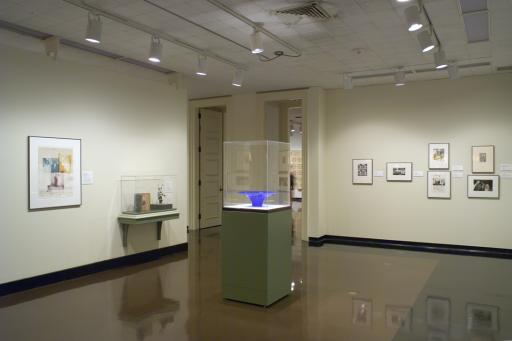
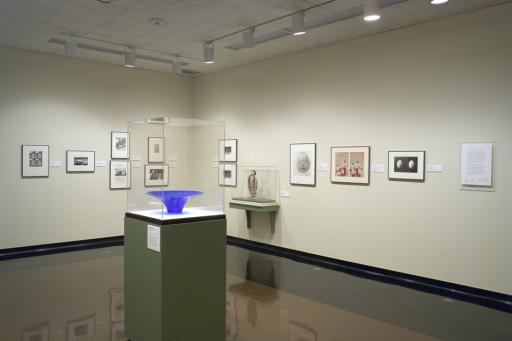
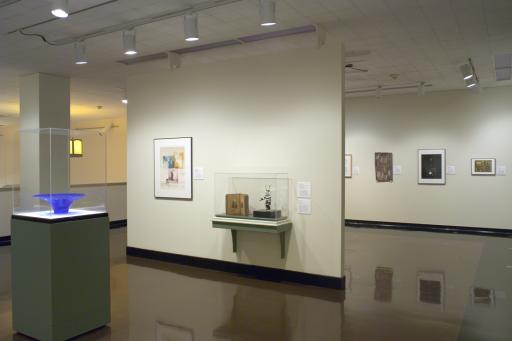
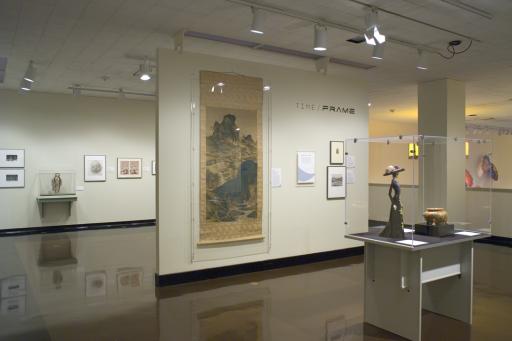
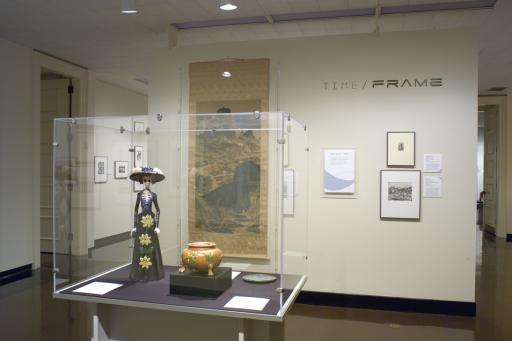
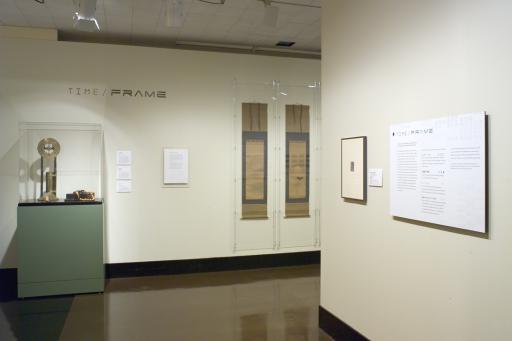
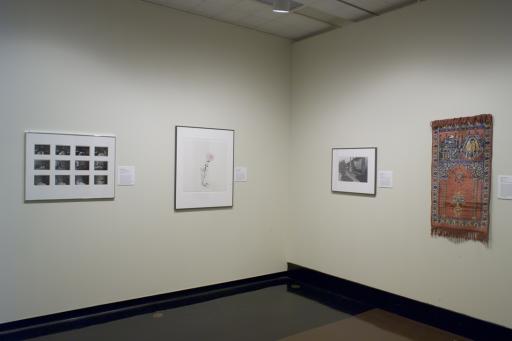
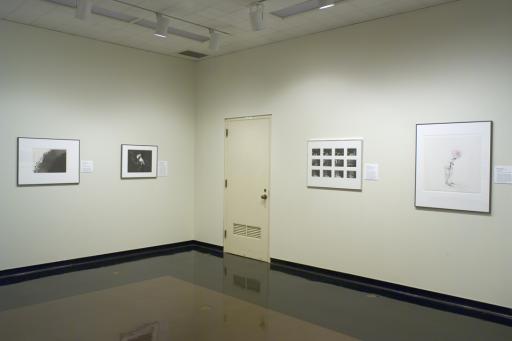
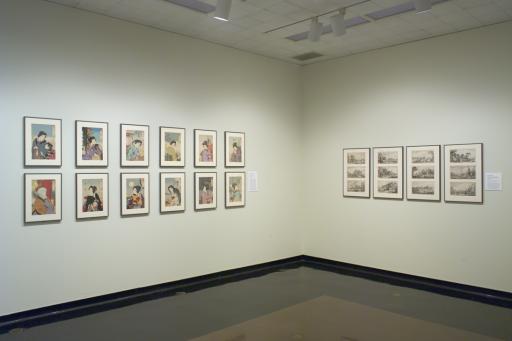
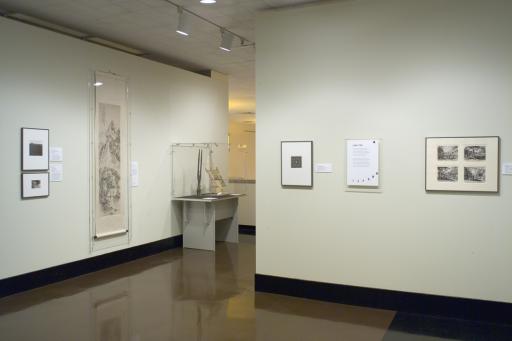
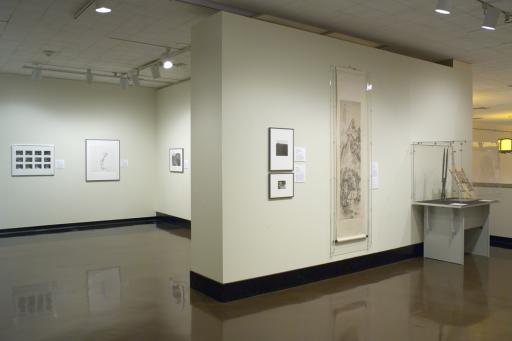
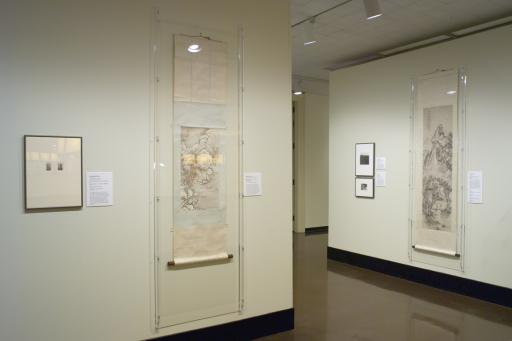
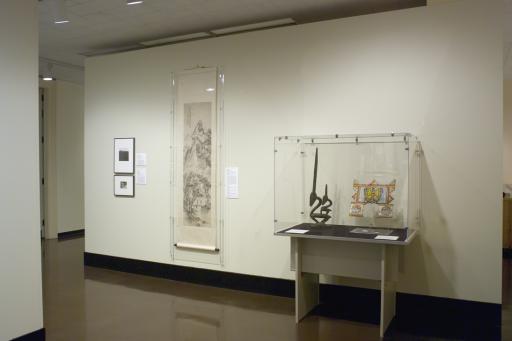
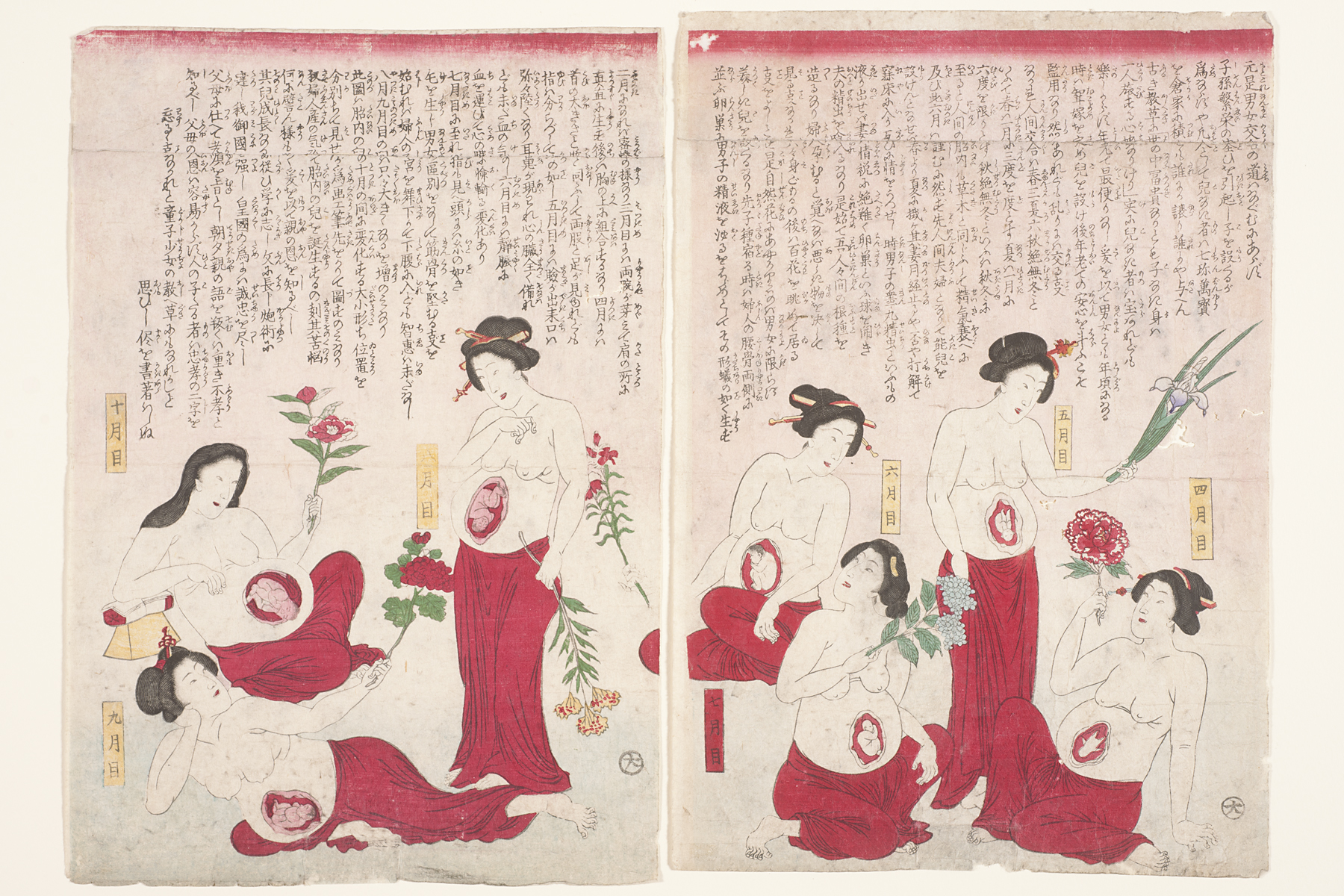
In Fall 2008, the Spencer Museum of Art will consider the ways in which artists have pondered and pictured time. Assembling works from North and South America, Africa, Europe, Asia, and Australia, and across various media, the exhibition Time/Frame considers how time is manifested visually in art and material culture from around the world.

Time/Frame is organized collectively by the 2007-08 Spencer Museum of Art graduate student interns: Robert Fucci, Shuyun Ho, Lauren Kernes, Lara Kuykendall, Ellen Raimond, and Stephanie Teasley.

Exhibition images
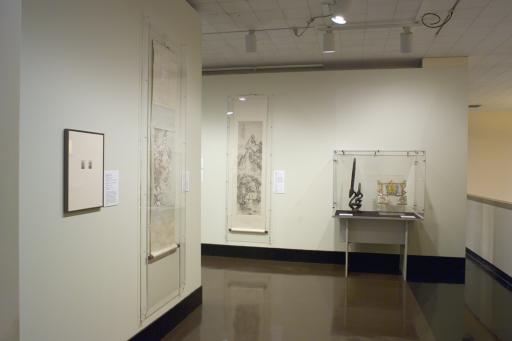
Works of art

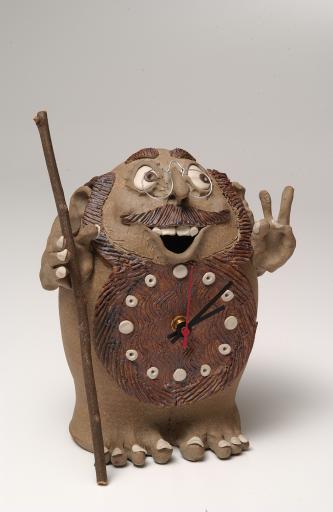
Mario Martinez (born 1953); Landfall Press (active 1970–2004); Jack Lemon (circa 1935); Steve Campbell; Sarah Pavlus; Marion Karl
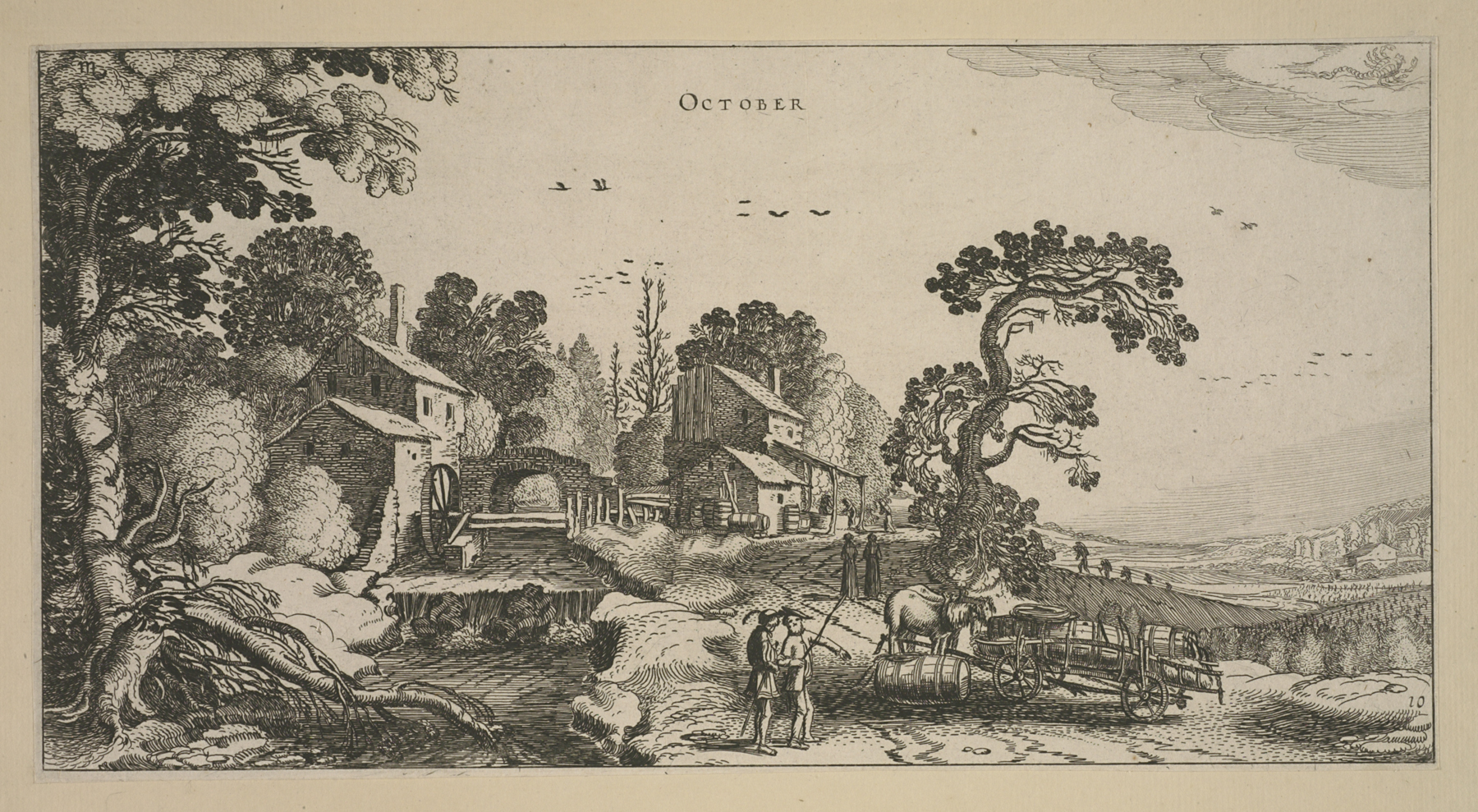
Jan van de Velde II (1593–1641); Claes Jansz. Visscher the younger (1587–1652)
October, 1616
Jan van de Velde II (1593–1641); Claes Jansz. Visscher the younger (1587–1652)
November, 1616
Jan van de Velde II (1593–1641); Claes Jansz. Visscher the younger (1587–1652)
December, 1616
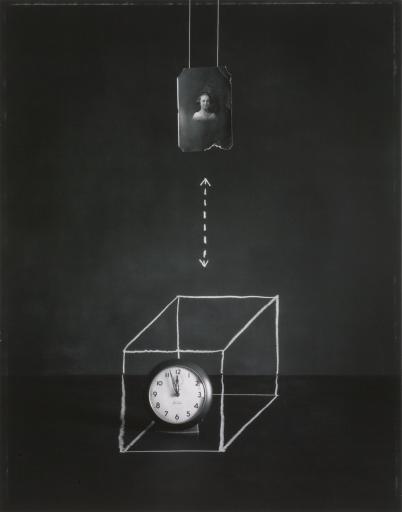
John Chervinsky (born 1961)
Time Machine, 2005
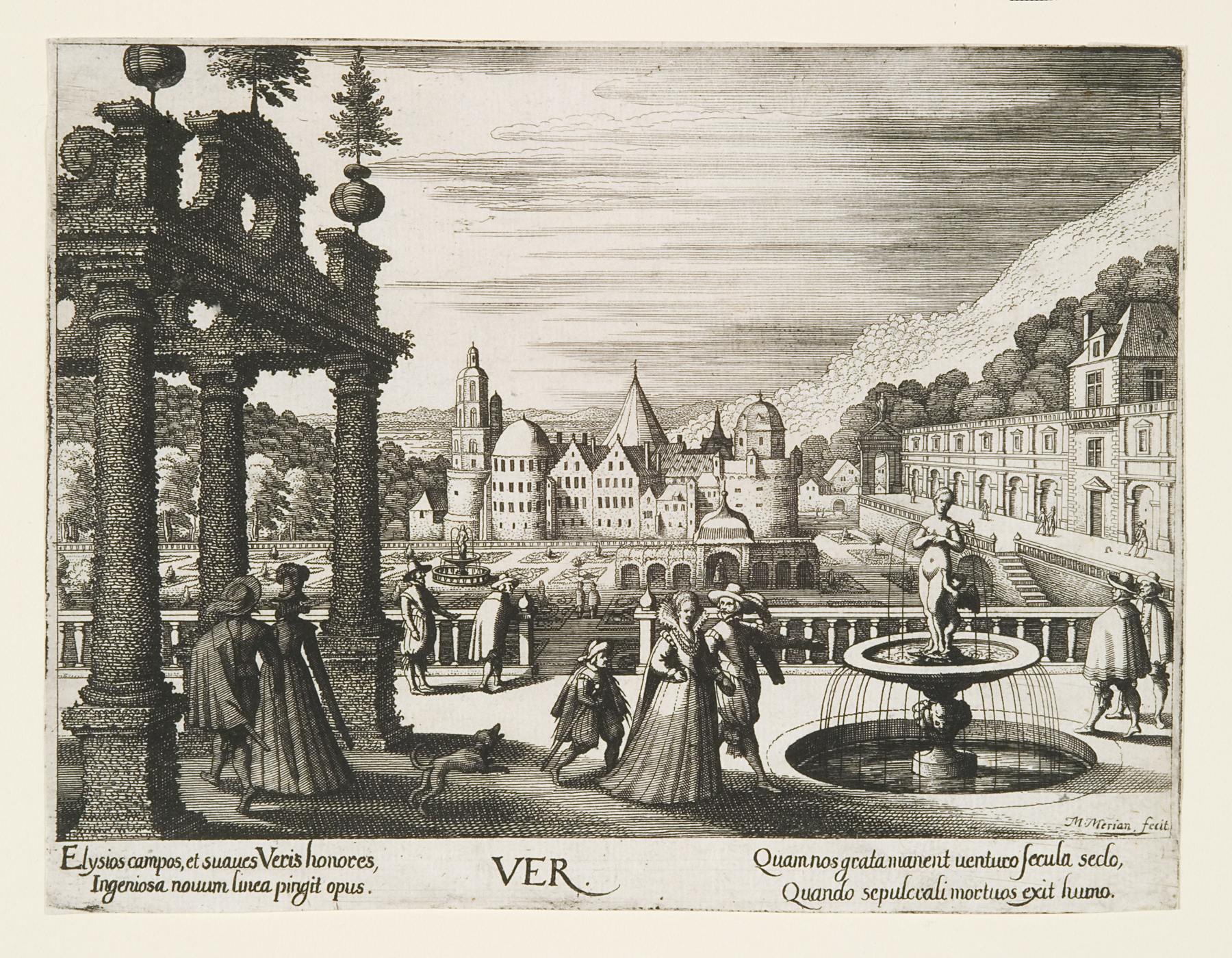
Matthäus Merian, the elder (1593–1650)
Ver (Spring), 1622
unrecorded Australian Aboriginal artist
unrecorded Cheyenne artist
female doll, late 1800s–1916
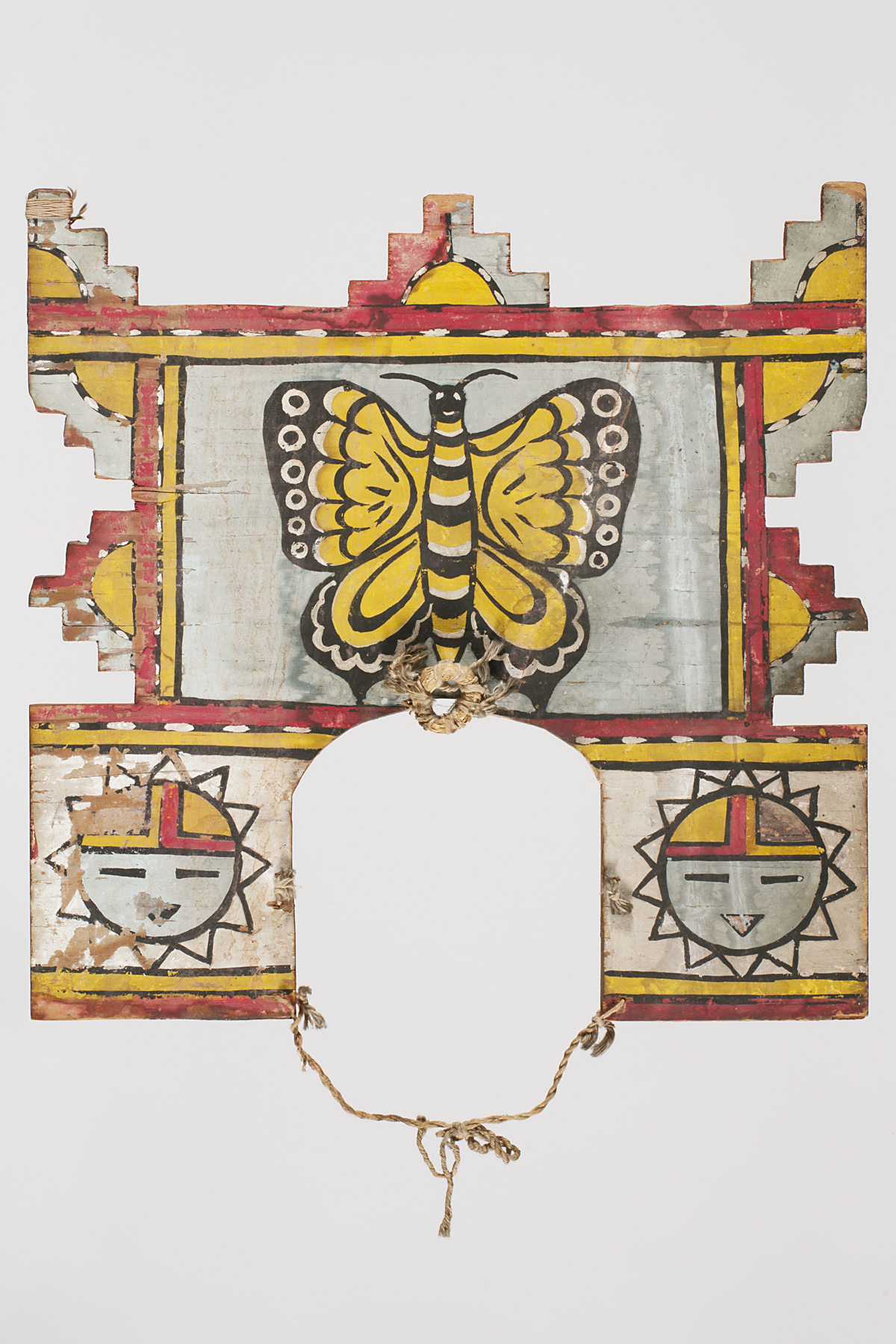
unrecorded Hopi artist
tableta, late 1800s–2007
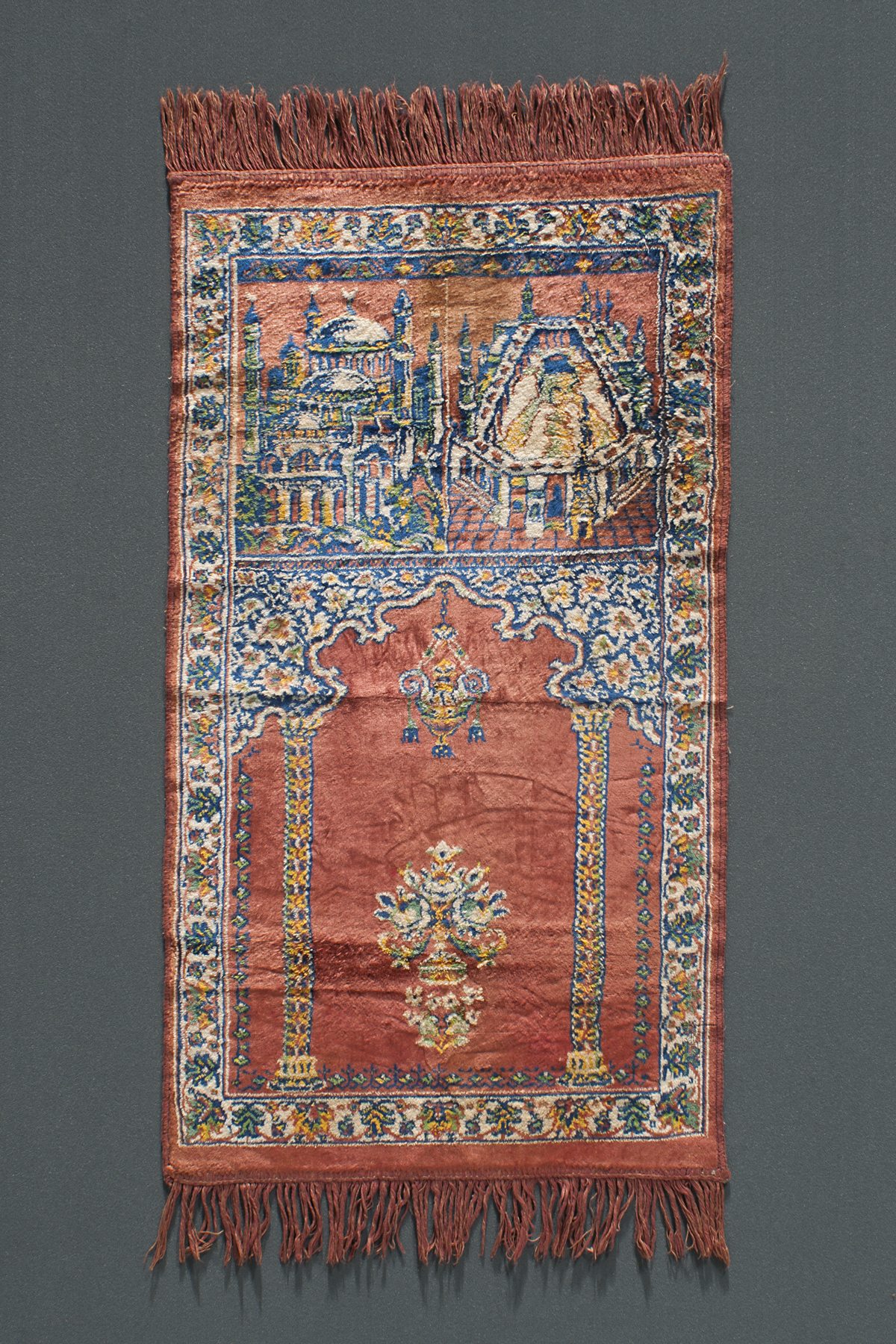
unrecorded Maranao artist
prayer rug, late 1800s–1959
unrecorded Bamana artist
chi wara headdress, early-mid 1900s
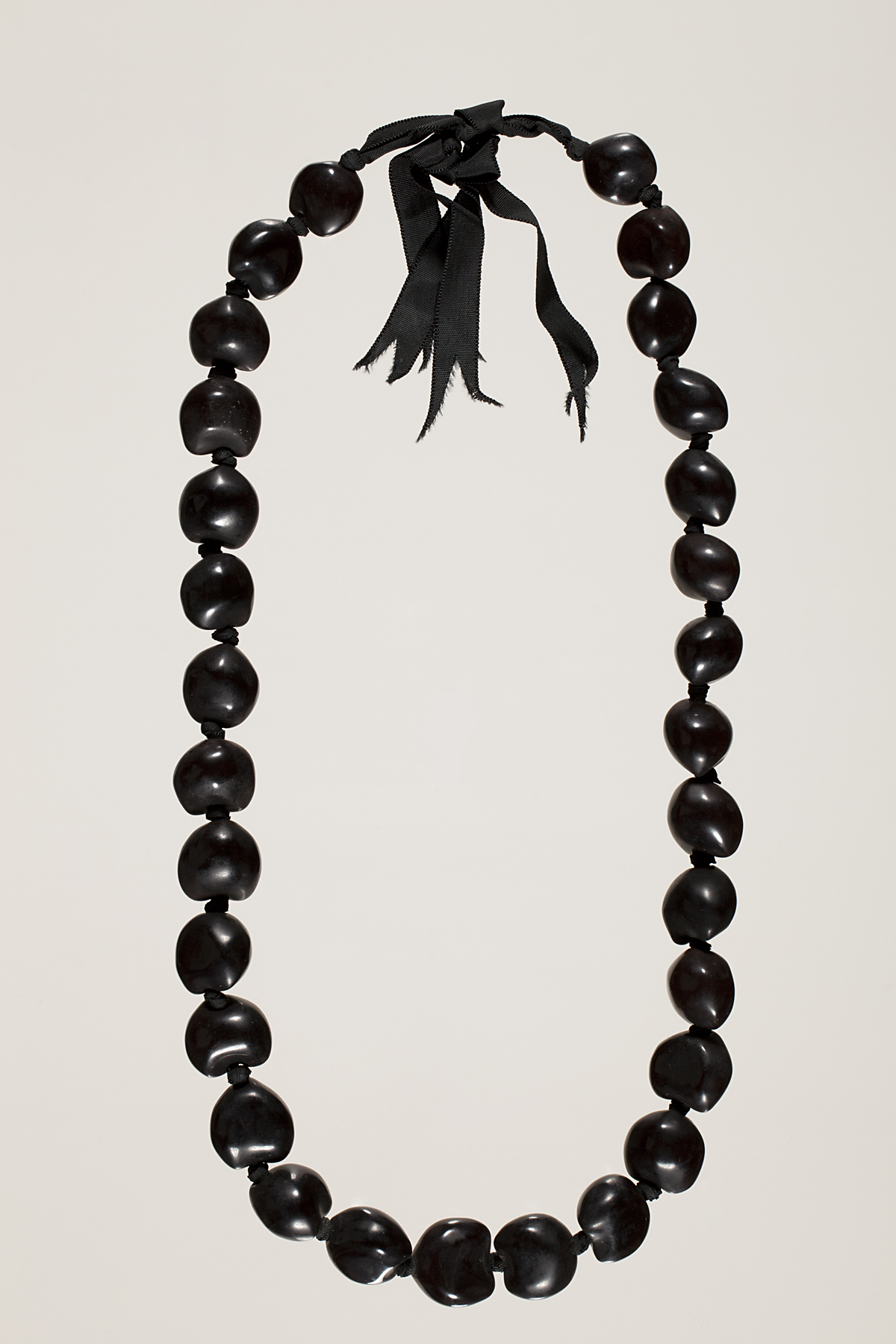
unrecorded Kanaka Maoli (Hawaiian) artist
kukui nut lei (necklace), late 1800s–1980
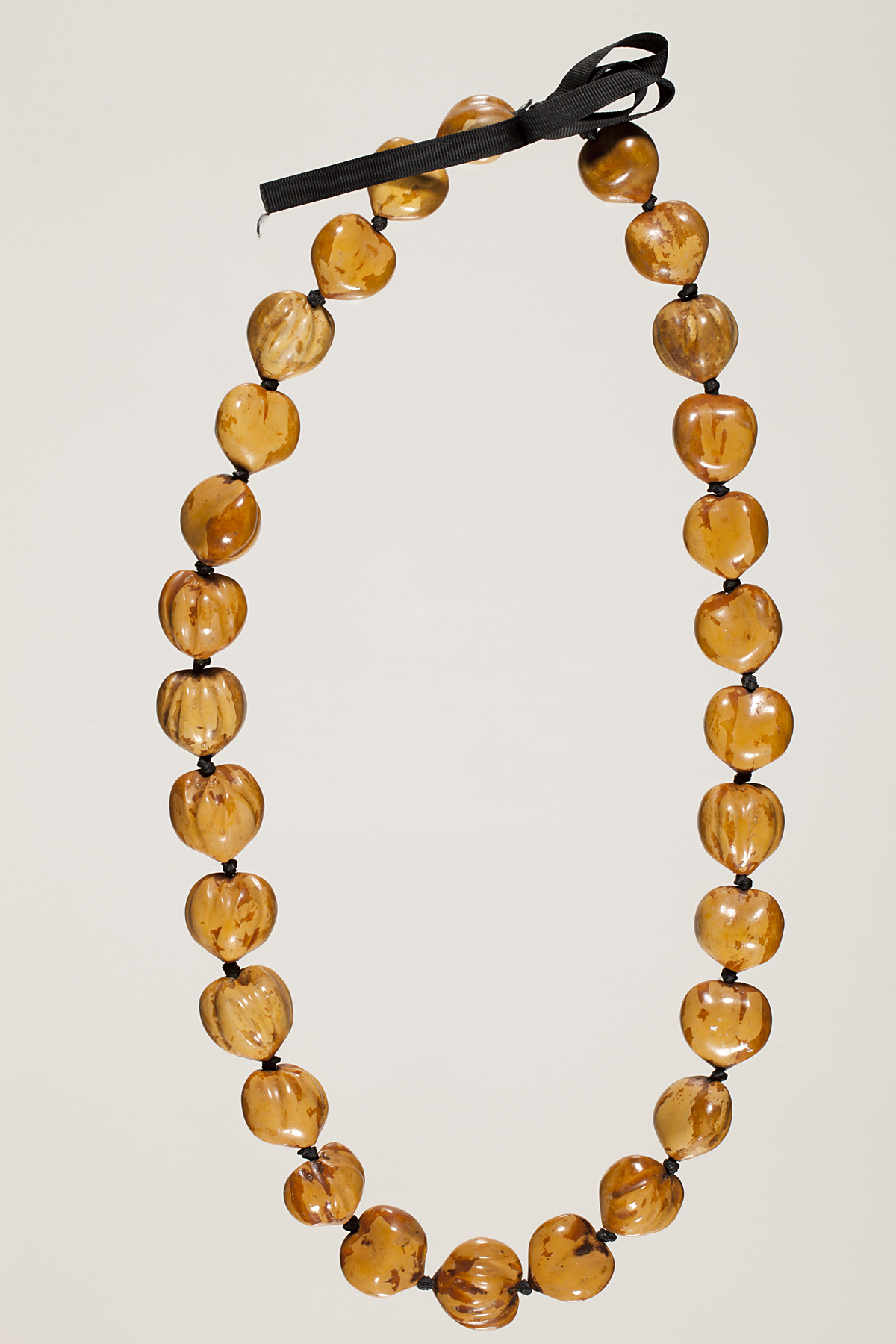
unrecorded Kanaka Maoli (Hawaiian) artist
kukui nut lei (necklace), late 1800s–1980
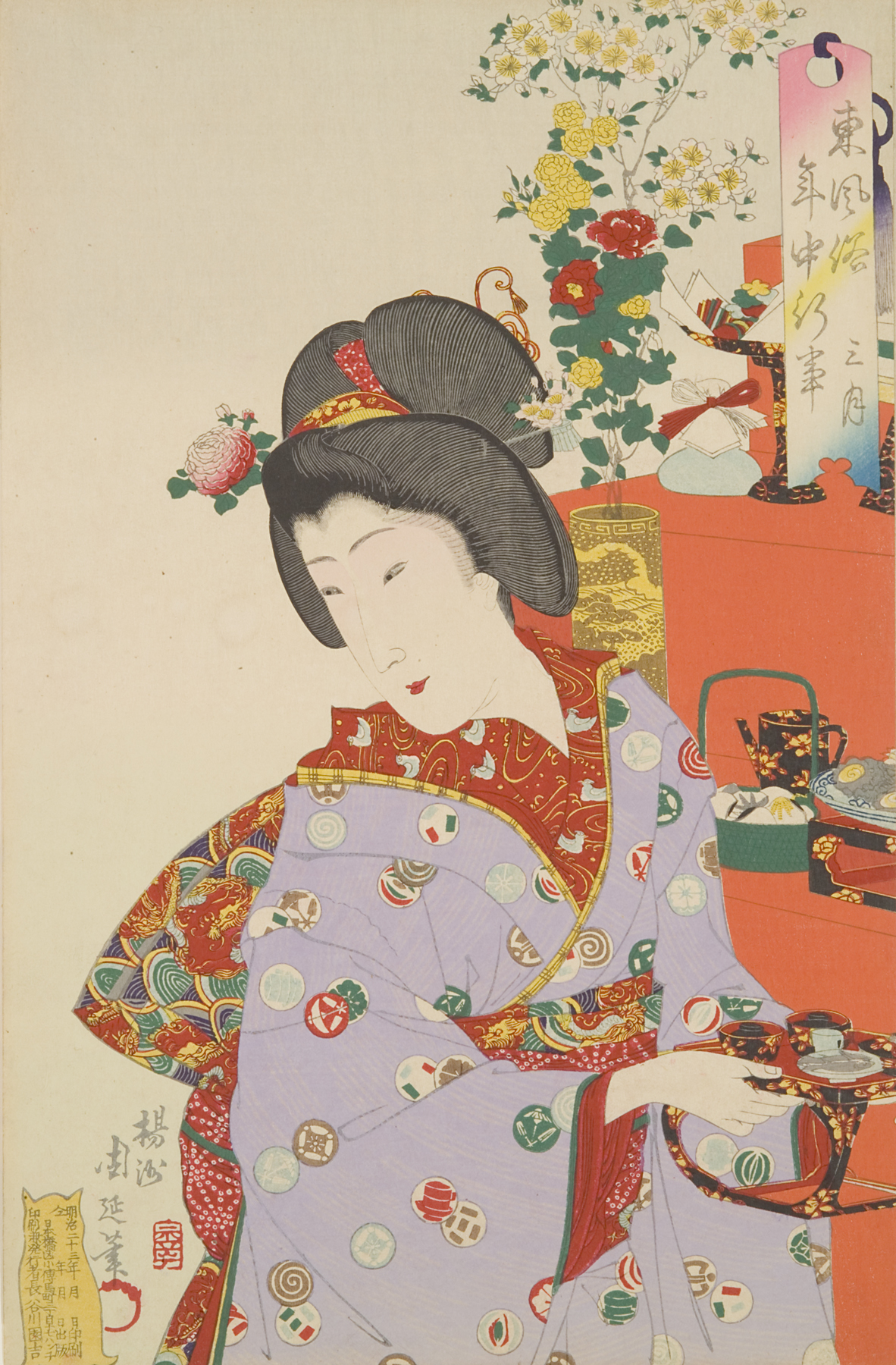
Toyohara Chikanobu (1838–1912)
ichigatsu (The First Month), 1890, Meiji period (1868–1912)
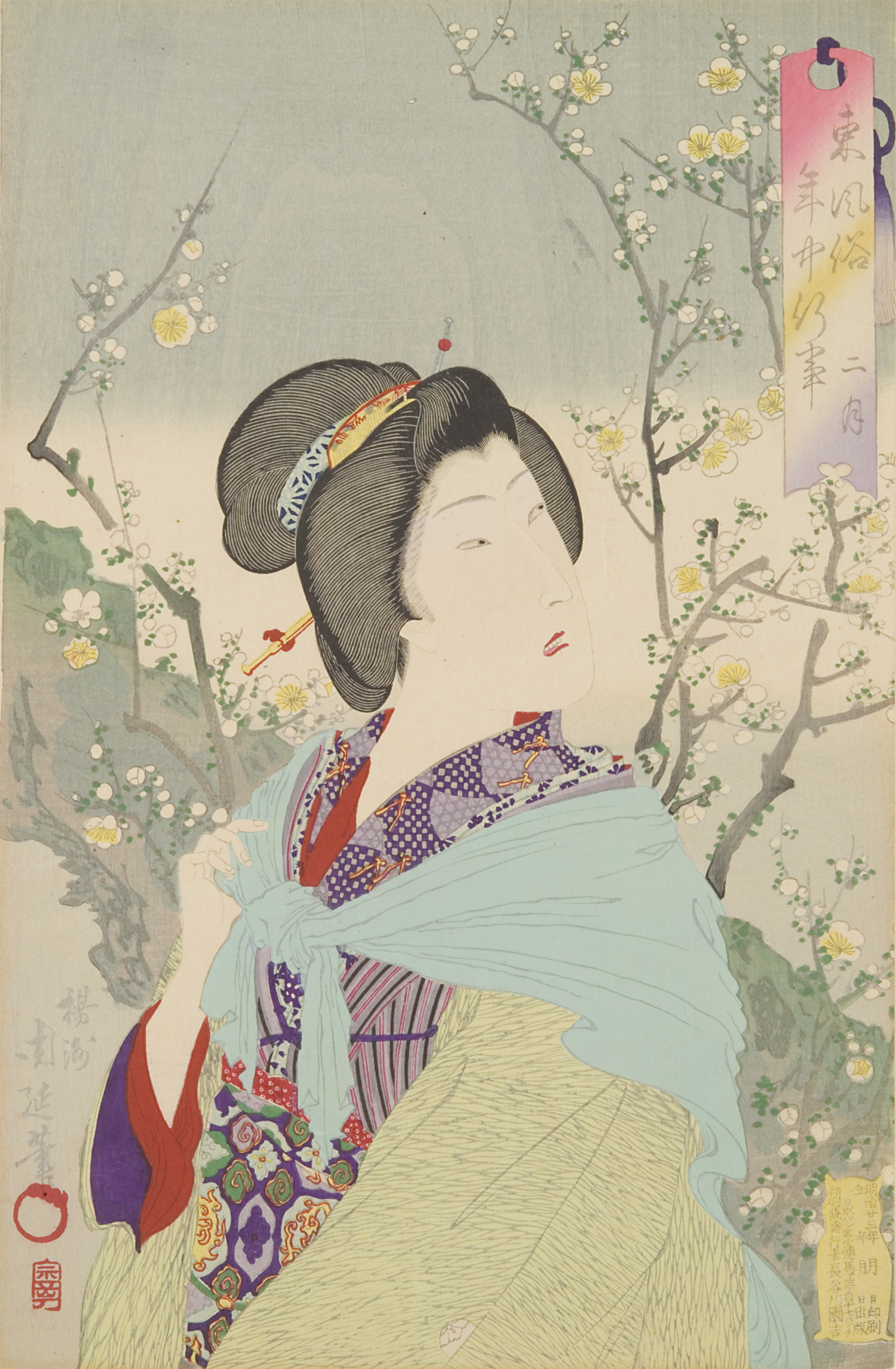
Toyohara Chikanobu (1838–1912)
nigatsu (The Second Month), 1890, Meiji period (1868–1912)
Toyohara Chikanobu (1838–1912)
sangatsu (The Third Month), 1890, Meiji period (1868–1912)
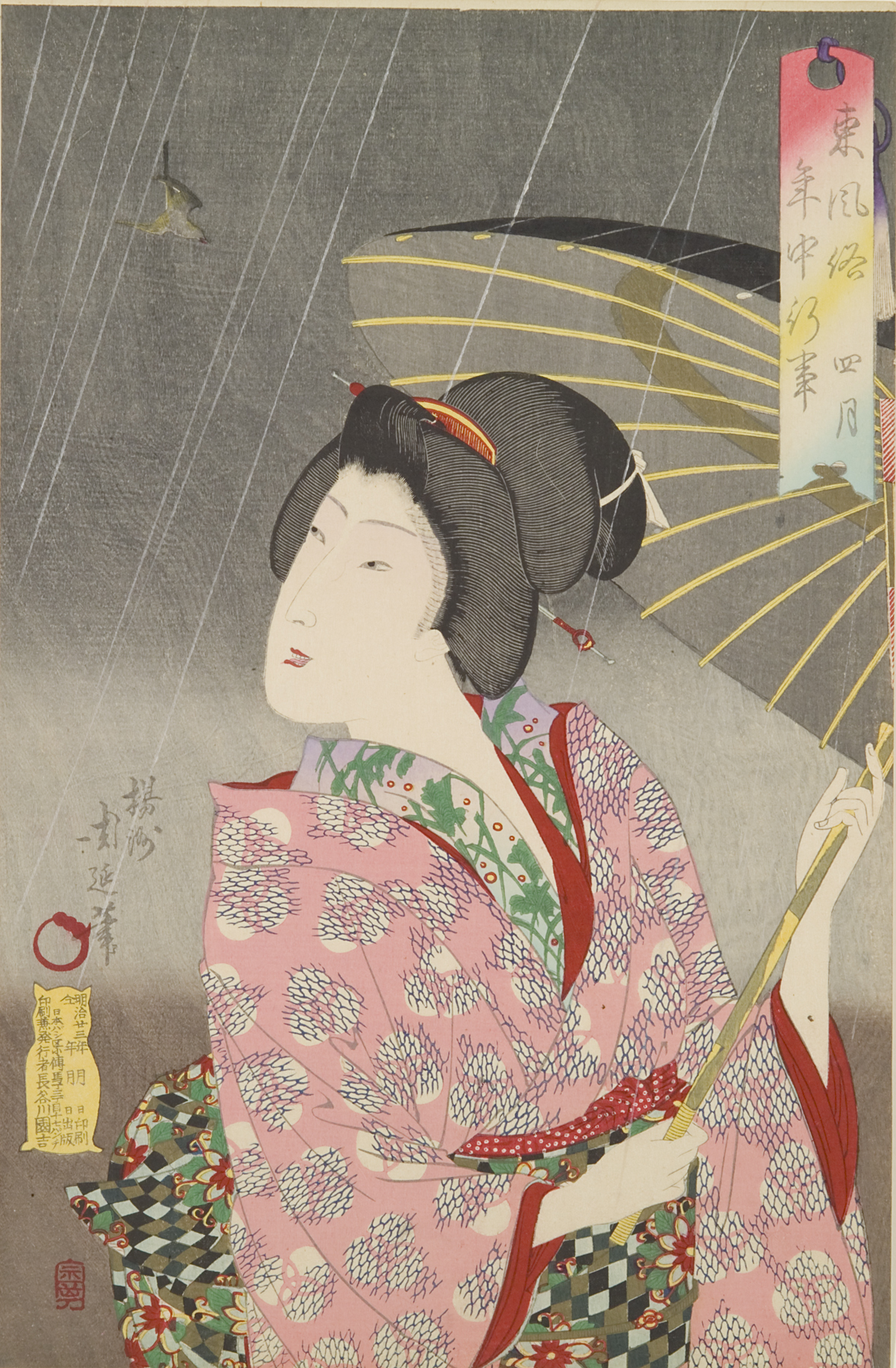
Toyohara Chikanobu (1838–1912)
shigatsu (The Fourth Month), 1890, Meiji period (1868–1912)
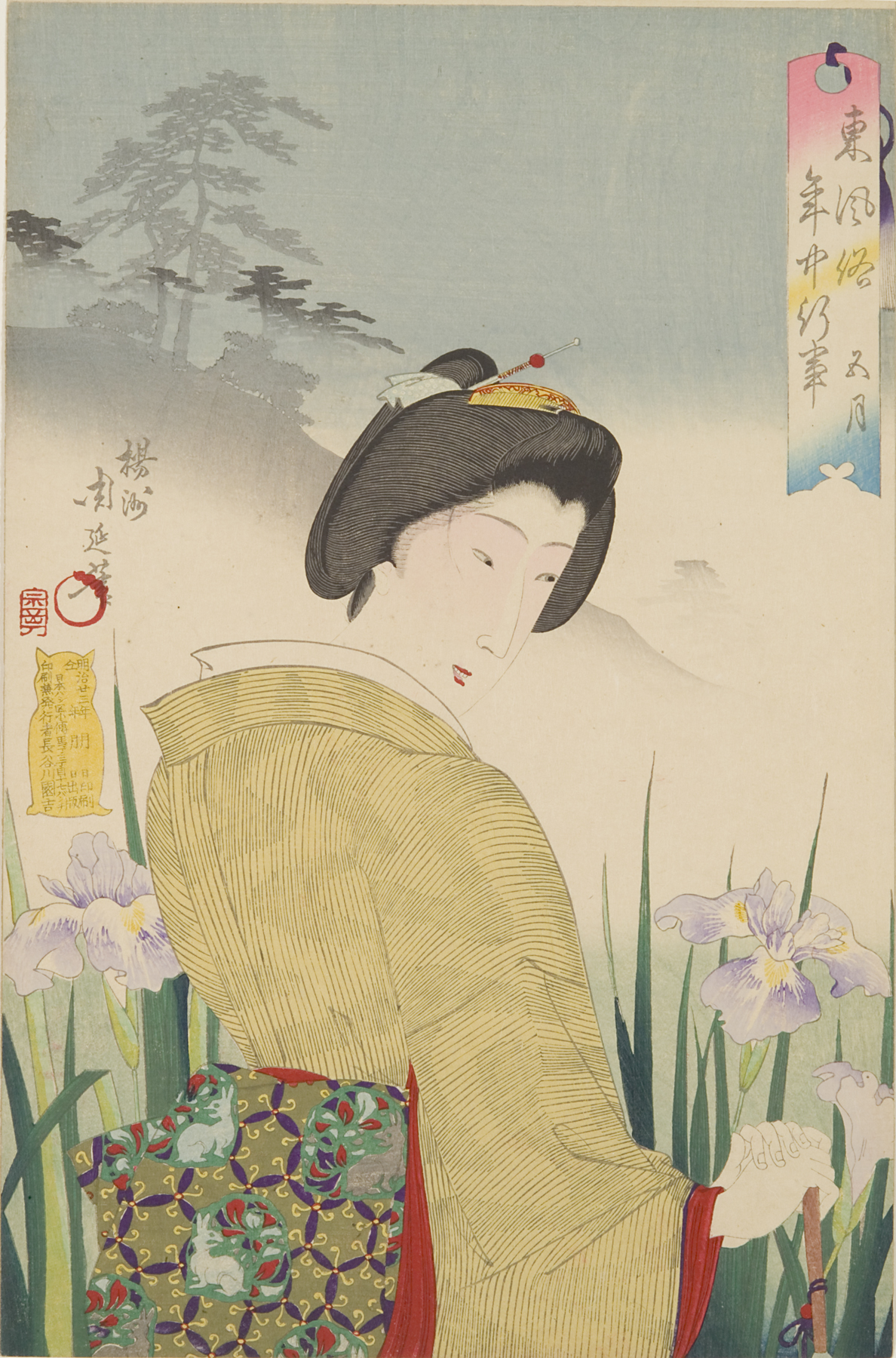
Toyohara Chikanobu (1838–1912)
gogatsu (The Fifth Month), 1890, Meiji period (1868–1912)
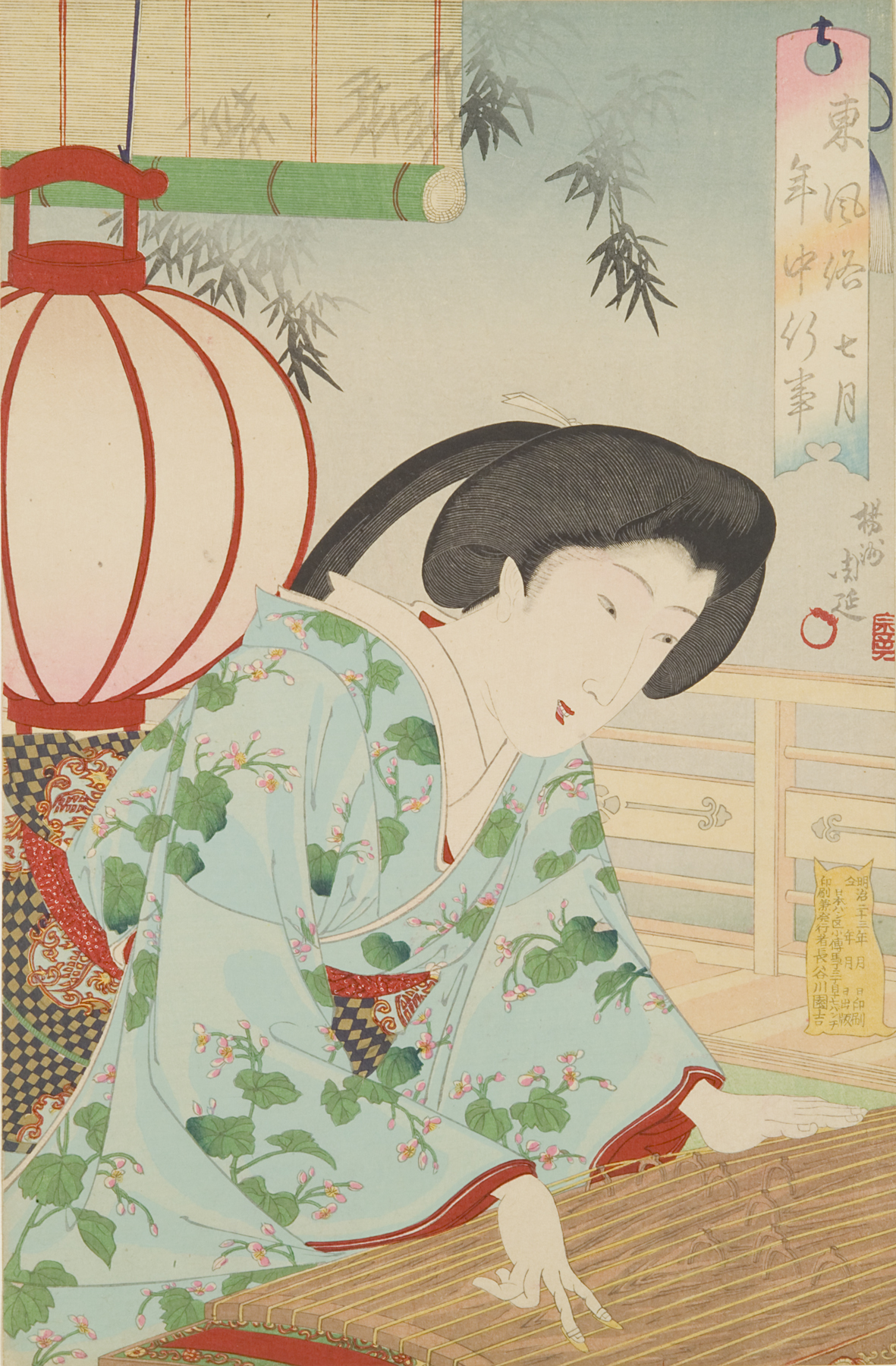
Toyohara Chikanobu (1838–1912)
shichigatsu (The Seventh Month), 1890, Meiji period (1868–1912)
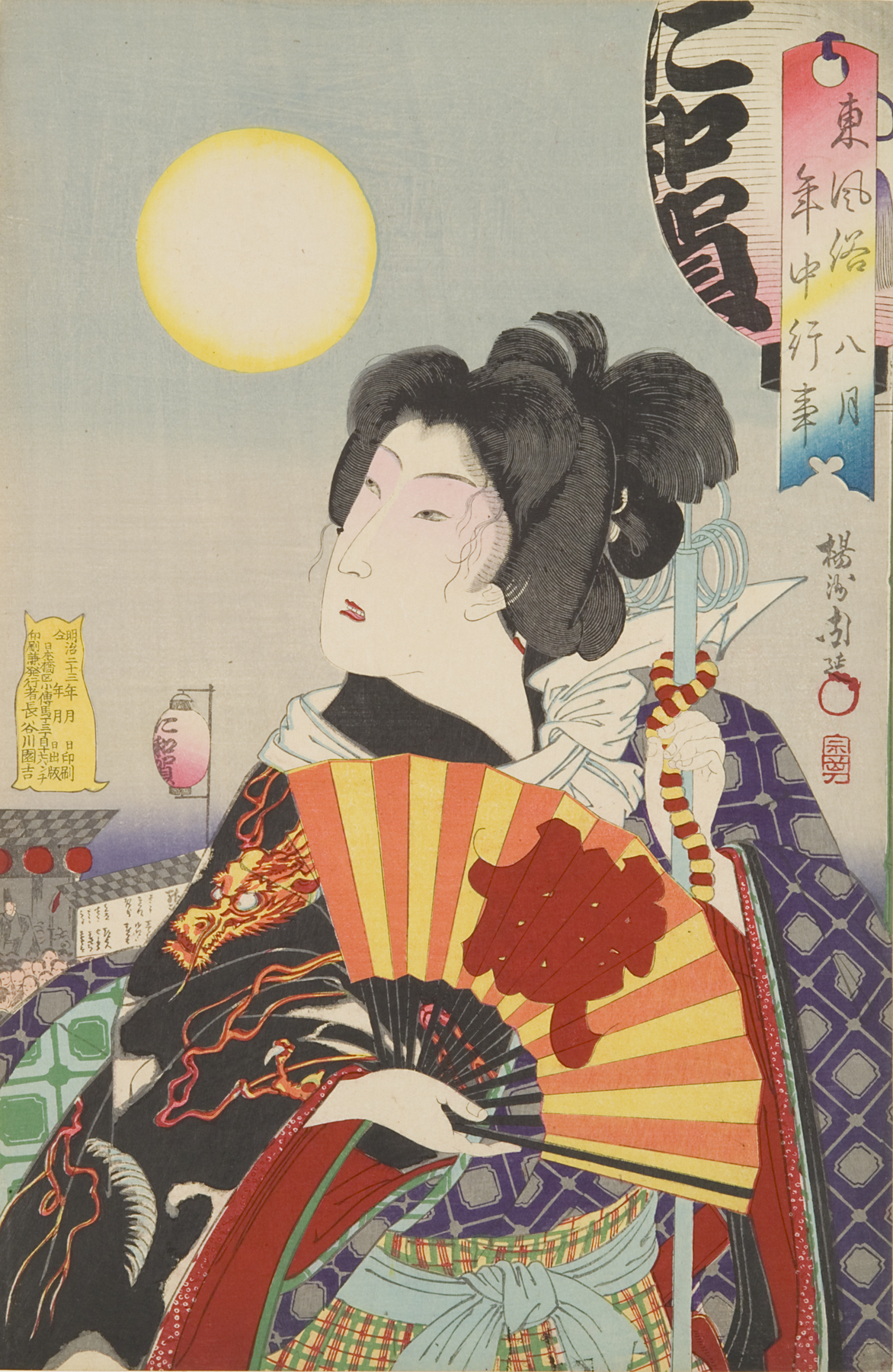
Toyohara Chikanobu (1838–1912)
hachigatsu (The Eighth Month), 1890, Meiji period (1868–1912)
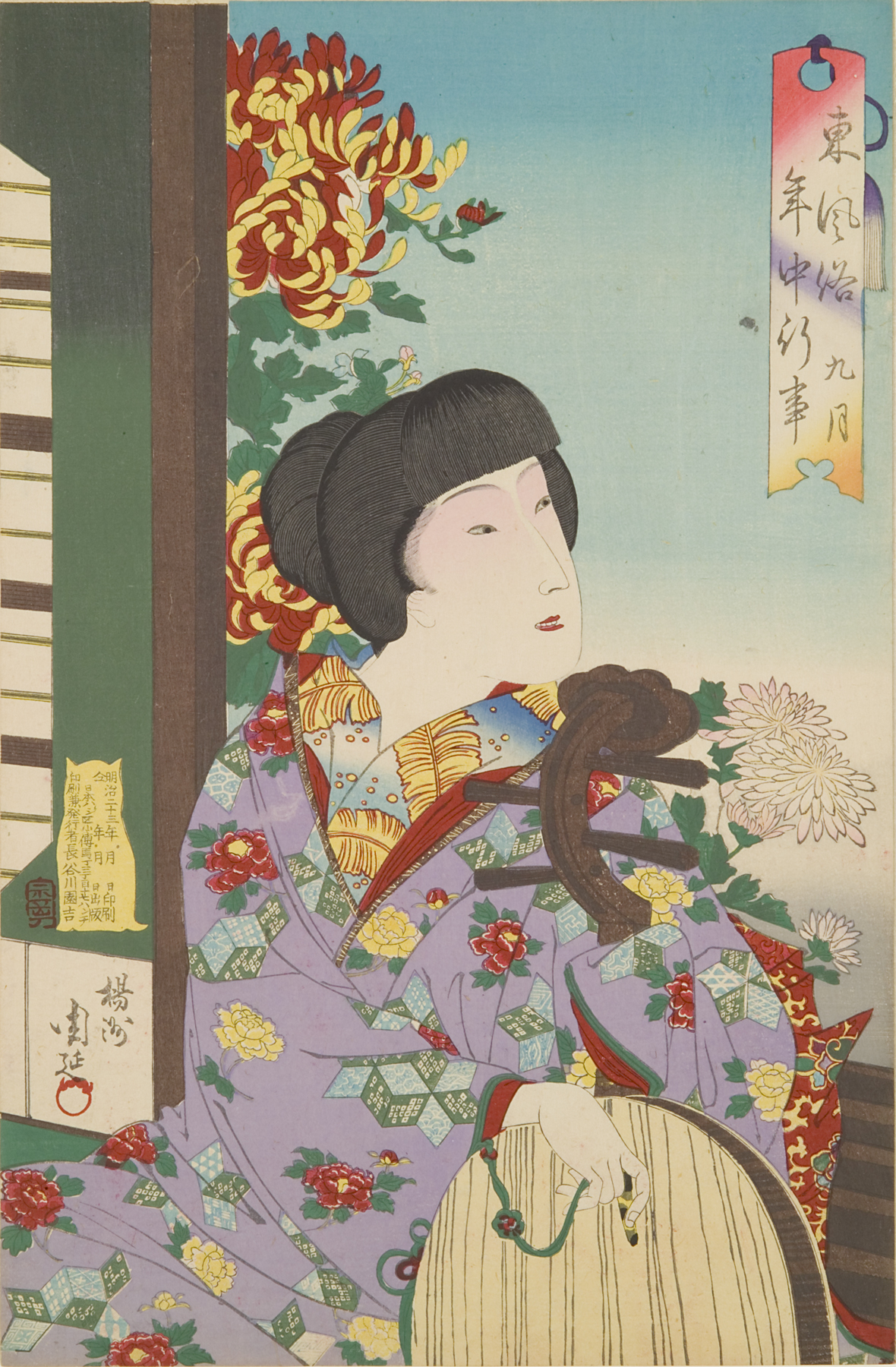
Toyohara Chikanobu (1838–1912)
kugatsu (The Ninth Month), 1890, Meiji period (1868–1912)
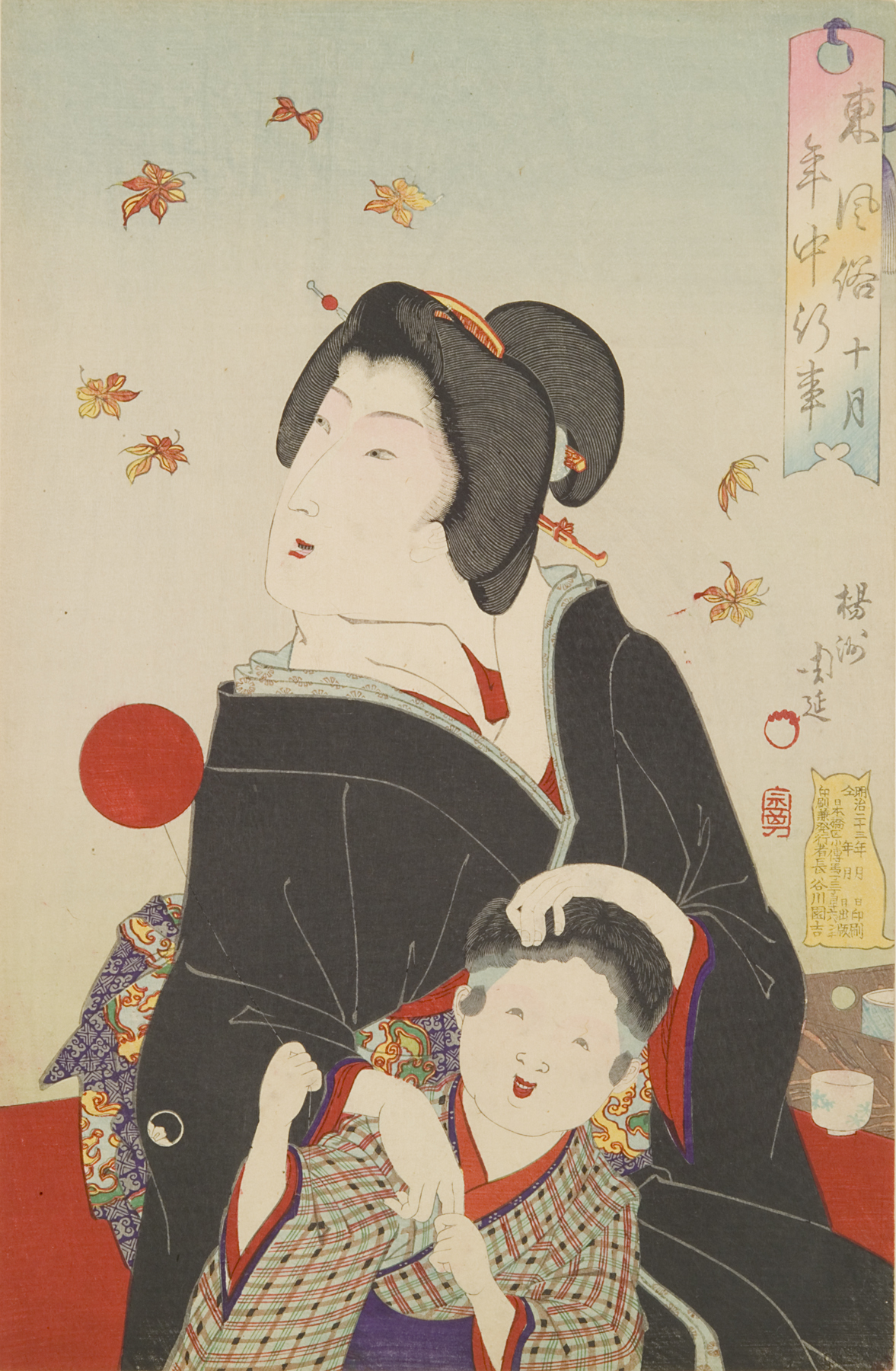
Toyohara Chikanobu (1838–1912)
jūgatsu (The Tenth Month), 1890, Meiji period (1868–1912)
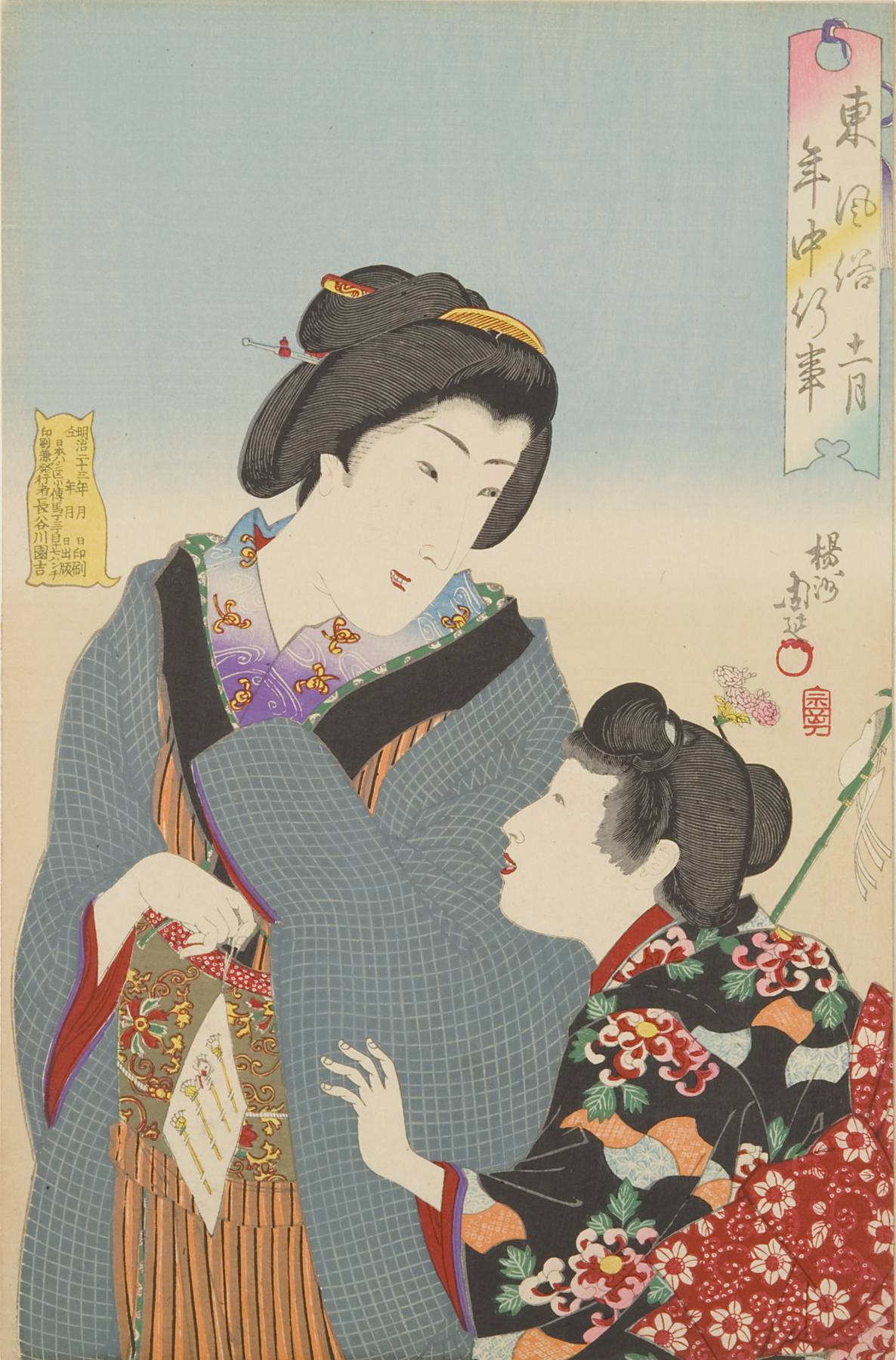
Toyohara Chikanobu (1838–1912)
jūichigatsu (The Eleventh Month), 1890, Meiji period (1868–1912)
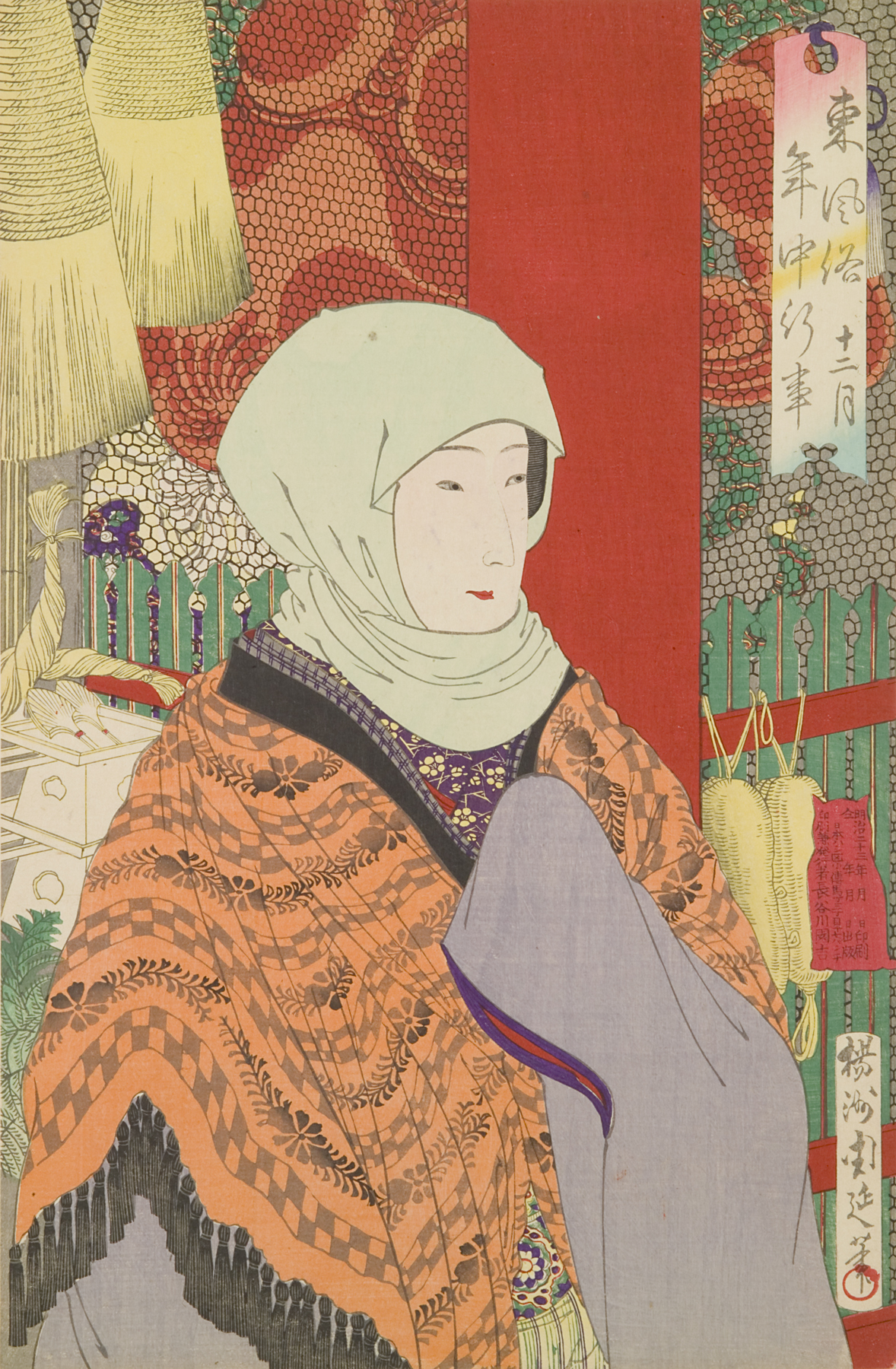
Toyohara Chikanobu (1838–1912)
jūnigatsu (The Twelfth Month), 1890, Meiji period (1868–1912)
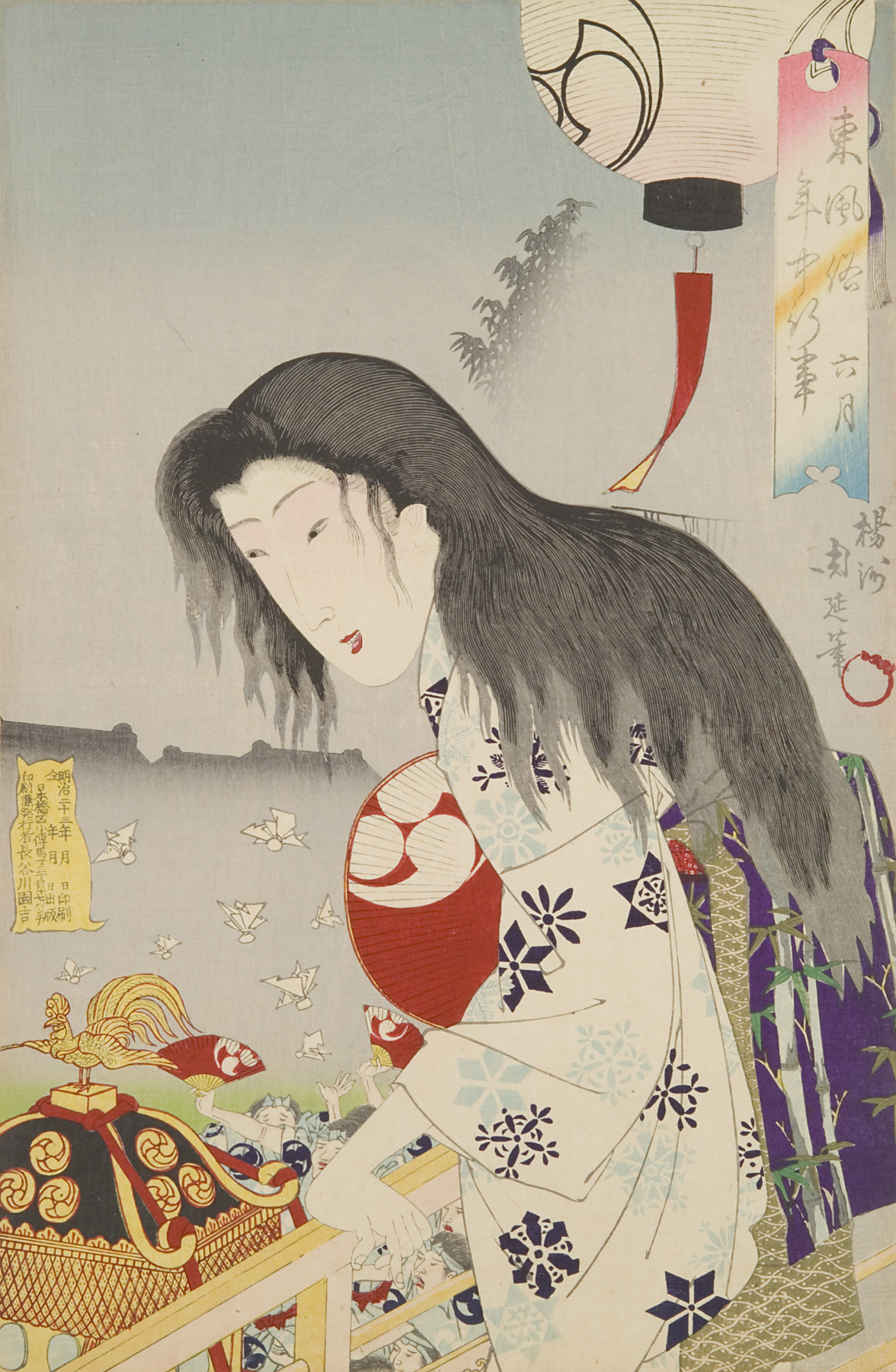
Toyohara Chikanobu (1838–1912)
rokugatsu (The Sixth Month), 1890, Meiji period (1868–1912)
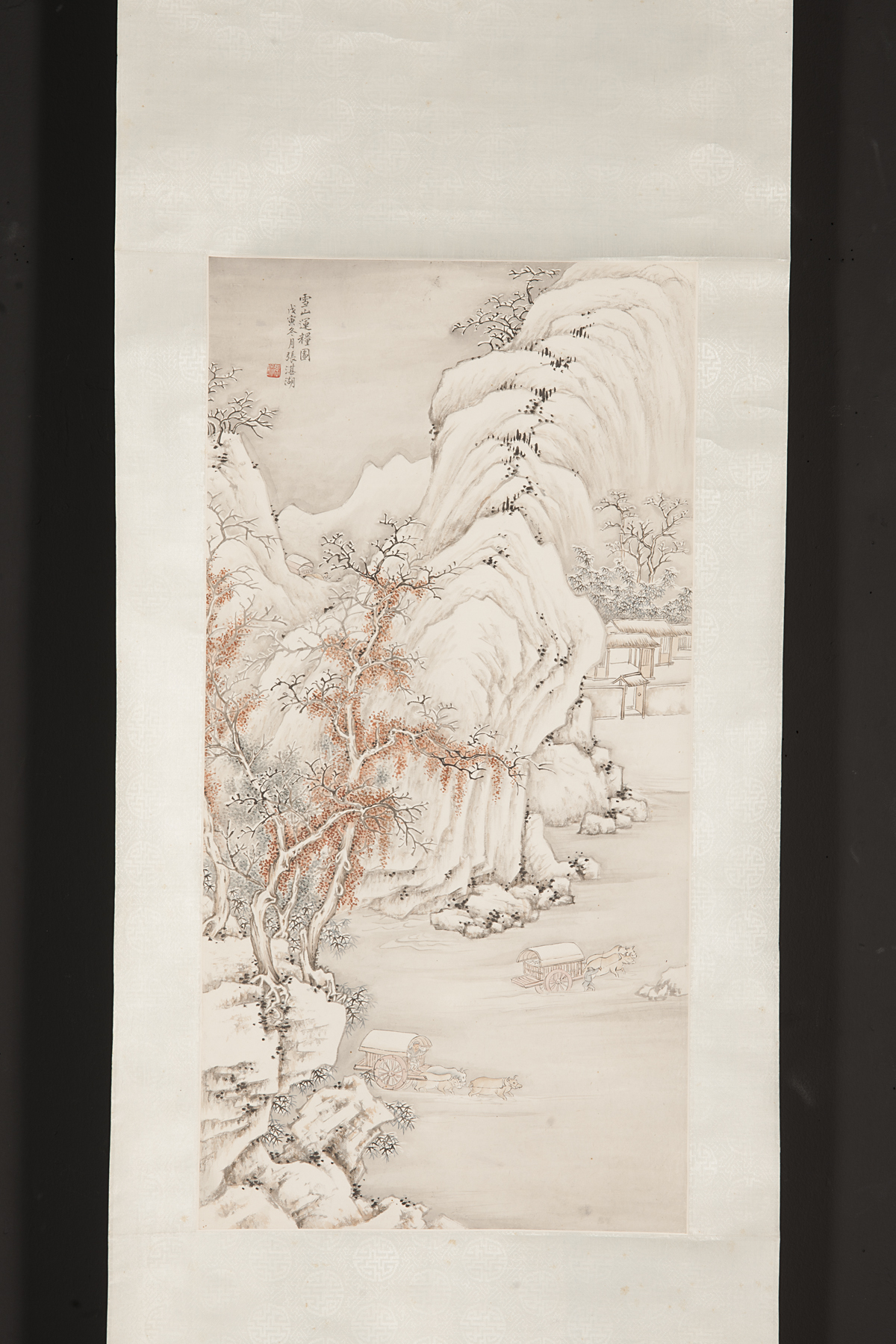
Zhang Zhanhu (active late 1800s–early 1900s)
Transporting Grains Amid Snowy Mountains, circa 1830–1890, Qing dynasty (1644–1911)
William Tyler (active late 1600s)
water clock, 1694
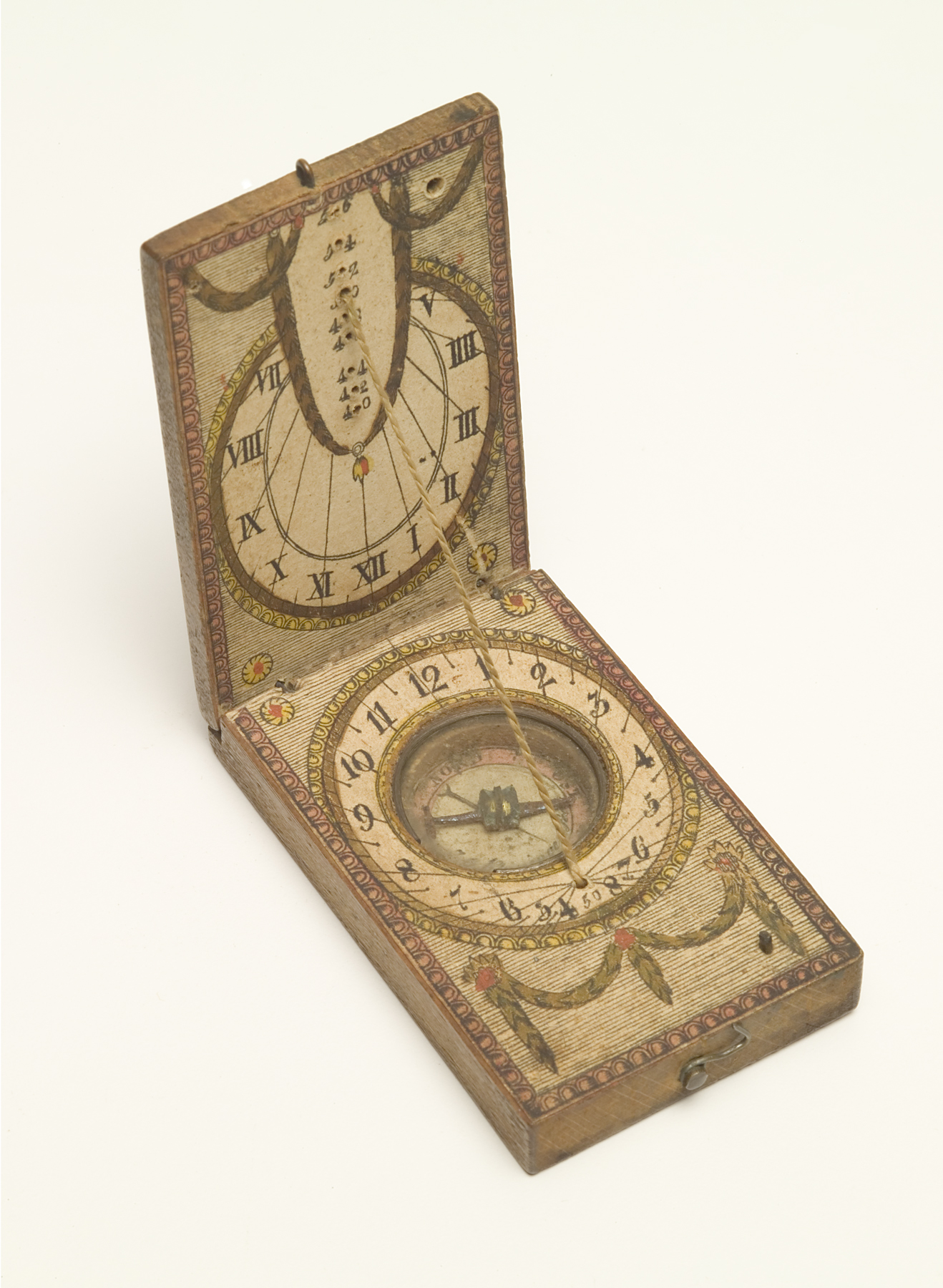
T. G. Kleininger
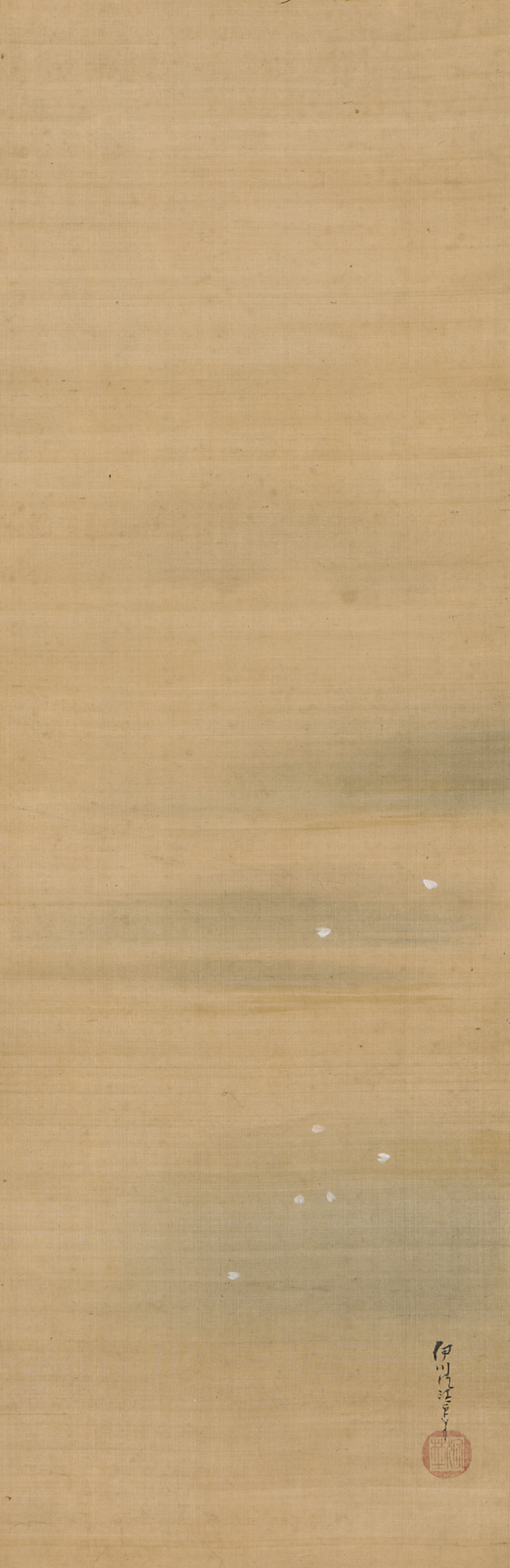
Kanō Isen'in (1775–1828)
Water with Floating Cherry Petals, late 1700s–early 1800s, Edo period (1600–1868)
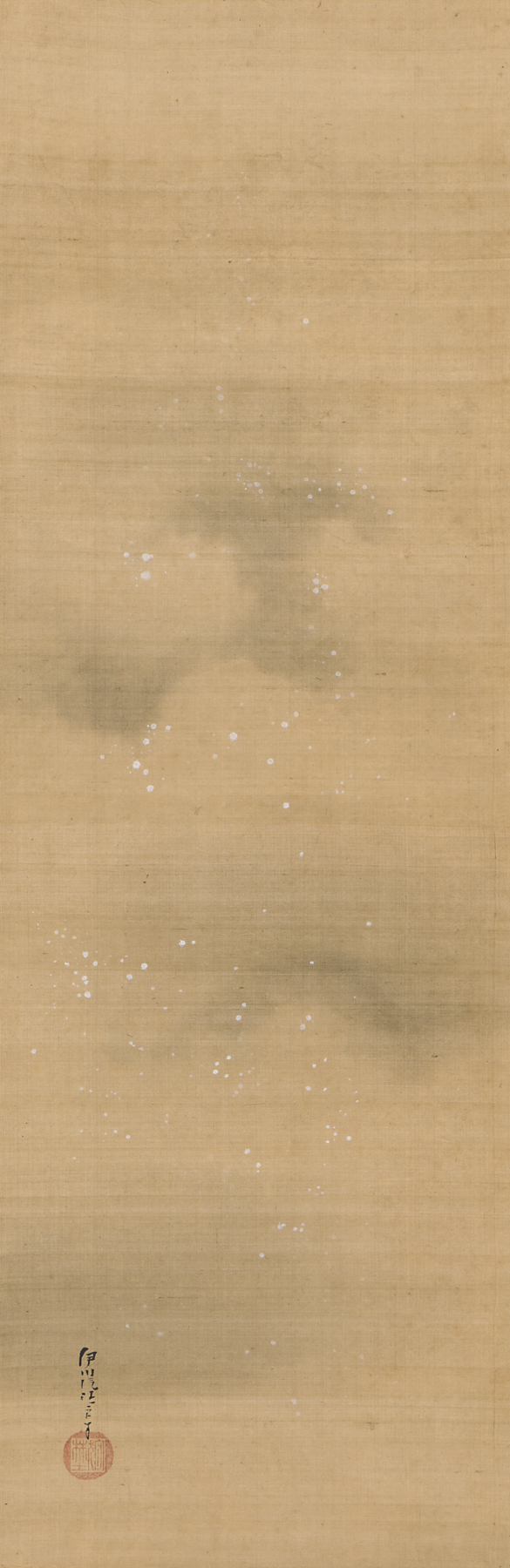
Kanō Isen'in (1775–1828)
Clouds with falling snow, late 1700s–early 1800s, Edo period (1600–1868)
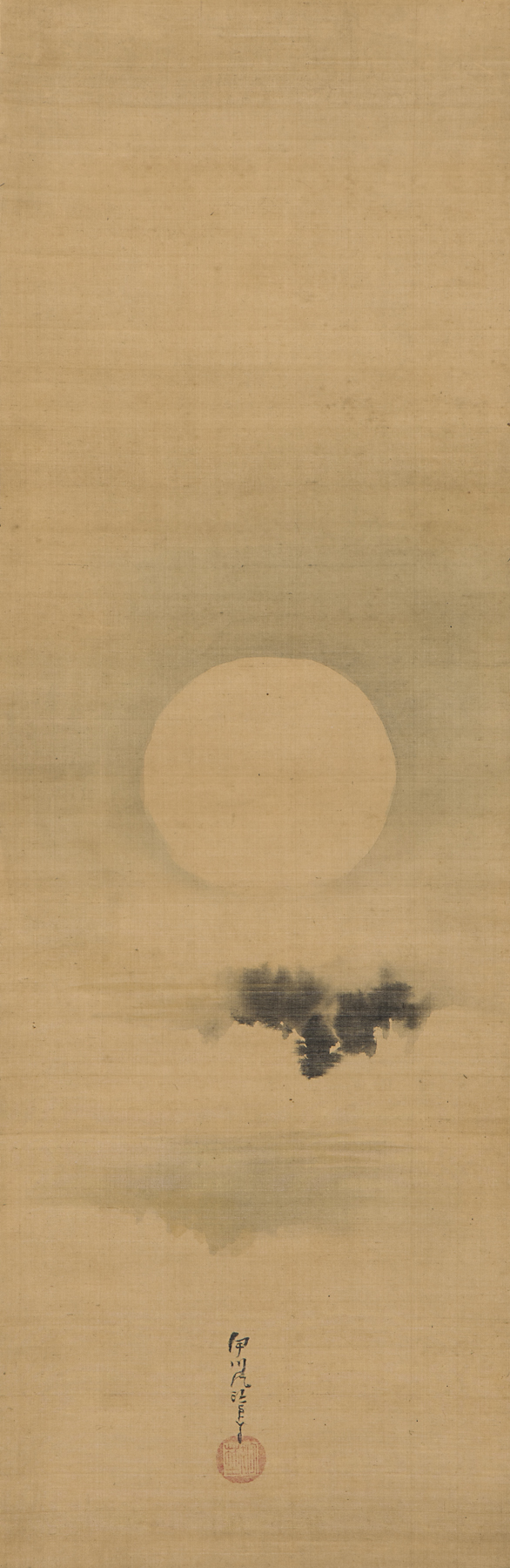
Kanō Isen'in (1775–1828)
Mid-autumn moon, late 1700s–early 1800s, Edo period (1600–1868)
Israhel van Meckenem the younger (1440 or 1445–1503); Master of the Housebook (circa 1470–1500)
The Lovers, late 1400s
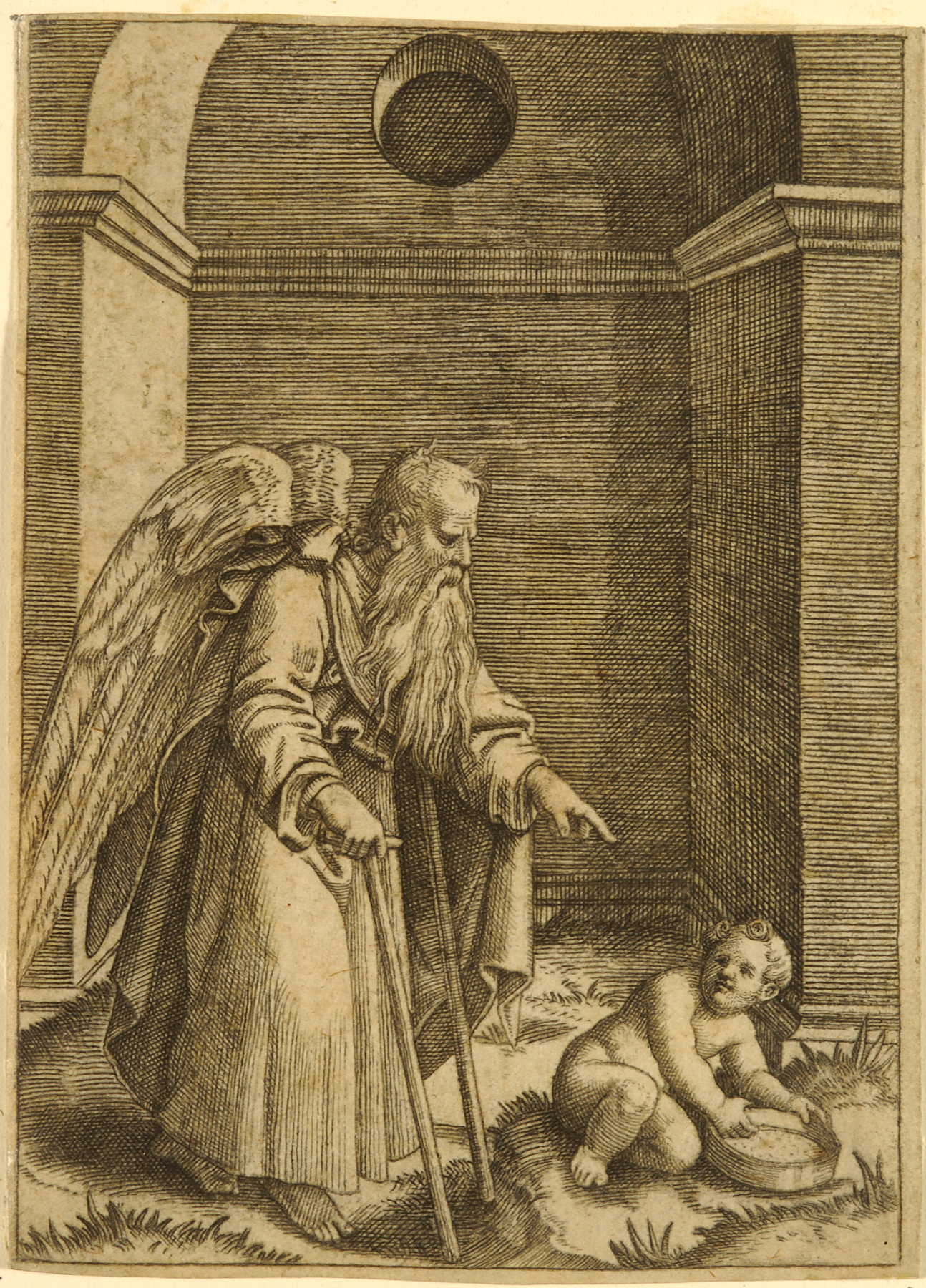
Marcantonio Raimondi (circa 1470 or 1482–1534); Raphael (1483–1520)
Father Time, late 1400s–early 1500s
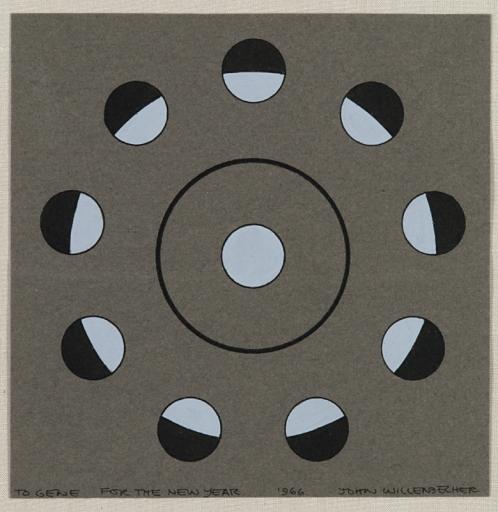
John Willenbecher (born 1936)
Larry Schwarm (born 1944)
Matsumura Goshun (1752–1811)
The Red Cliff, late 1700s–early 1800s, Edo period (1600–1868)
Larry Schwarm (born 1944)
New Orleans, 1977
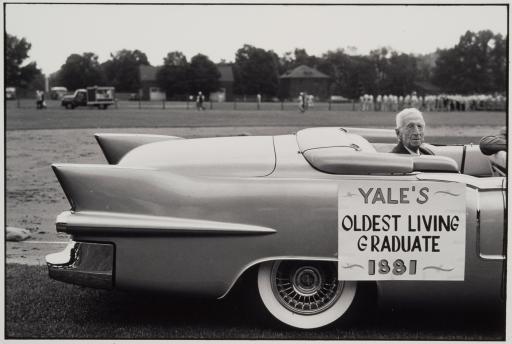
Elliott Erwitt (1928–2023)
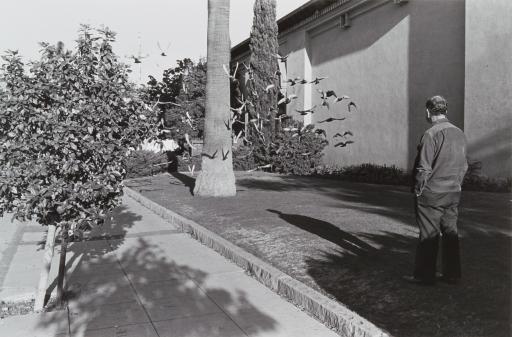
Henry Wessel (born 1942)
untitled, 1977
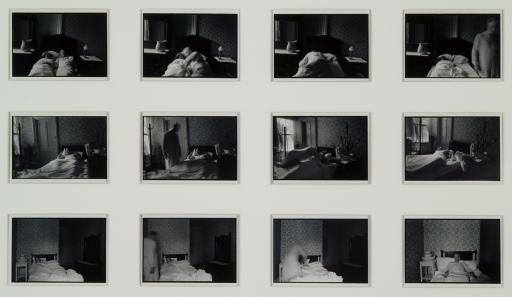
Duane Michals (born 1932)
Lee Friedlander (born 1934)
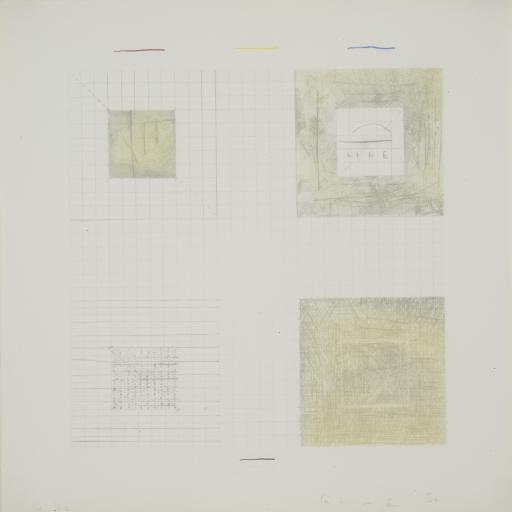
Pat Steir (born 1938); Crown Point Press
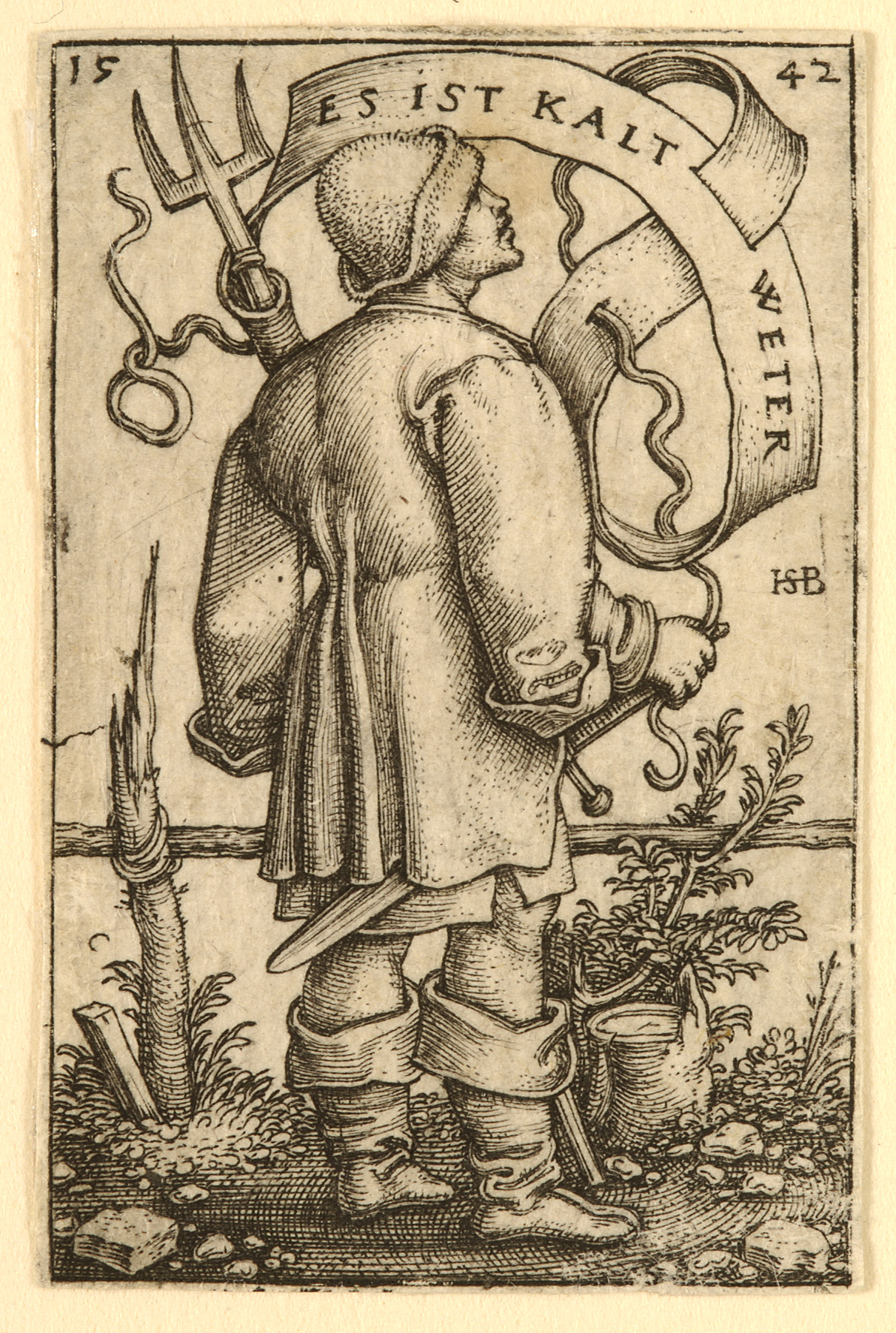
Sebald Beham (1500–1550)
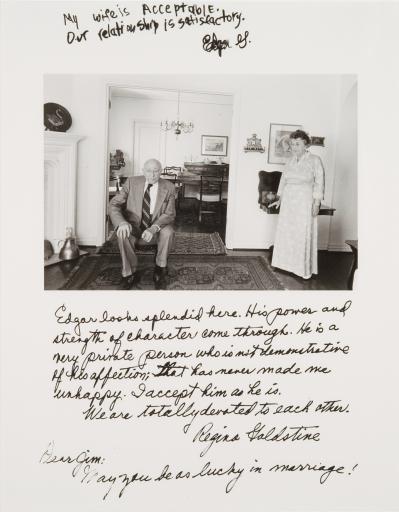
Jim Goldberg (born 1953)
untitled, 1984
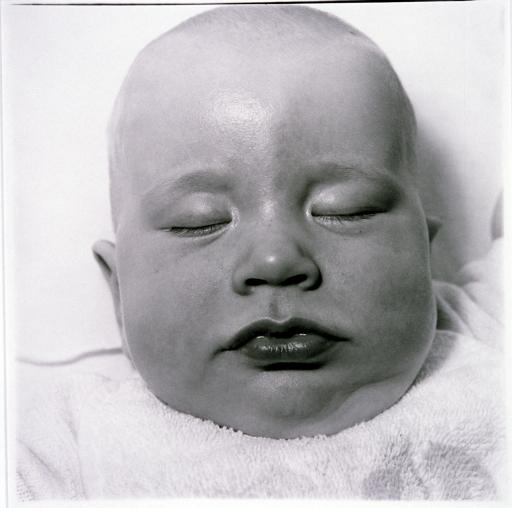
Diane Arbus (1923–1971); Neil Selkirk (born 1947)
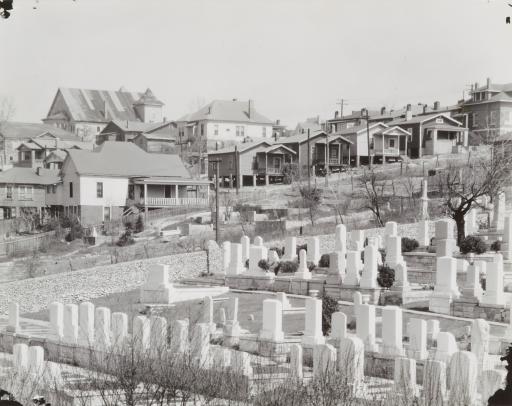
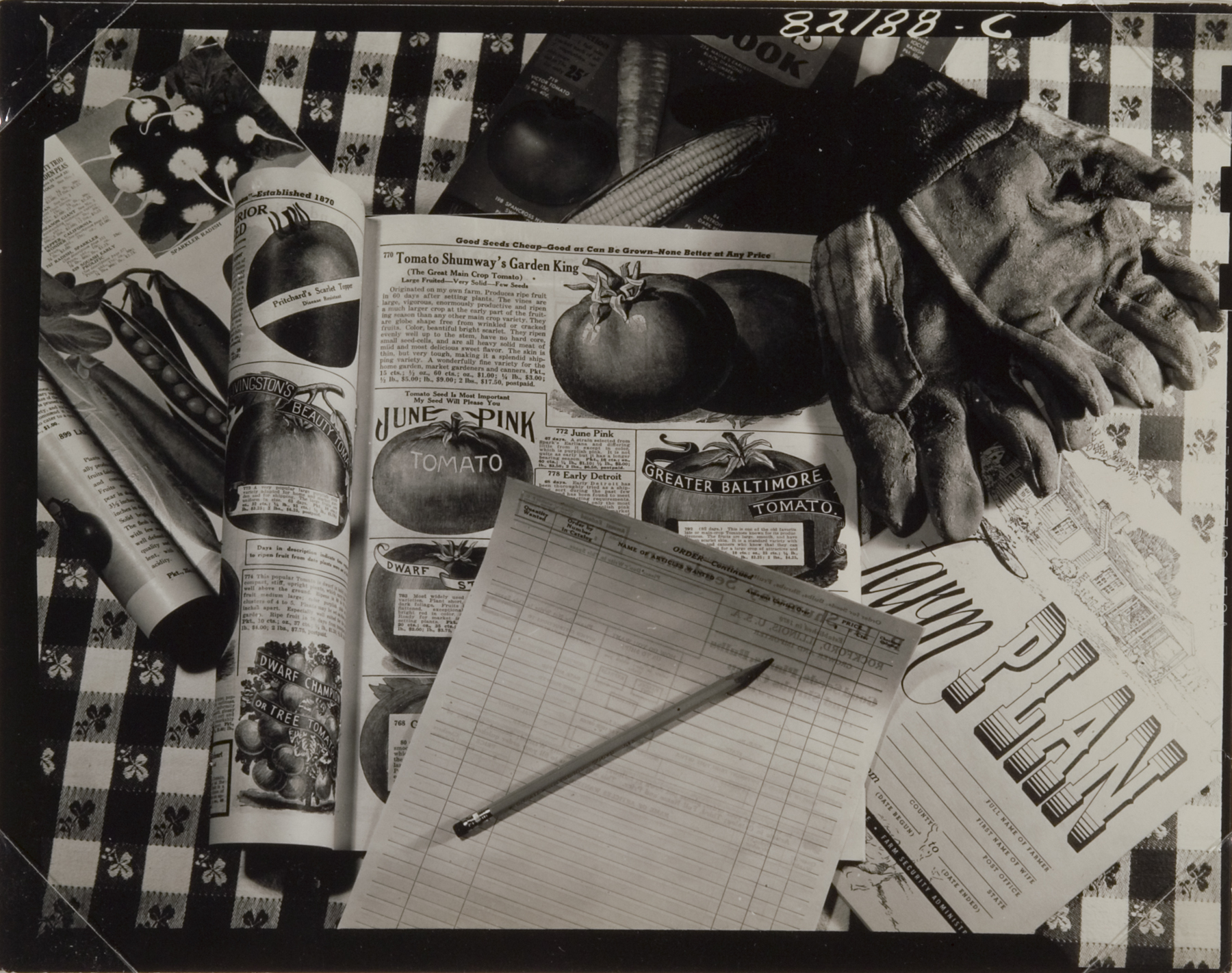
Walker Evans (1903–1975)
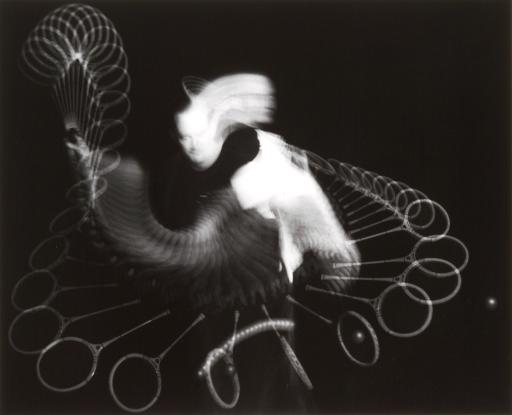
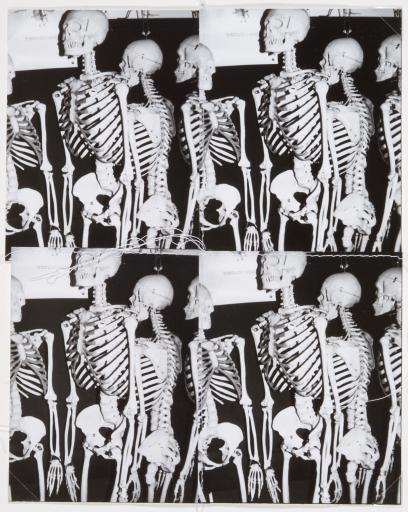
Dr. Harold Eugene Edgerton (1903–1990); Gus Kayafas (born 1947)
Andy Warhol (1928–1987)
untitled, 1987
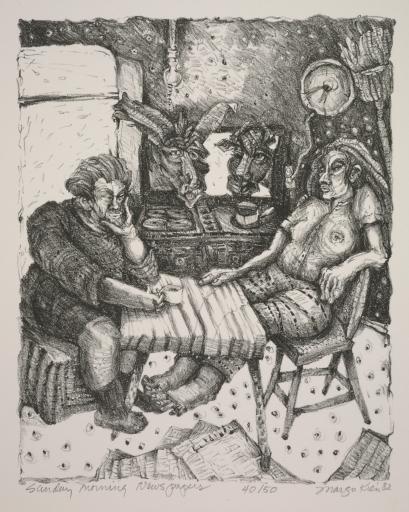
Margo Kren (born 1939)
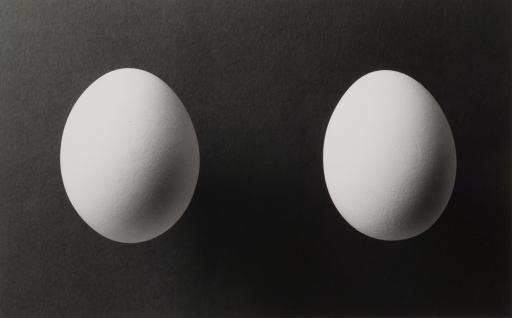
Kenji Nakahashi (1947–2017)
Two Eggs, 1984
John Collier (1913–1992)
Wang Xuehao (1754–1823)
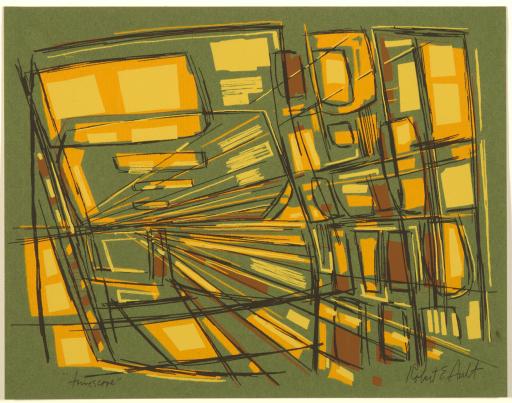
Robert E. Ault (1936–2008)
Timescape, circa 1980s
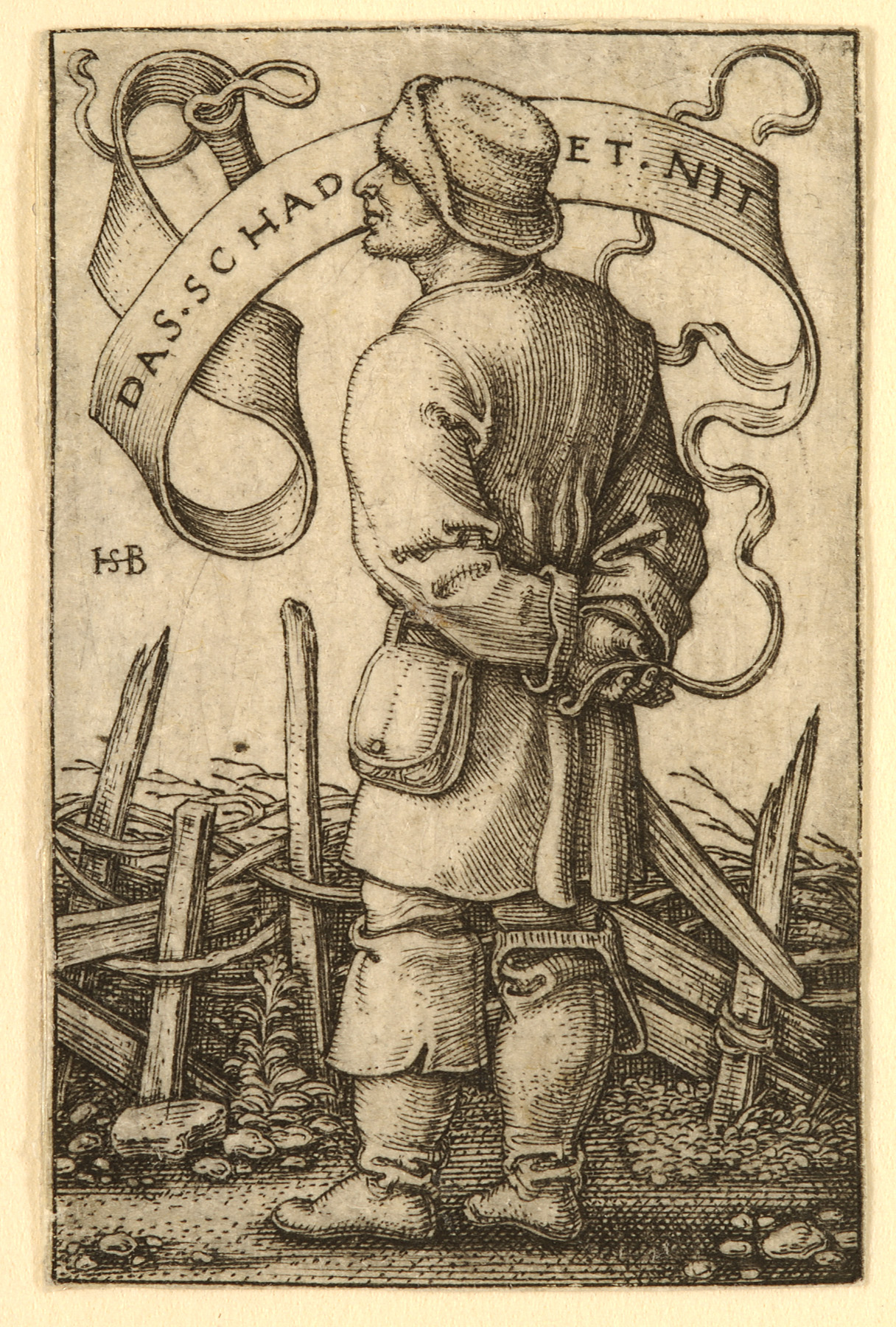
Sebald Beham (1500–1550)
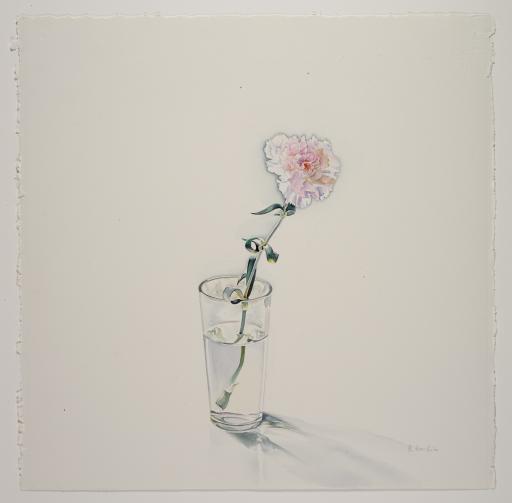
Barbara Hawkins (1947–2017)
Pink Carnation, date unknown
Watanabe Gentai (1749–1822)
武陵桃源 Buryô tôgen (Wuling’s Peach Blossom Spring), late 1700s–early 1800s, Edo period (1600–1868)
Juan Genovés (1930–2020)
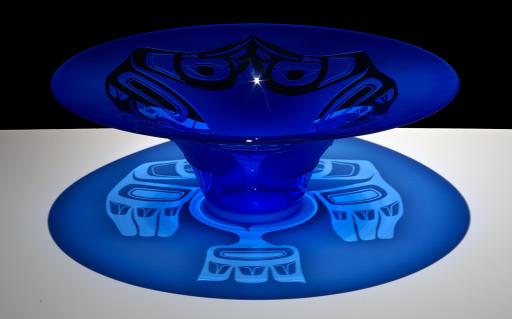
Preston Singletary (born 1963)
Eagle Hat, 2003
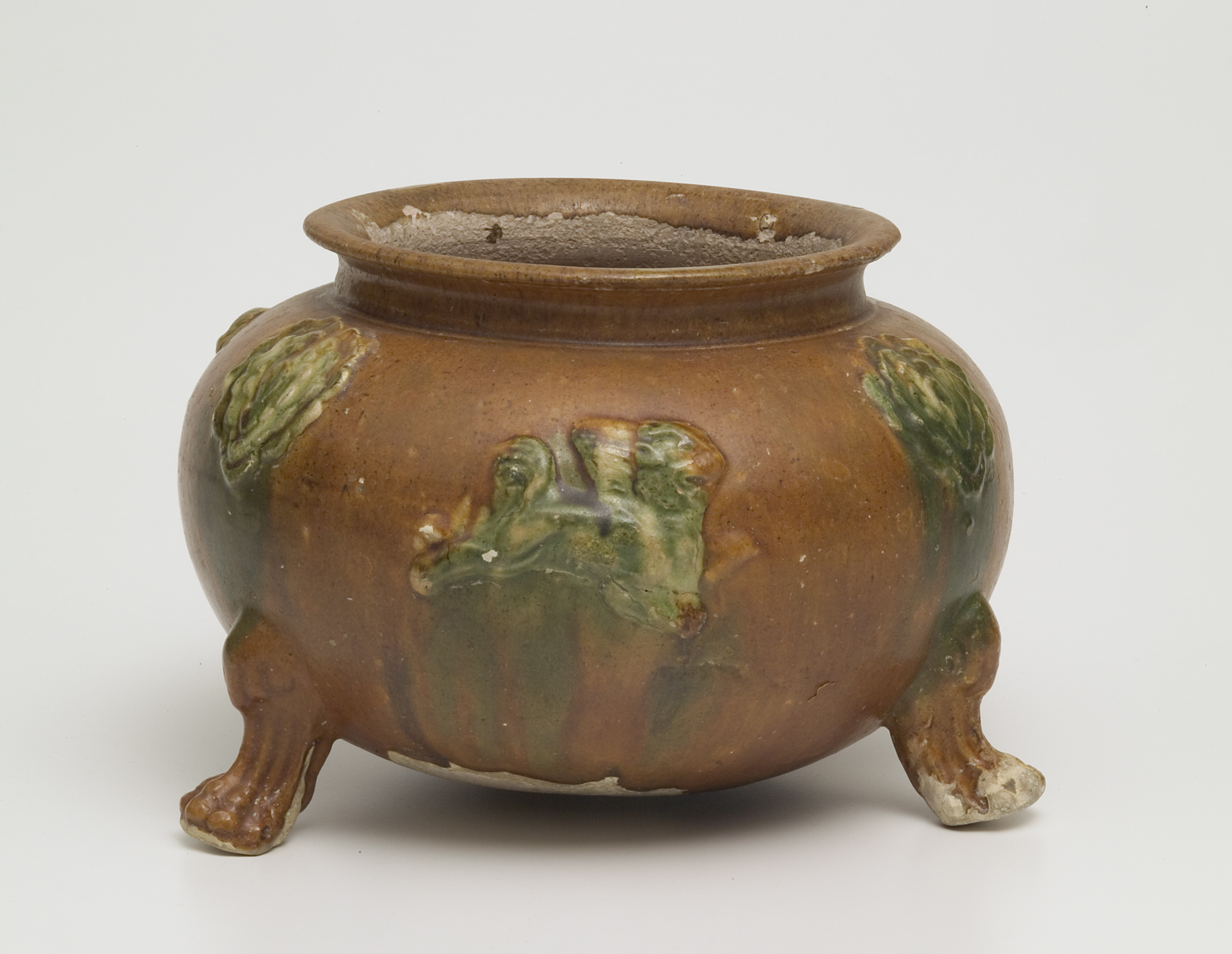
Alan Brummell (born 1948)
tripod vessel, early 700s, Tang dynasty (618 CE–907 CE)
Petah Coyne (born 1953)
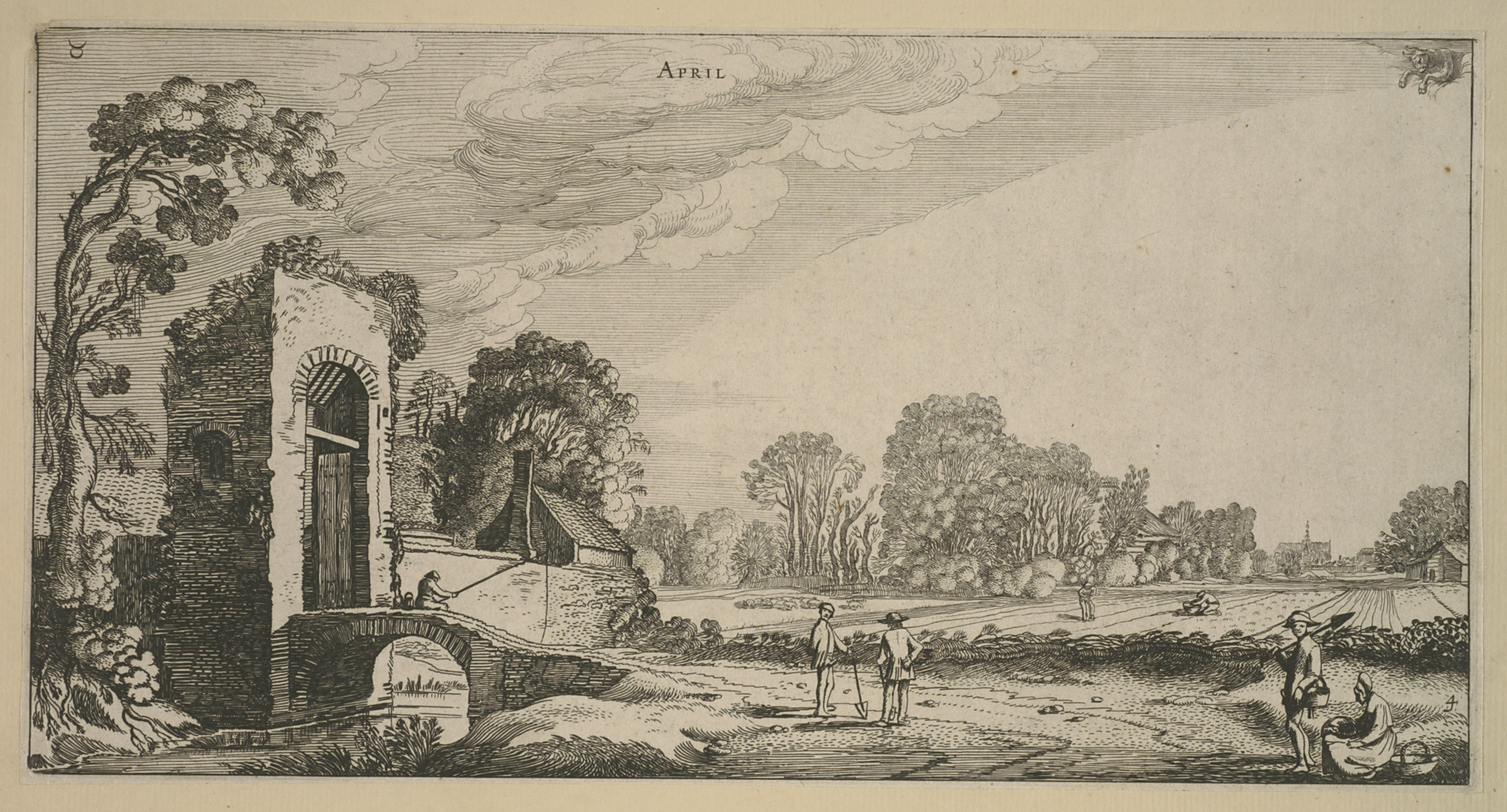
Jan van de Velde II (1593–1641); Claes Jansz. Visscher the younger (1587–1652)
April, 1616
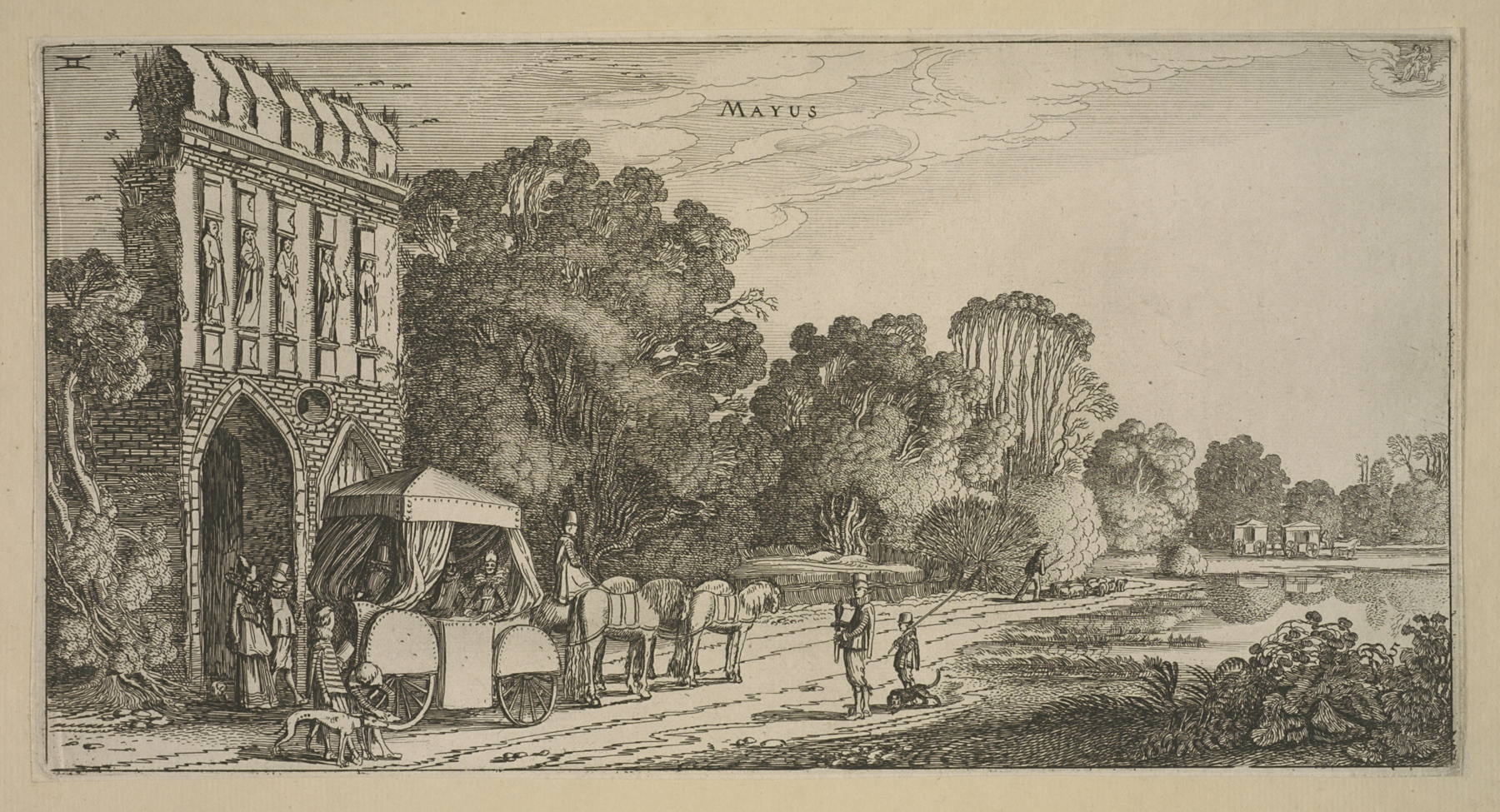
Jan van de Velde II (1593–1641); Claes Jansz. Visscher the younger (1587–1652)
Mayus (May), 1616
Jan van de Velde II (1593–1641); Claes Jansz. Visscher the younger (1587–1652)
September, 1616
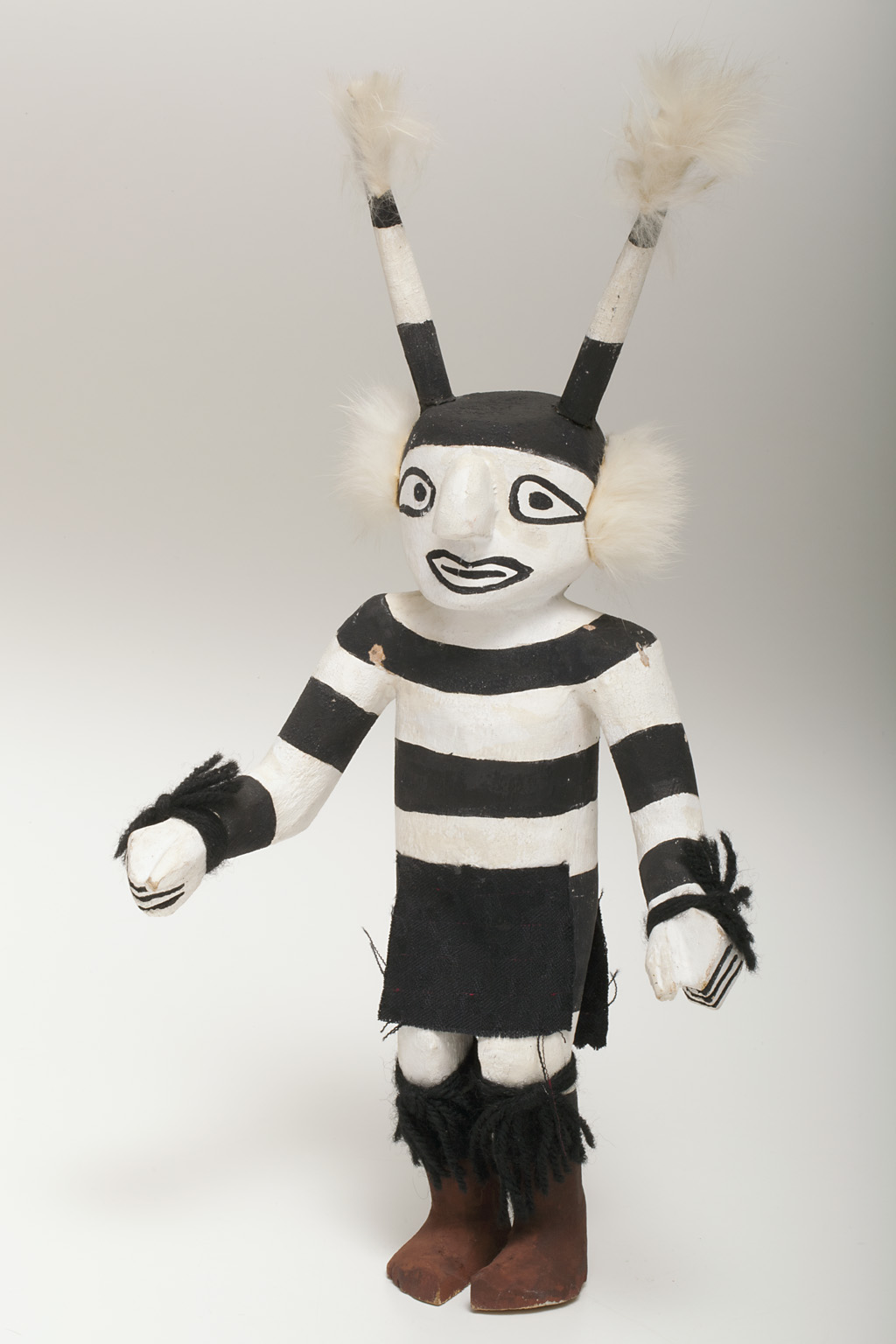
unrecorded Hopi artist
koshari (Hano clown katsina), late 1800s–1999
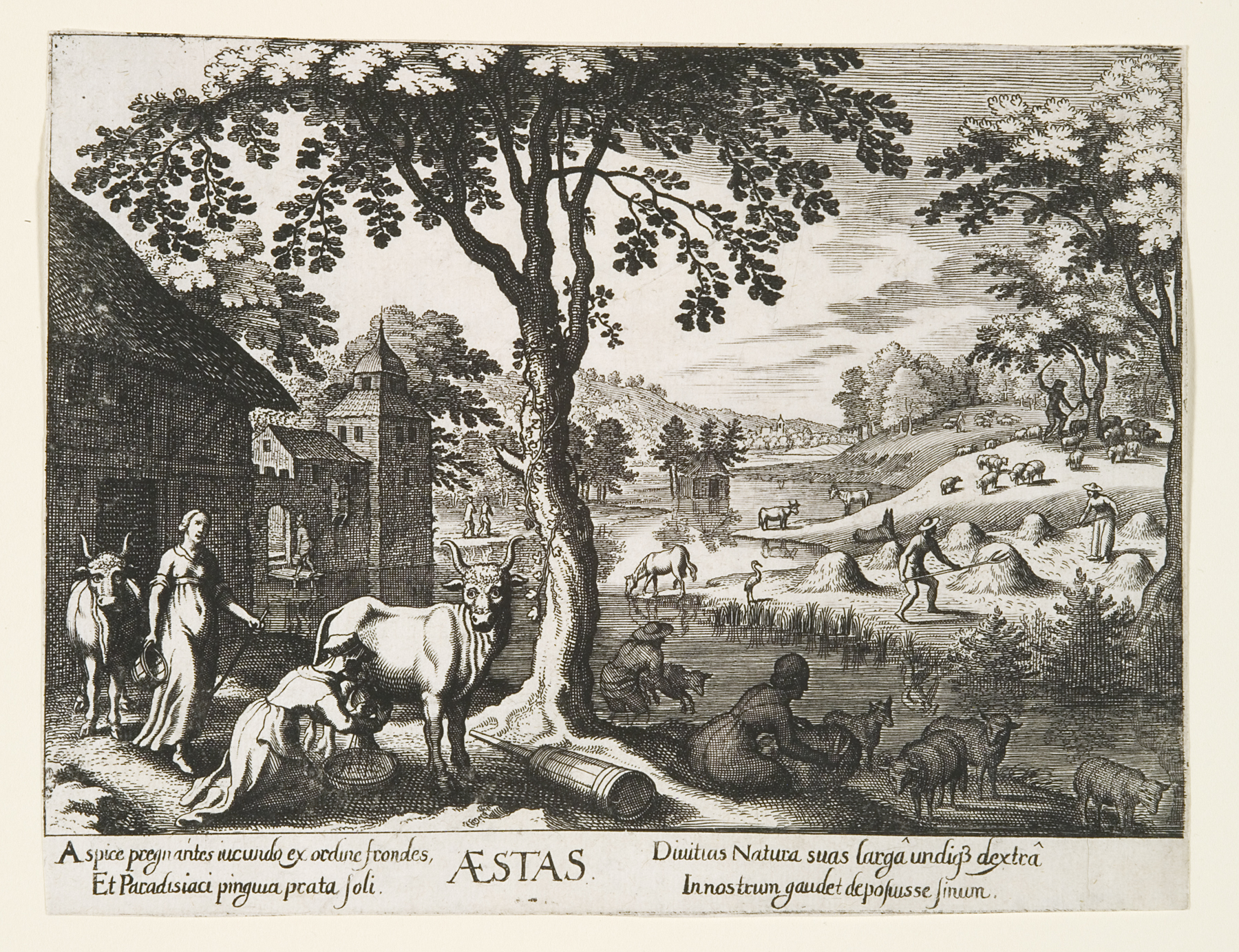
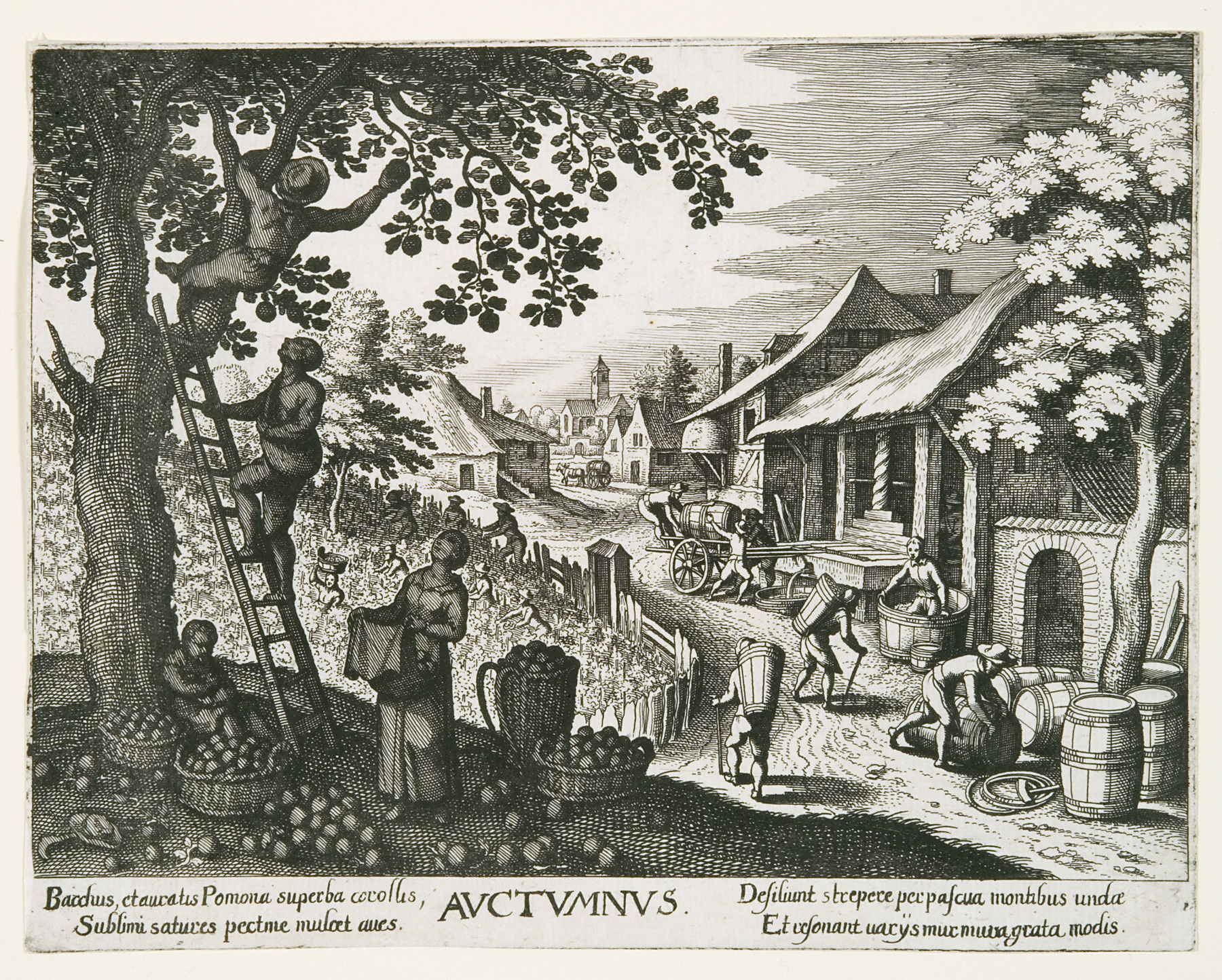
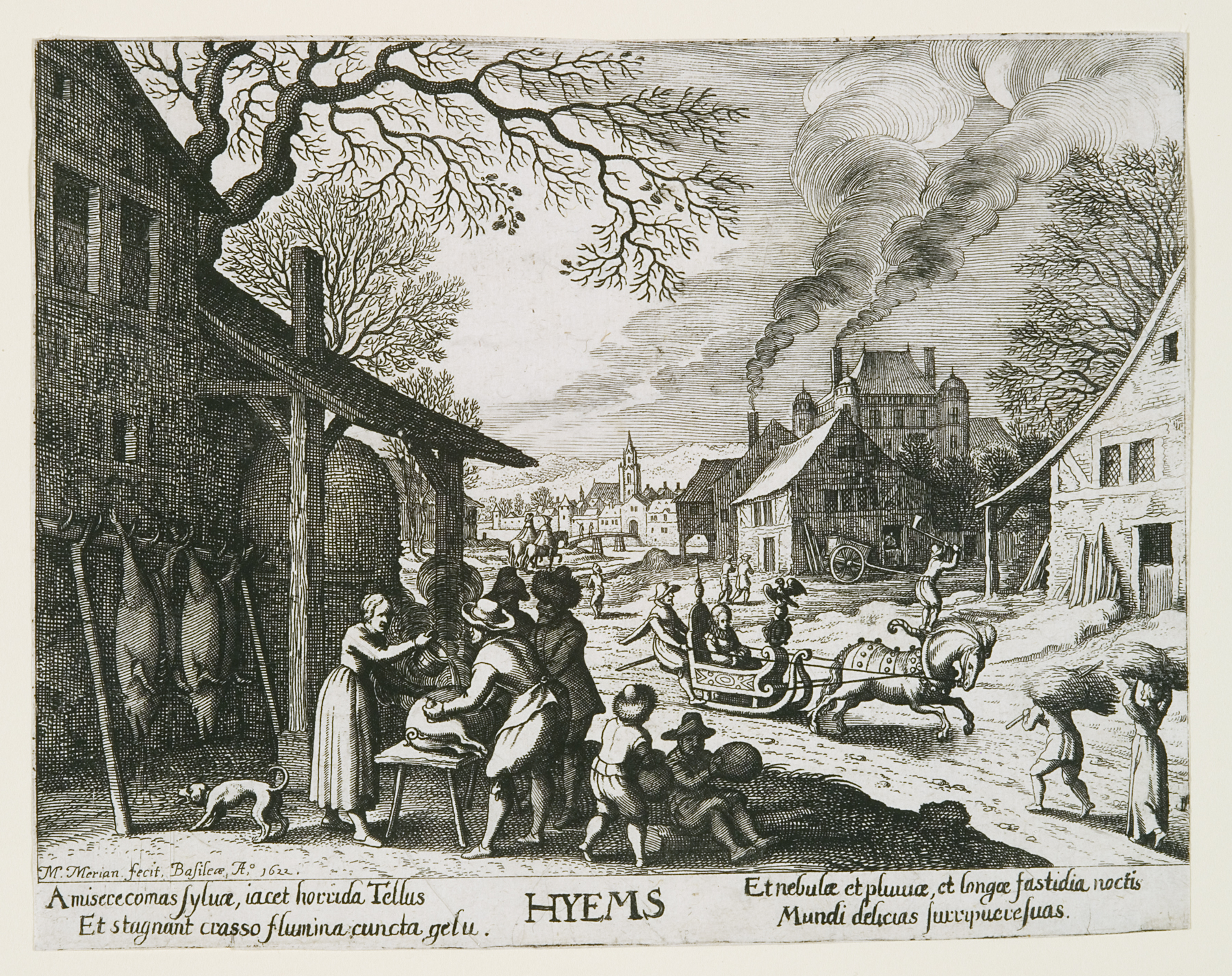
Matthäus Merian, the elder (1593–1650)

Events

August 21, 2008
Screening
7:00–9:00PM
309 Auditorium
September 13, 2008
Workshop
10:30AM–12:30PM
Gallery 317 Central Court
September 13, 2008
Workshop
1:30–3:30PM
Gallery 317 Central Court
September 18–September 8, 2008
Screening
5:30–7:30PM
309 Auditorium
October 10, 2008
Talk
10:00–11:30AM
Gallery 317 Central Court
October 30, 2008
Social
6:00–8:00PM
Gallery 317 Central Court
December 1, 2008
Talk
2:00–3:30PM
Spencer Museum of Art, Sam and Connie Perkins Central Court, 317

Resources

Audio

Didactic – Art Minute
Episode 156 Jul-2008 I’m David Cateforis with another Art Minute from the Spencer Museum of Art. Schedules, appointments, deadlines, PDAs, day planners, calendars, wristwatches... Such timekeeping devices give structure to our lives, and we rely on them to chart our days and even our existence. In the words of astronomer and anthropologist Anthony Aveni, “Time gets spent, wasted, killed, kept, and lost. We have leisure time, quality time, good times, bad times, hard times, and even hot times.” Our interest in keeping time has a long history. Prehistoric humans, by simple observation of the stars, changes in seasons, and conditions of day and night began to devise methods of measuring time to pursue such activities as farming, hunting, and the celebration of sacred feasts. Our concern with time has continued unabated to the present. The new Spencer exhibition, Time/Frame, explores some of the ways in which artists have pondered and pictured time. Assembling works from North and South America, Africa, Europe, Asia, and Australia, in various media, the exhibition considers how time is manifested visually in art and material culture from around the world. From the Spencer Museum of Art, I’m David Cateforis.
Didactic – Art Minute
Episode 156 Jul-2008 I’m David Cateforis with another Art Minute from the Spencer Museum of Art. Schedules, appointments, deadlines, PDAs, day planners, calendars, wristwatches... Such timekeeping devices give structure to our lives, and we rely on them to chart our days and even our existence. In the words of astronomer and anthropologist Anthony Aveni, “Time gets spent, wasted, killed, kept, and lost. We have leisure time, quality time, good times, bad times, hard times, and even hot times.” Our interest in keeping time has a long history. Prehistoric humans, by simple observation of the stars, changes in seasons, and conditions of day and night began to devise methods of measuring time to pursue such activities as farming, hunting, and the celebration of sacred feasts. Our concern with time has continued unabated to the present. The new Spencer exhibition, Time/Frame, explores some of the ways in which artists have pondered and pictured time. Assembling works from North and South America, Africa, Europe, Asia, and Australia, in various media, the exhibition considers how time is manifested visually in art and material culture from around the world. From the Spencer Museum of Art, I’m David Cateforis.
Documents