presepio figure, male, unknown maker from Italy

Artwork Overview

Image not available
presepio figure, male , late 1700s
Where object was made: Naples, Italy
Material/technique: wire; paint; silk; faille; terracotta; imitation fur; twine; wood; embroidering
Dimensions:
Object Height (Height): 36.9 cm
Object Height (Height): 14 1/2 in
Credit line: William Bridges Thayer Memorial
Accession number: 0000.1807.a
Not on display

If you wish to reproduce this image, please submit an image request
Images

Label texts

Collection Cards: Collect

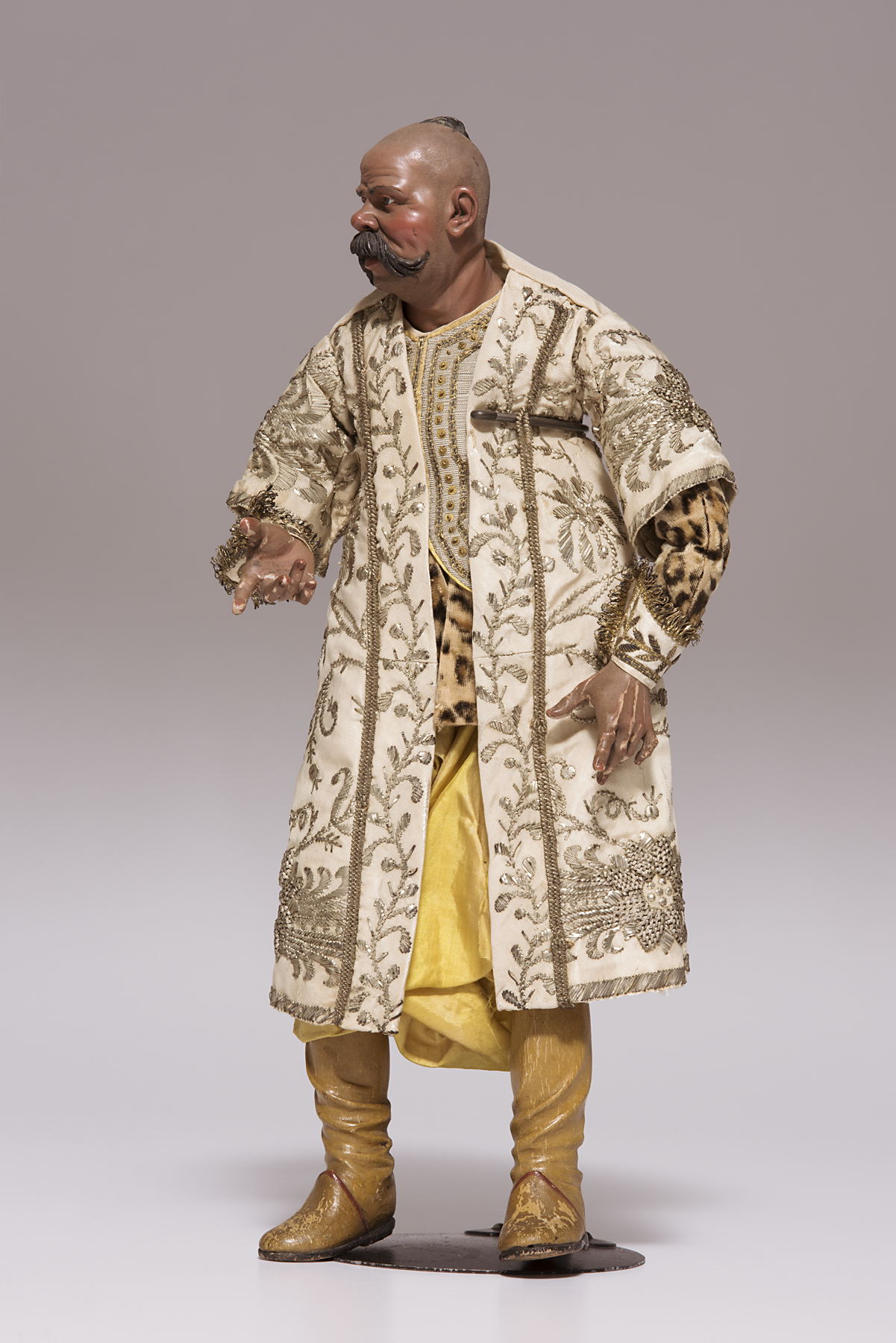
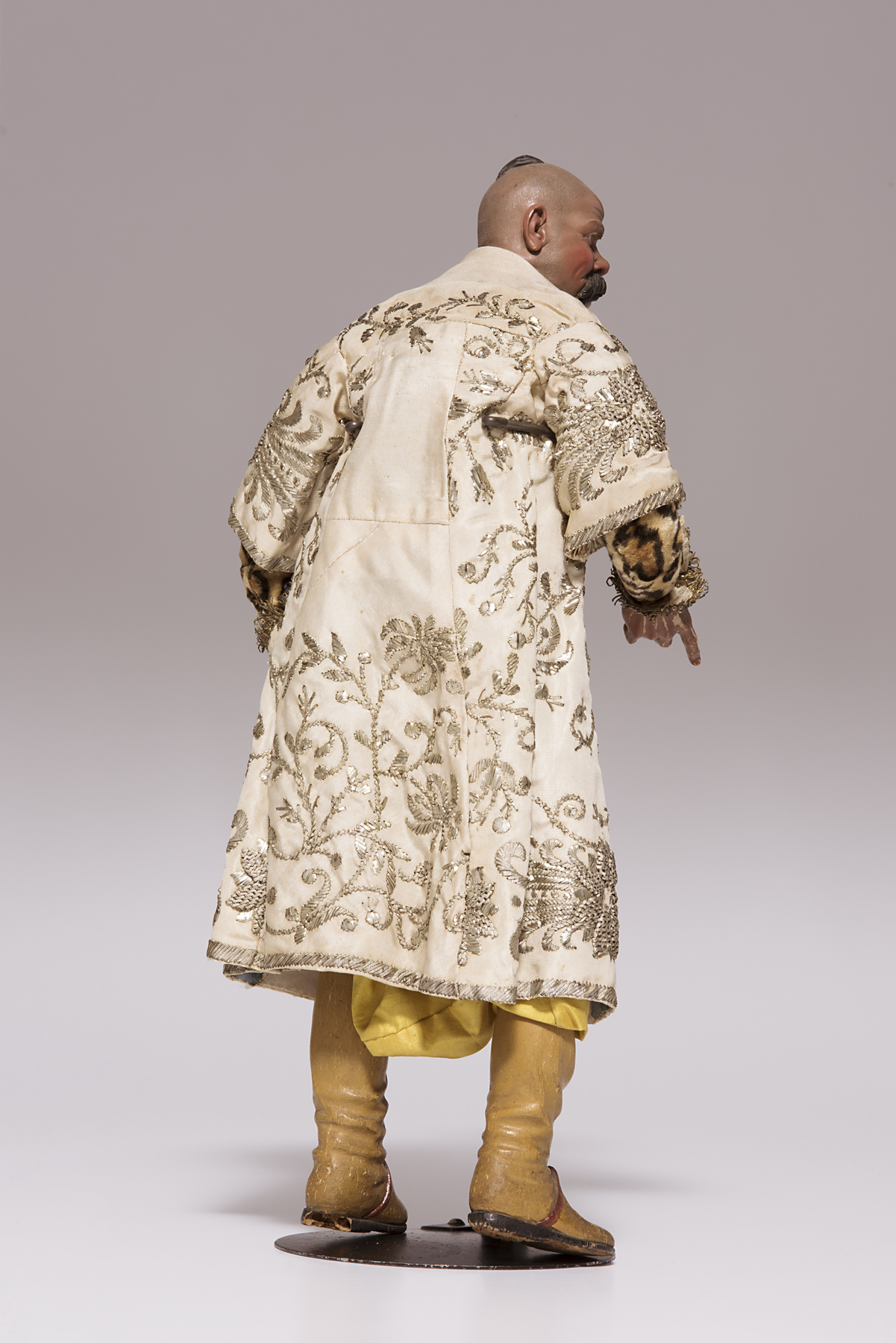
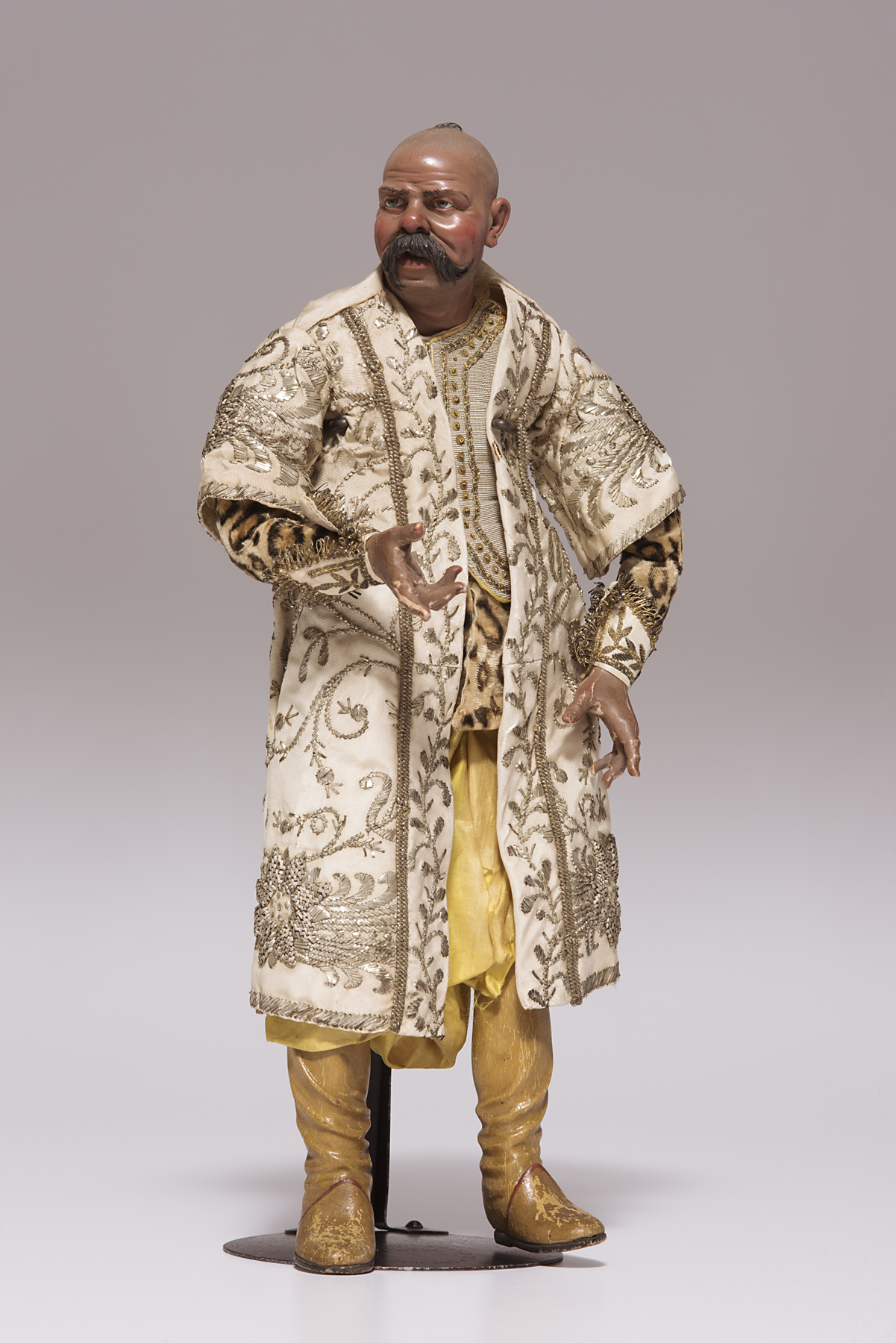
Presepio scenes and figures were originally popular collectors’ items in Naples that signified the wealth and tastes of their owners. The larger, more elaborate, and luxurious the figures, the better. This figure of a magus is notable for the leopard print fabric that adorns his middle section and sleeves. In the 18th century, leopard print brocades and velvets were worn occasionally as “exotic” fashion statements by the rich. The use of this fabric in a presepio figure costume would have been a bold statement to other collectors at the time.

In the 20th century, presepio figures became a popular item for women art collectors. In New York, Loretta Himes Howard gave the Metropolitan Museum her Neapolitan religious figure collection in 1964, and Mrs. Charles W. Engelhard donated her collection of figures to the White House Christmas Collection in 1967. However, Sallie Casey Thayer beat them to it, donating her collection to the University of Kansas in 1917.

Civic Leader and Art Collector: Sallie Casey Thayer and an Art Museum for KU

Presepio collectors in 18th-century Naples sought to impress their visitors with more elaborate presepio displays. This figure, a magus, or member of the priestly class in ancient Persia, probably once held the reins of a horse in his outstretched hand. The leopard print fabric that adorns his middle section and sleeves is notable. In the 18th century, leopard print brocades and velvets were worn as cosmopolitan fashion statements by the rich.

Civic Leader and Art Collector: Sallie Casey Thayer and an Art Museum for KU

Presepio collectors in 18th-century Naples sought to impress their visitors with more elaborate presepio displays. This figure, a magus, or member of the priestly class in ancient Persia, probably once held the reins of a horse in his outstretched hand. The leopard
print fabric that adorns his middle section and sleeves is notable. In the 18th century, leopard print brocades and velvets were worn as cosmopolitan fashion statements by the rich.

Tap the image above and swipe to view other sides of the figure.

Exhibitions