Teaching Gallery: Japanese Paintings and Buddhism
Exhibition
Exhibition Overview

Teaching Gallery: Japanese Paintings and Buddhism
October 30, 2012–November 11, 2012
White Gallery, Spencer Museum of Art, University of Kansas, Lawrence, Kansas
Selected for HA 482 Japanese Painting
Works of art

Chōbunsai Eishi
Bijin with a Pipe,
1700s, Edo period (1600–1868)

Okamoto Shūki
Peacock on a Rock,
early 1800s, Edo period (1600–1868)

Gōshō Mandara (Mandala of Amitābha’s Welcoming Descent),
possibly 1800s, Edo period (1600–1868)

Utagawa Hiroshige
#15 Yoshiwara Fuji no numa Ukishimagahara (Yoshiwara: the Fuji marsh and Ukishima plain),
1855–1857, Edo period (1600–1868)
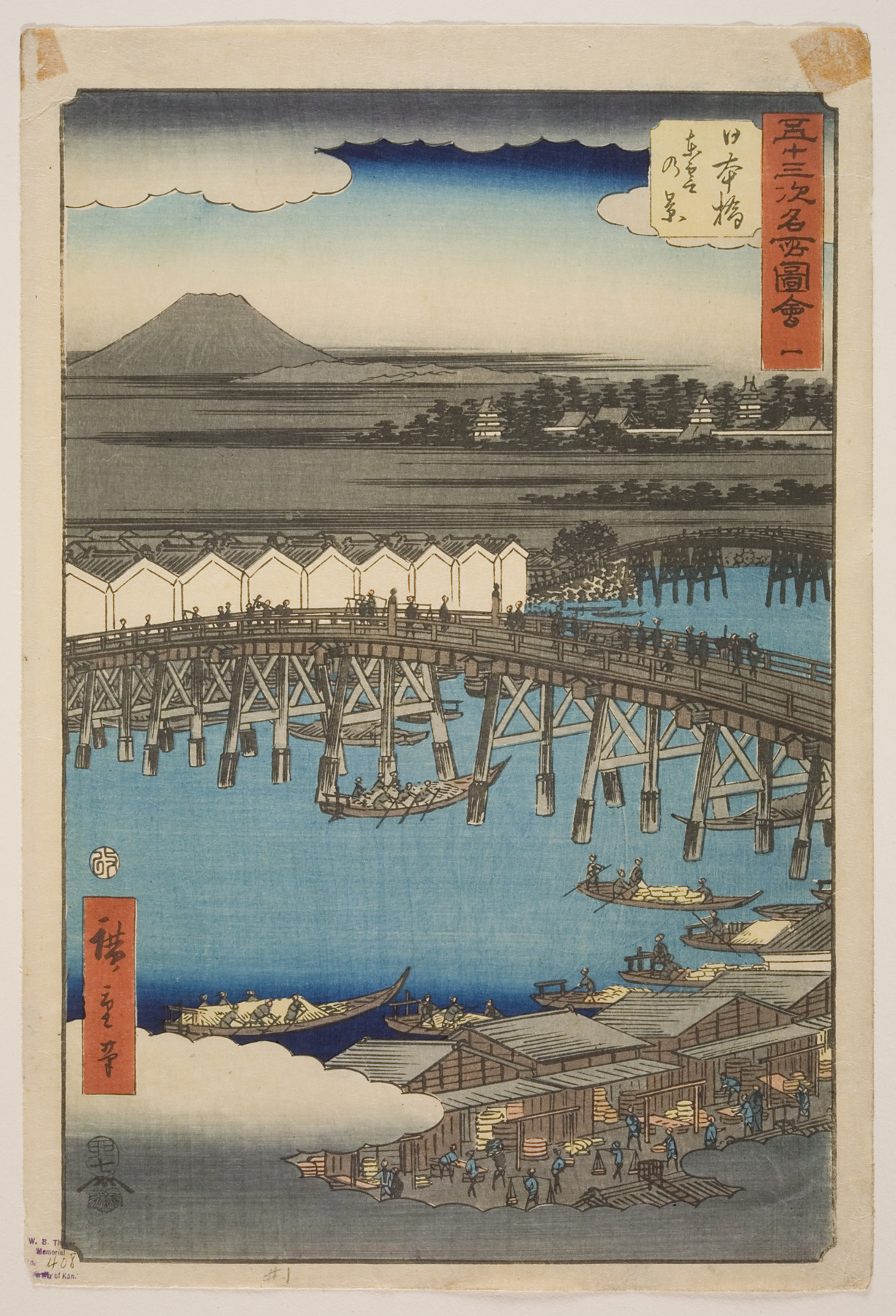
Utagawa Hiroshige
#1 Nihon bashi Tōun no kei (Clouds in the East Over Nihon Bridge),
1855–1857, Edo period (1600–1868)
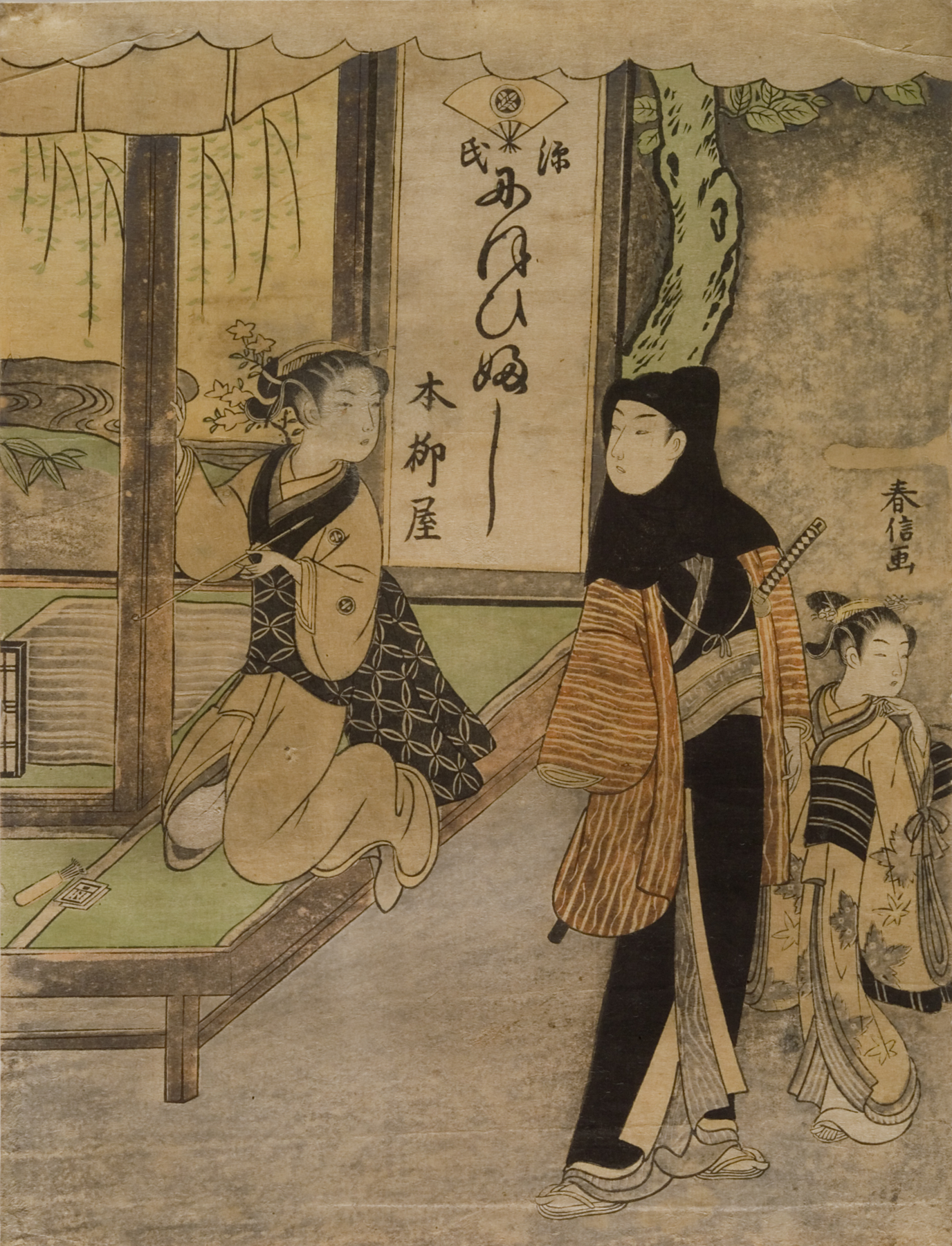
Suzuki Harunobu
young man staring at Ofuji of the Motoyanagiya toothbrush shop,
late 1760s, Edo period (1600–1868)

Suzuki Harunobu
The Waitress Oyoshi of the Yamato Tea Shop,
late 1760s, Edo period (1600–1868)
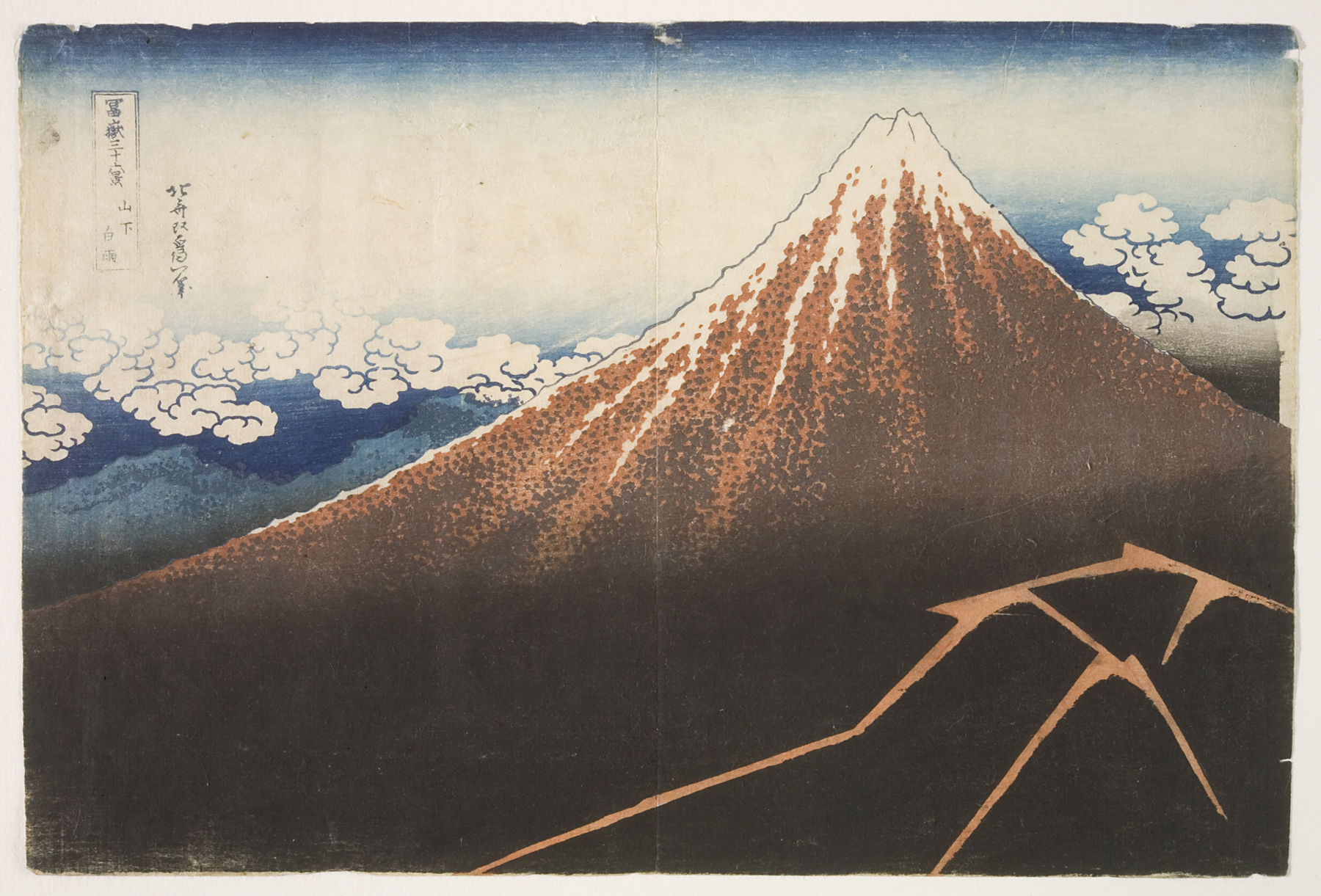
Katsushika Hokusai
Sanka haku-u (White Rain Below the Mountain),
circa 1830, Edo period (1600–1868)
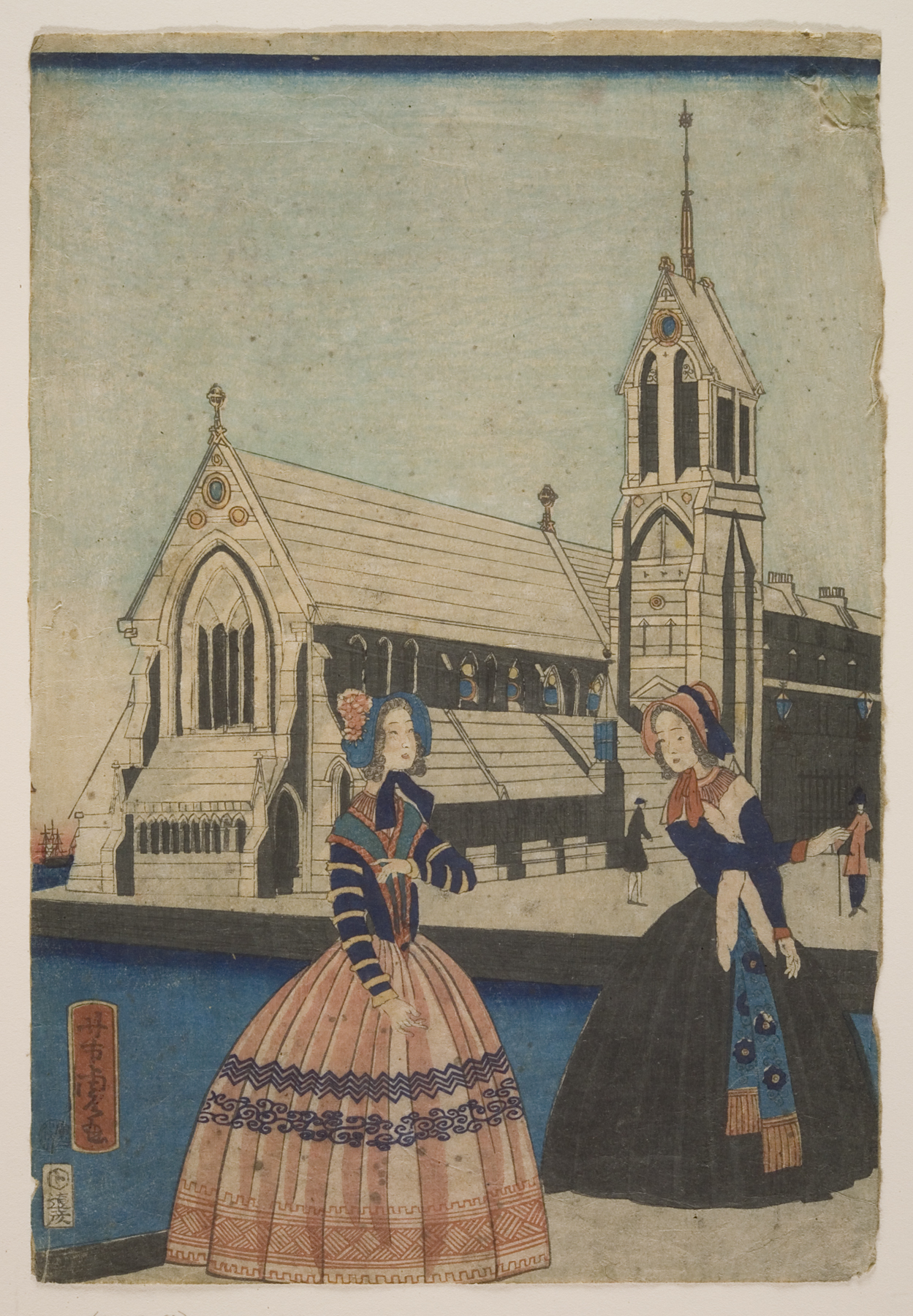
Utagawa Yoshitora
Kita Amerika Shū (North American City),
1866, 2nd month, Edo period (1600–1868)

Utagawa Yoshitora
Yokohama Hatoba Keshiki (View of Yokohama Harbor),
1861, 2nd month, Edo period (1600–1868)

Utagawa Yoshitora
Yokohama Hatoba Keshiki (View of Yokohama Harbor),
1861, 2nd month, Edo period (1600–1868)

Kitagawa Utamaro
women playing shell game (last page from Treasures of the Ebb-Tide),
circa 1790, Edo period (1600–1868)

Hanabusa Itchō
Hotei gazing up at the Moon,
circa 1709–1724, Edo period (1600–1868)
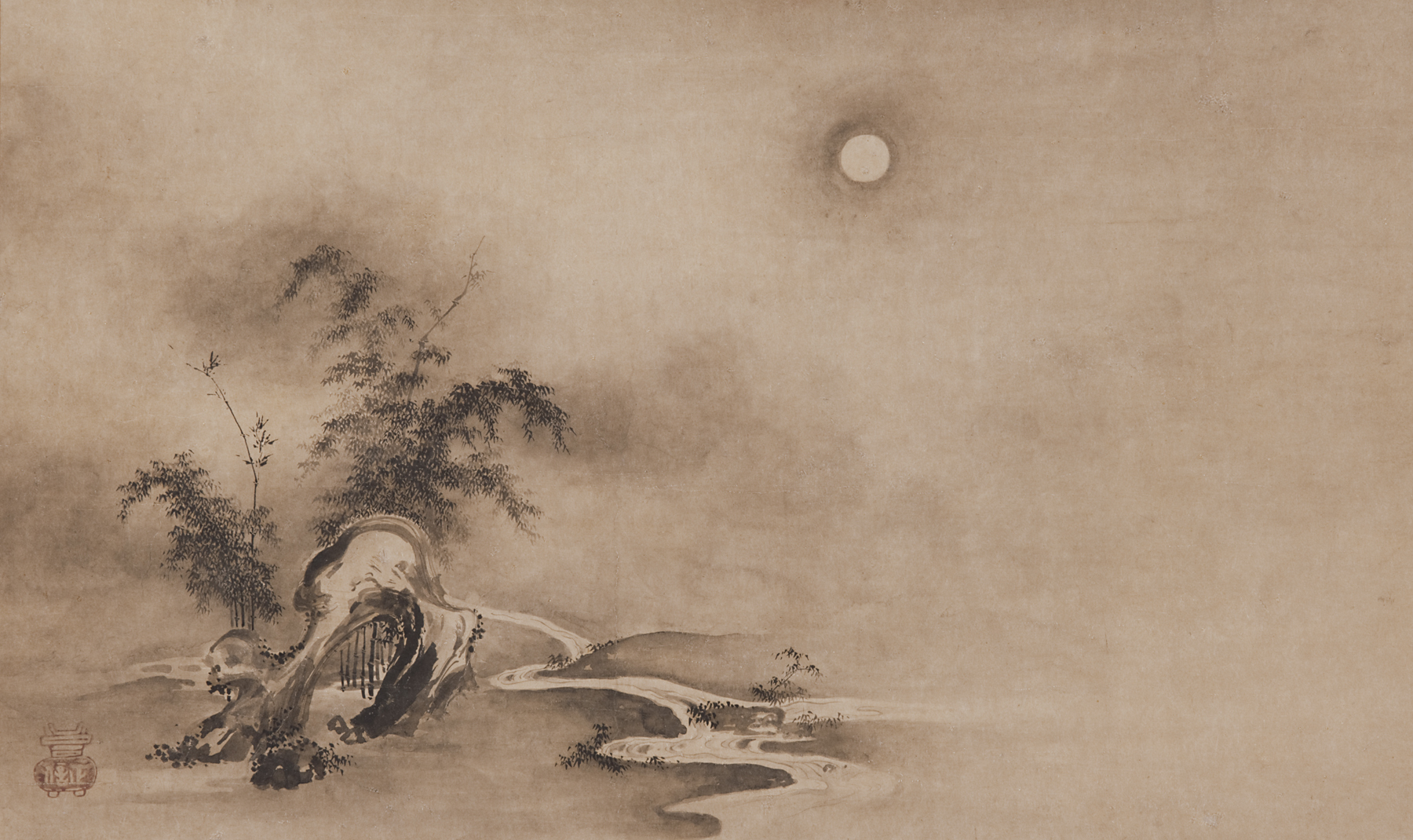
Kanō Masanobu
Bamboo Forest and Moon,
late 1600s–1700s, Edo period (1600–1868)
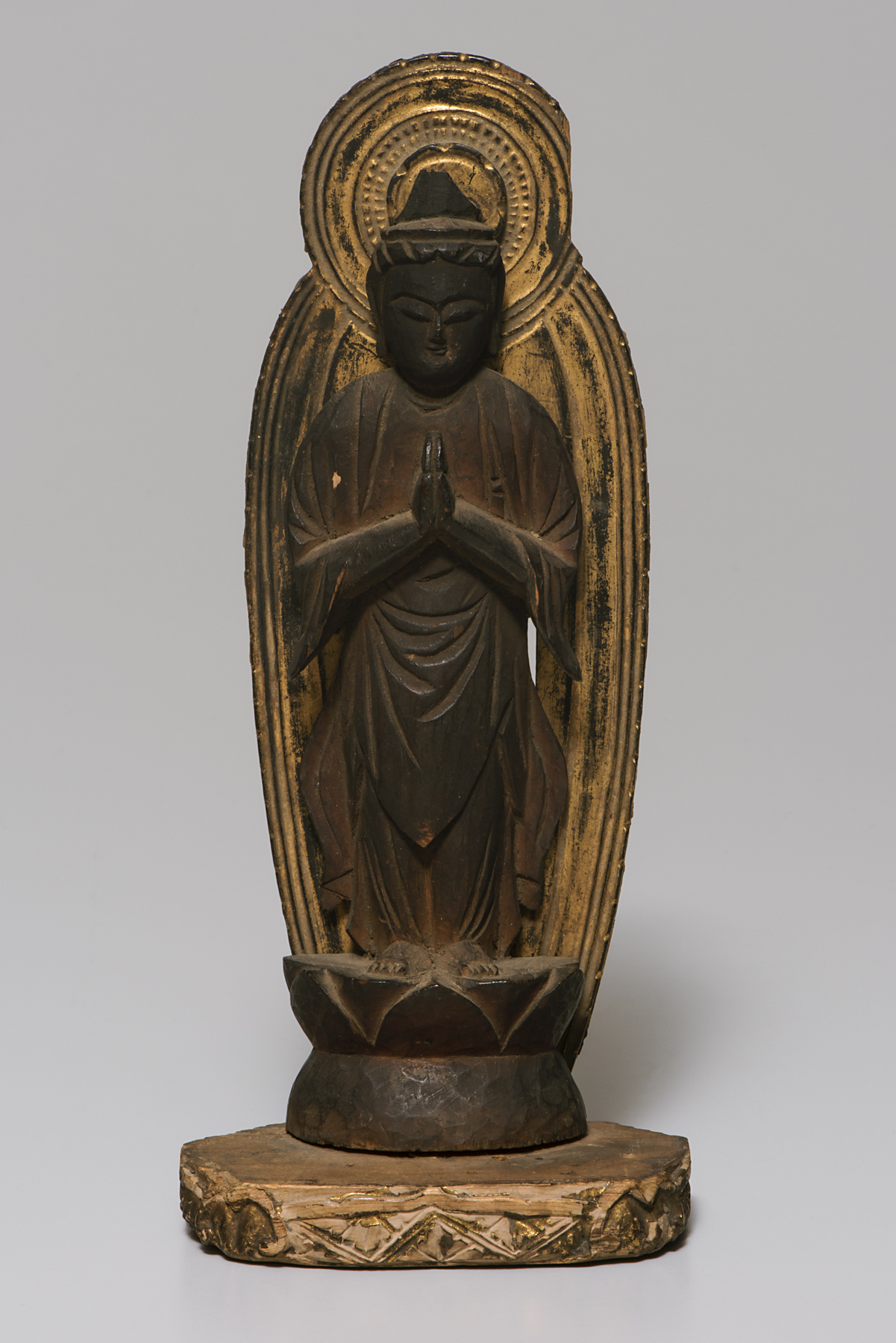
Bodhisattva, Kannon Bosatsu,
1800s, Edo period (1600–1868) or Meiji period (1868–1912)
![Suzukawa [Mt.Fuji from the Suzu River], 吉田博 Yoshida Hiroshi](https://sma-search-api.ku.edu/271eaba00a5896ad7d382f6b3cfa5eeedb2599d8ed4071cc8fc9bad7b36fd308/1974.0033.jpg)
吉田博 Yoshida Hiroshi
Suzukawa [Mt.Fuji from the Suzu River],
1935, Showa period (1926–1989)

吉田博 Yoshida Hiroshi
Calm Wind,
1937, Showa period (1926–1989)
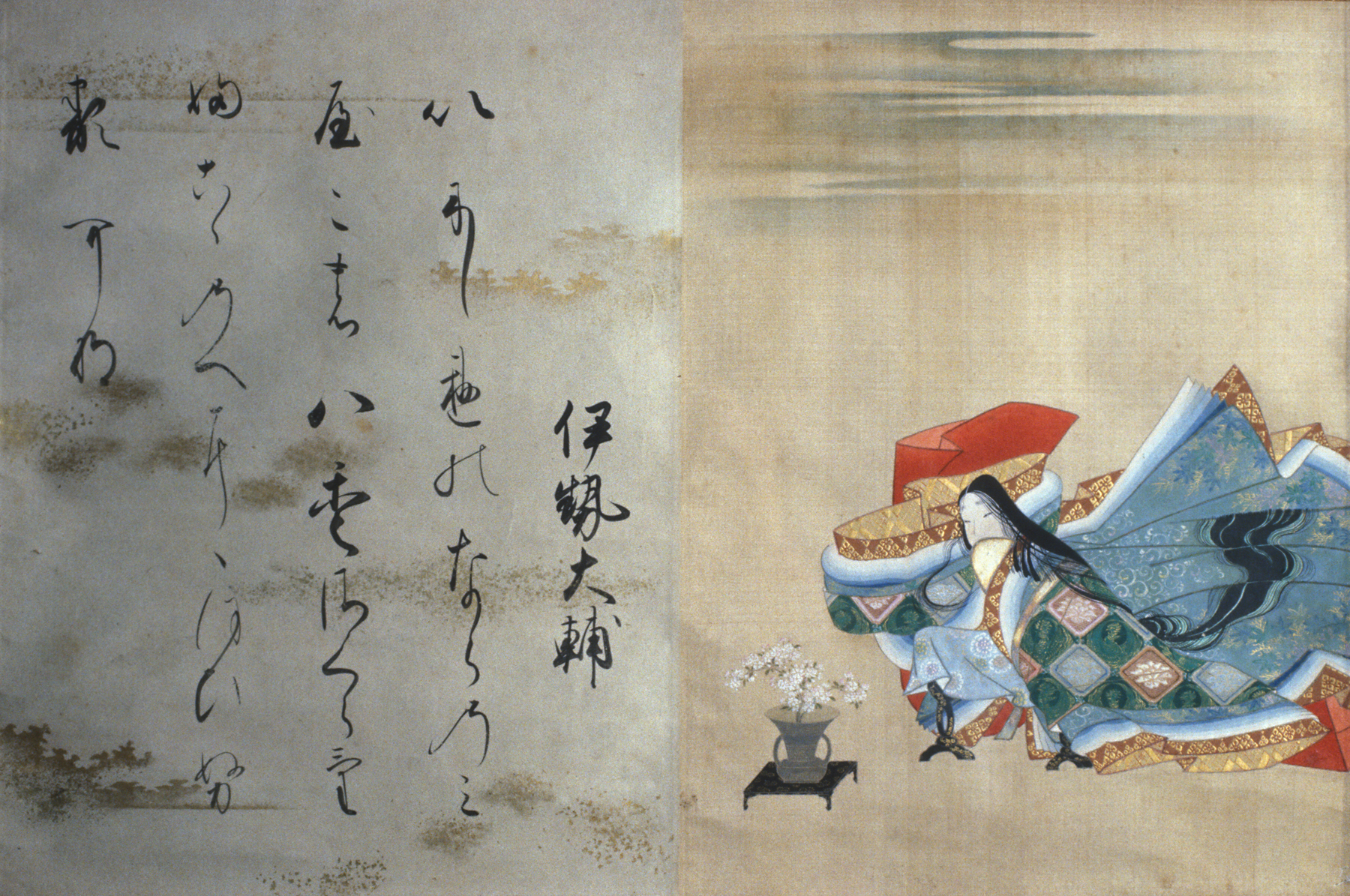
Tosa Mitsuoki; Asukai Masaaki
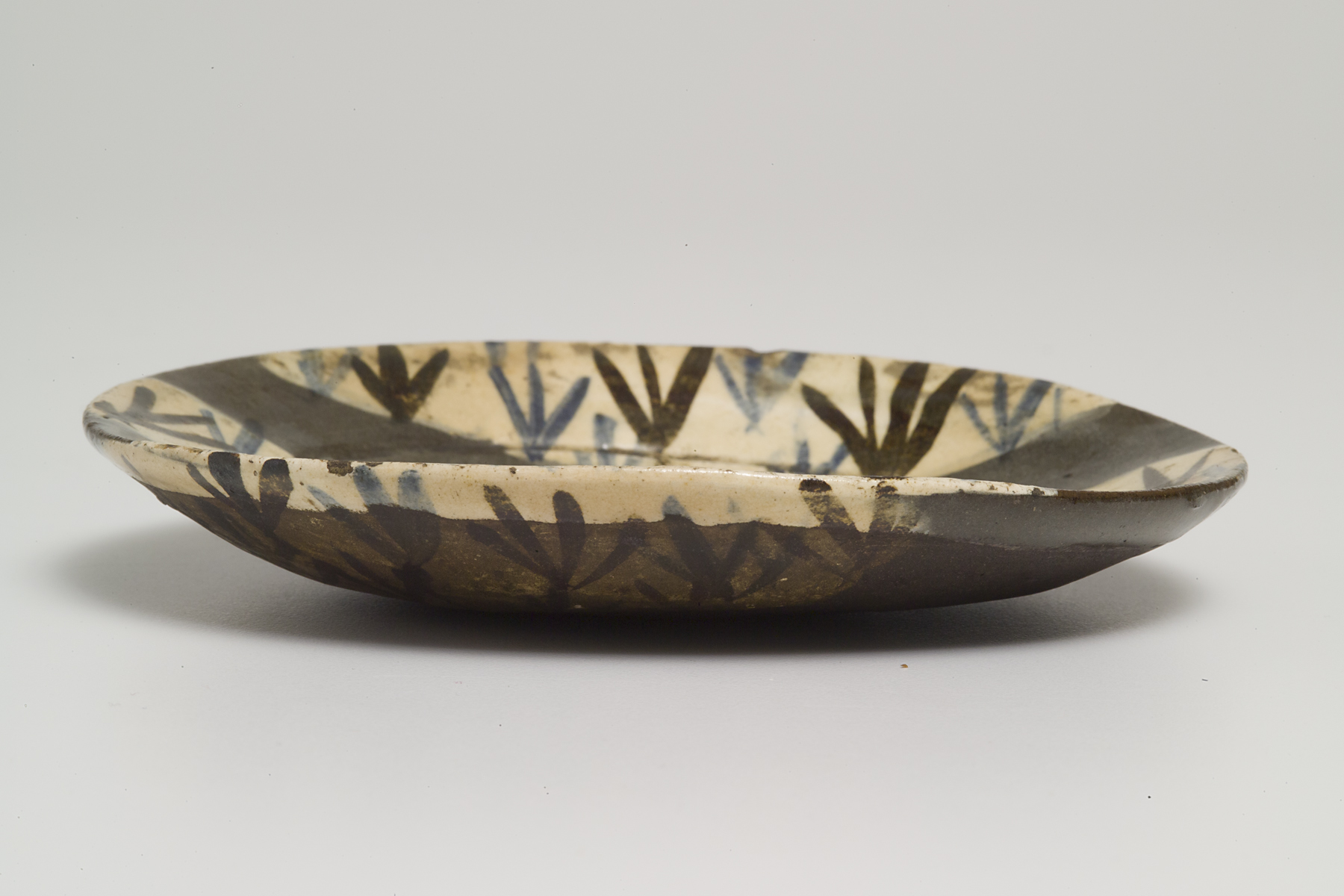
Ogata Kenzan
皿 sara (dish),
circa 1700s, Edo period (1600–1868)

Inbutsu (stamp print) of Fudō Myōō,
1200s–1300s, Kamakura period (1185–1333) or Muromachi period (1336–1573)
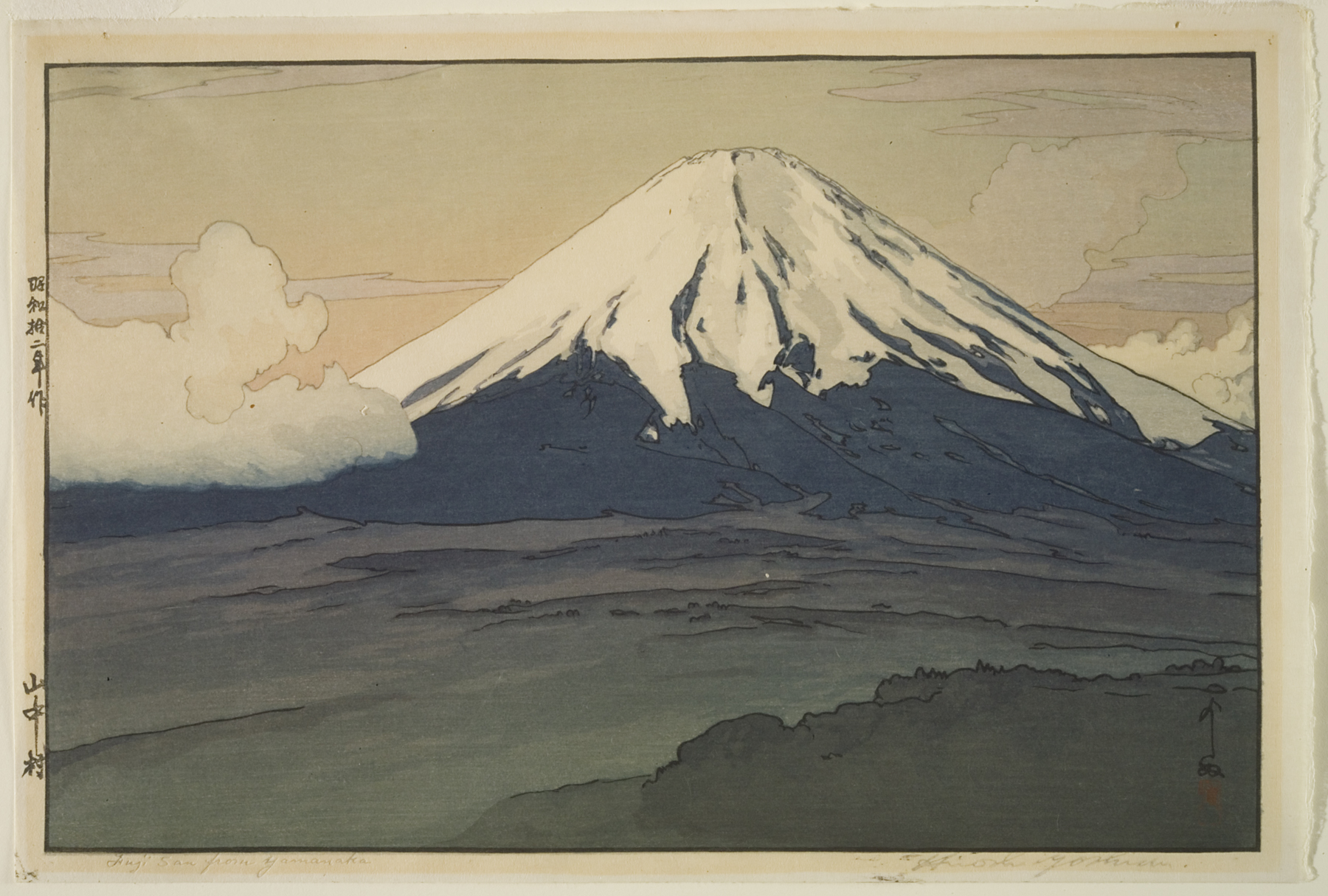
吉田博 Yoshida Hiroshi
Fuji-san from Yamanaka,
1936, Showa period (1926–1989)
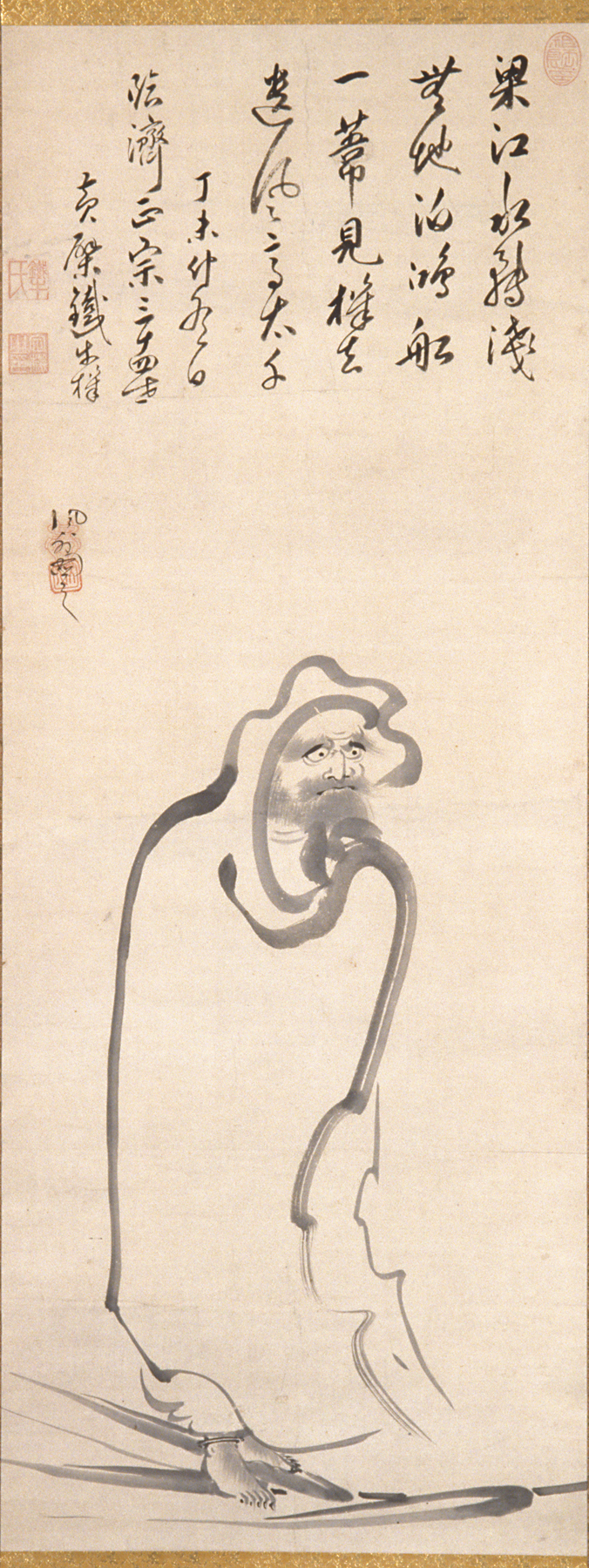
Fūgai Ekun
Daruma crossing the river,
late 1500s–early 1600s, Momoyama period (1573–1615) or Edo period (1600–1868)

月岡芳年 Tsukioka Yoshitoshi; 和田彫勇 Wada Hori Yu; 綱島亀吉 Tsunashima Kamekichi
痛そう:寛政年間女郎の風俗 Ita sō: Kansei nenkan jorō no fūzoku (Looking in Pain: The Appearance of a Kansei-era Prostitute),
1888, Meiji period (1868–1912)
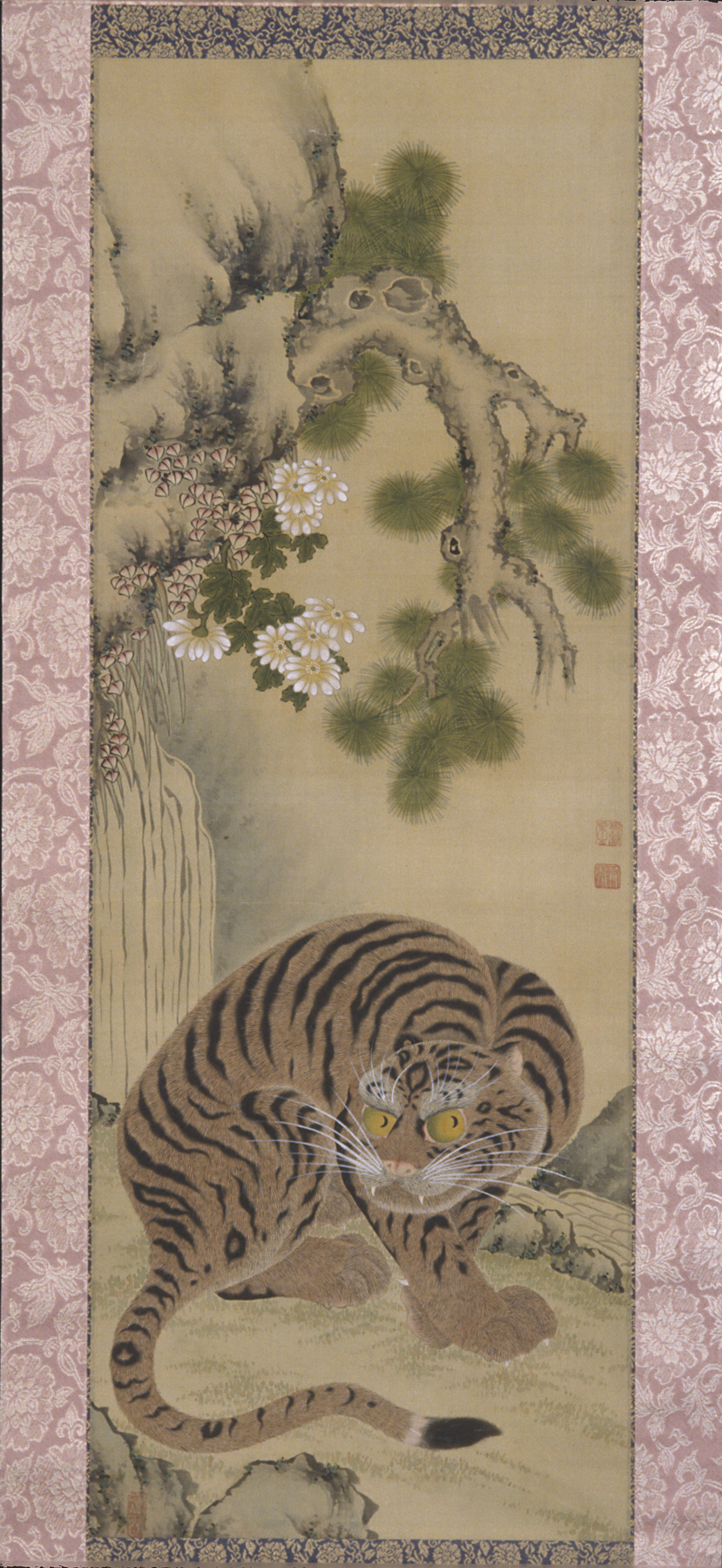
Tiger,
1900s
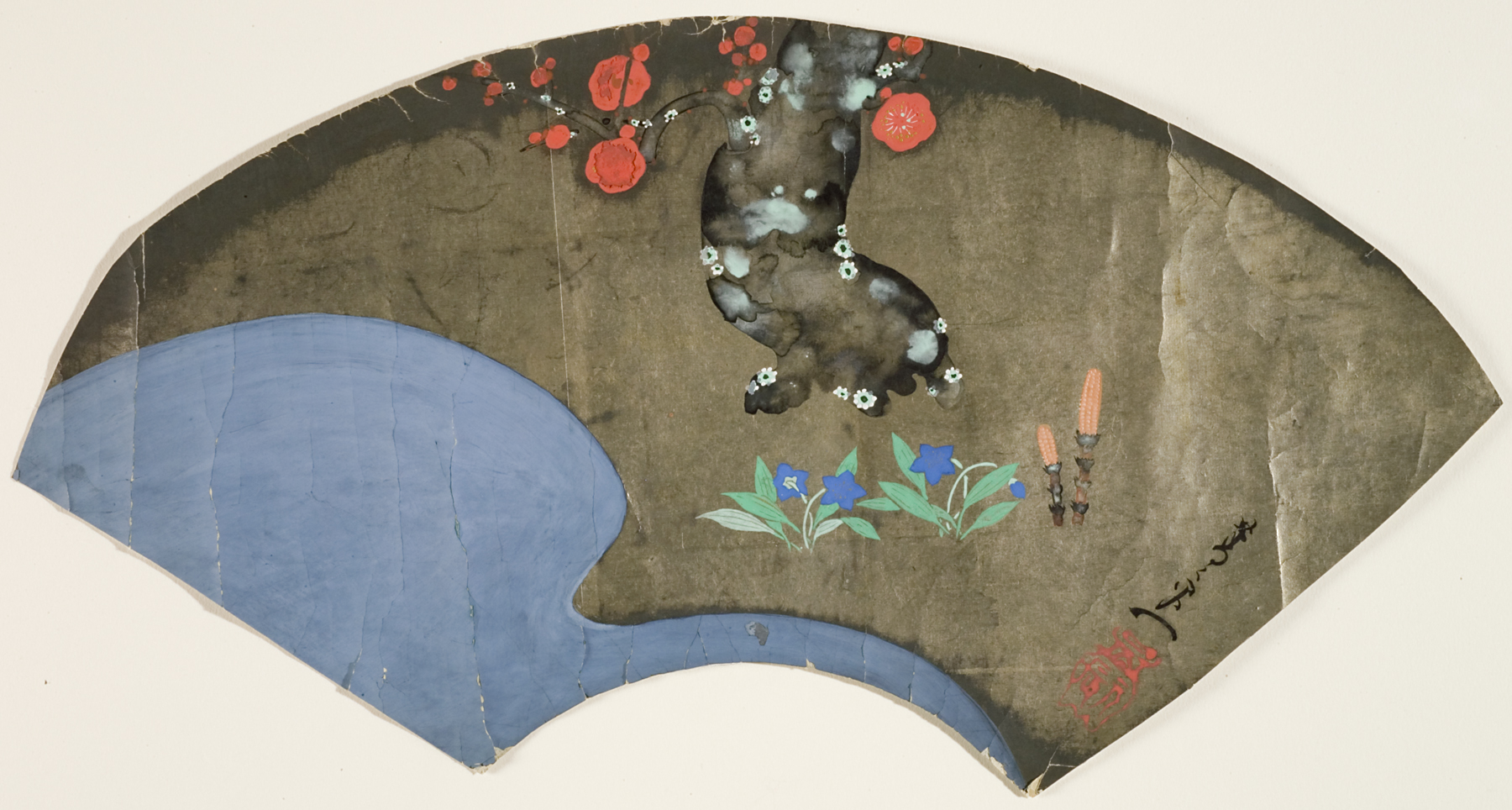
Suzuki Kiitsu
Red Plum Blossom,
early 1800s, Edo period (1600–1868)

Kannon (Avalokitesvara),
1300s–late 1400s, Nambokuchō period (1337–1392) to Muromachi period (1338–1573)

Watanabe Nobukazu
Kōi godairei no zu (Picture of Noble's Imperial Ceremony),
1900, Meiji period (1868–1912)

Kichizan Minchō
Tōfukuji Nehanzō (Parinirvana image from Tōfukuji temple in Kyoto),
late Edo period (1600–1868) to early Meiji period (1868–1912)
Kanzan and Jittoku,
1500s–1600s