Teaching Gallery: Japanese Prints
Exhibition
Exhibition Overview
Teaching Gallery: Japanese Prints
January 17, 2008–February 17, 2008
White Gallery, Spencer Museum of Art, University of Kansas, Lawrence, Kansas
Selected Japanese prints for Professor Maki Kaneko’s HA 503 Japanese Prints and Professor Yoonmi Nam’s ART 500 Special Topics in Art: Japanese Wood Block Print
Works of art
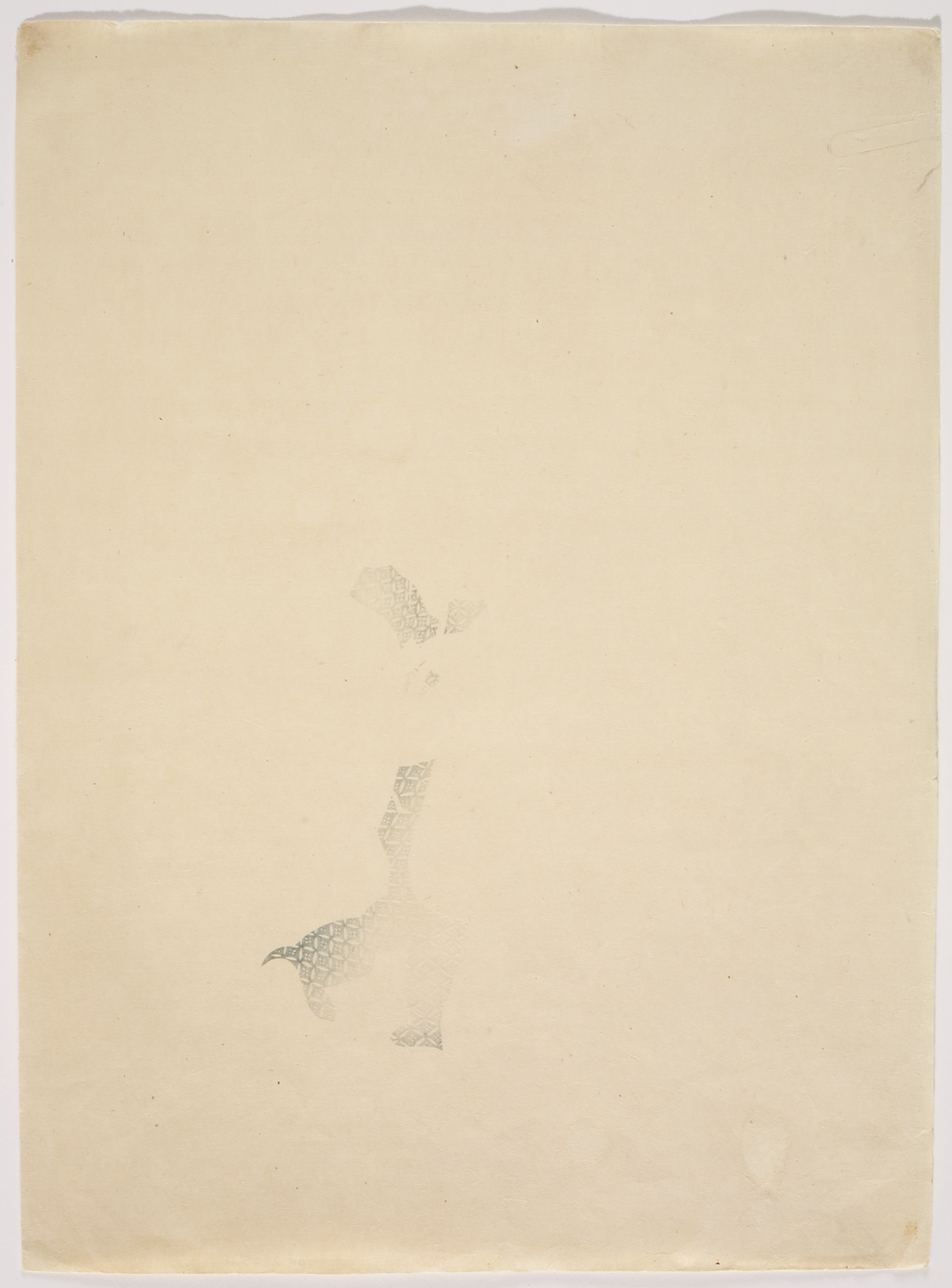
Suzuki Harunobu
couple struggle over love letter,
late 1800s–early 1900s, Meiji period (1868–1912) or Taisho period (1912–1926)
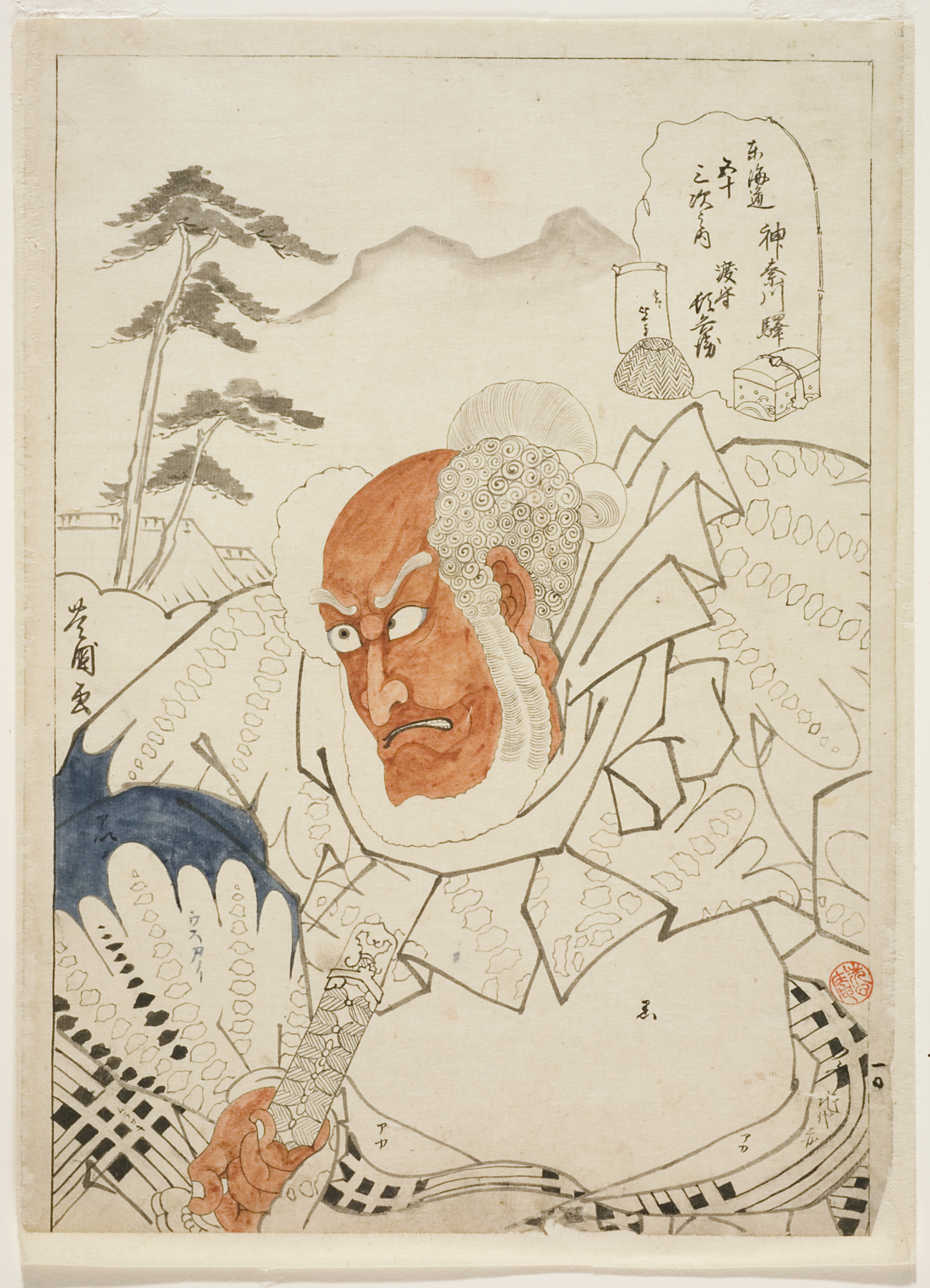
Utagawa Kunisada
Kanagawa eki; preparatory drawing for a print,
1800s, Edo period (1600–1868)
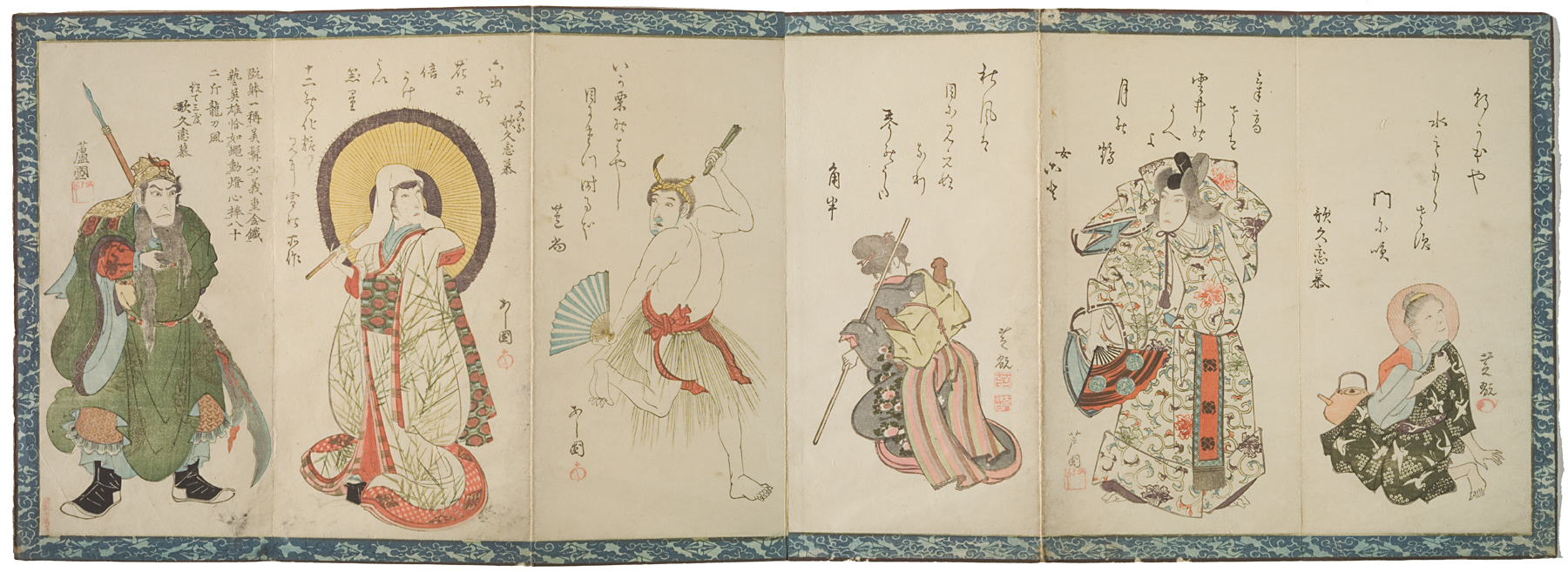
Asayama Ashikuni; Nakamura Utaemon III
Nakamura Utaemon III in six roles,
1817, Edo period (1600–1868)
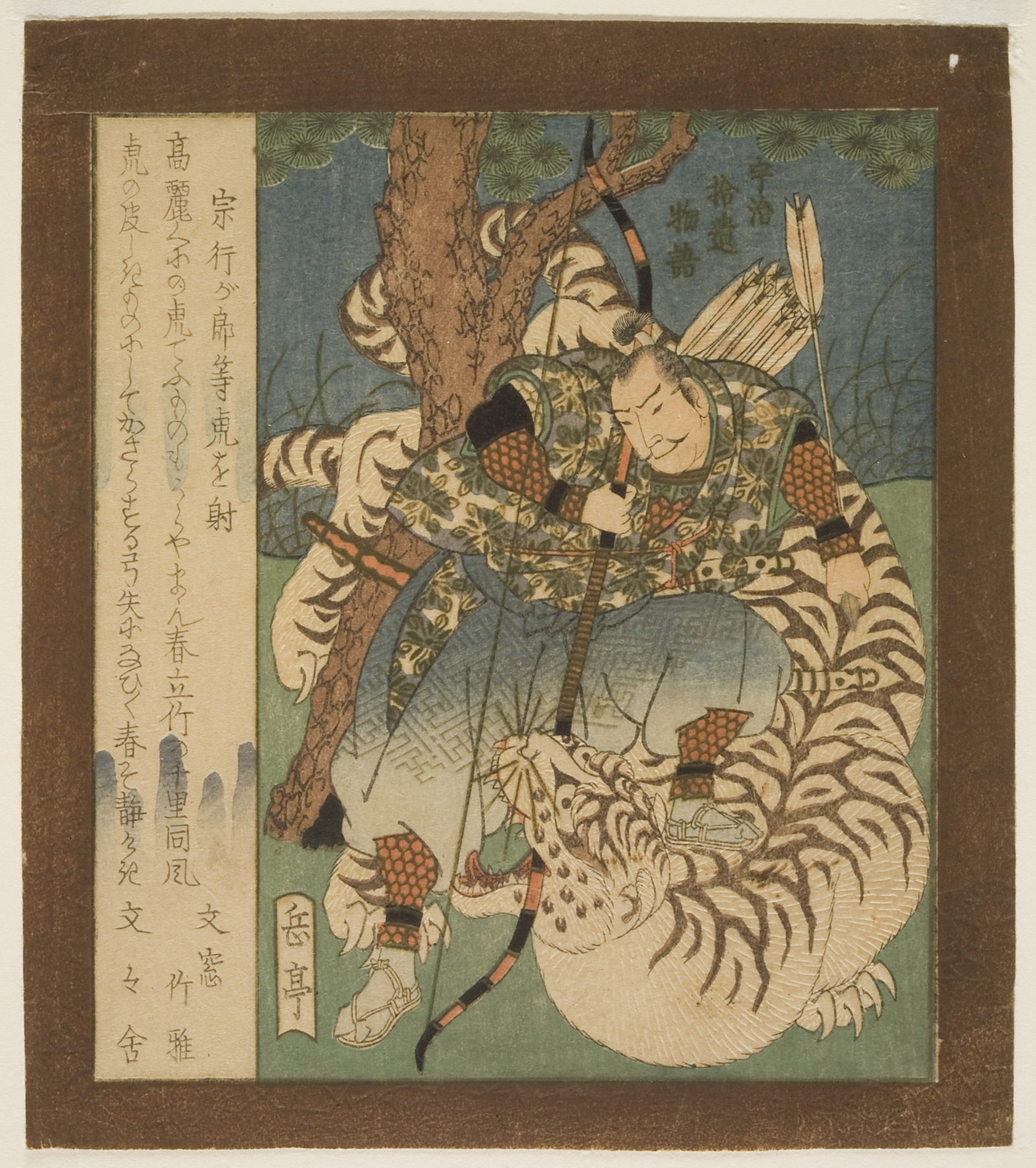
Yashima Gakutei
Muneyuki ga rōtō tora o utsu (Muneyuki's soldier slays a tiger),
circa late 1820s, Edo period (1600–1868)
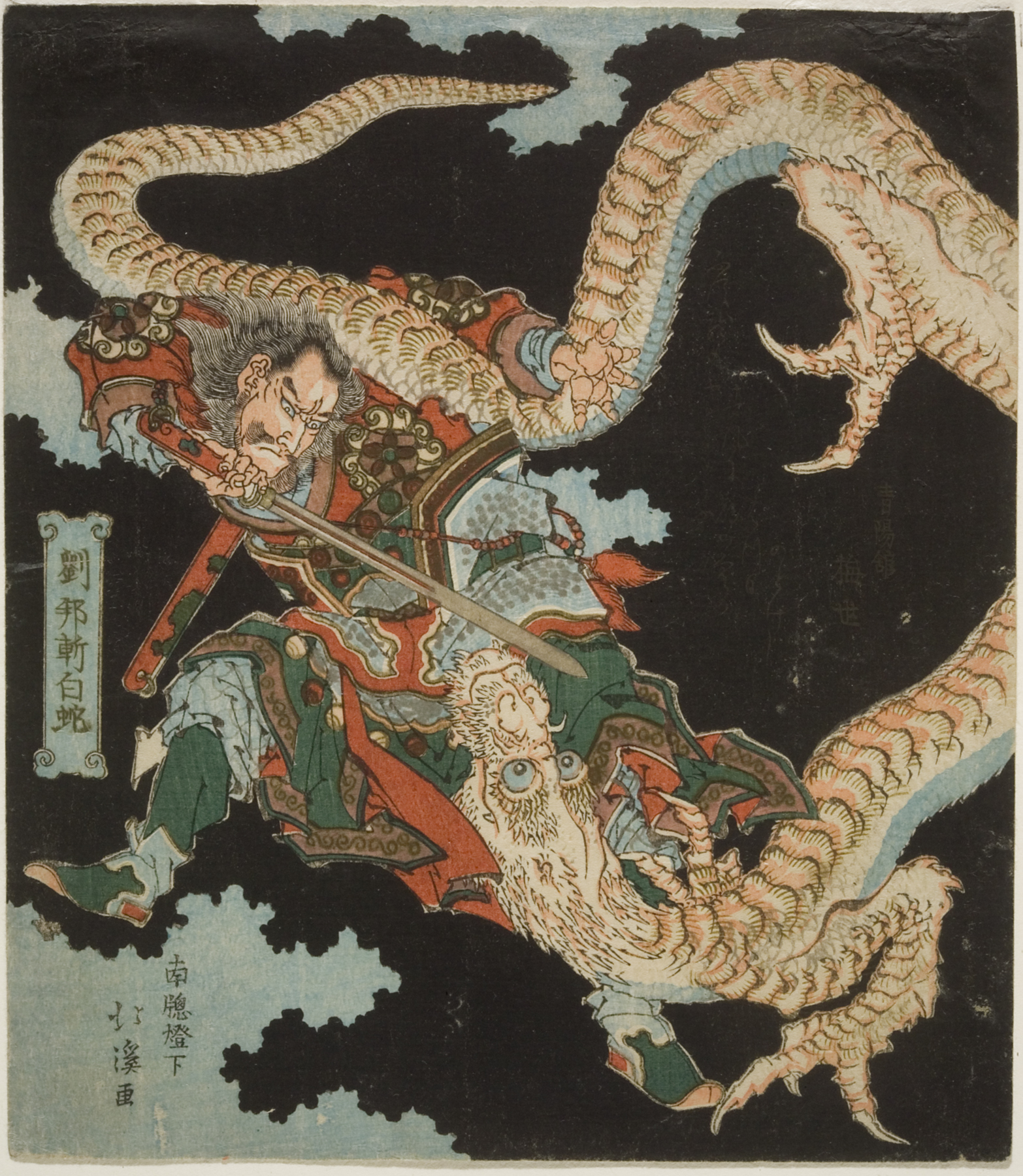
Totoya Hokkei
Ryūhō hakuju o kiru (Liu Bang kills the white serpent),
1832, Edo period (1600–1868)
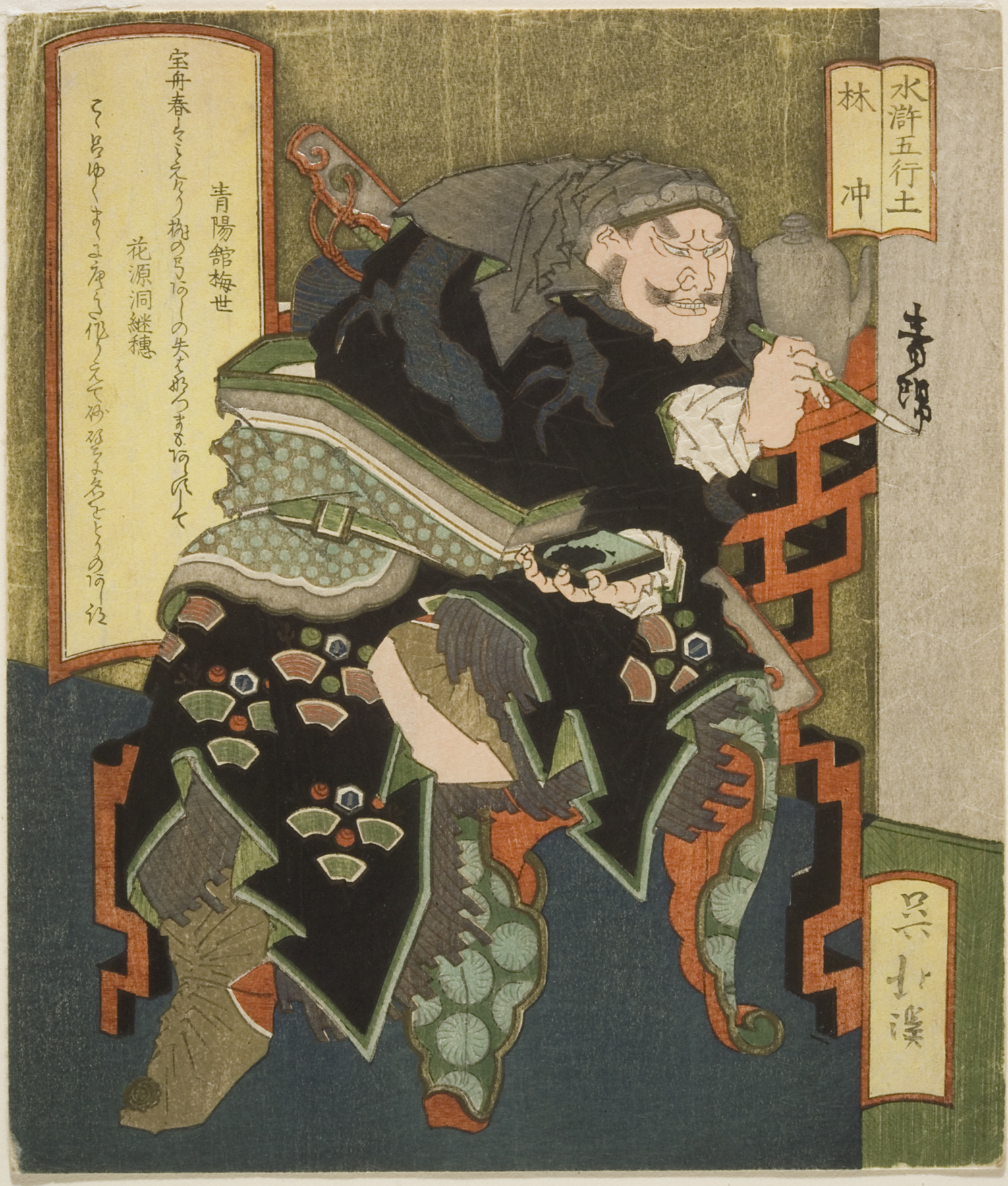
Totoya Hokkei
Do (Earth),
1820s, Edo period (1600–1868)

Utagawa Hiroshige
#43 Kuwana Shichi-ri no watashi buna (The Seven-Ri Ferry at Kuwana),
1855–1857, Edo period (1600–1868)
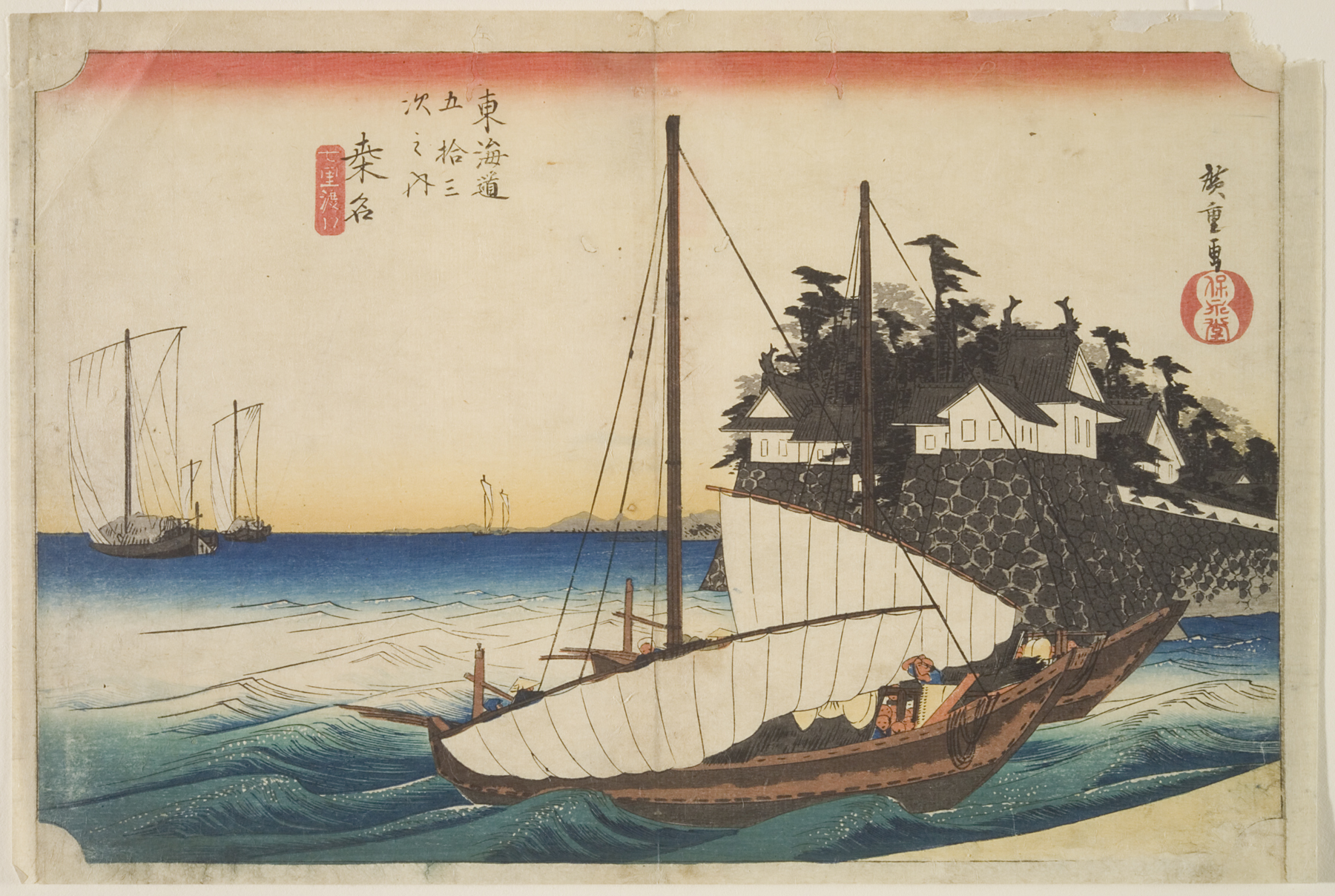
Utagawa Hiroshige
#43 Kuwana, Shichiri Watashiguchi (Kuwana, the Landing Spot of the Seven-Ri Ferry),
1833–1834, Edo period (1600–1868)

Utagawa Hiroshige
#72 Haneda no watashi Benten no yashira (Benten Shrine from the Ferry at Haneda),
1858, 8th month, Edo period (1600–1868)

Utagawa Hiroshige
Hira no bosetsu (Evening Snow on Mt. Hira),
circa 1834, Edo period (1600–1868)

Katsushika Hokusai
深川万年槁下 Fukugawa mannen hashi shita (Fuji from beneath Mannen Bridge at Fukugawa),
early 1830s, Edo period (1600–1868)
![large perspective picture, Evening Cool by Ryōgoku [bridge], Okumura Masanobu](https://sma-search-api.ku.edu/271eaba00a5896ad7d382f6b3cfa5eeedb2599d8ed4071cc8fc9bad7b36fd308/1928.7667.jpg)
Okumura Masanobu
large perspective picture, Evening Cool by Ryōgoku [bridge],
circa 1740s, Edo period (1600–1868)
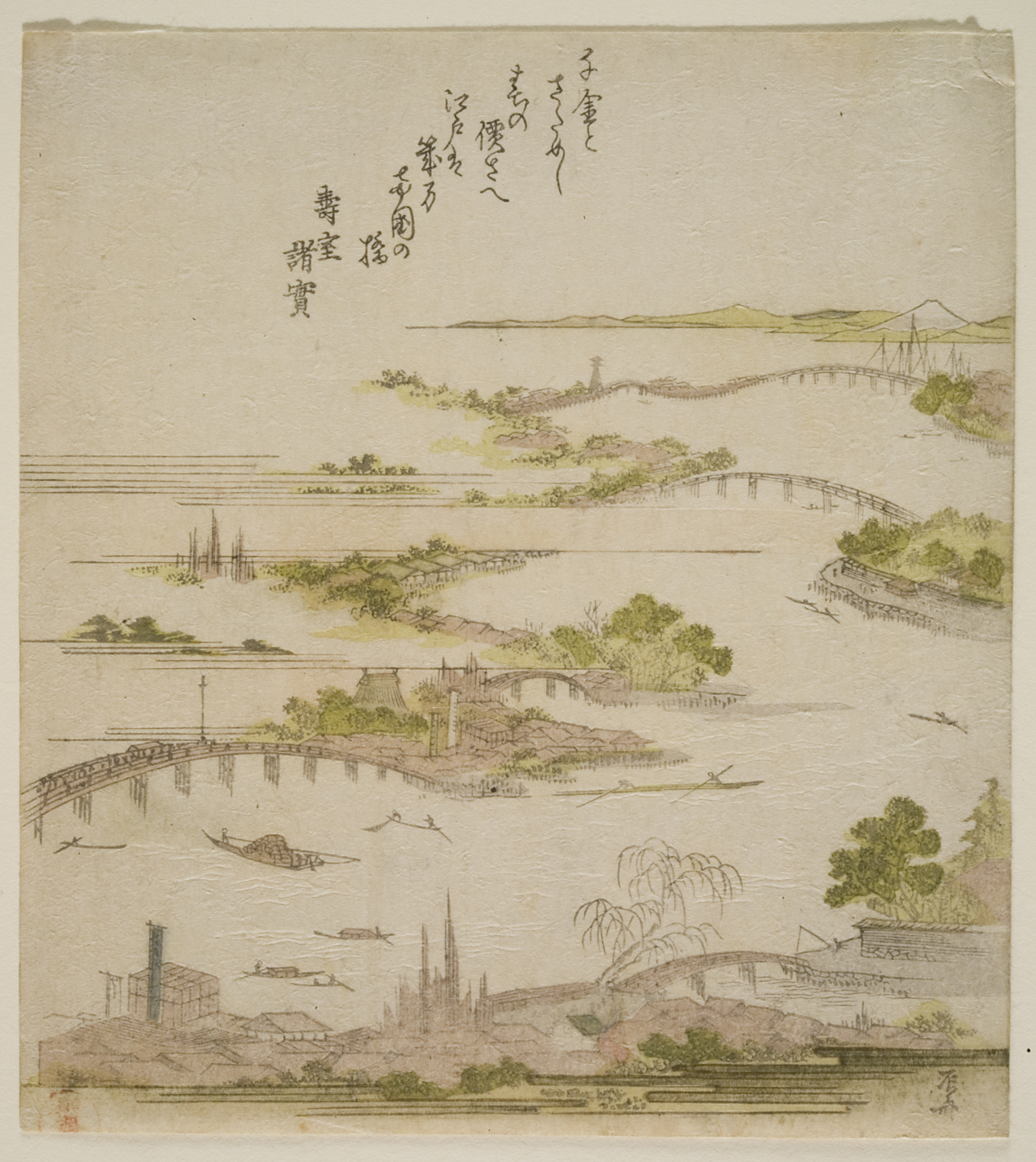
Ryūryūkyo Shinsai
bird's eye view of the Sumida River,
circa late 1810s, Edo period (1600–1868)
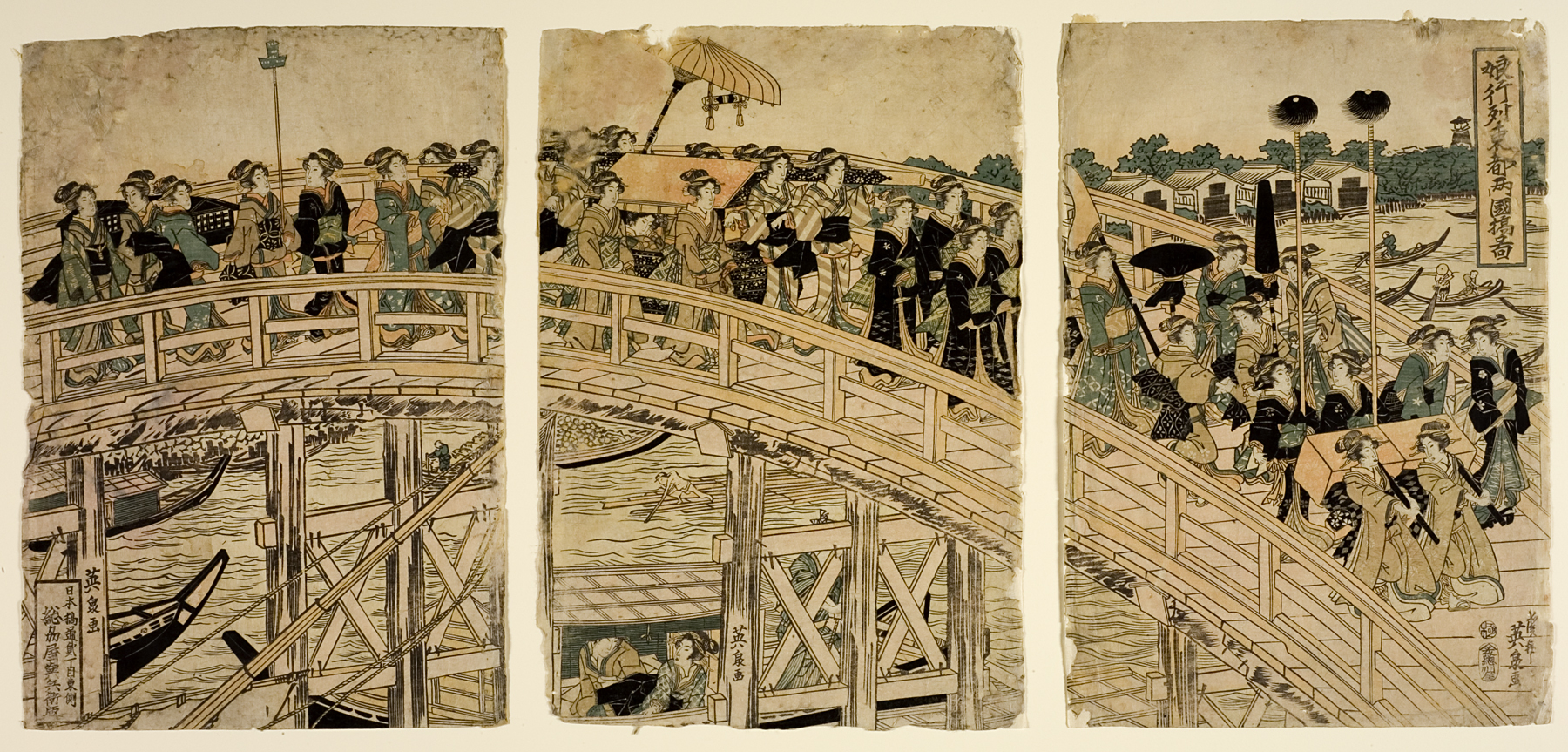
Keisai Eisen
Musumegyōretsu tōto Ryōgokubashi no zu (Procession of Young Women on the Ryōgoku Bridge in the Eastern Capital),
circa 1820s, Edo period (1600–1868)
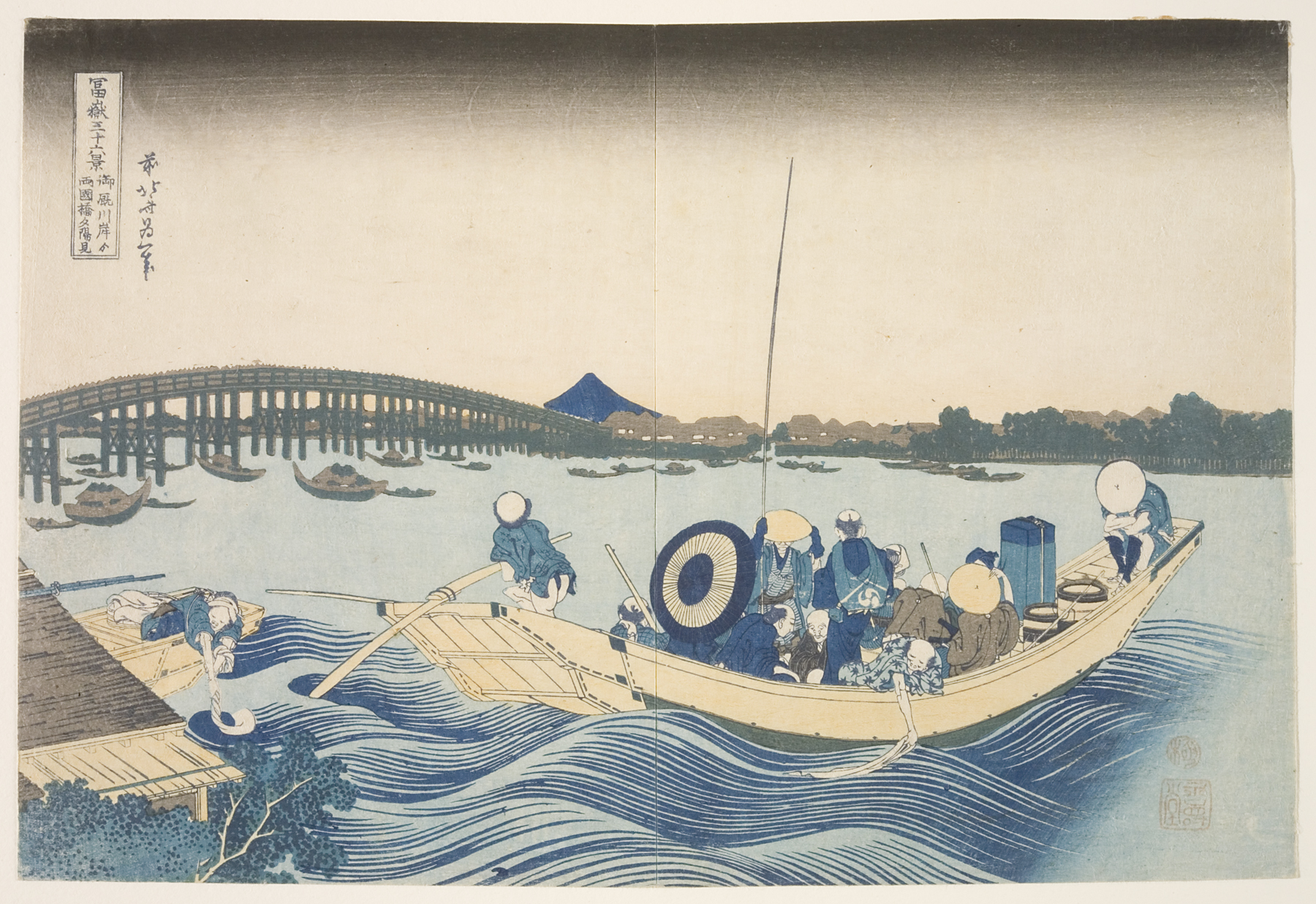
Katsushika Hokusai
御厩川岸より両国橋夕日見 Ommayagashi Yori Ryōgokubashi no Sekiyō o Miru (Viewing Sunset over Ryōgoku Bridge from the Ommaya Embankment),
circa 1830, Edo period (1600–1868)

Utagawa Kunisada
four actors from the play, "The 4 Modern Guardians Kings Return from Mt.Oyama",
1858, Edo period (1600–1868)
![Akaguchi [Red Mouth] (5 Shakku, not a good day), Utagawa Kuniyoshi](https://sma-search-api.ku.edu/271eaba00a5896ad7d382f6b3cfa5eeedb2599d8ed4071cc8fc9bad7b36fd308/1968.0001.045.jpg)
Utagawa Kuniyoshi
Akaguchi [Red Mouth] (5 Shakku, not a good day),
1860, 10th month, Edo period (1600–1868)

Utagawa Hiroshige
Gishi yo-uchi (Act Eleven: The Night Attack of the Loyal Samurai),
1843–1847, Edo period (1600–1868)
![Gishi yo uchi rannyū no zu [The Night Attack (Scene 11)], Utagawa Kuniyoshi](https://sma-search-api.ku.edu/271eaba00a5896ad7d382f6b3cfa5eeedb2599d8ed4071cc8fc9bad7b36fd308/1928.4012.a,b.jpg)
Utagawa Kuniyoshi
Gishi yo uchi rannyū no zu [The Night Attack (Scene 11)],
1840s–1850s, Edo period (1600–1868)
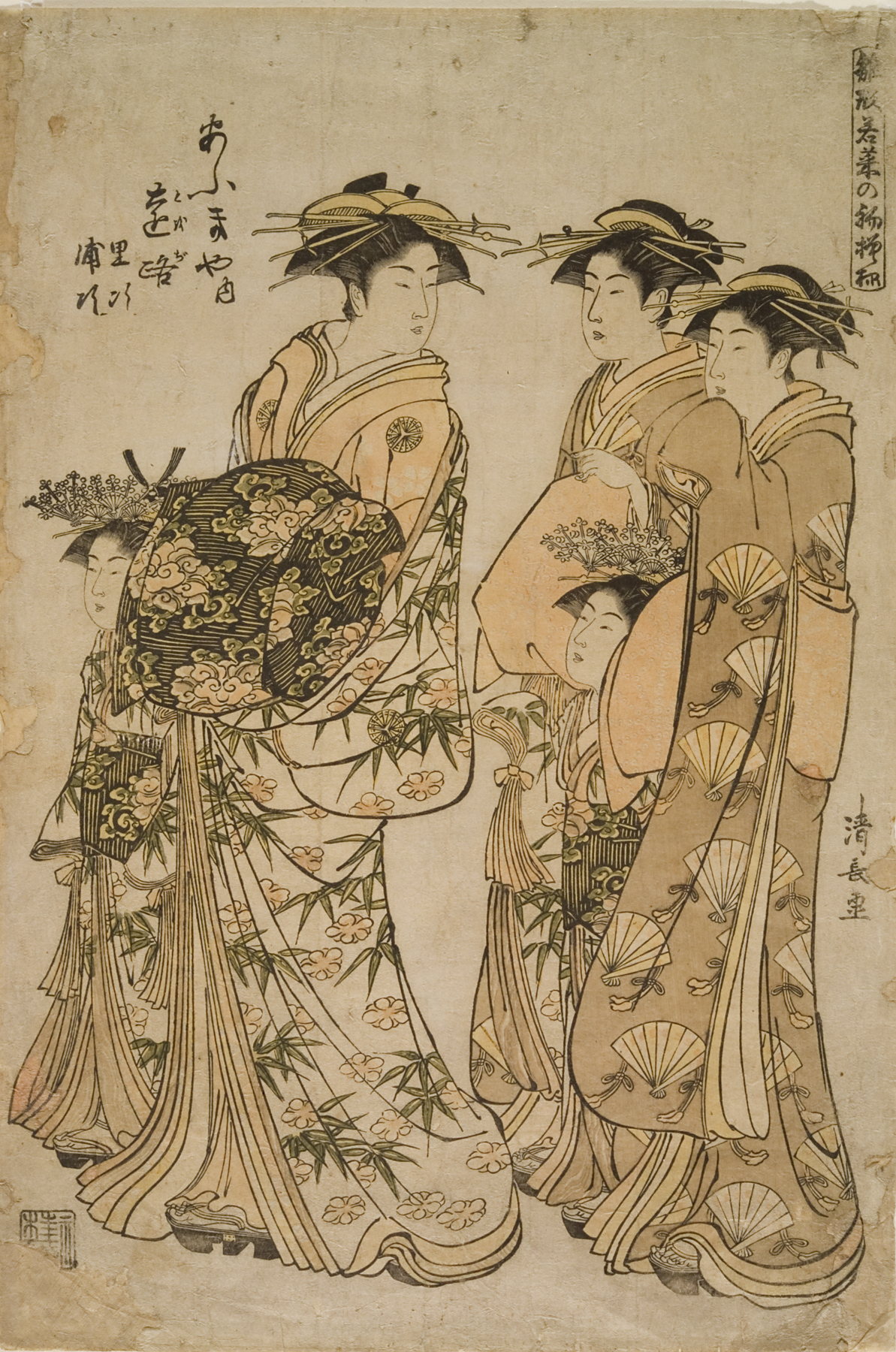
Torii Kiyonaga
Ōgiya uchi Tōji, Satotaku, Ureteke (Courtesans of the Afumaya Teahouse),
1780s, Edo period (1600–1868)

Suzuki Harunobu
courtesan beneath a window,
1725–1770, Edo period (1600–1868)
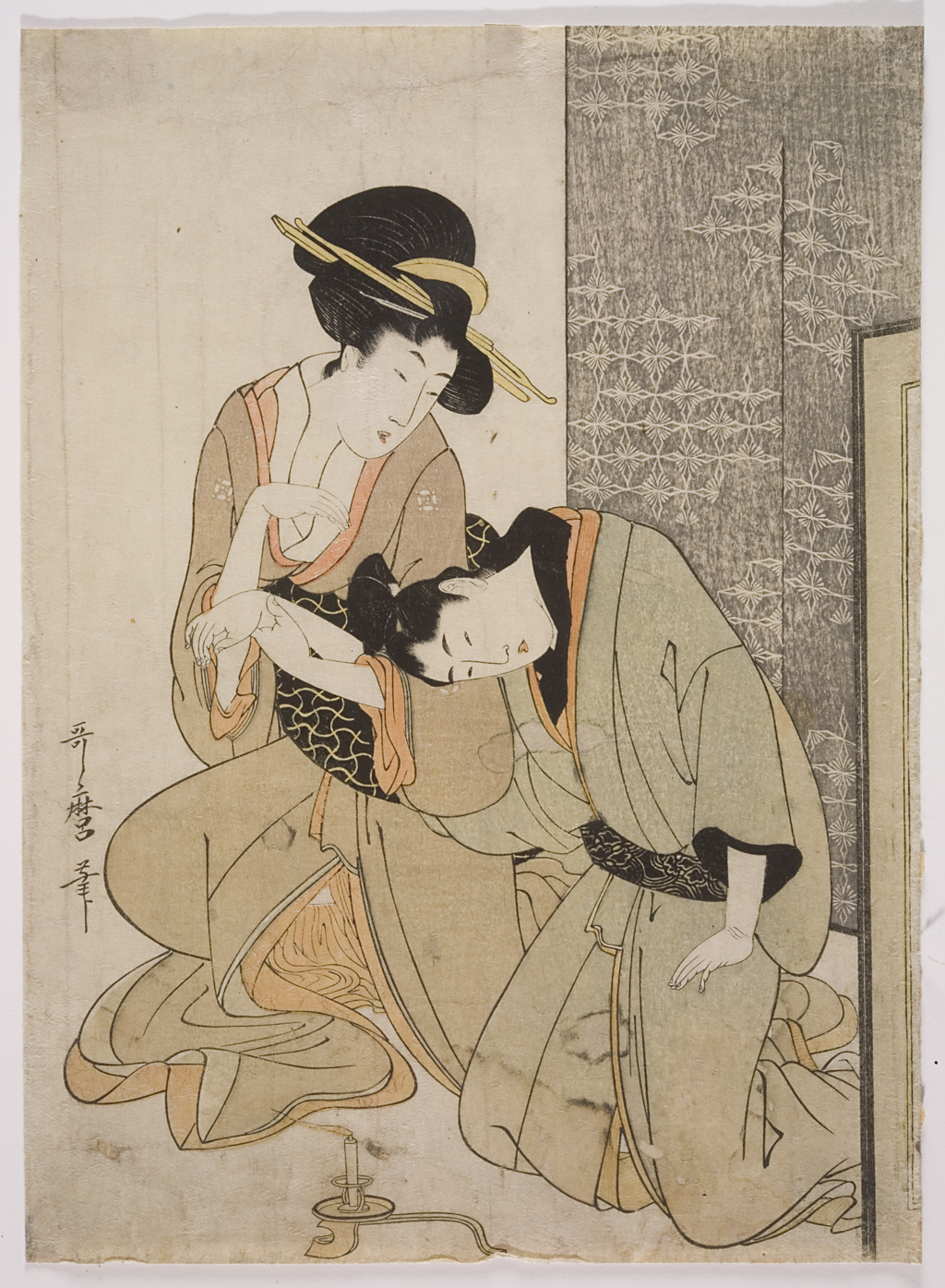
Kitagawa Utamaro
Courtesan holding hand of bashful young man,
circa 1801–1803, Edo period (1600–1868)

Utagawa Kuniyoshi; Hayashiiya Shogoro
Spirit of Sakura Sogoro haunting Hotta Kozuke,
circa 1850, Edo period (1600–1868)
Paul Jacoulet; Maeda Kentarō
carved woodblock for print "Avant l'audience",
1941–1942, Showa period (1926–1989)