Japanese Ghosts and Demons: Art of the Supernatural

Exhibition

Exhibition Overview

Image not available
Japanese Ghosts and Demons: Art of the Supernatural
Stephen Addiss, curator
September 29, 1985–December 29, 1985
Kress Gallery, Spencer Museum of Art, University of Kansas, Lawrence, Kansas

Japanese art, particularly during the Edo period, portrays a host of fascinating supernatural beings. The museum's collection of 19th century wood-block prints, supplemented by loans, was drawn upon for this popular exhibition which opened at the Asia Society Galleries in New York City. The catalogue and programs were supported by the National Endowment for the Humanities.

Works of art

Yashima Gakutei (circa 1786–1868, active 1815–1852)
Ushiwaka and Sōjōbō, 1820s, Edo period (1600–1868)
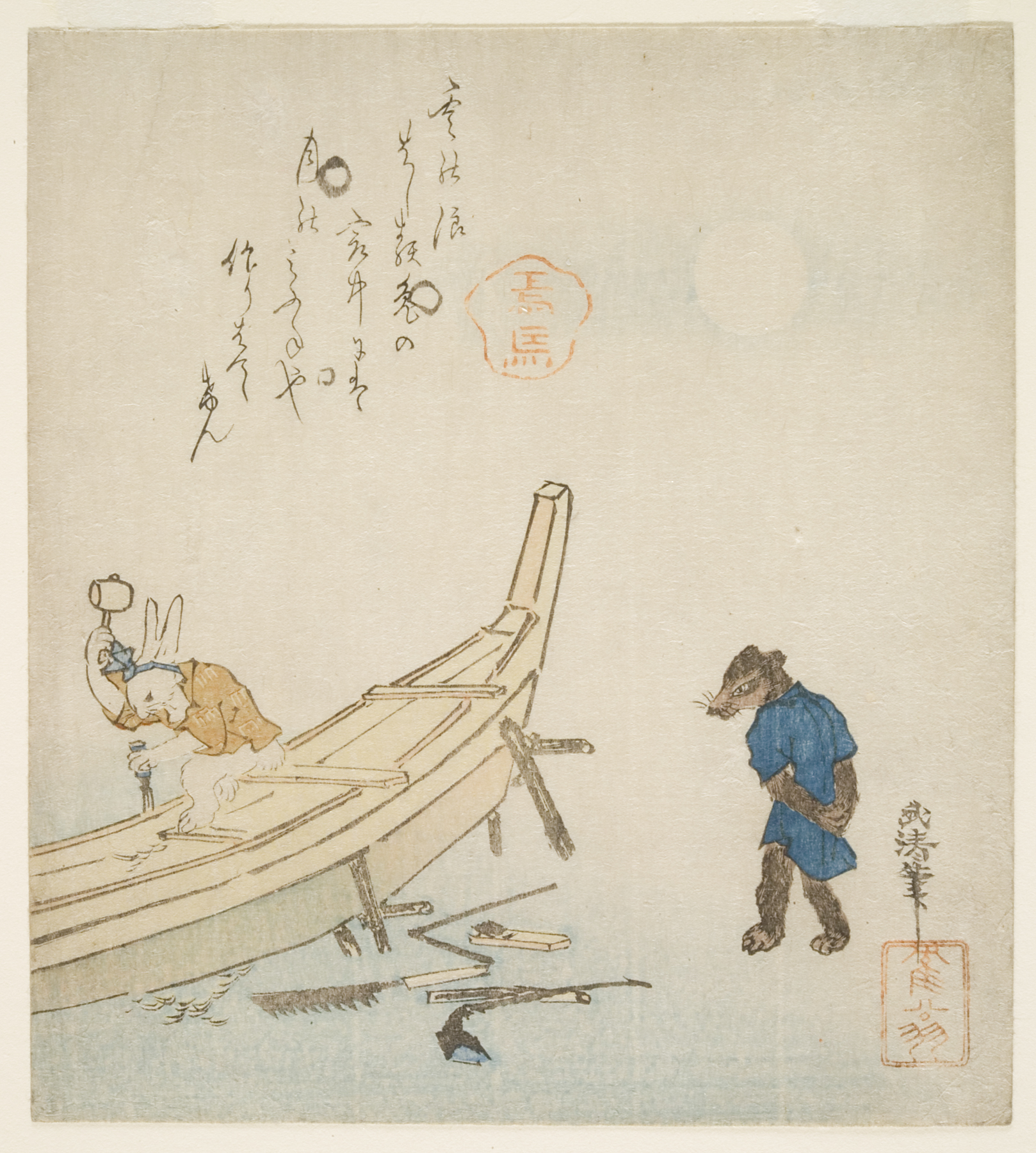
Kita Busei (1776–1856); Tatekawa Emba II (active early 1800s)
badger and rabbit, 1831, Edo period (1600–1868)
Keisai Eisen (1790–1848)
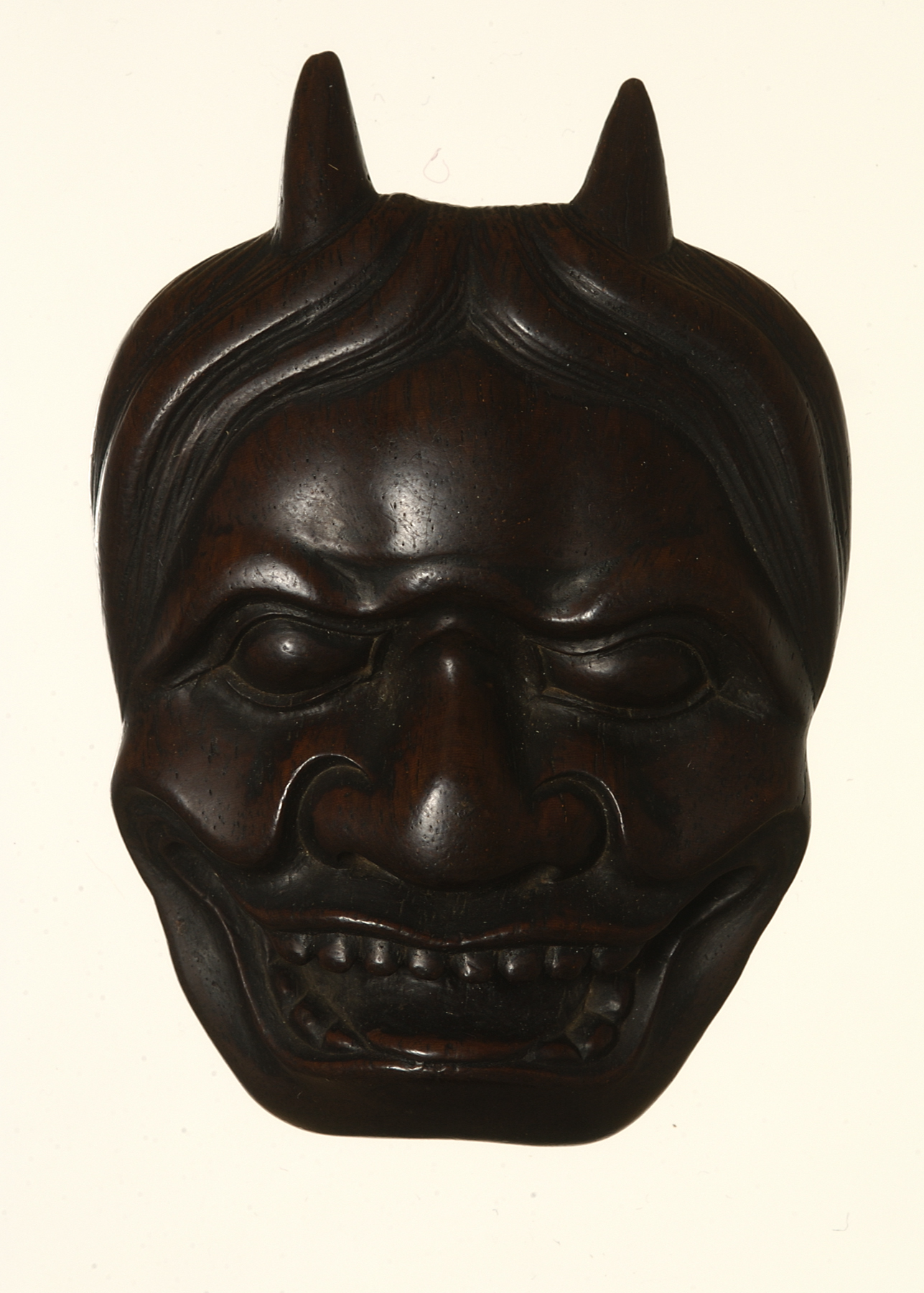
Shiomi Masanari (1647–1722)
netsuke (Hannya mask), date unknown
Deme Uman (active 1772–1780)
netsuke (fox mask), circa 1772–1780, Edo period (1600–1868)
Suzuki Kosai
netsuke (Nō mask), 1700s, Edo period (1600–1868)
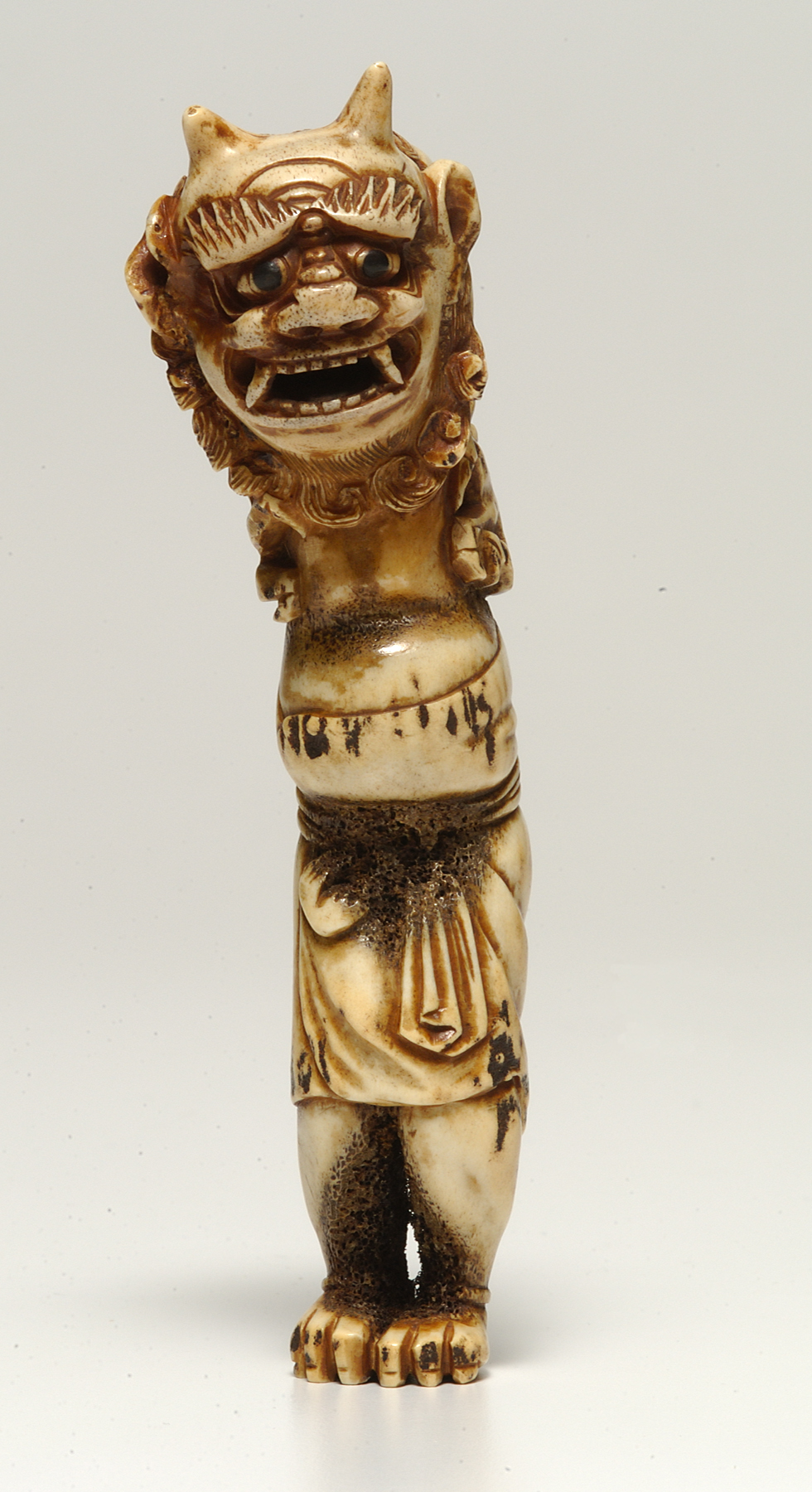
netsuke (oni), 1700s, Edo period (1600–1868)
netsuke (oni), date unknown
Okumura Masanobu (1686–1764)
Shoki, the Demon-Queller, circa 1740s, Edo period (1600–1868)
Totoya Hokkei (1780–1850)
Qingao riding a carp, circa 1820, Edo period (1600–1868)
Shunkōsai Hokushū (active circa 1802–1832)
Onoe Kikugoro III as Ghost of Oiwa, 1826, 1st month, Edo period (1600–1868)
Okumura Masanobu (1686–1764)
Fūryū kume sennin (A Fashionable Depiction of Kume the Transcendent), 1710s or late 1800s, Edo period (1600–1868)
Utagawa Kuniyoshi (1797–1861); Hayashiiya Shogoro
Spirit of Sakura Sogoro haunting Hotta Kozuke, circa 1850, Edo period (1600–1868)
Utagawa Kuniyoshi (1797–1861)
政岡 Masaoka, #16 (The Spectre of Nikki Danjō), circa 1841–1842, Edo period (1600–1868)
Utagawa Kuniyoshi (1797–1861)
#49 Lantern Ghost of Oiwa (Hebiyama; Snake Mountain), circa 1845–1847, Edo period (1600–1868)
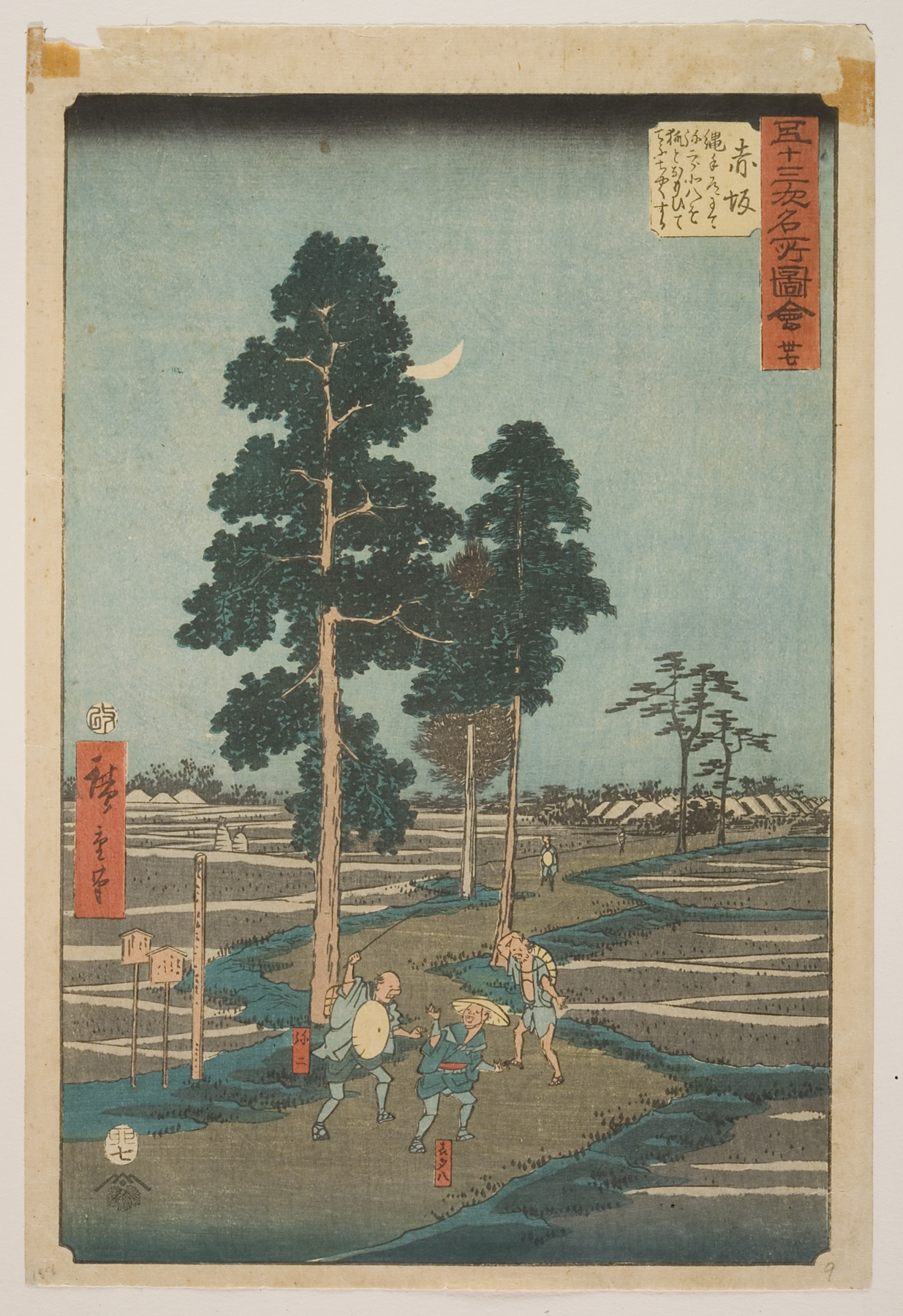
Utagawa Kuniyoshi (1797–1861); Iba-ya Sensaburo
Nissaka (The Nightly Weeping Rock), circa 1845–1846, Edo period (1600–1868)
Utagawa Kunisada (1786–1864)
Ghost of Iga Shikibunojō Mitsumune and Iganokotarō Asayuki, 1852, 6th month, Edo period (1600–1868)
Shunbaisai Hokuei (active circa 1824–1837)
Iemon Nyōbō Oiwa (Lantern Ghost of Oiwa), circa 1831, Edo period (1600–1868)
月岡芳年 Tsukioka Yoshitoshi (1839–1892)
Fuwa Bansaku and the Monster, 1865, 8th month, Edo period (1600–1868)
月岡芳年 Tsukioka Yoshitoshi (1839–1892)
Spirit of General Tamichi as a Great Snake, 1880, Meiji period (1868–1912)
Utagawa Kunisada (1786–1865)
Utagawa Kunisada (1786–1864)
actors in roles as the ghosts of Kamata Matahachi and Kikuno, 1855, 7th month, Edo period (1600–1868)
Toyohara Kunichika (1835–1900)
Scene from Banchō Sarayashiki, 1892, 10th month, Meiji period (1868–1912)
Utagawa Yoshiiku (1833–1904)
Hara Zaichū (1750–1837)
Taoist Priest (Gama and Tekkai), late 1700s–early 1800s, Edo period (1600–1868)
Hara Zaichū (1750–1837)
Taoist Priest (Gama and Tekkai), late 1700s–early 1800s, Edo period (1600–1868)
Utagawa Kunisada (1786–1864)
Ariwara No Narihira as the Ghost of Seigen, 1852, 10th month, Edo period (1600–1868)
Utagawa Yoshitaki (1841–1899)
Actor Nakamura Shojura as Mitsukuni, circa 1880s, Meiji period (1868–1912)
Utagawa Yoshiiku (1833–1904)
Night Parade of 100 Demons (frog triptych), 1893, Meiji period (1868–1912)
Utagawa Kuniyoshi (1797–1861)
Utagawa Yoshitsuya (1822–1866)
Tsuchigumo (Earth Spider), circa 1847–1852, Edo period (1600–1868)
月岡芳年 Tsukioka Yoshitoshi (1839–1892)
Priest Raigō of Mii Temple Transformed into a Rat, 1891, Meiji period (1868–1912)
Utagawa Yoshiiku (1833–1904)