Katsushika Hokusai,
Artist Overview
Artist name:Katsushika Hokusai
Works of Art: 102

神奈川沖波裏 Kanagawa oki nami ura (The Great Wave off Kanagawa), circa 1829–1833, Edo period (1600–1868)
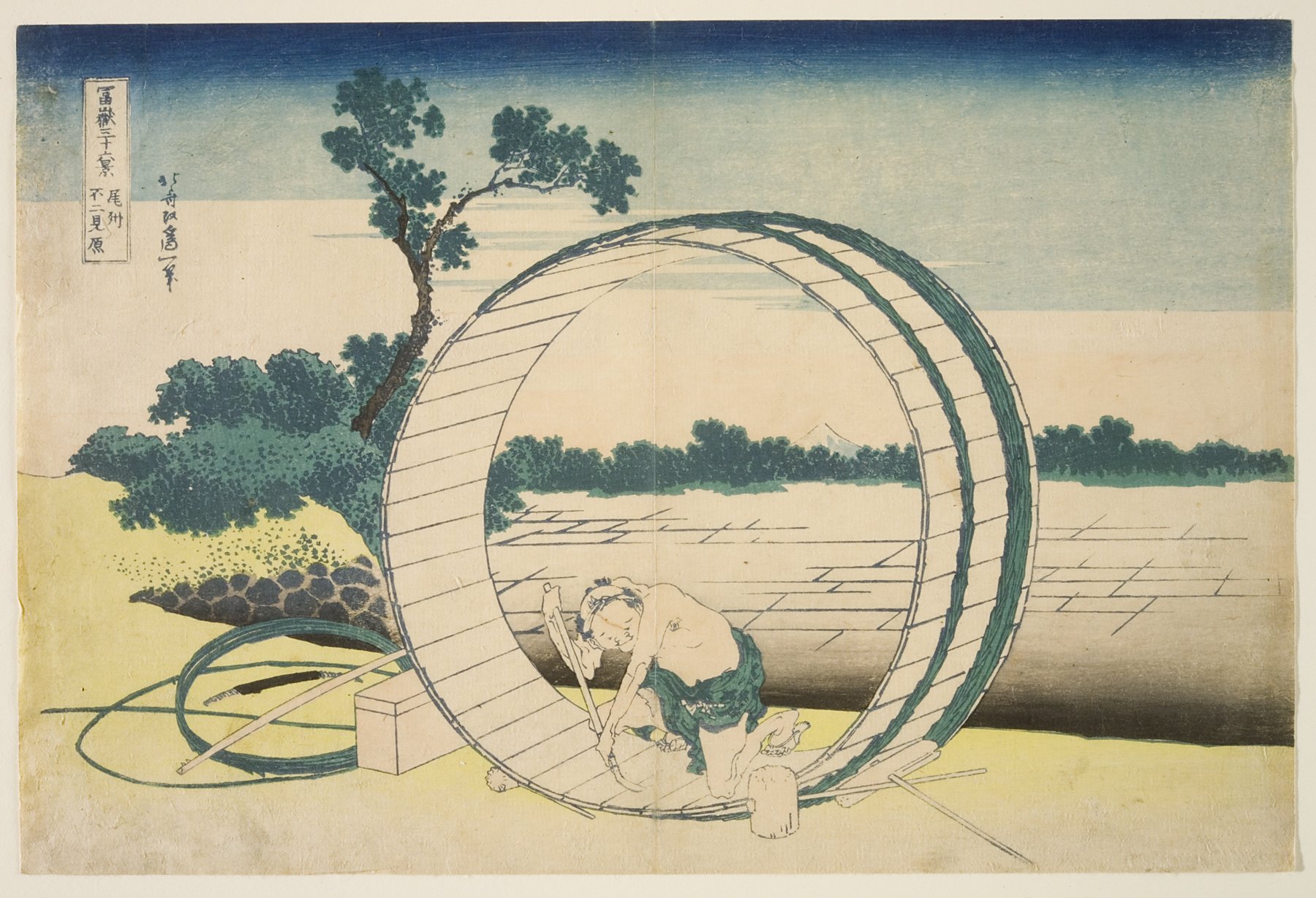
尾州不二見原 Bishu Fujimihara (Fuji Seen Through a Barrel), early 1830s, Edo period (1600–1868)
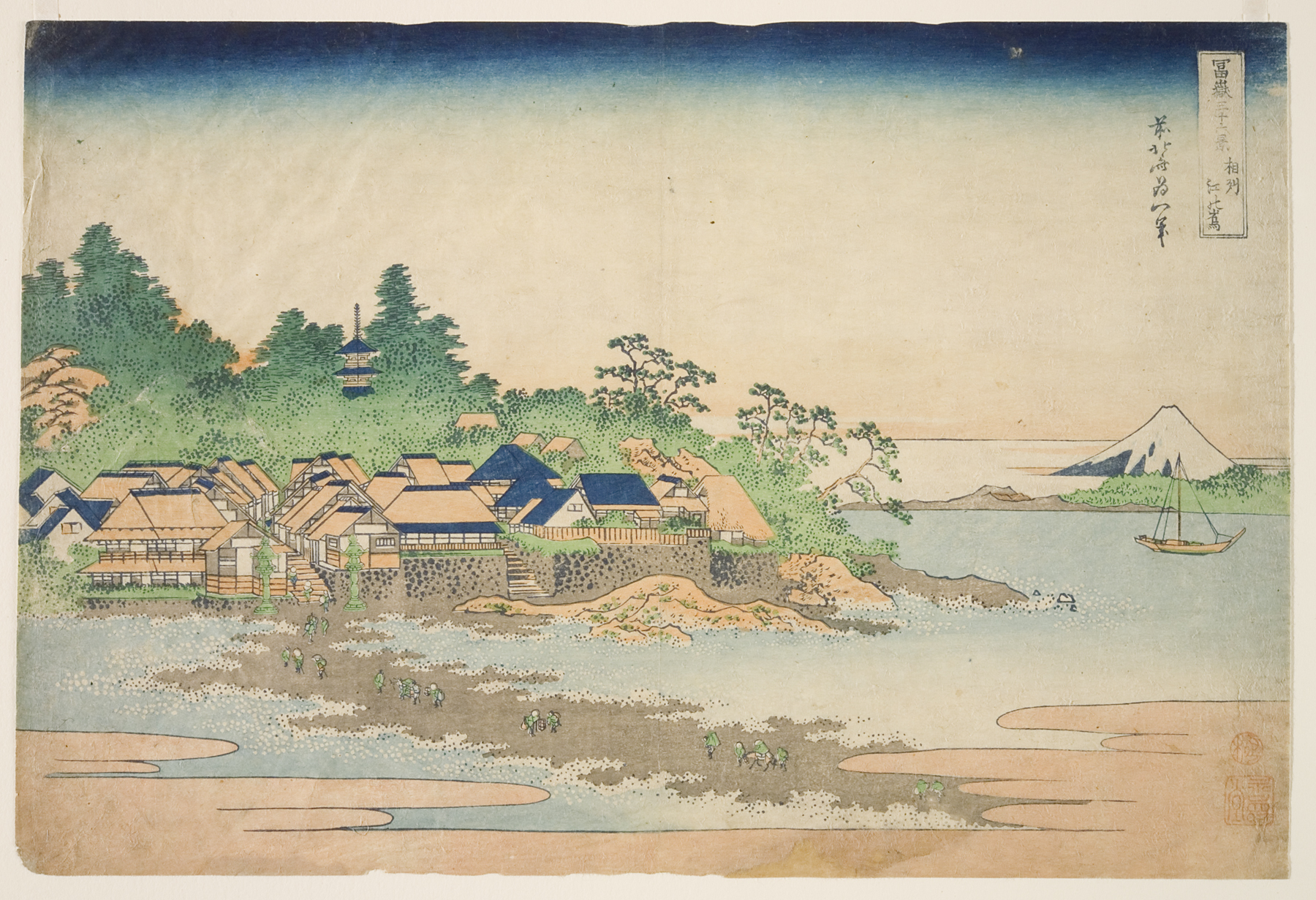
Sōshū Enoshima (Enoshima in Sagami Province), circa 1830, Edo period (1600–1868)
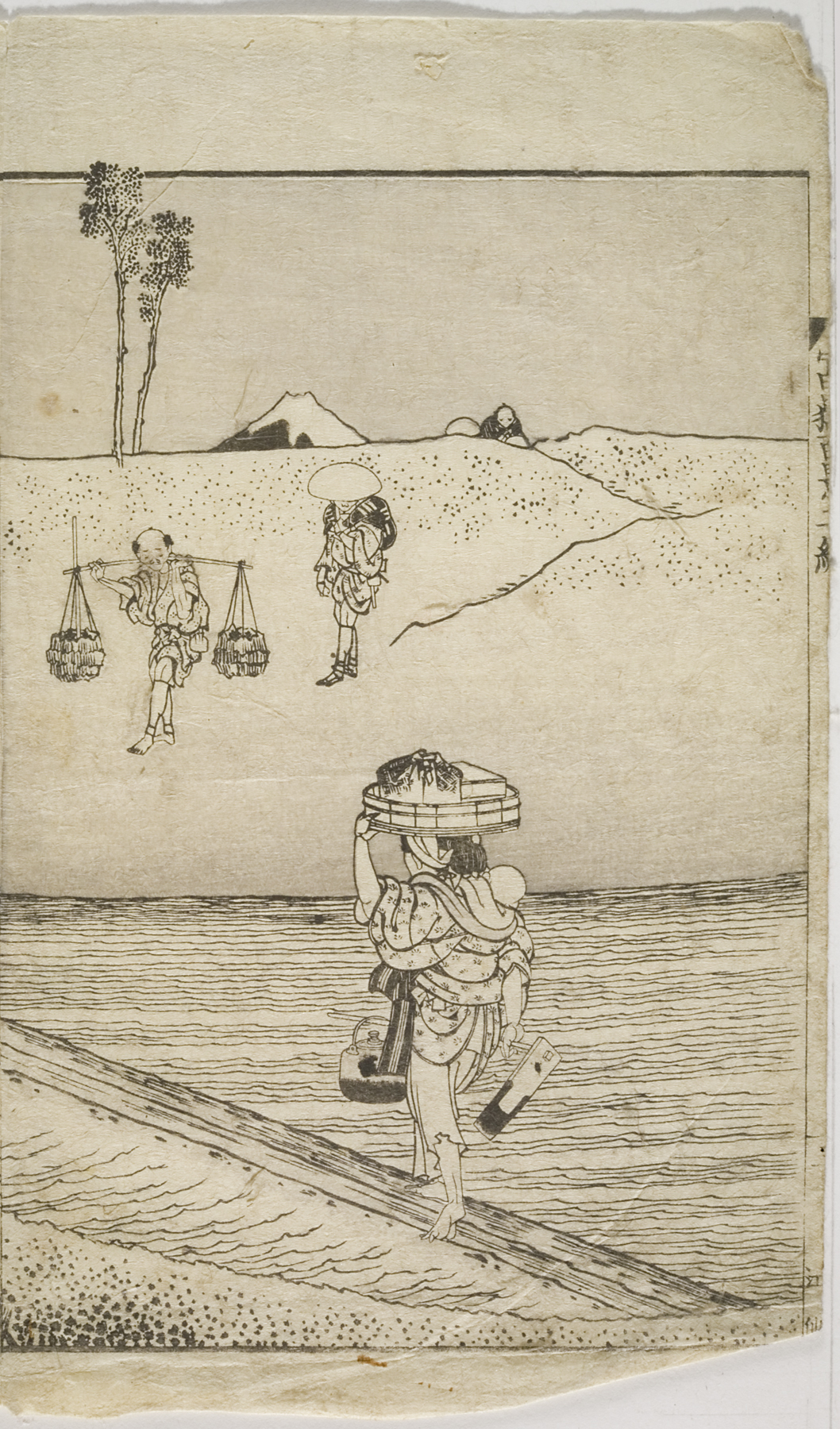

(Act Ten, Yuranosuke and Gihei's wife), 1800s, Edo period (1600–1868)
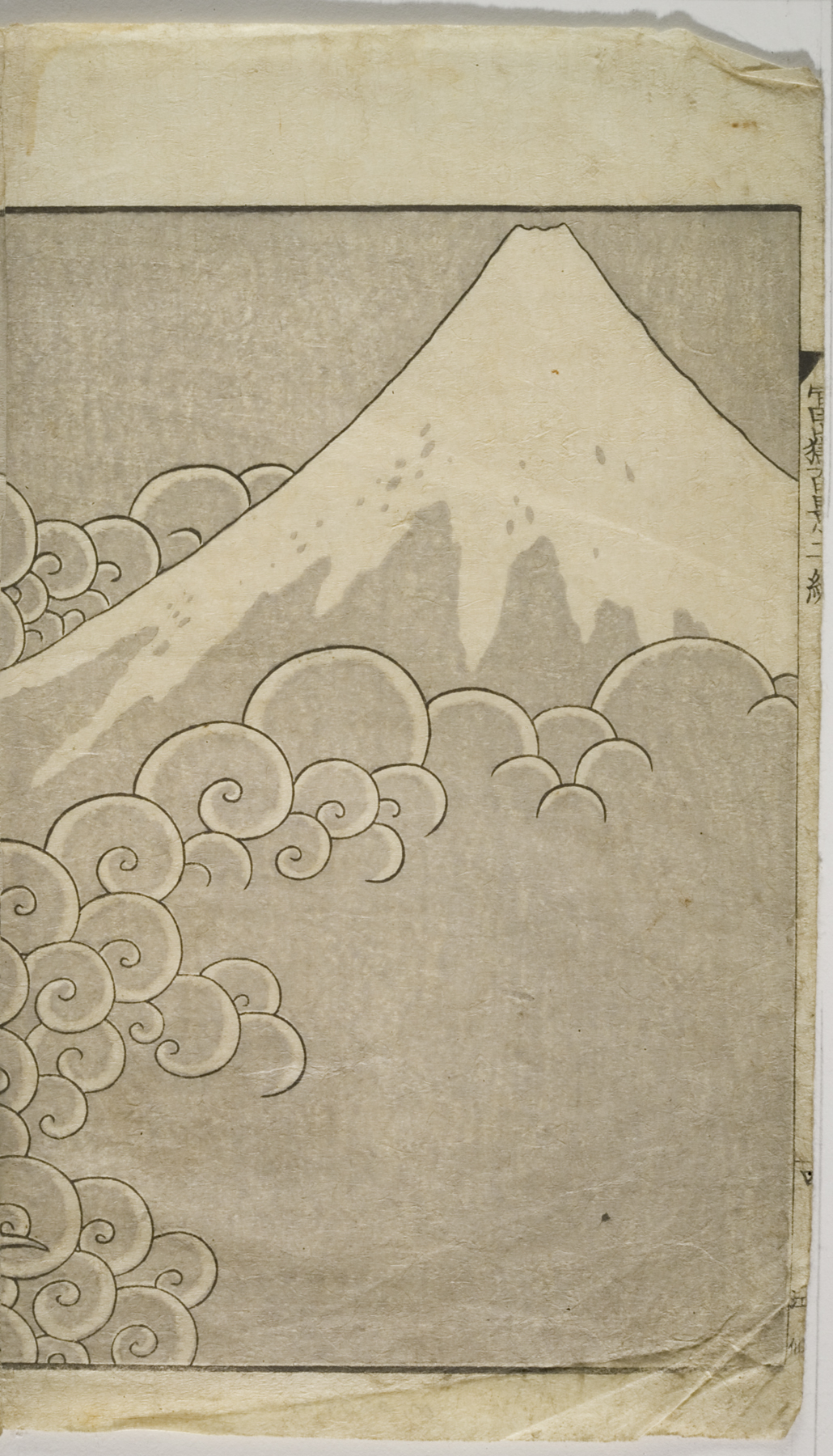
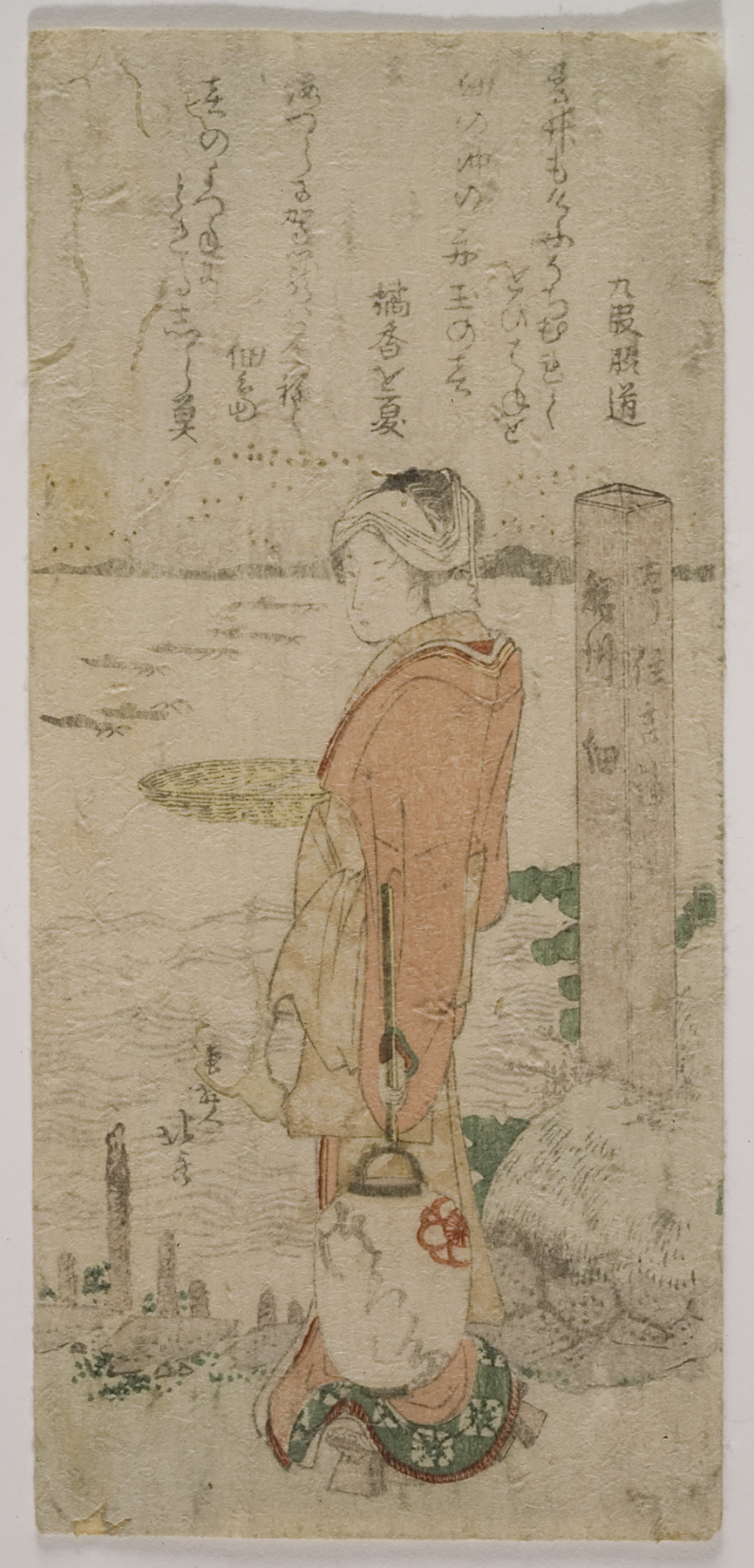
young woman strolling at night, circa 1800–1805, Edo period (1600–1868)
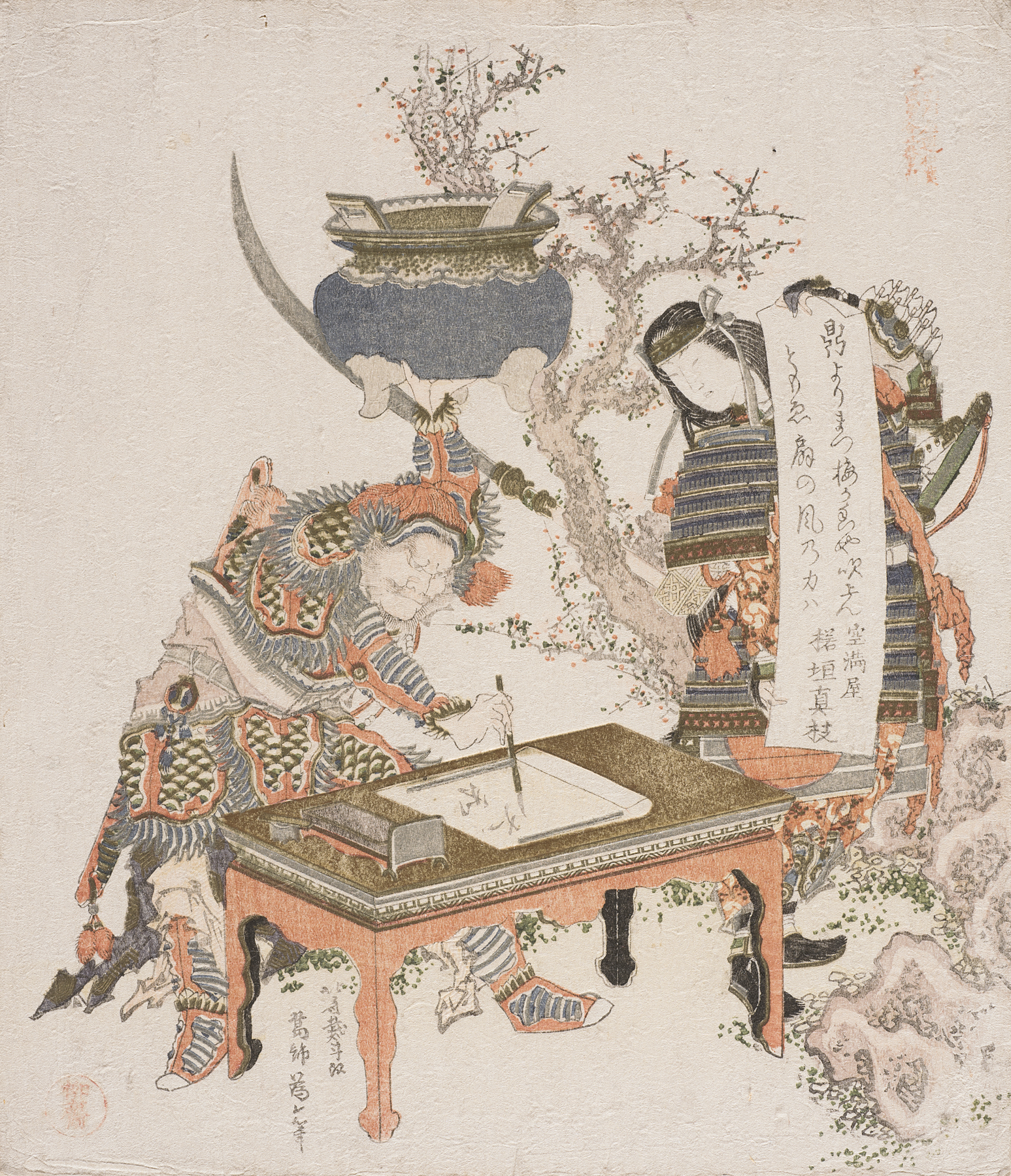
Tomoe Gozen and Xiang Yu, 1820, Edo period (1600–1868)
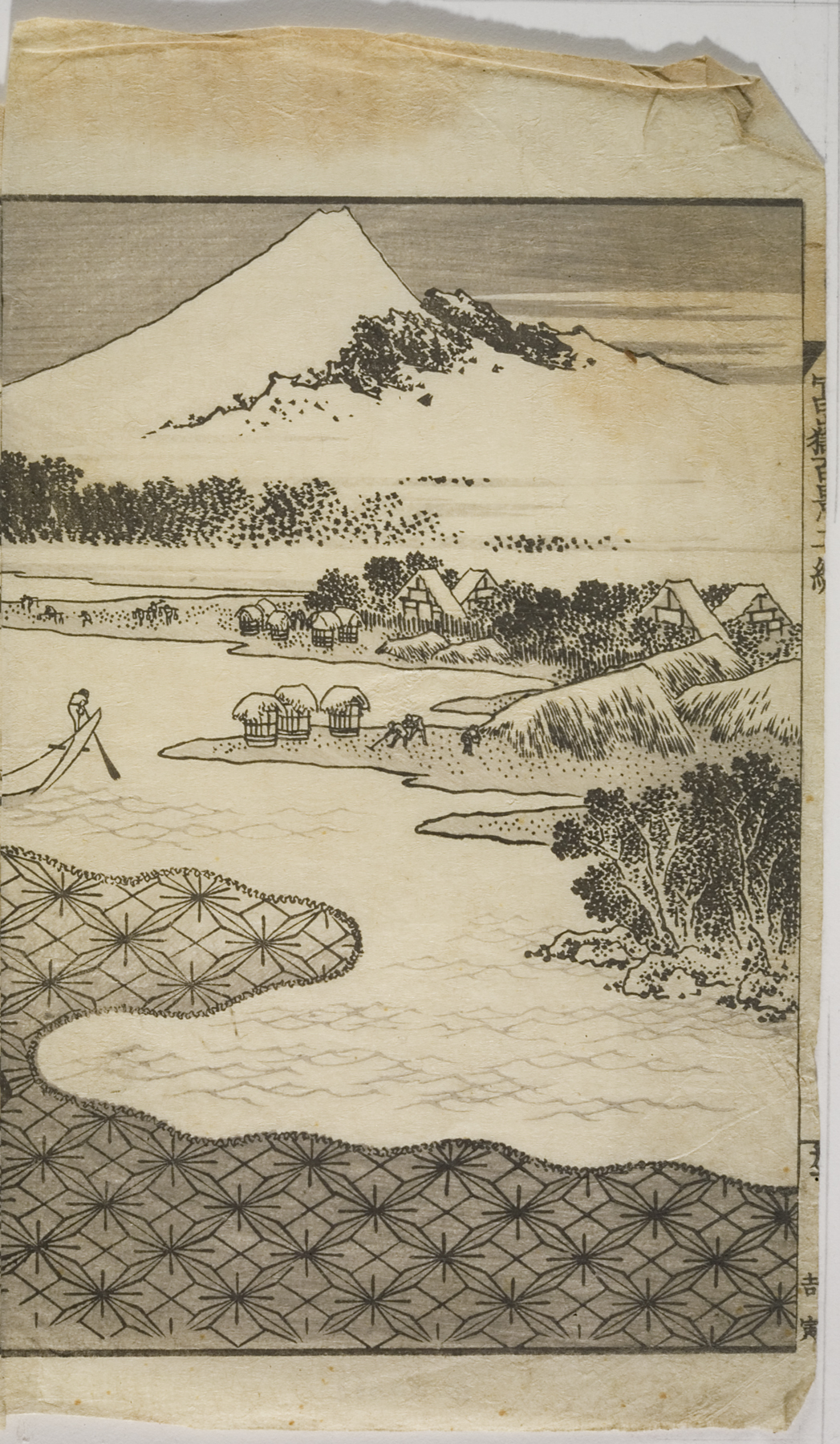
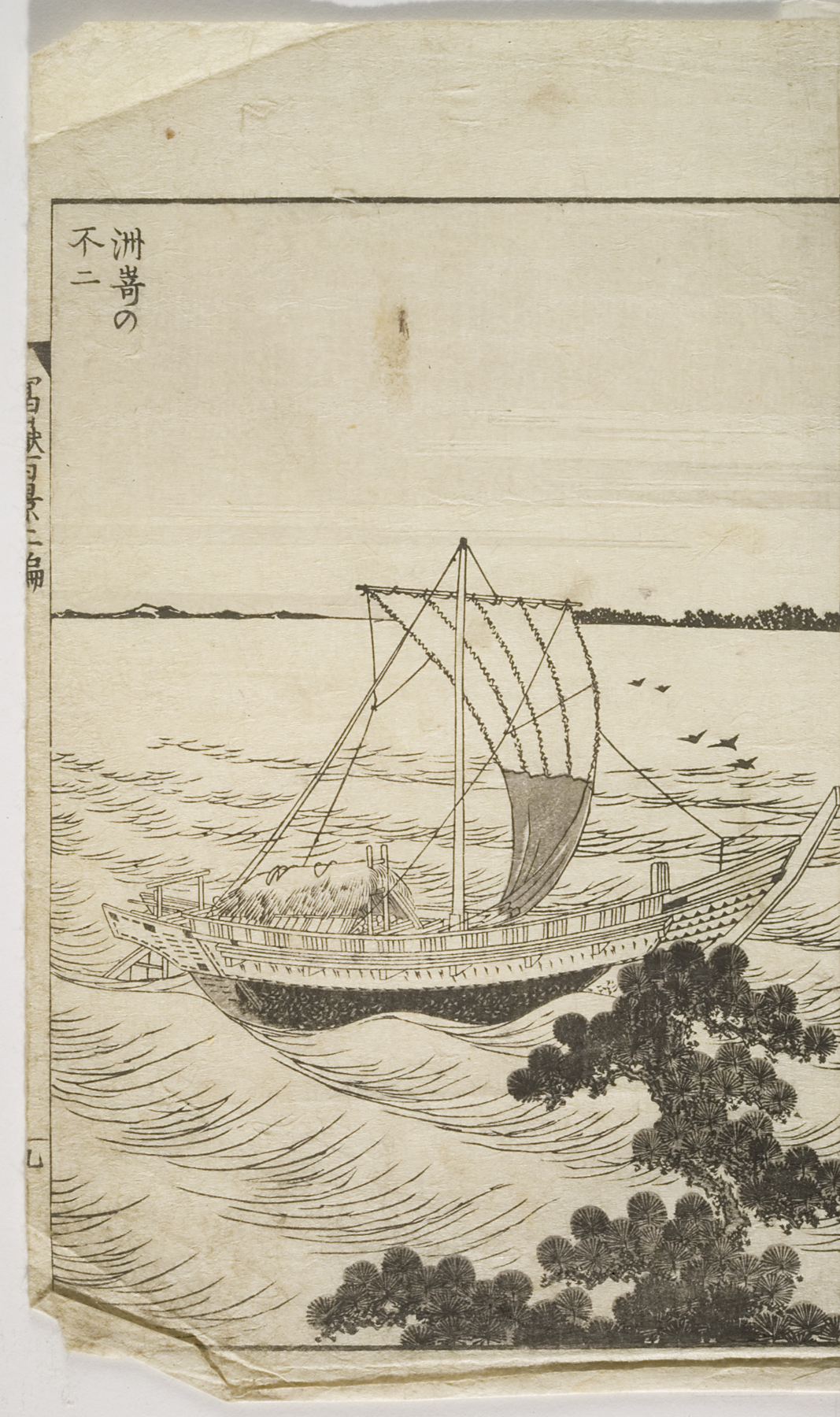
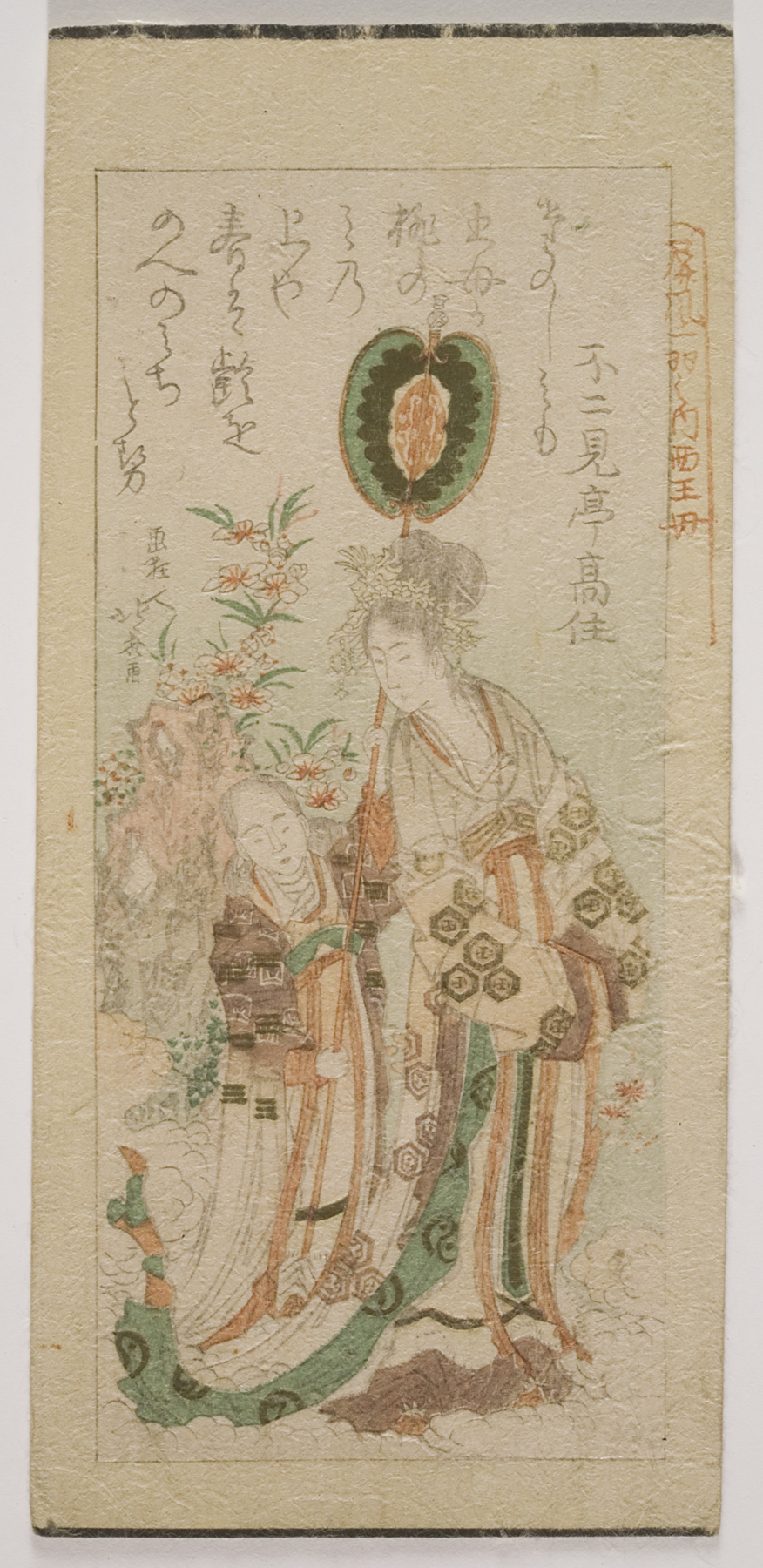
Seiōbo (Hsi Wang Mu, the Taoist goddess), circa 1800–1805, Edo period (1600–1868)
Ōiko and Fan Kuai, circa 1820, Edo period (1600–1868)
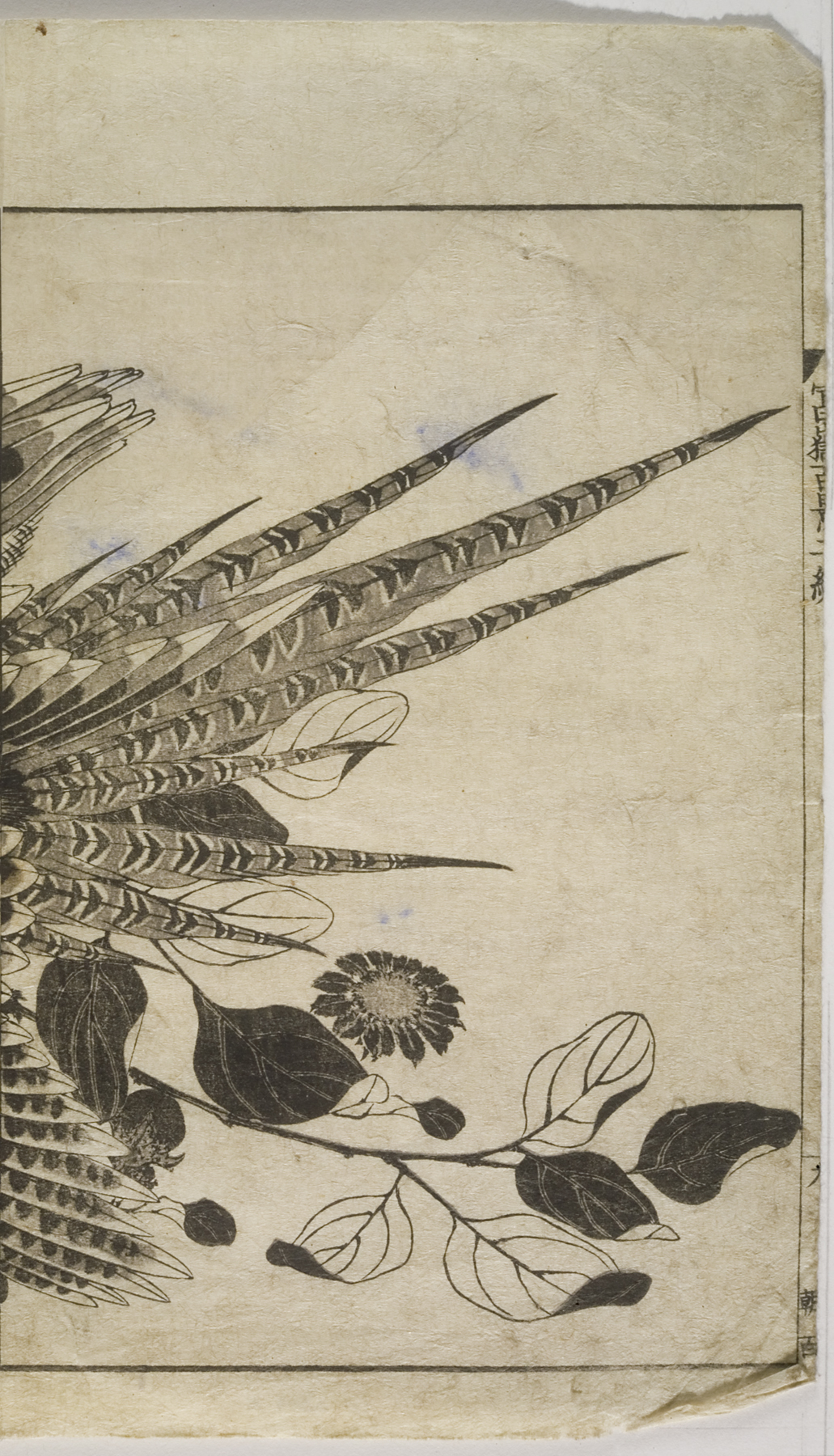
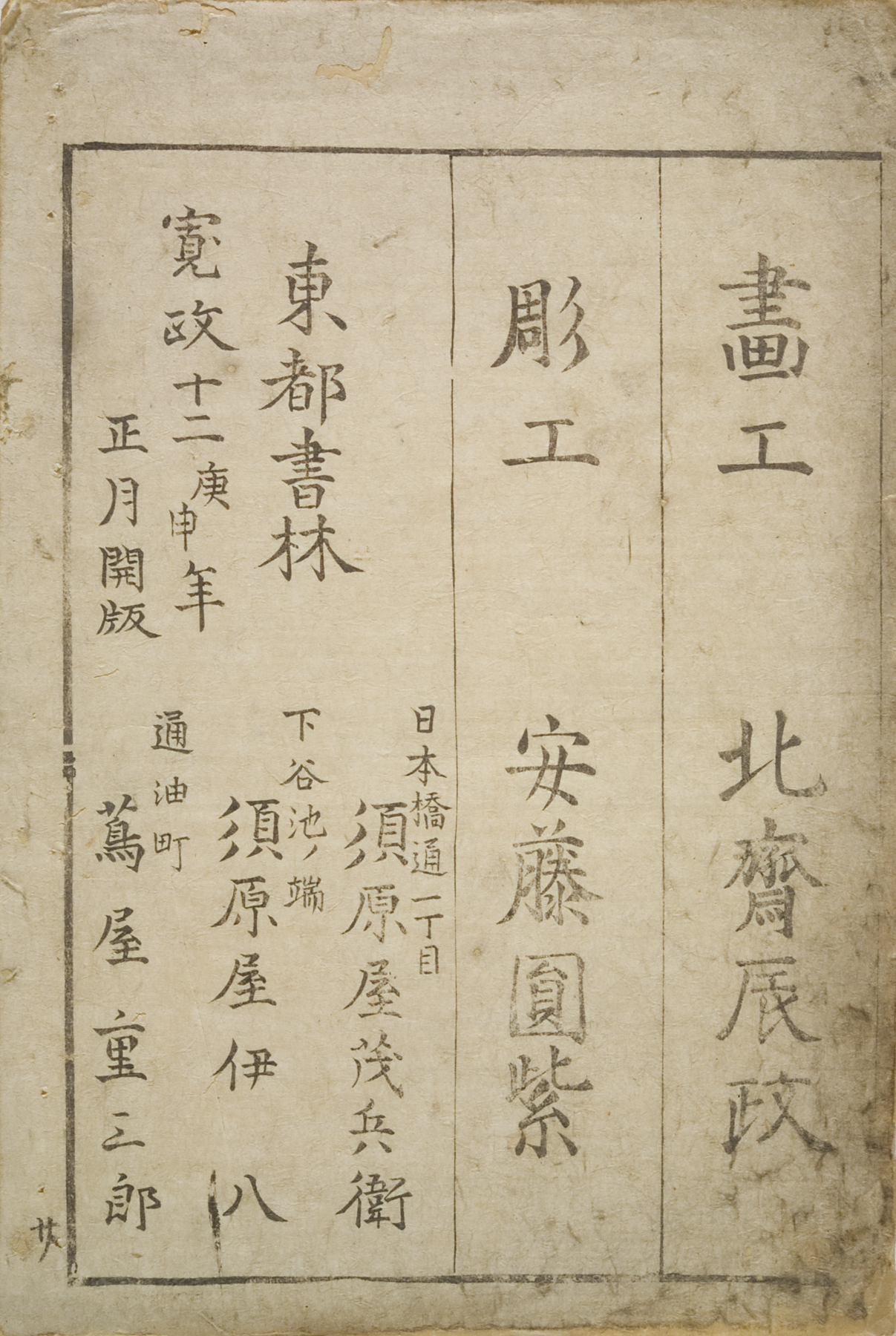
one of four pages, Views of famous places in Eastern capital, 1800, Edo period (1600–1868)
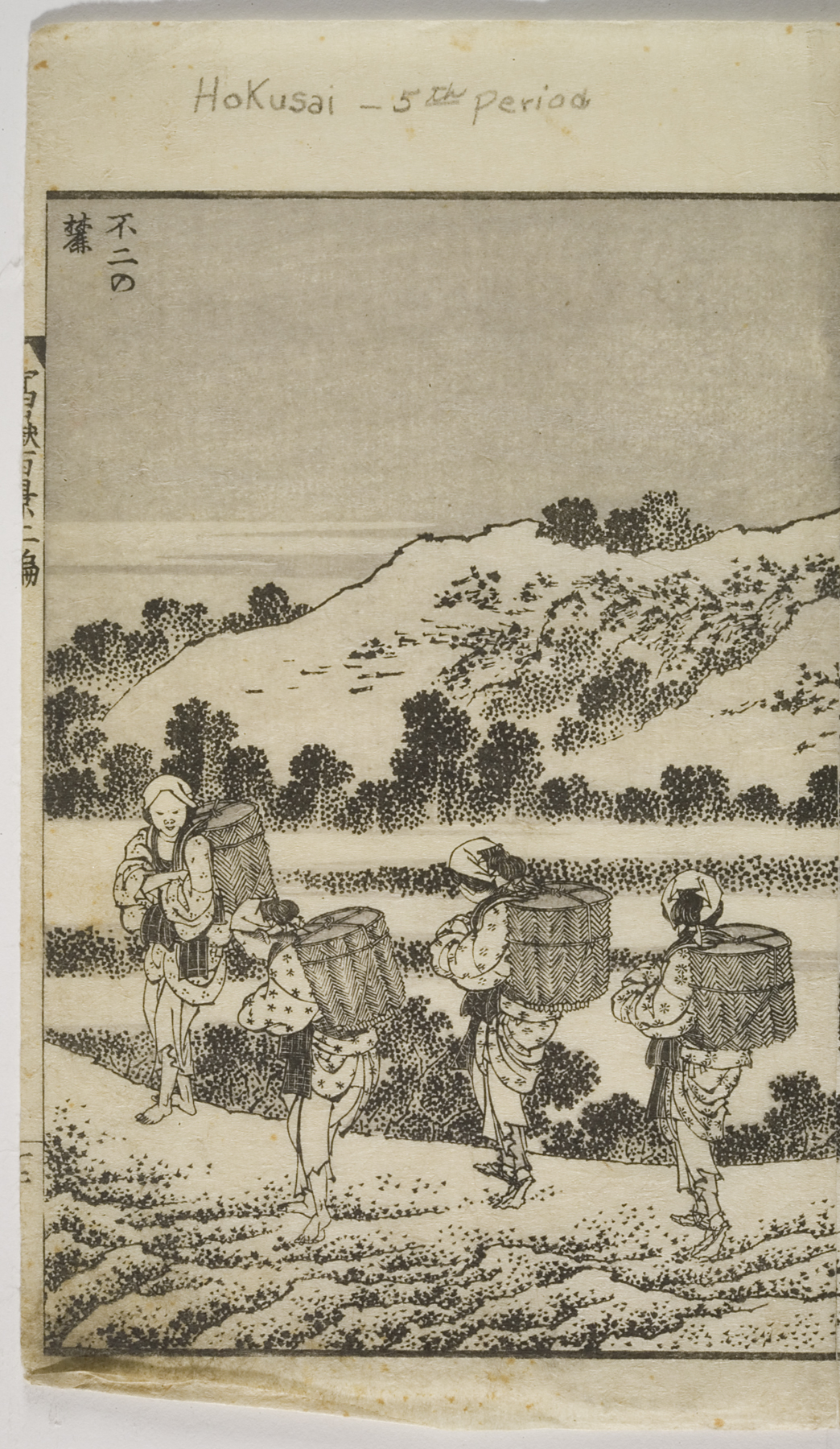
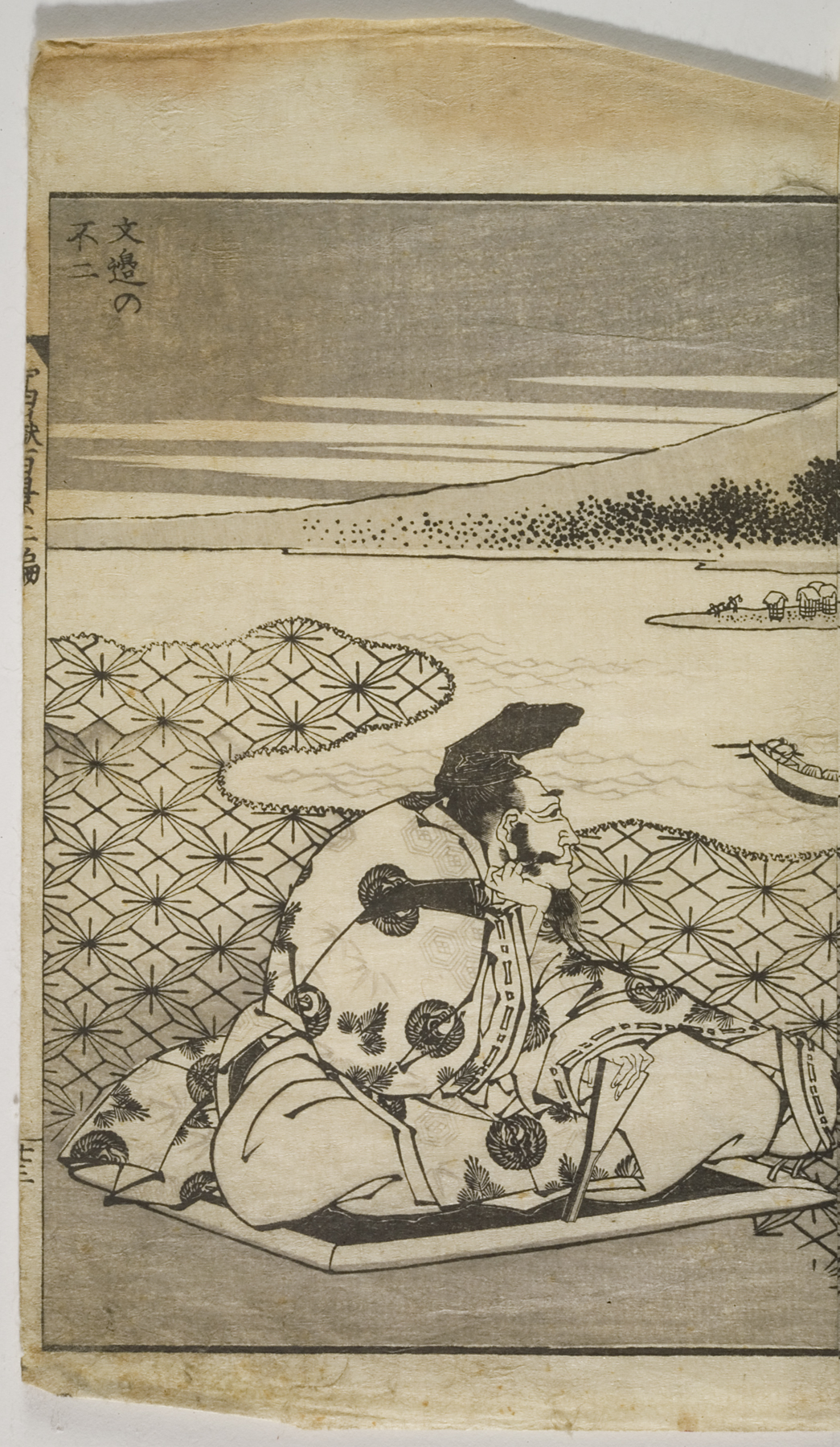
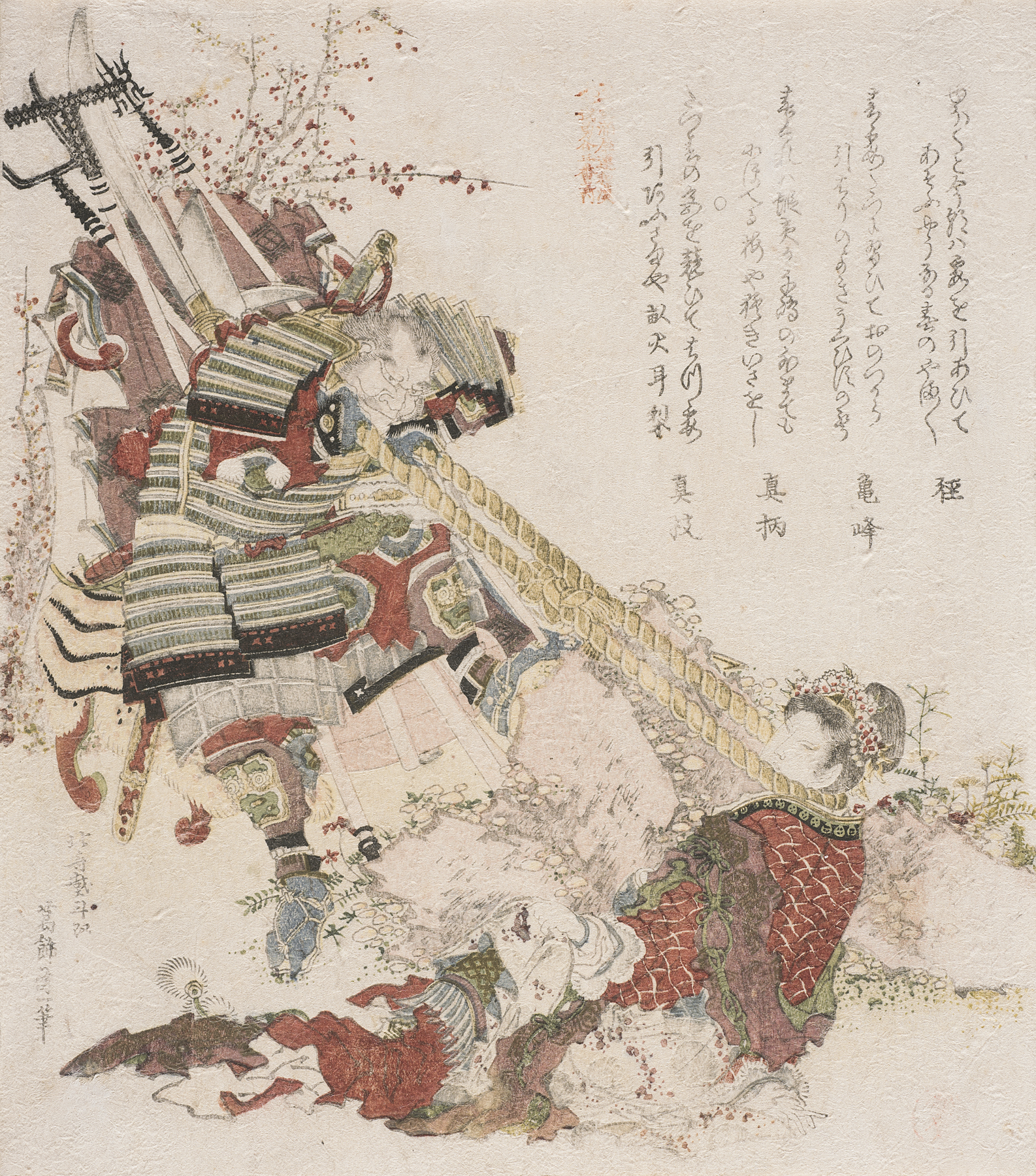
Benkei and Chinese princess, 1820, Edo period (1600–1868)
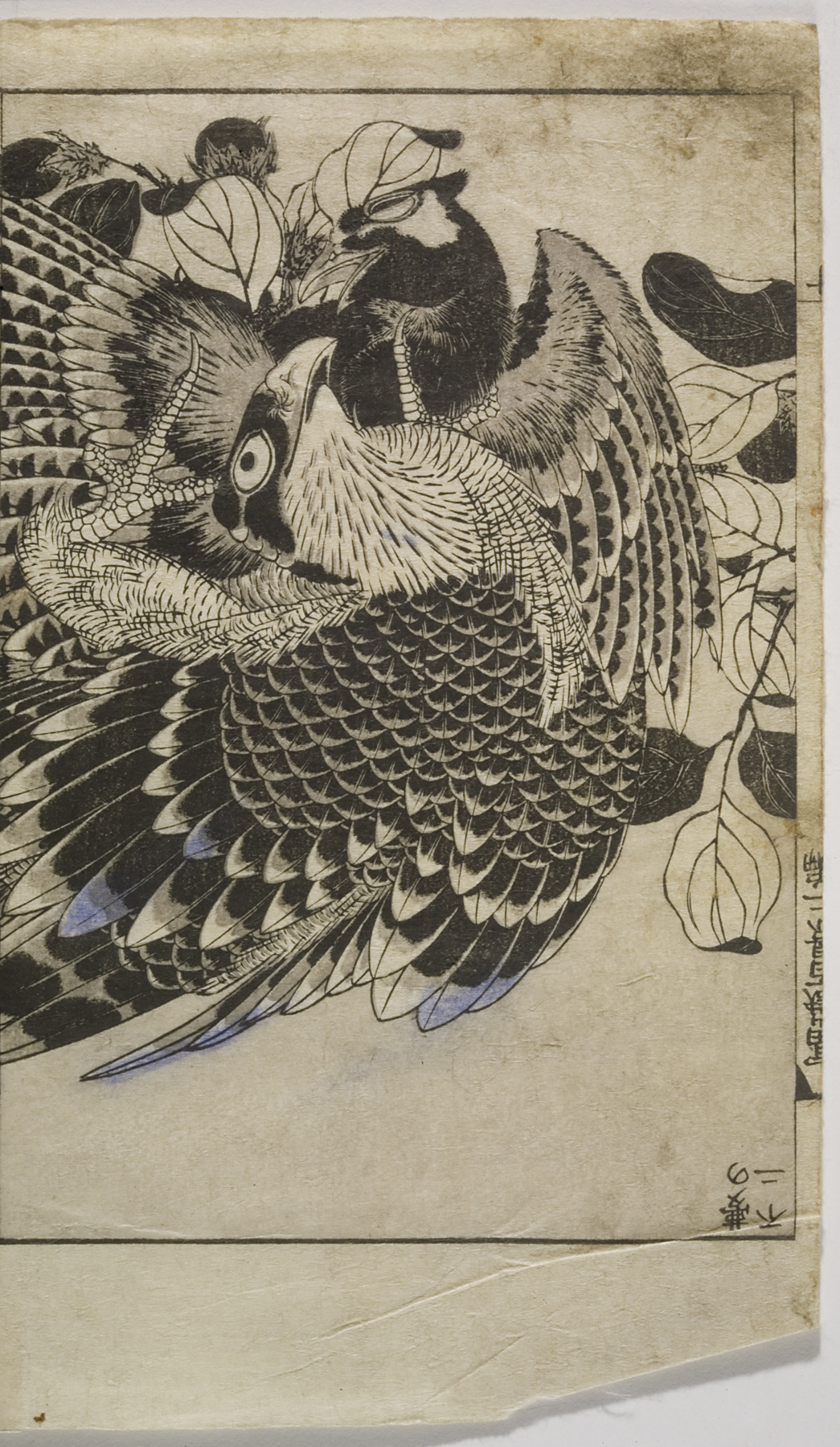
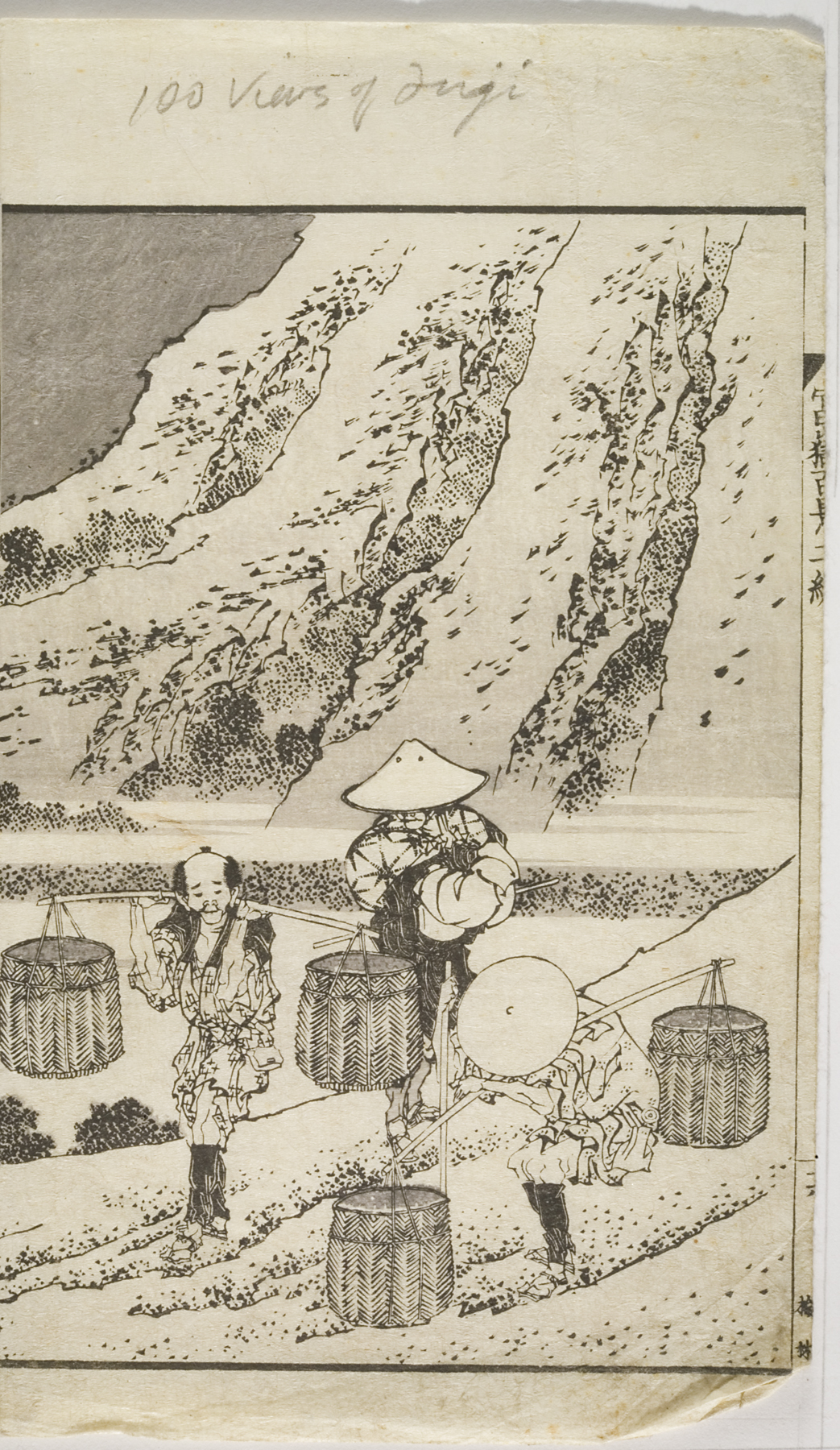
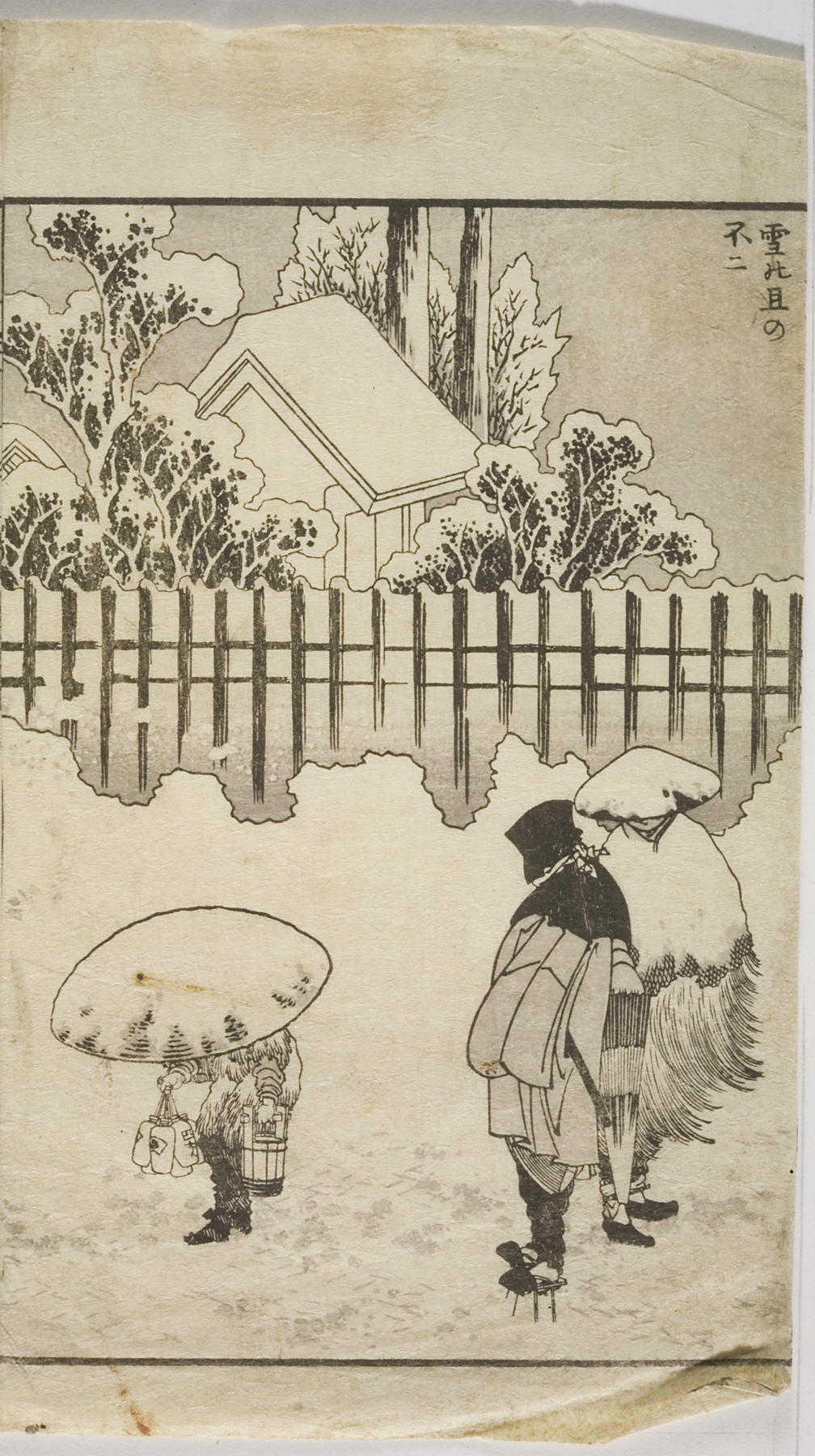
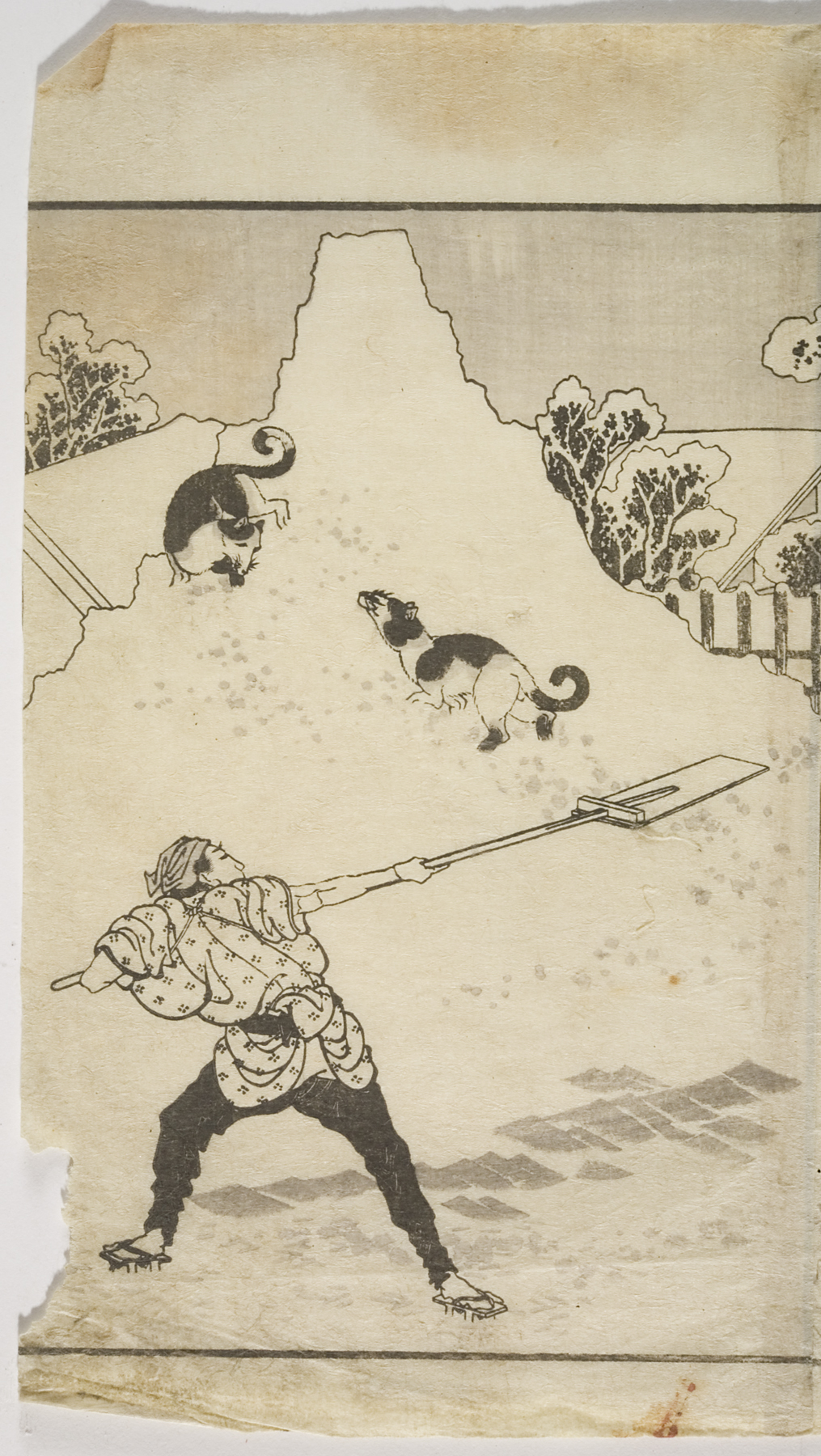
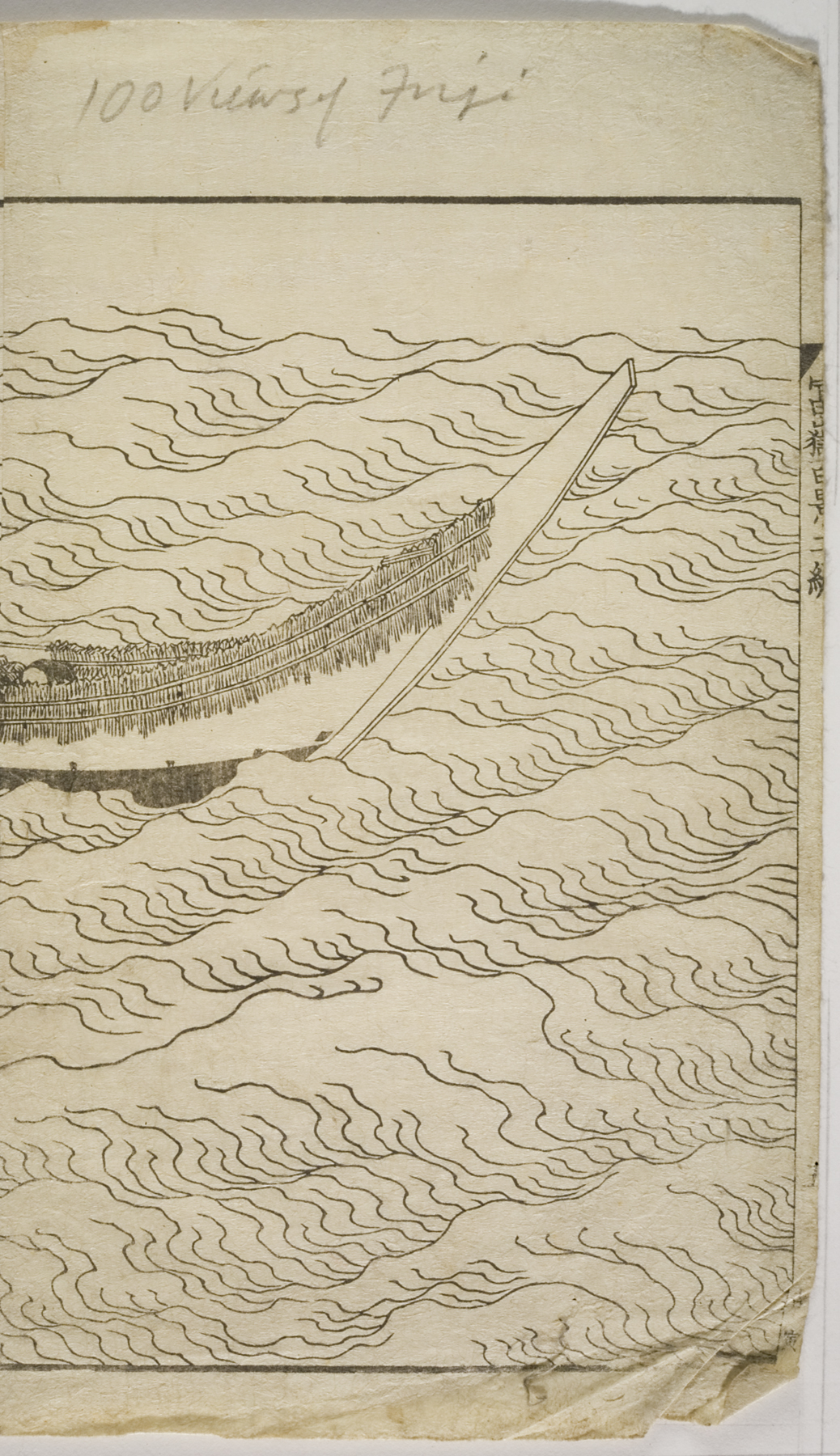
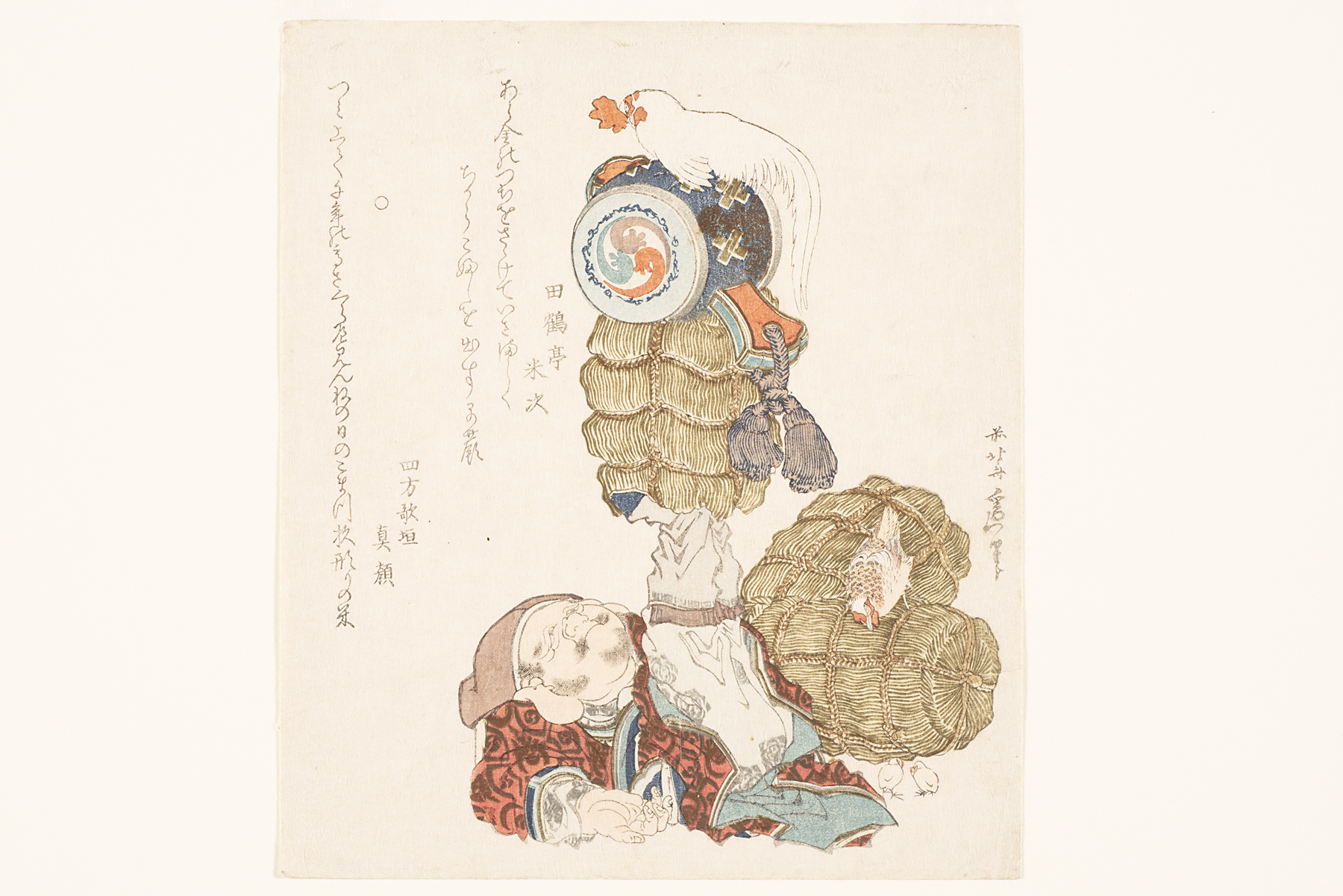
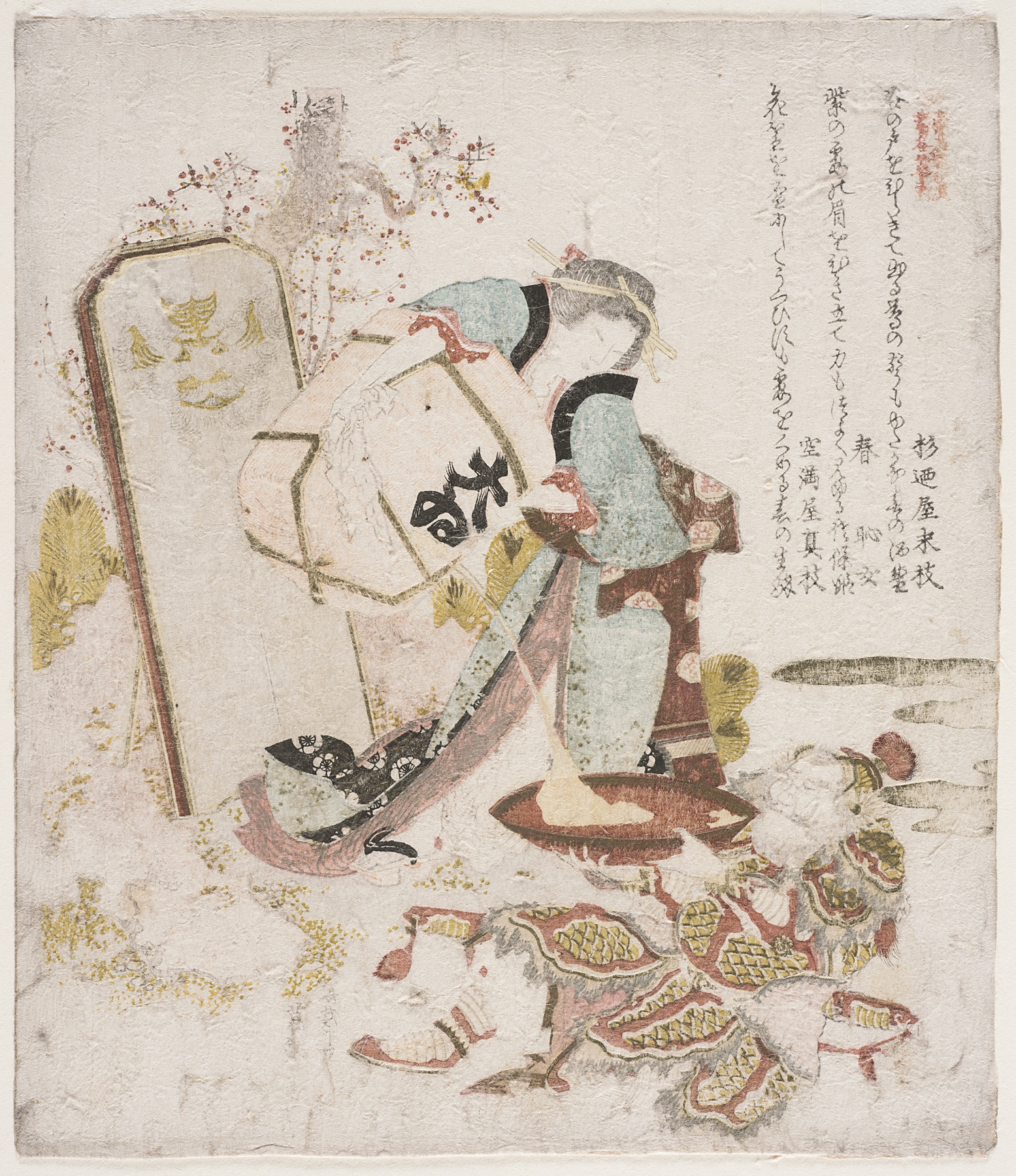
Daikoku lifting a rice bale, 1825, Edo period (1600–1868)
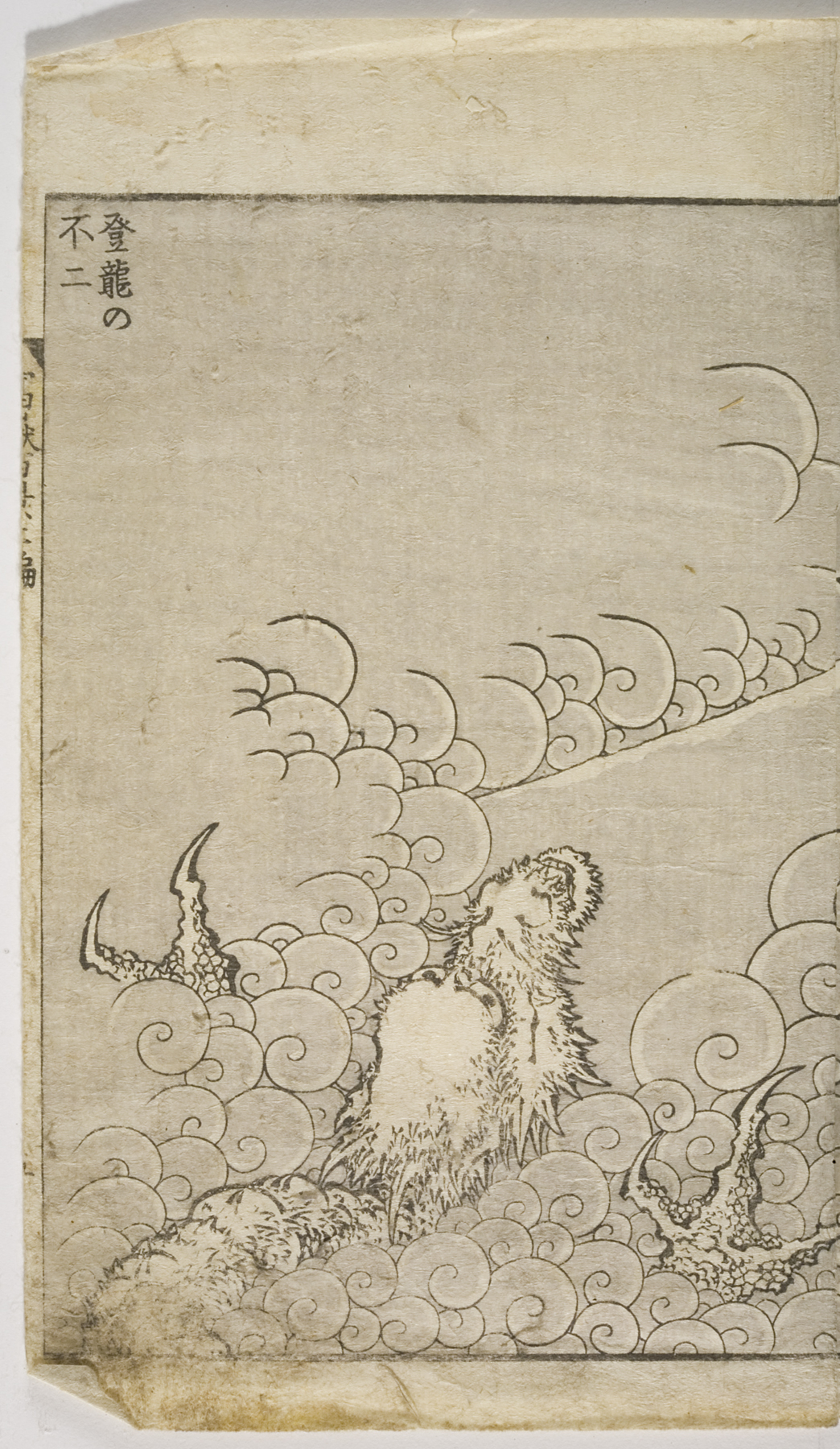
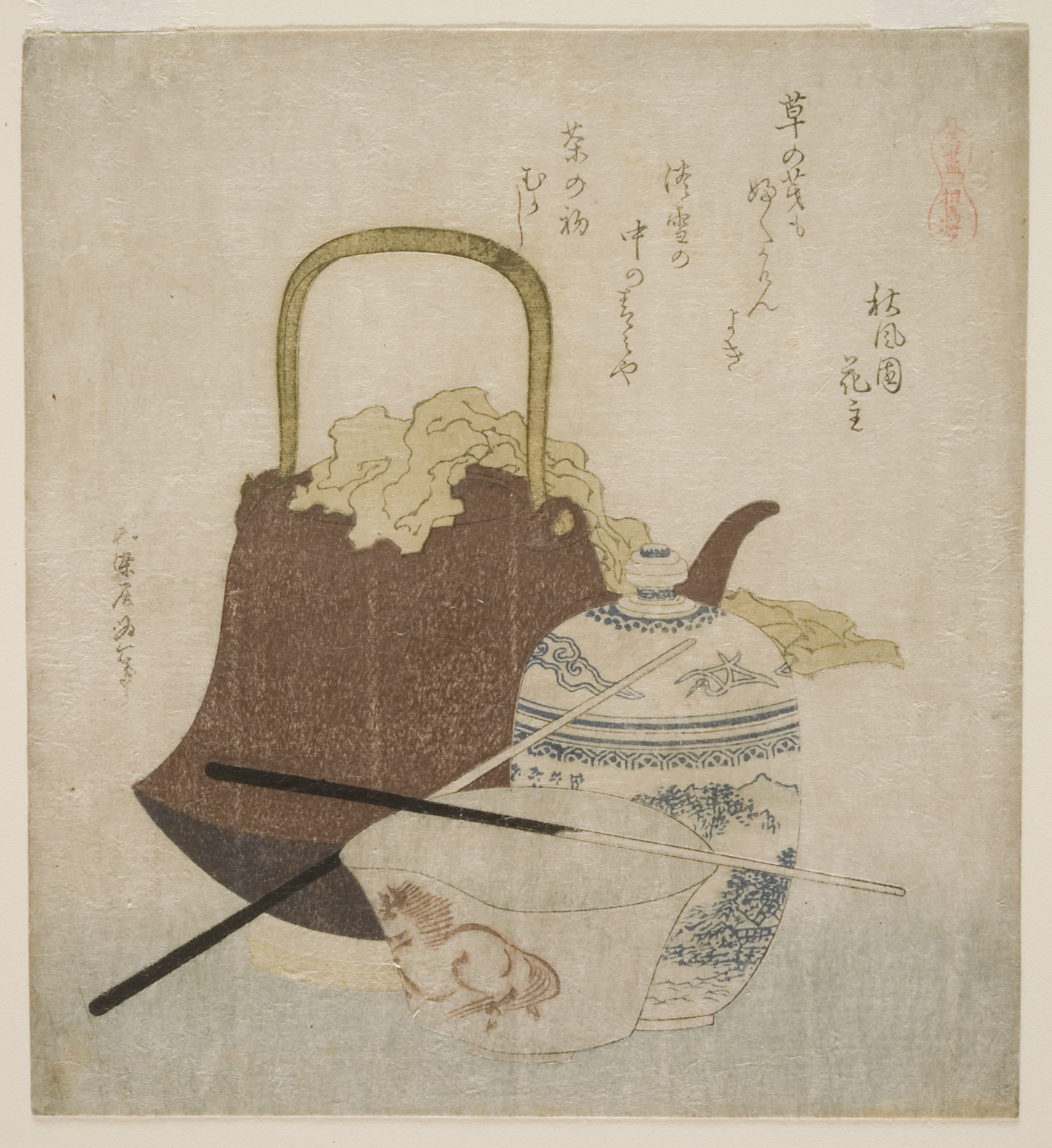
Sōmayaki (Ceramics from Sōma), 1822, Edo period (1600–1868)
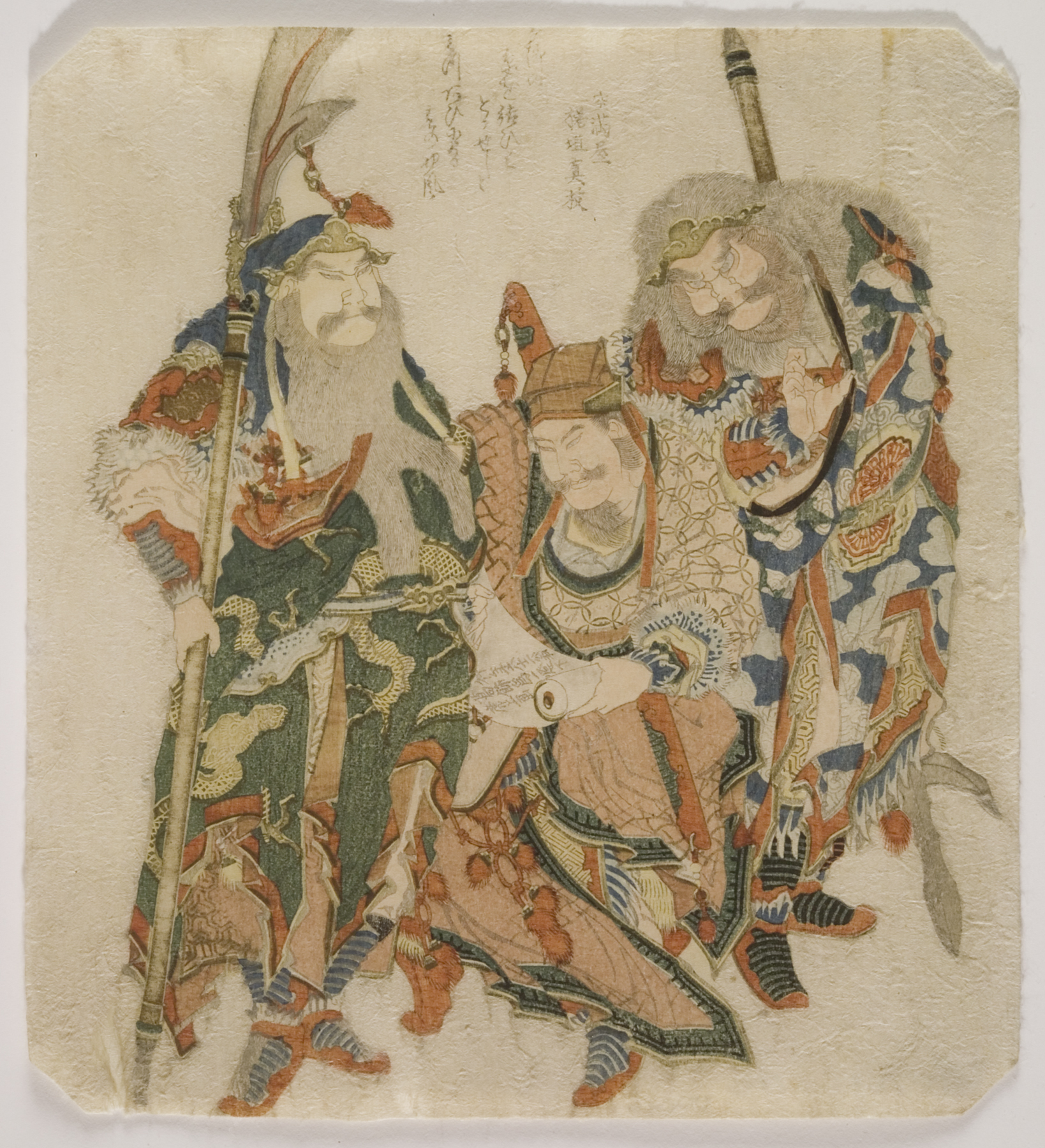
Gentoku, Kan'u and Chōhi (Liu Pei, Guanyu and Zhang Fei; Three Chinese Heroes of Later Han Dynasty), 1821, Edo period (1600–1868)
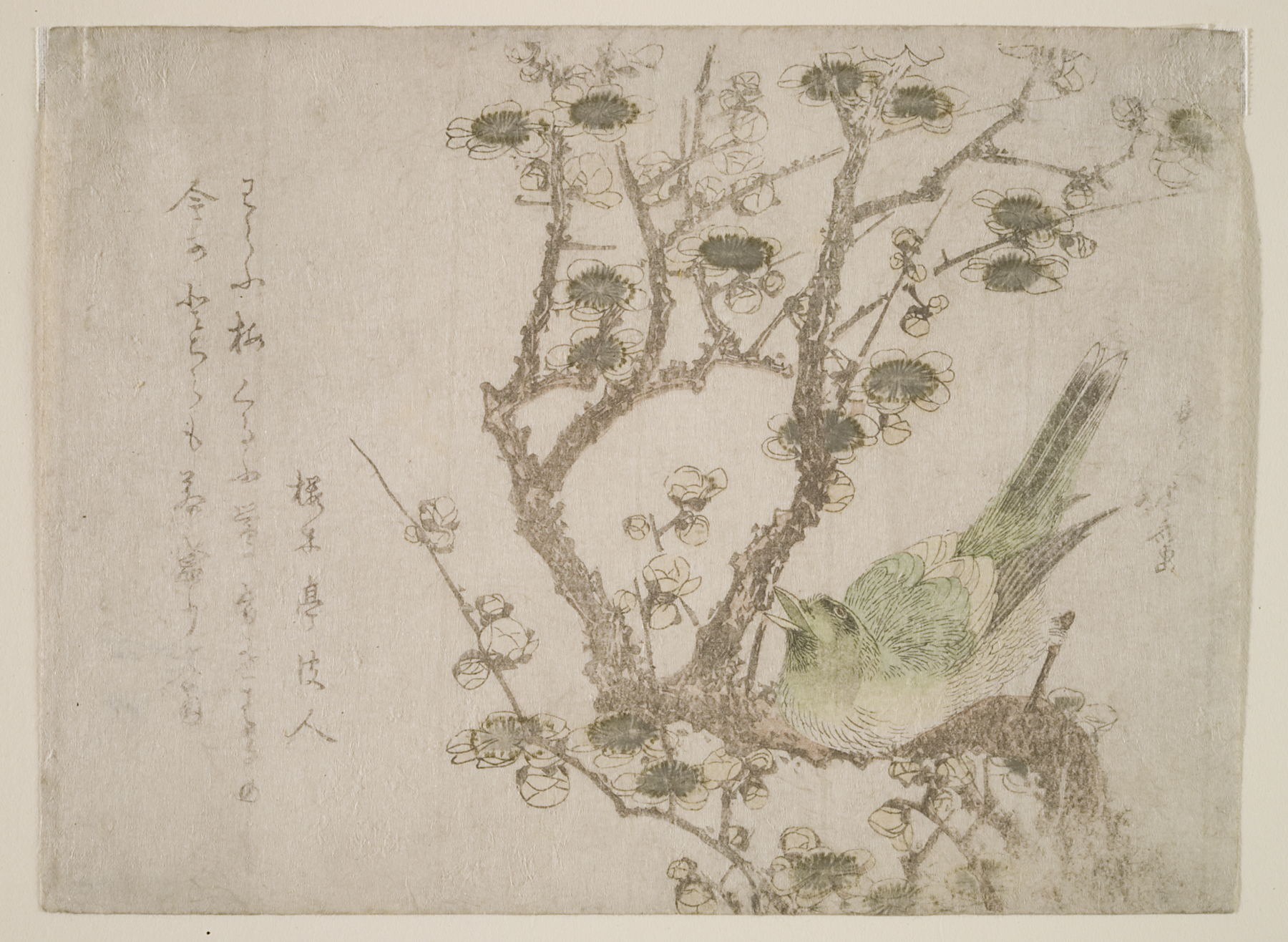
bush warbler on plum branch (uguisu), circa early 1800s, Edo period (1600–1868)

Microscope, circa 1800–1805, Edo period (1600–1868)
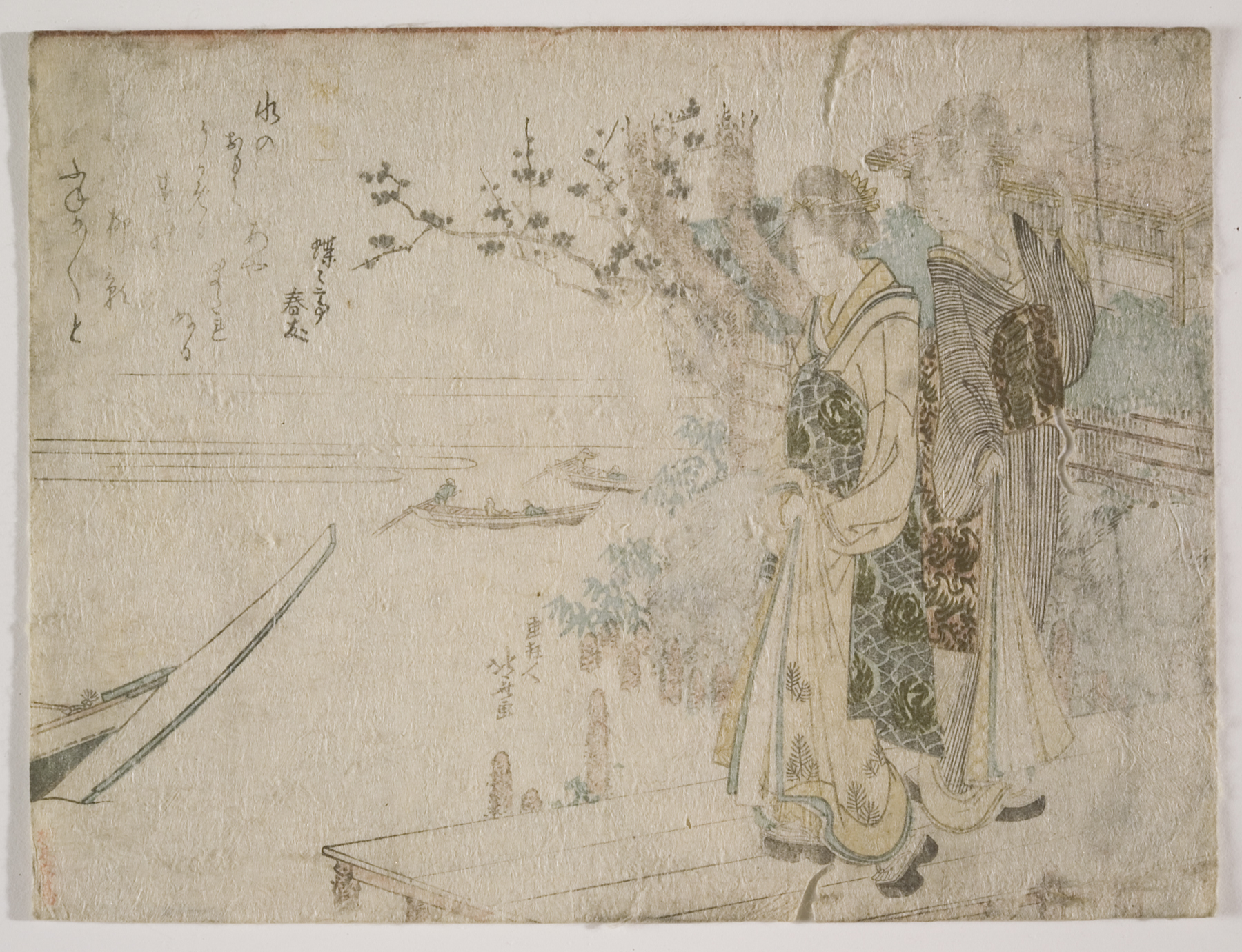
Yanagibashi, circa 1800–1805, Edo period (1600–1868)
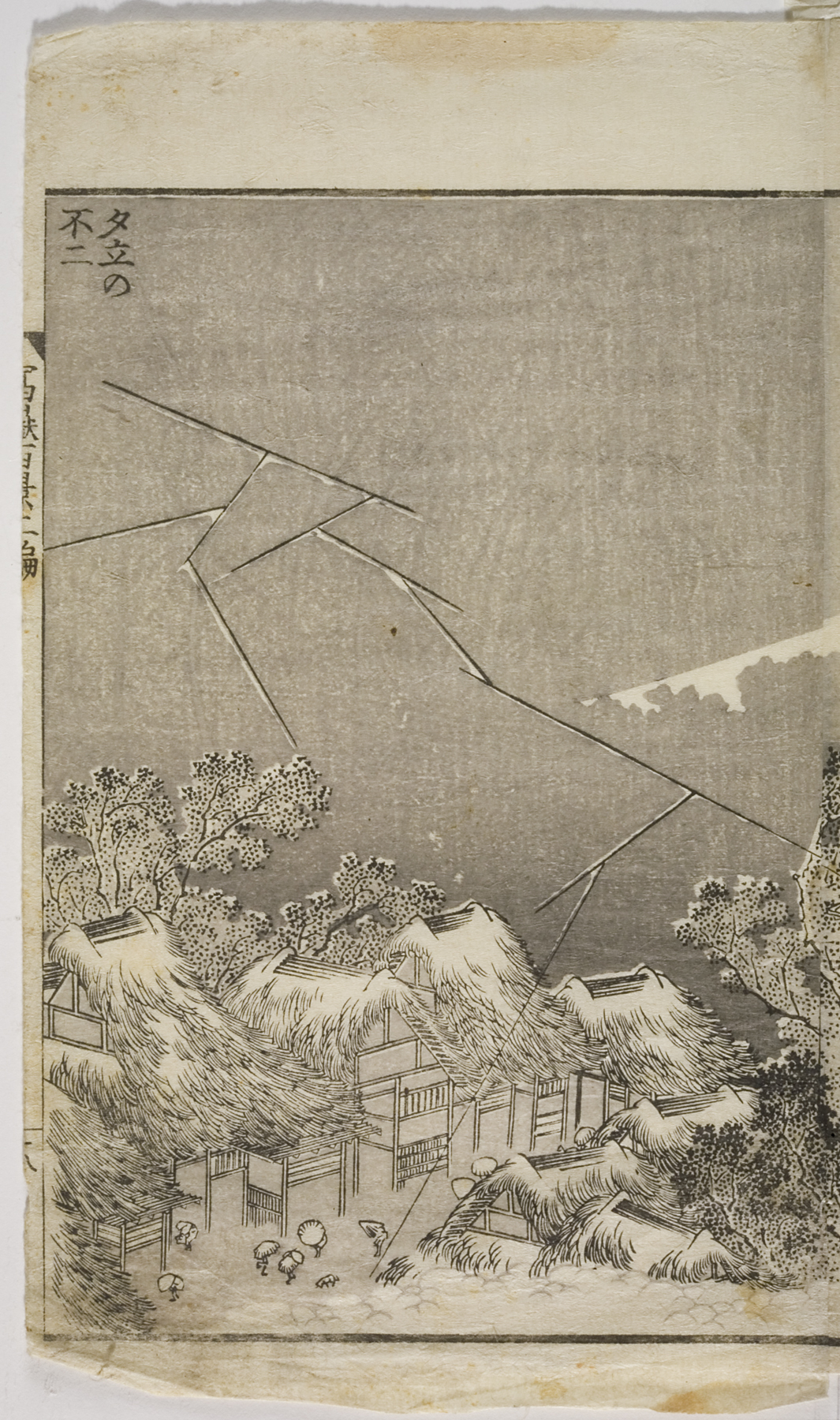
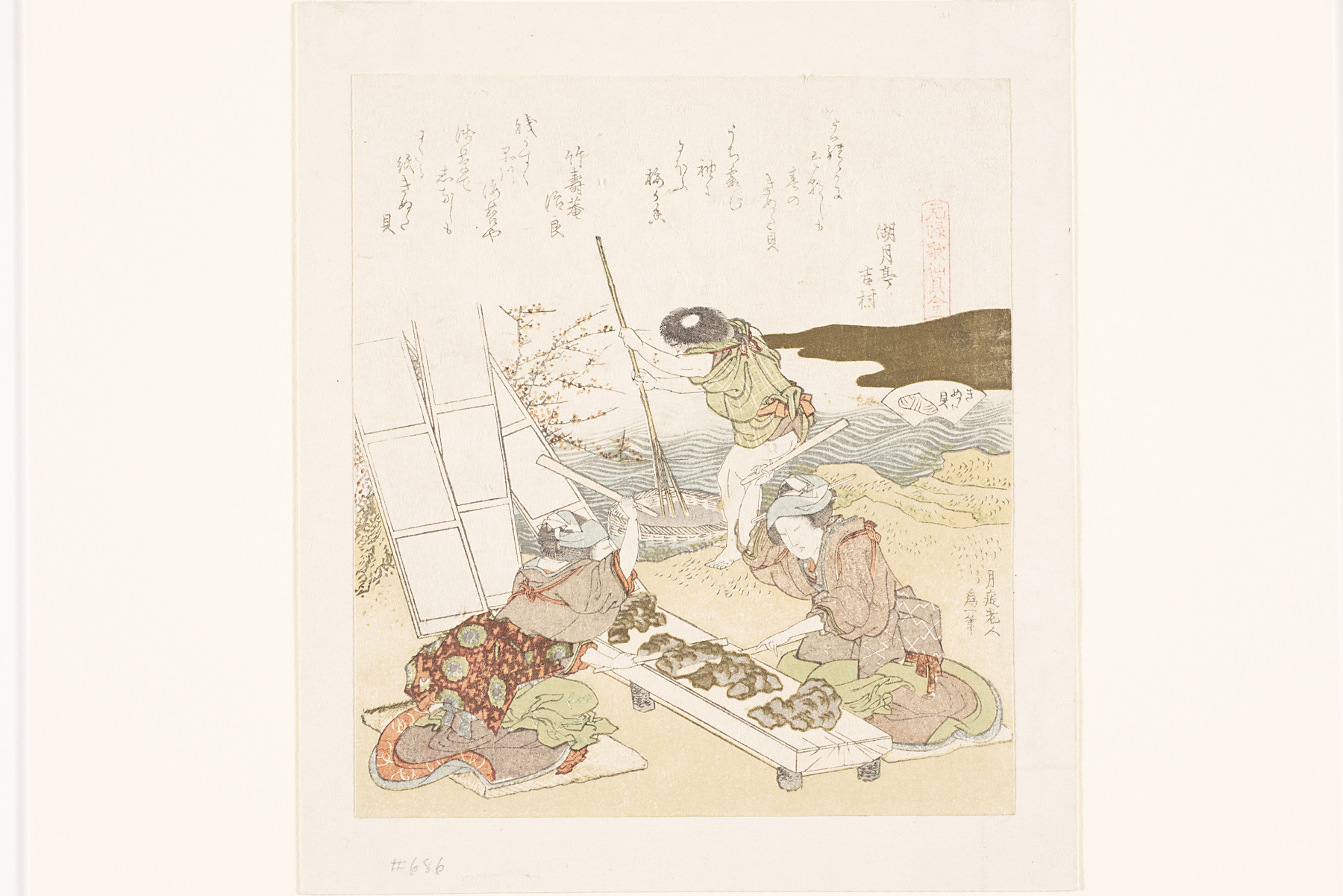
Kinutagai (The Pounding Block Shell), 1821, Edo period (1600–1868)
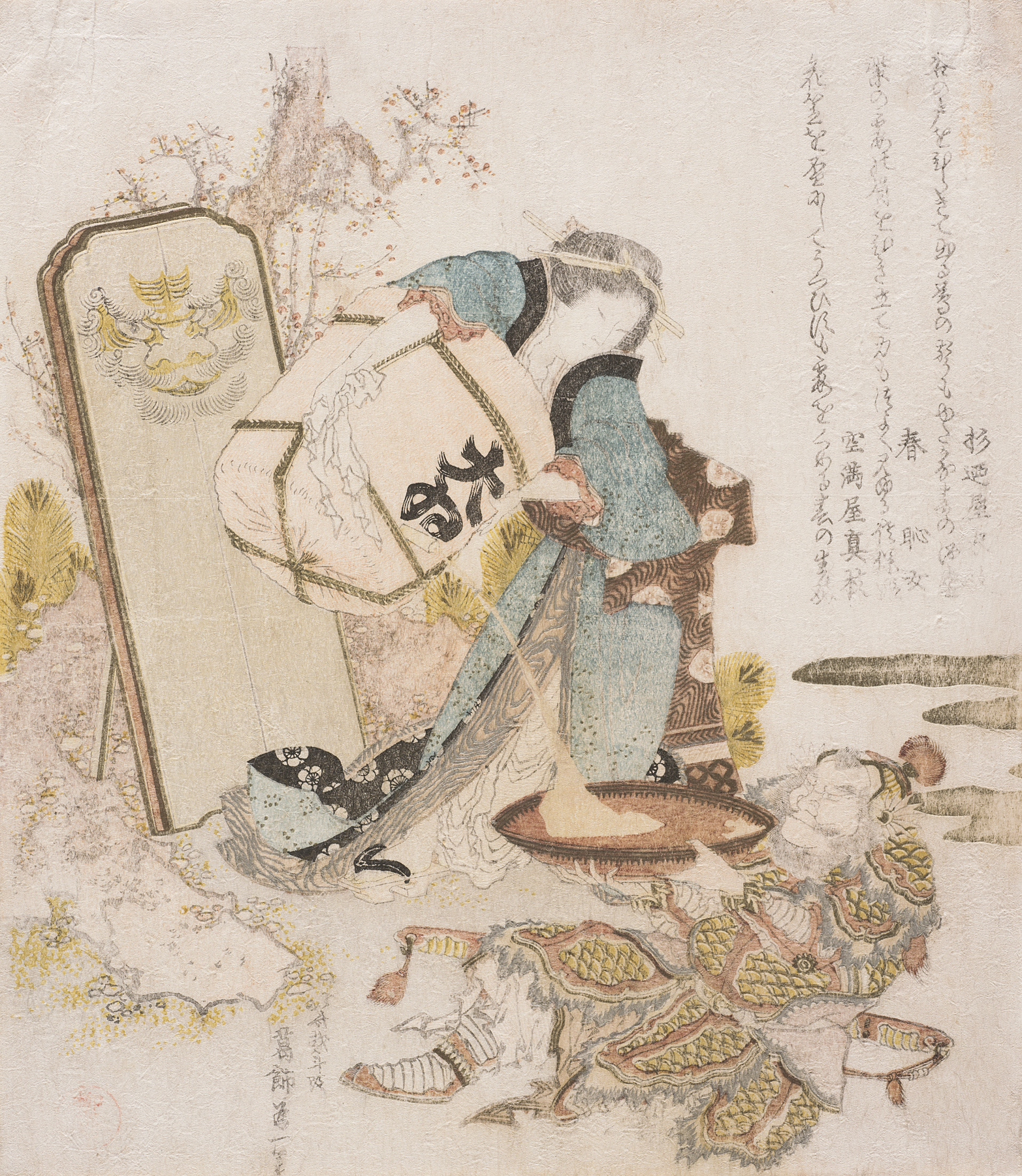
Ōiko and Fan Kuai, 1820, Edo period (1600–1868)
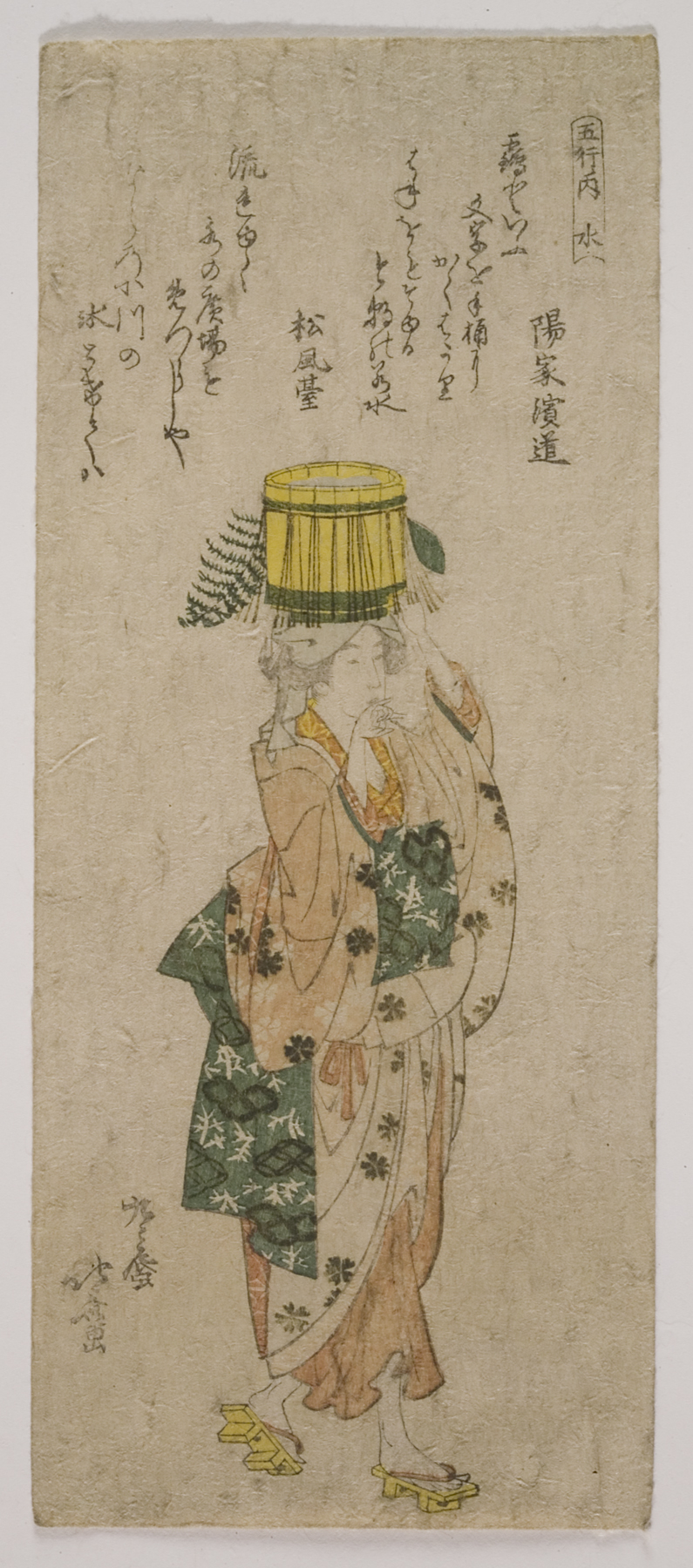
Sui (Water), 1805, Edo period (1600–1868)
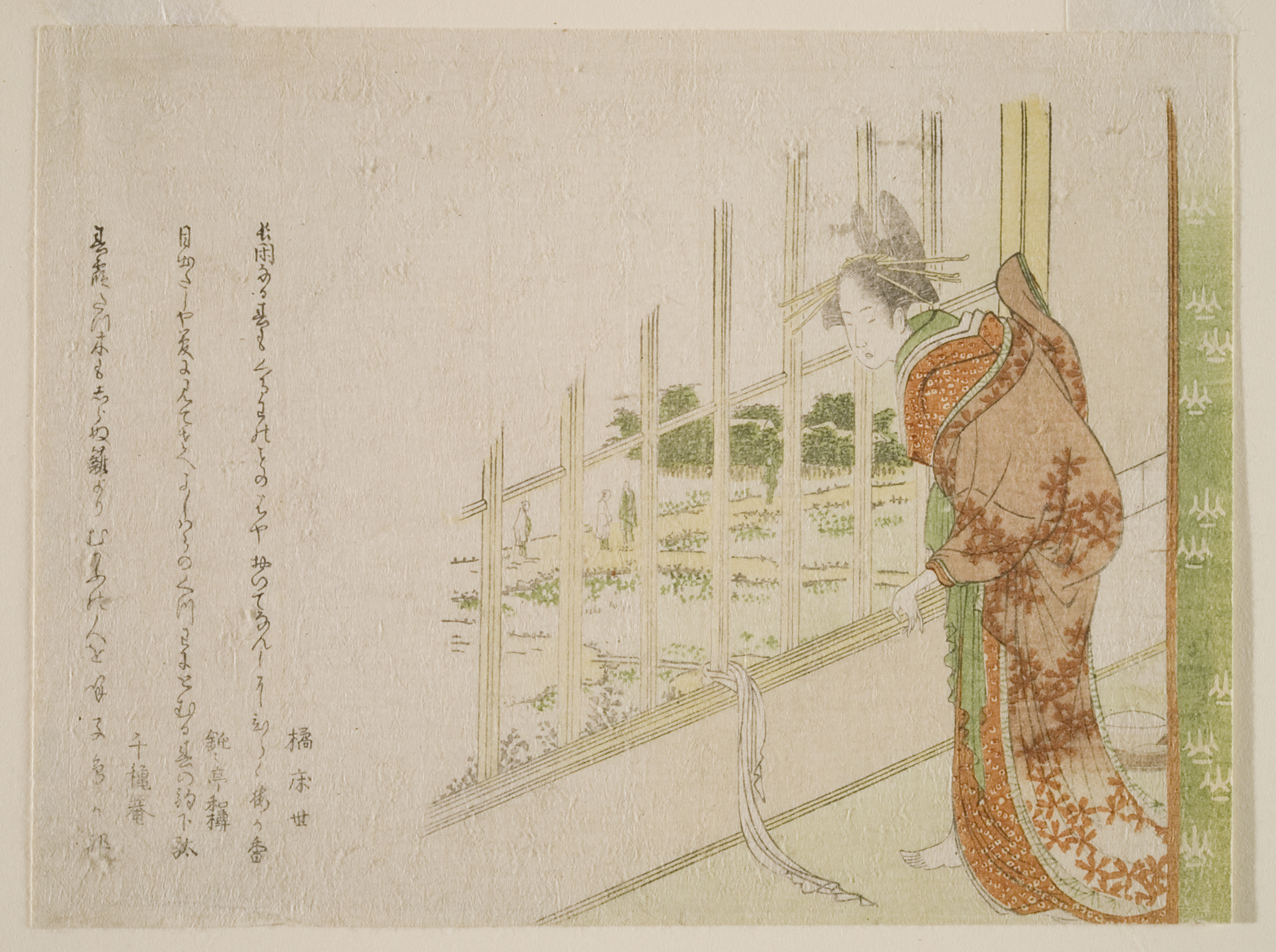
courtesan at window, circa late 1790s, Edo period (1600–1868)
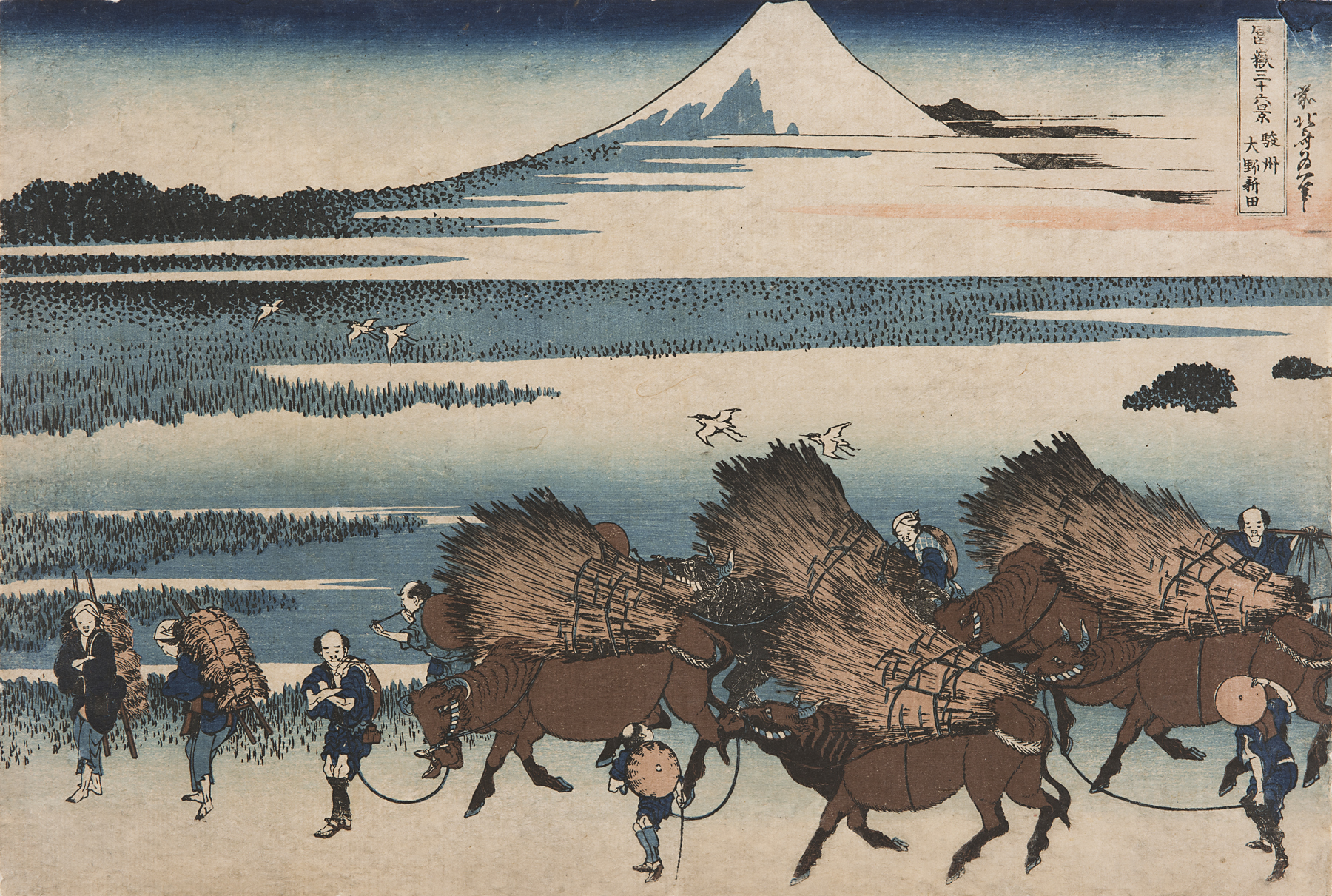
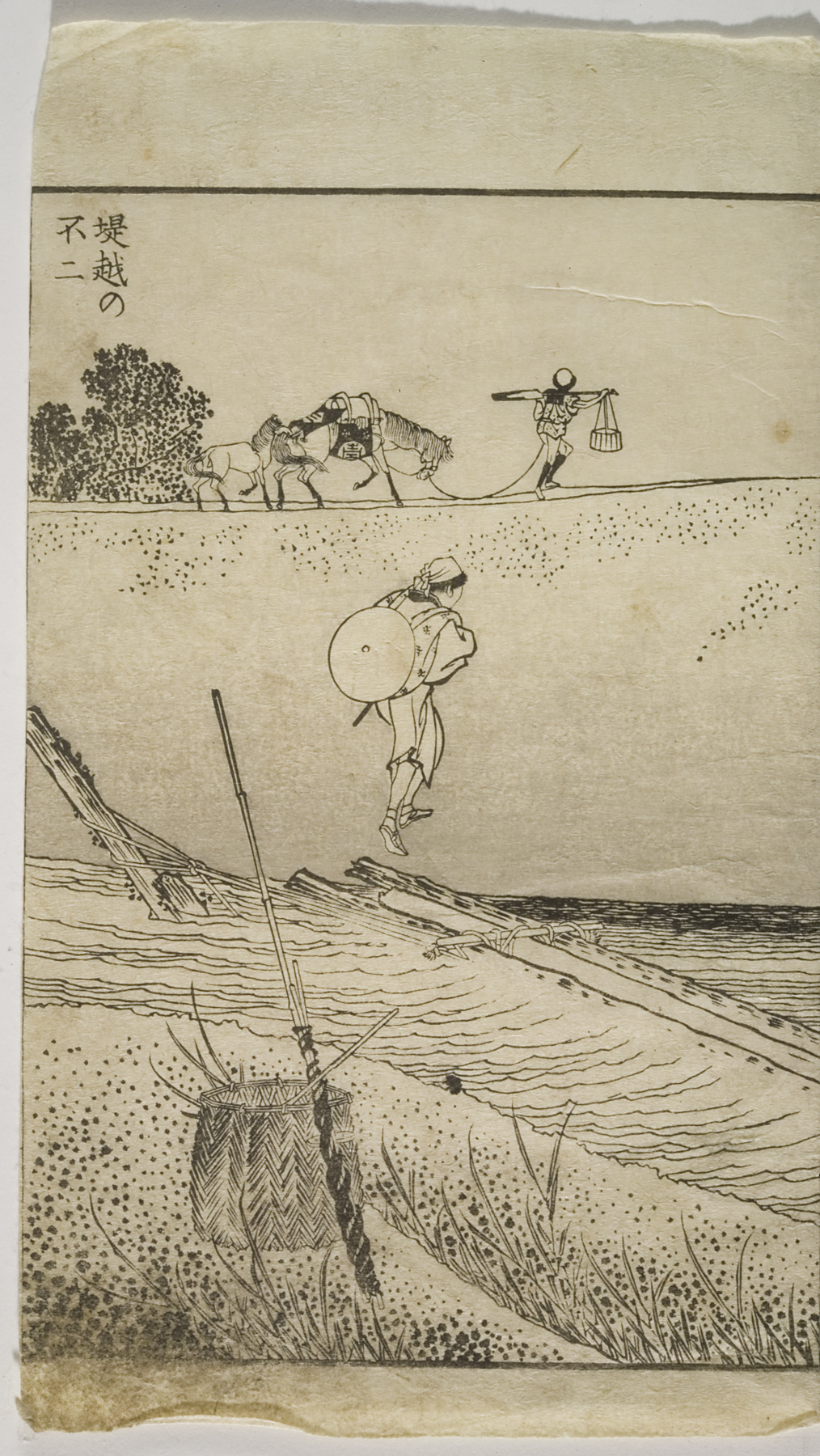
Sunshū Ōno shinden (The New Fields at Ōno in Suruga Province), early 1830s, Edo period (1600–1868)

深川万年槁下 Fukugawa mannen hashi shita (Fuji from beneath Mannen Bridge at Fukugawa), early 1830s, Edo period (1600–1868)
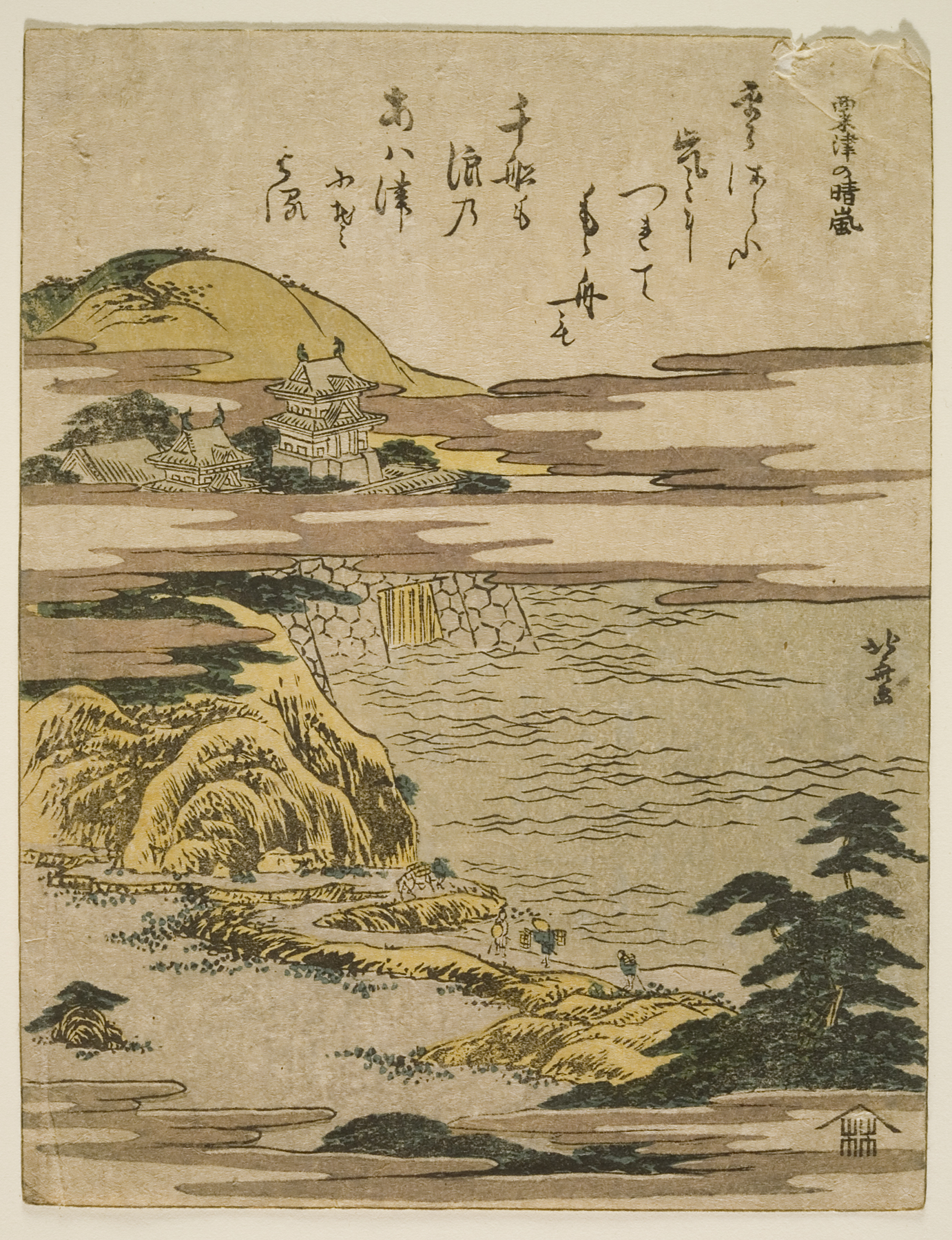
Awazu no seiran, circa 1800s, Edo period (1600–1868)
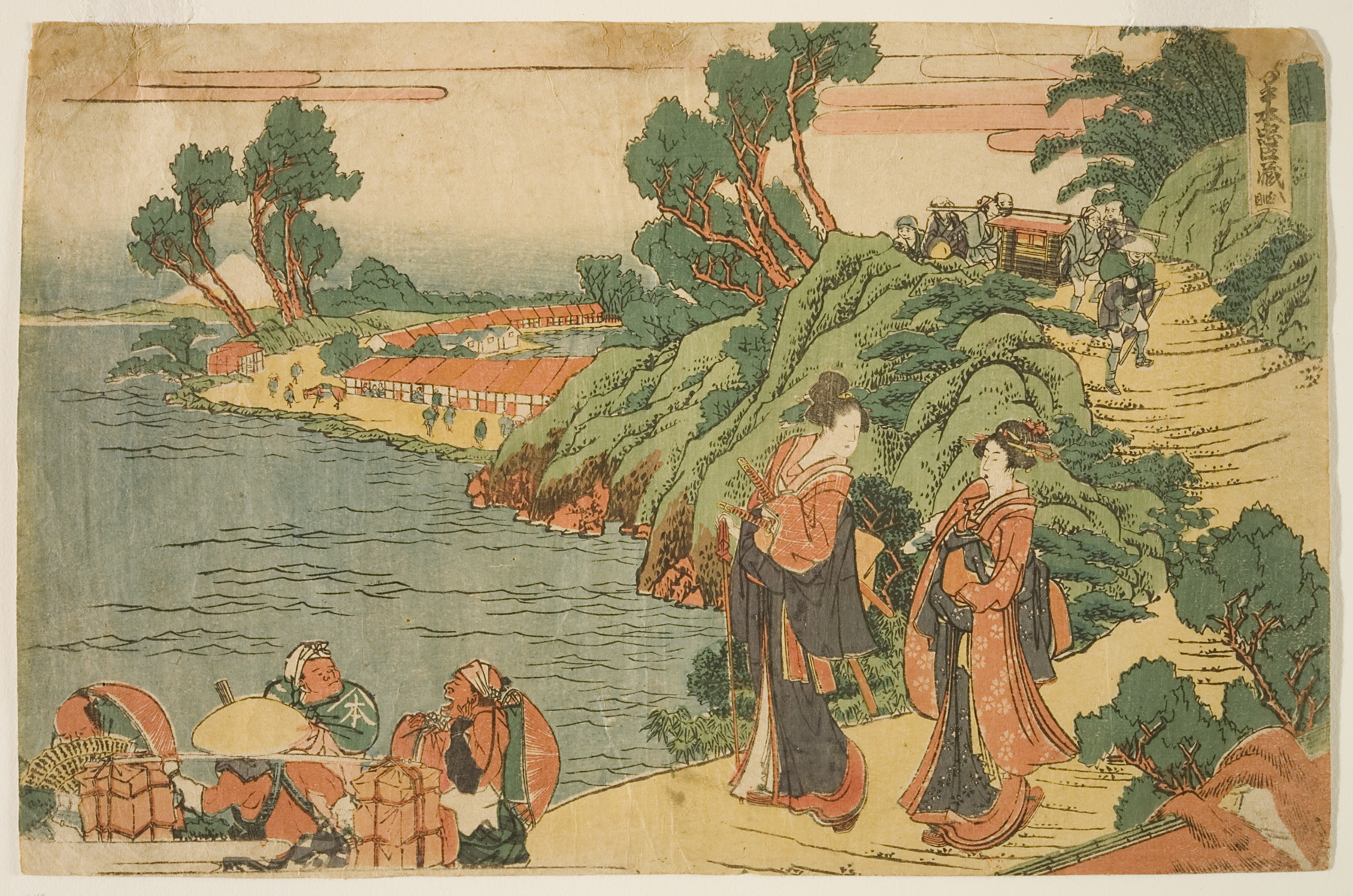
Act 8 Tonase and her daughter Konami, 1806, Edo period (1600–1868)
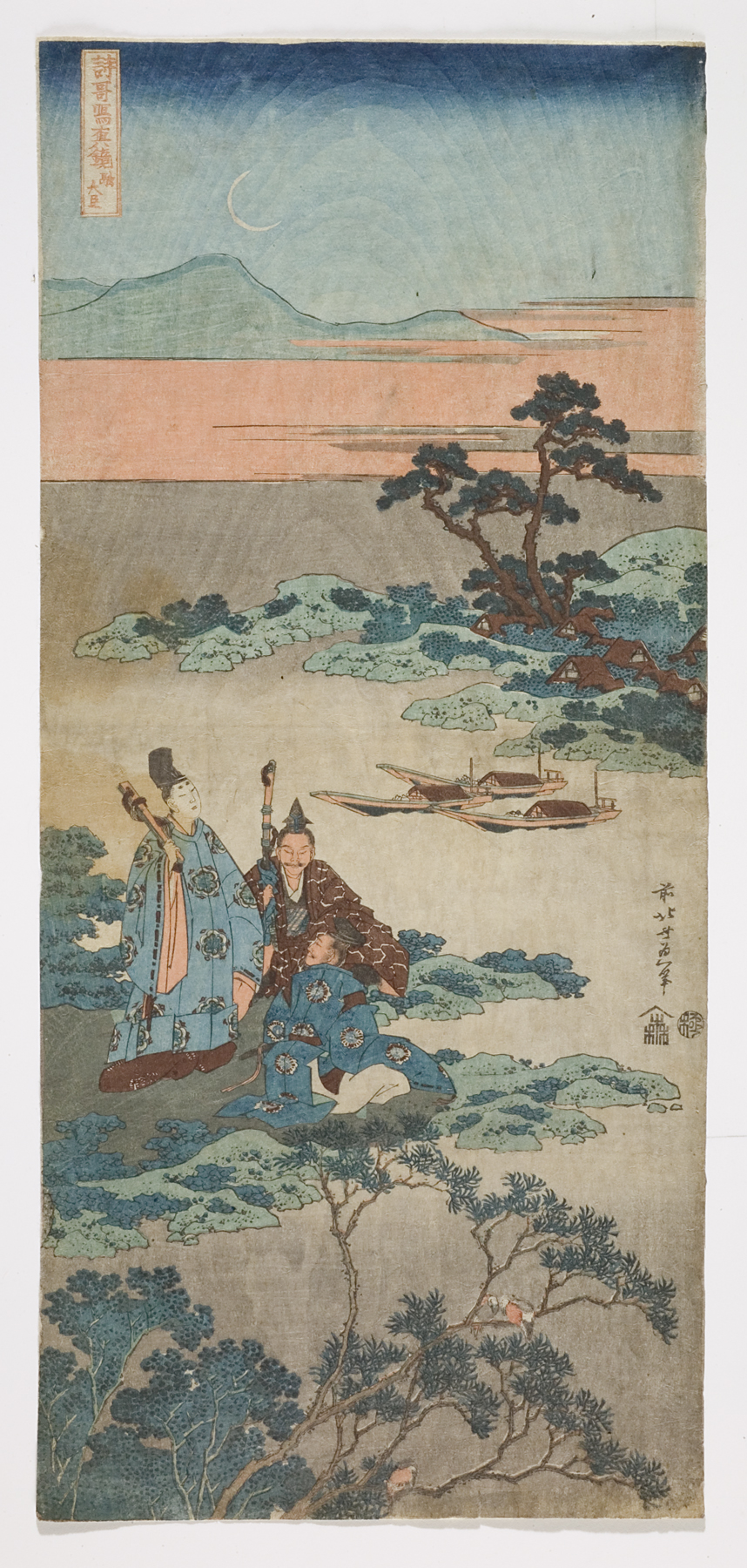
Poet Tōru Daijin viewing moon in his garden, mid 1830s, Edo period (1600–1868)
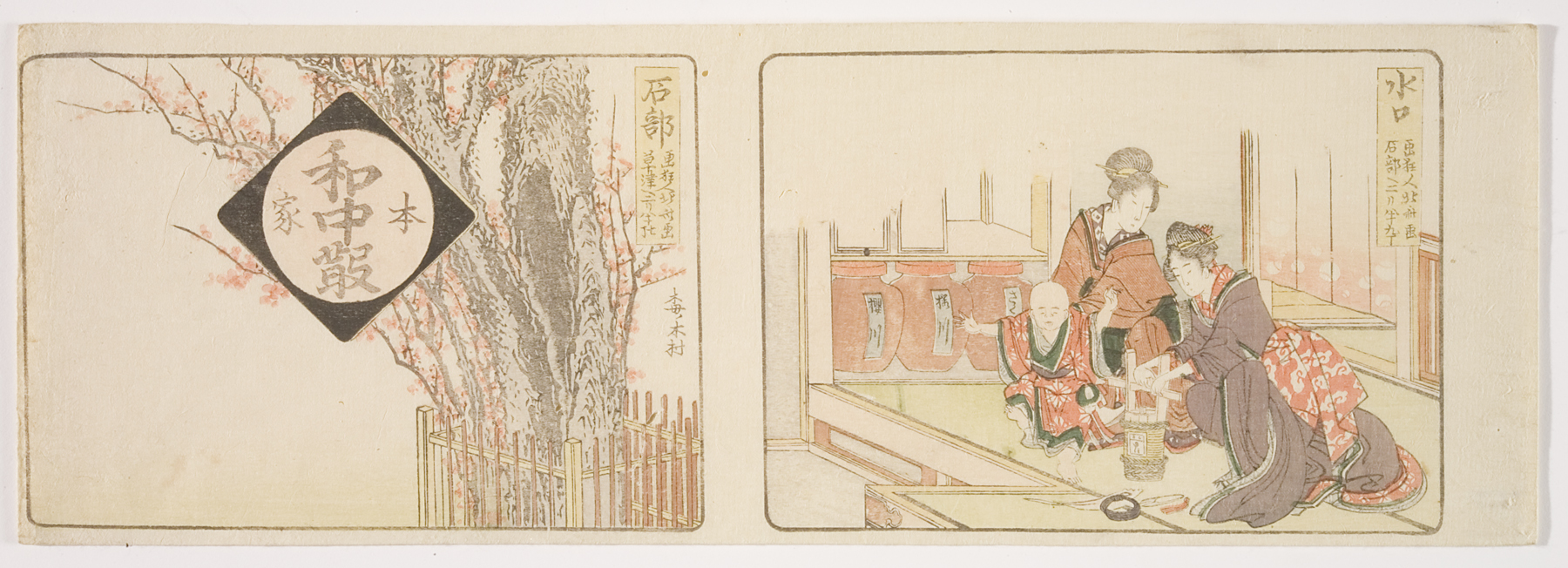
Minakuchi station (A) Ishibe station (B), circa 1804 (Edo period 1600–1868)
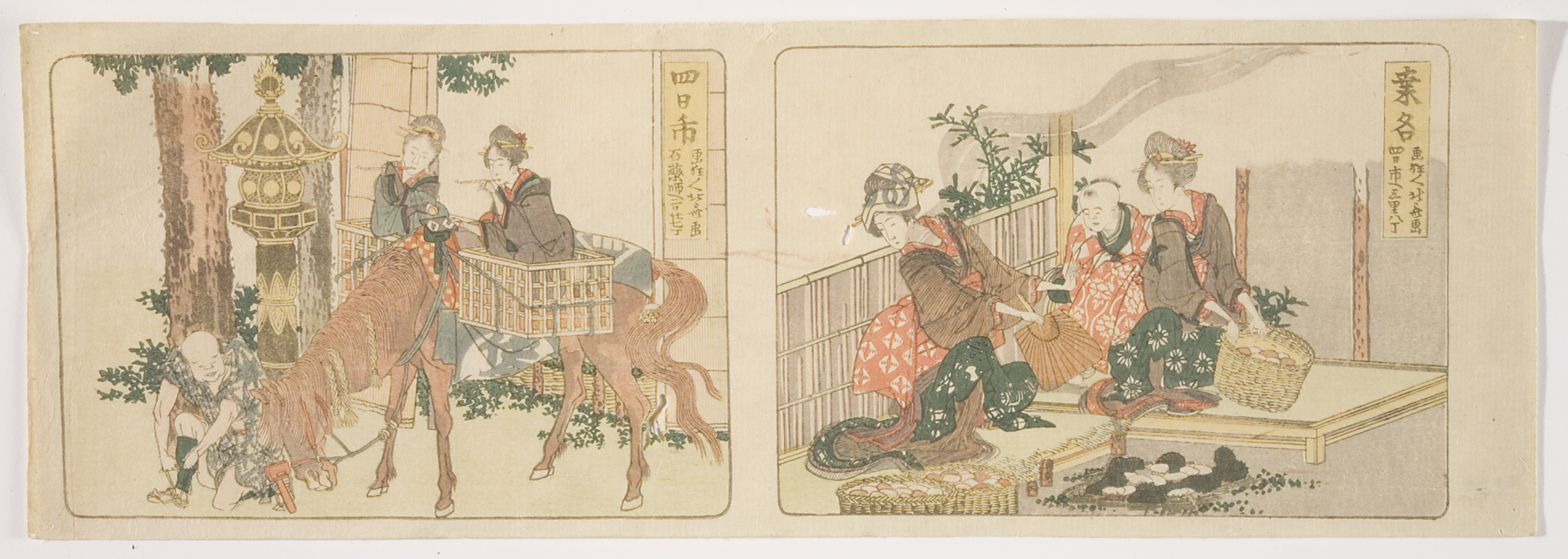
Kuwana station (A) Yokkaichi station (B), circa 1804 (Edo period 1600–1868)
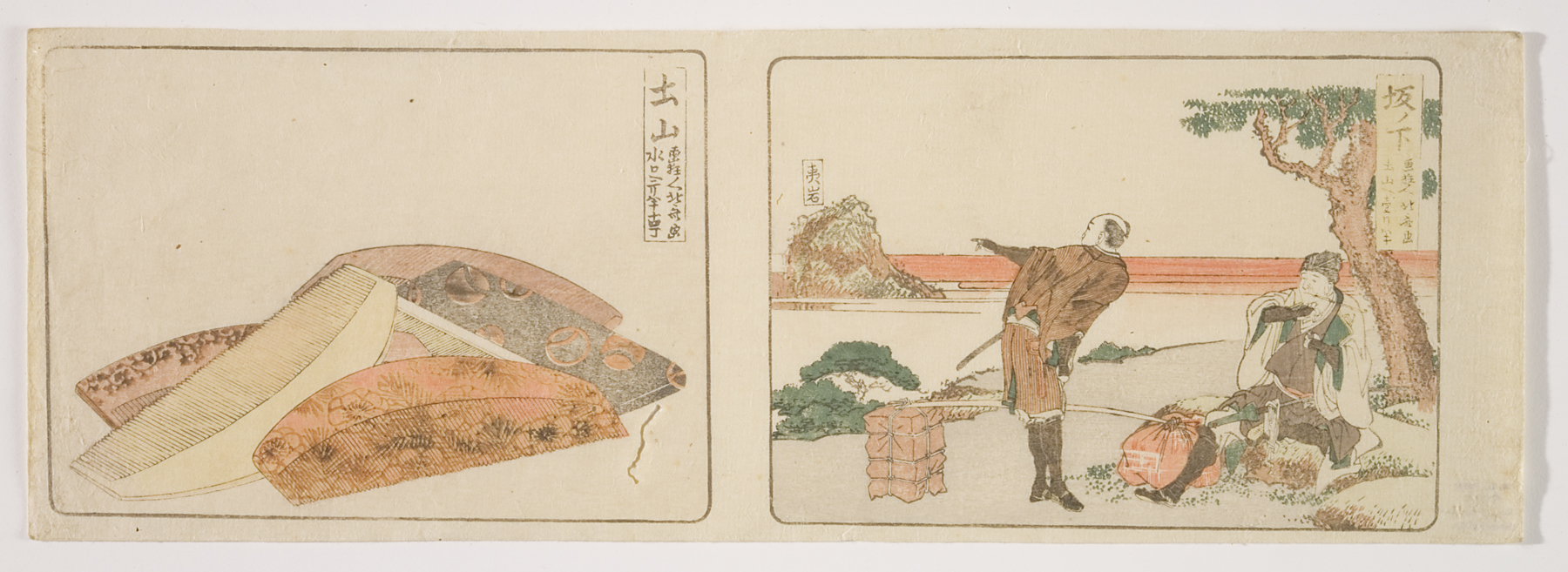
Sakanoshite station (A) Tsuchiyama station (B), circa 1804 (Edo period 1600–1868)
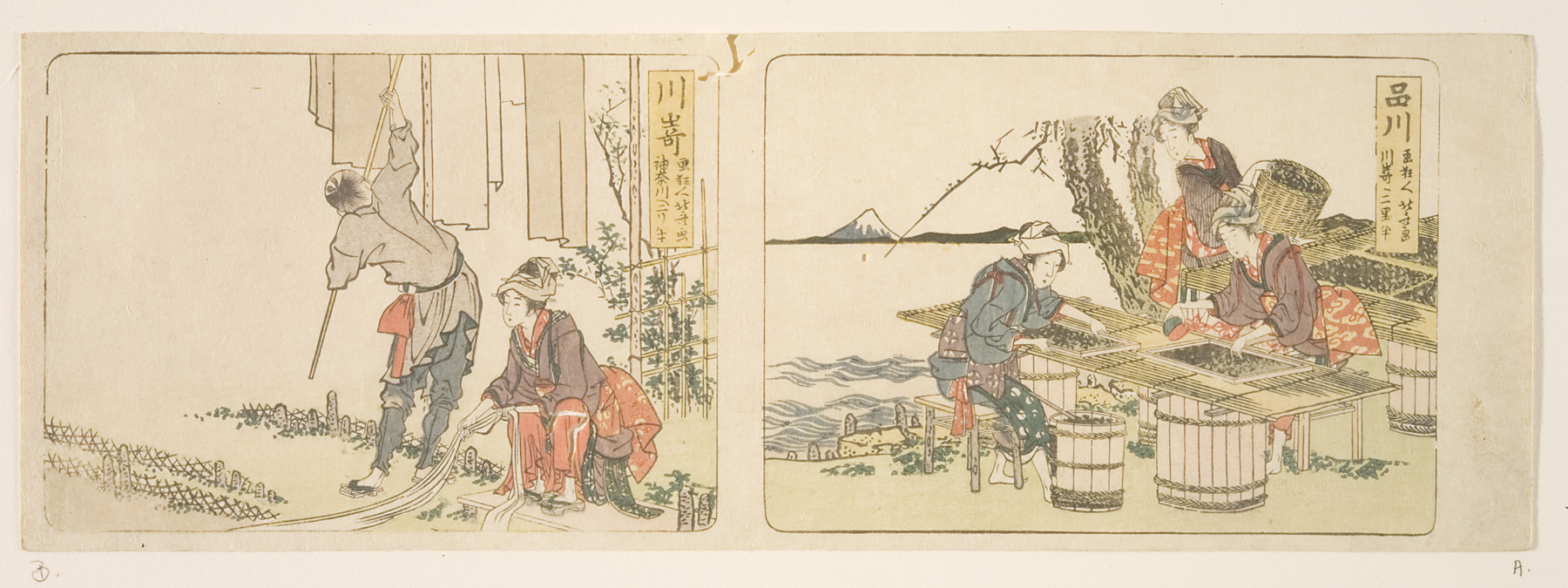
Shinagawa station (A) Kawasaki station (B), circa 1804 (Edo period 1600–1868)
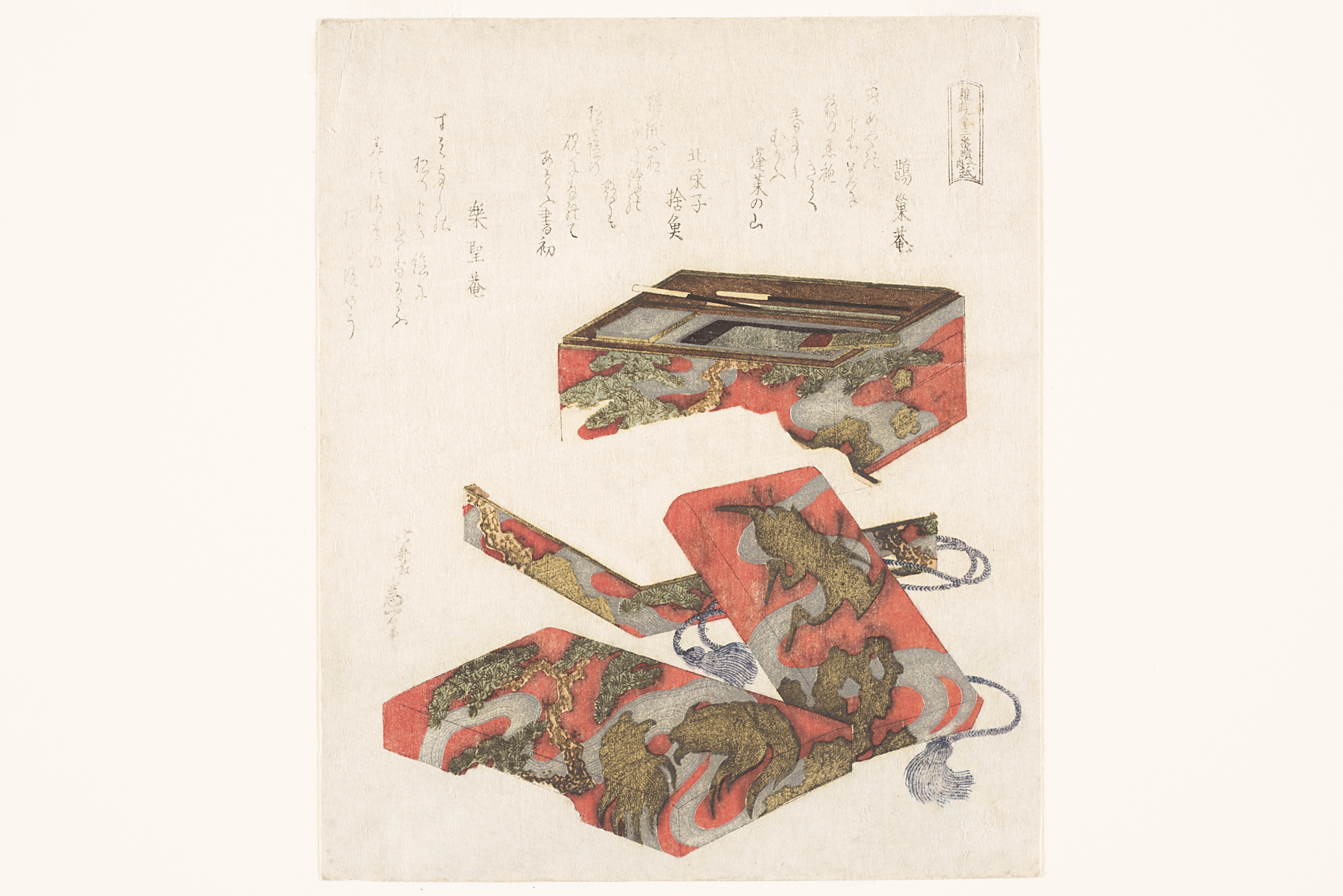
Kami (Paper), 1823, Edo period (1600–1868)
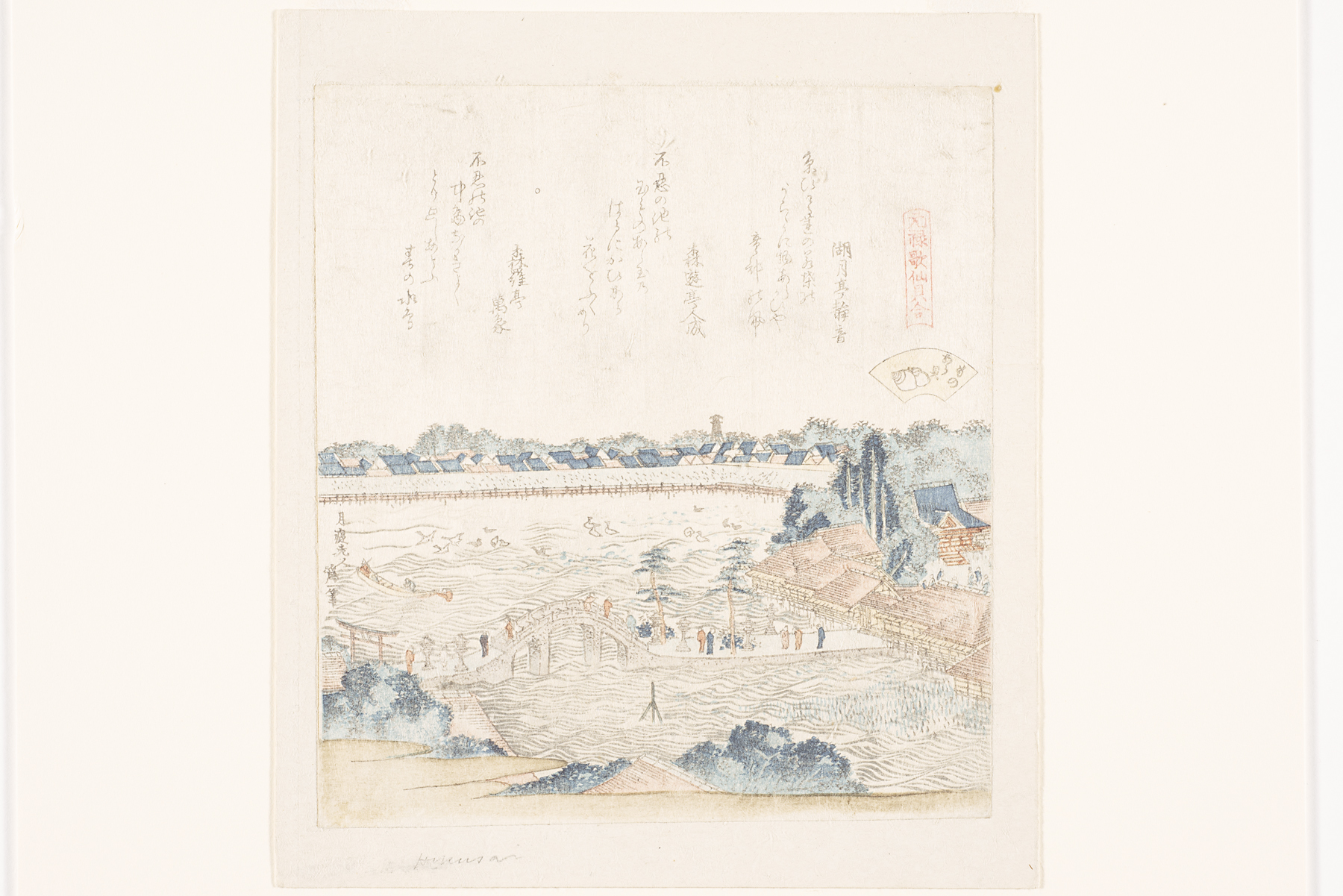
Monoaragai (The Turban Shell), 1821, Edo period (1600–1868)
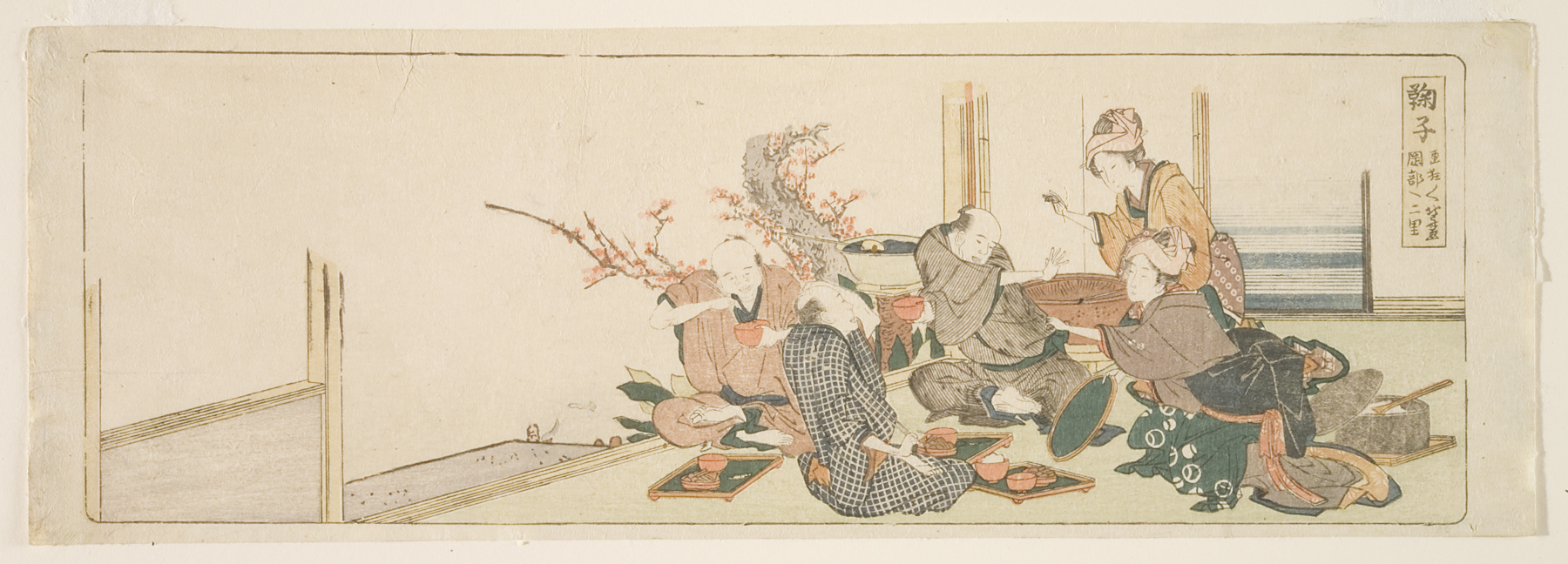
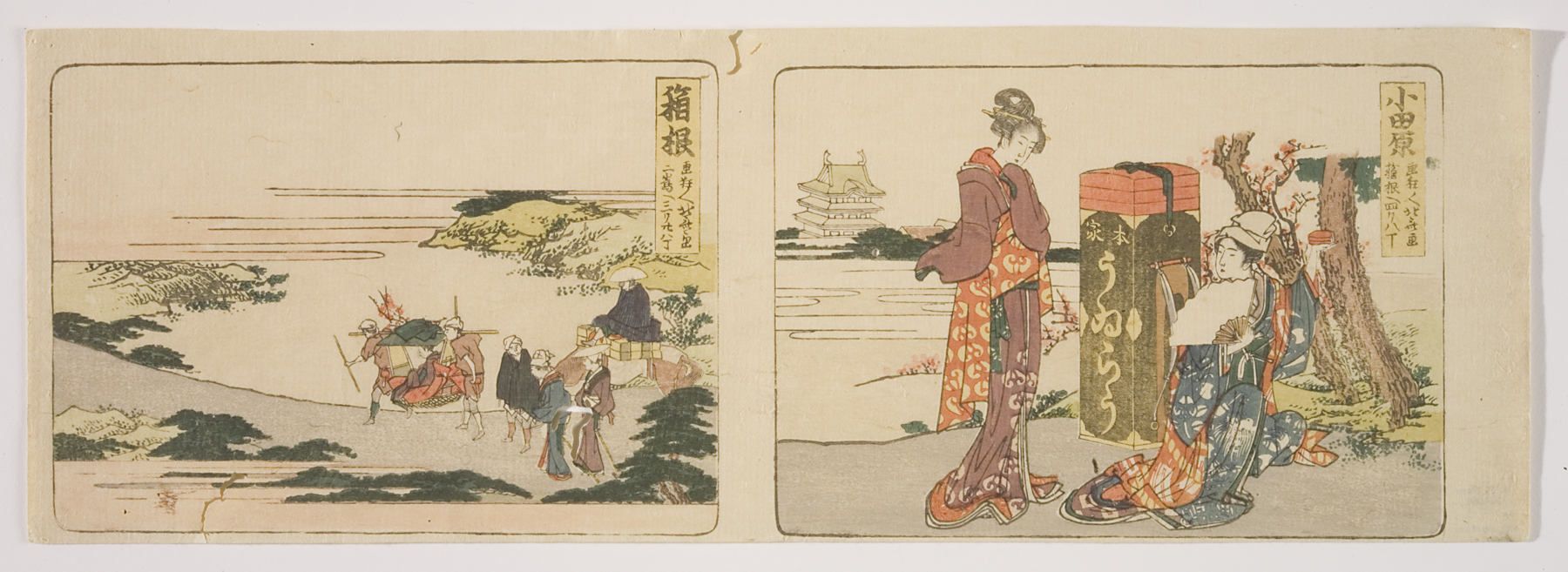
Odawara station (A) Hakone station (B), circa 1804 (Edo period 1600–1868)
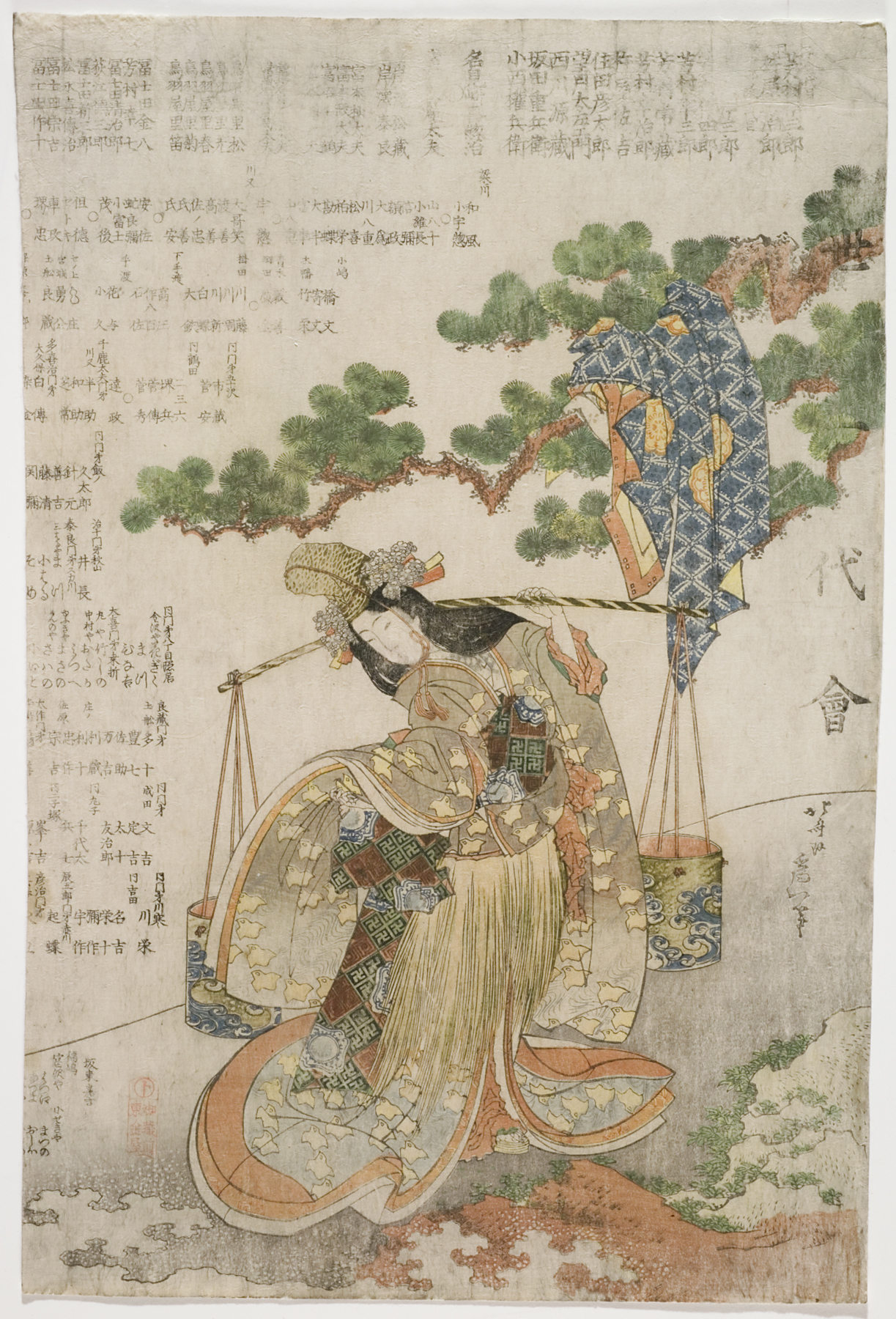
Isse ichidai kai (a retirement gathering), 1830, Edo period (1600–1868)
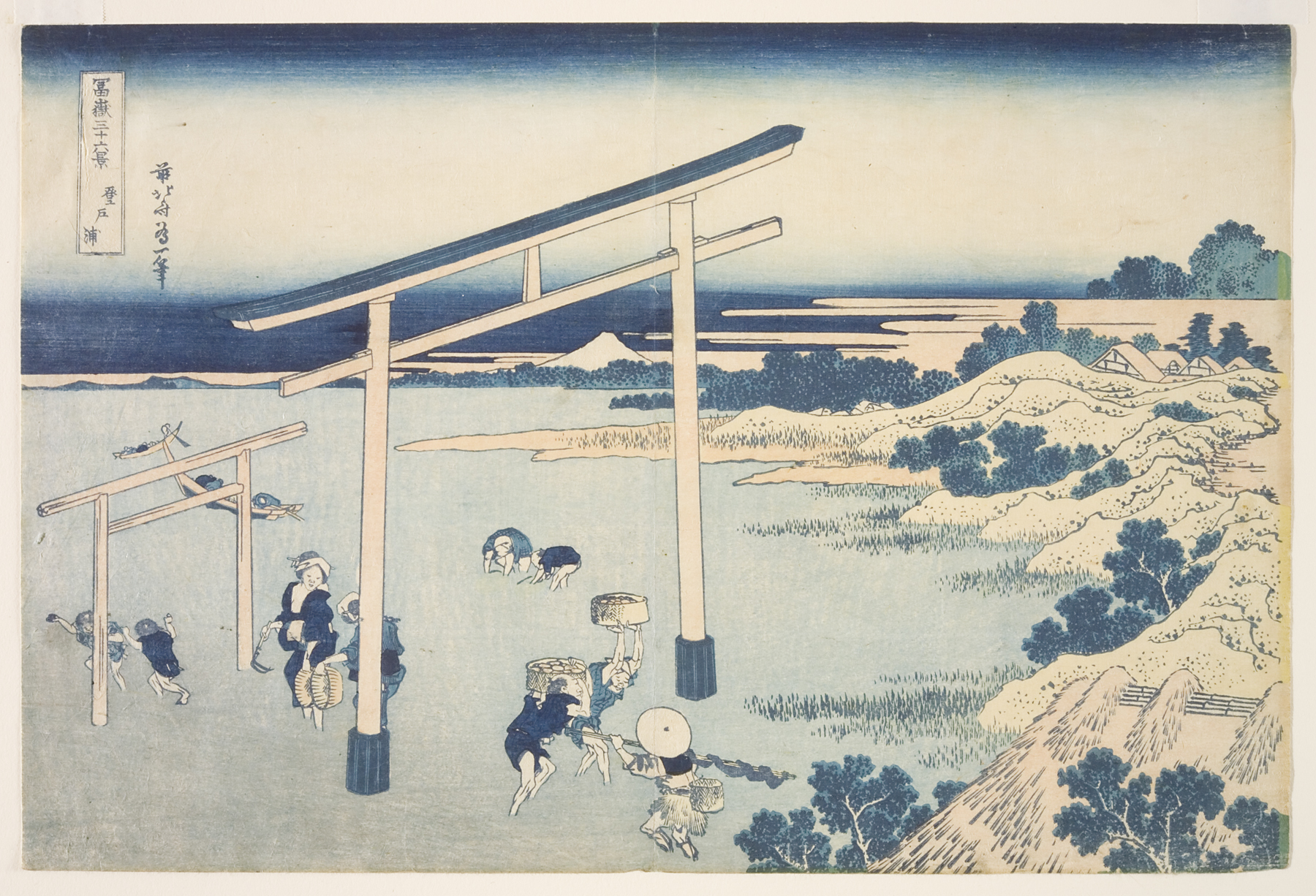
Nobotoura (The Coast of Noboto), circa 1830, Edo period (1600–1868)
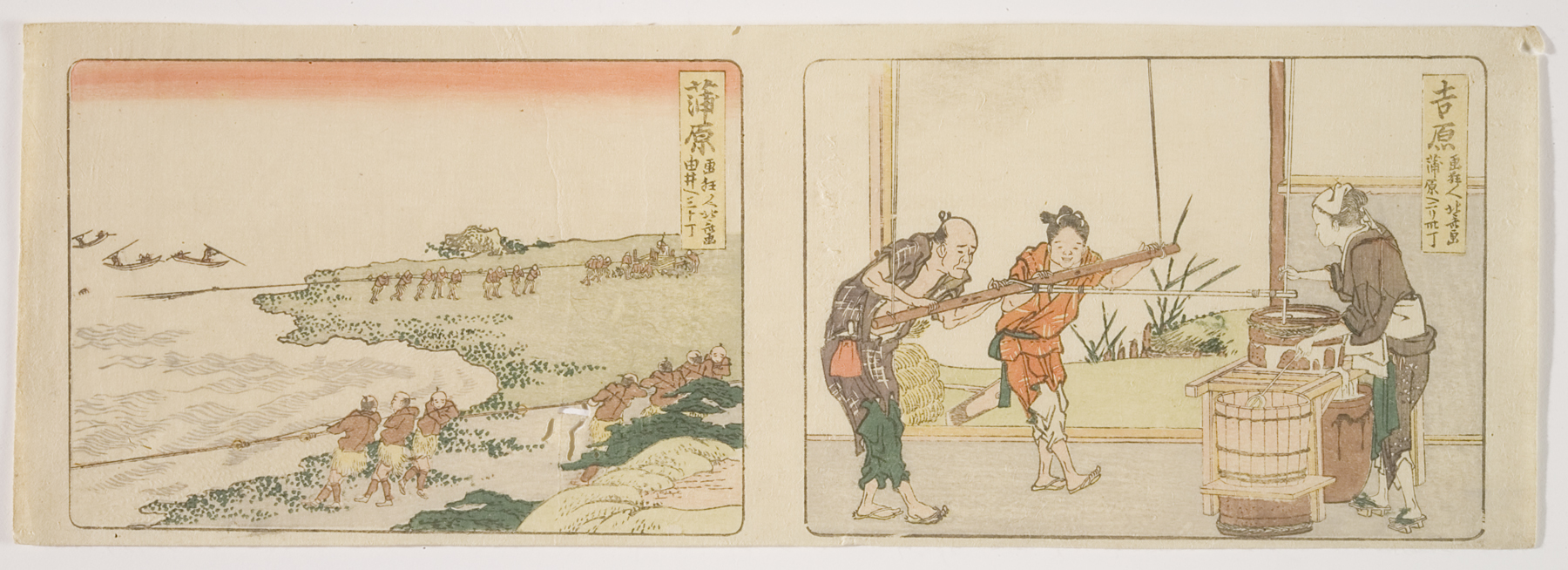
Yoshiwara station (A) Kambara station (B), circa 1804 (Edo period 1600–1868)
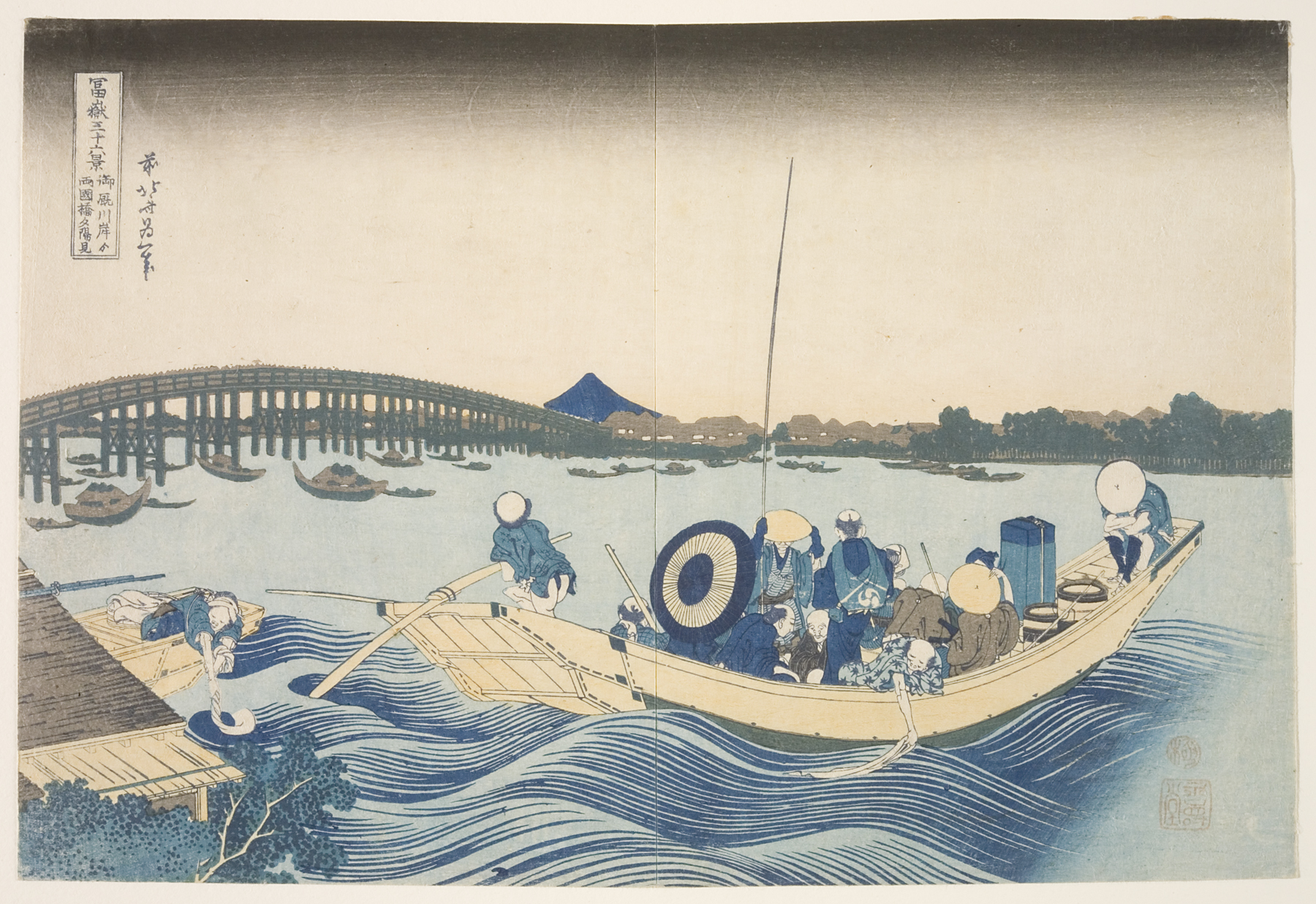
御厩川岸より両国橋夕日見 Ommayagashi Yori Ryōgokubashi no Sekiyō o Miru (Viewing Sunset over Ryōgoku Bridge from the Ommaya Embankment), circa 1830, Edo period (1600–1868)
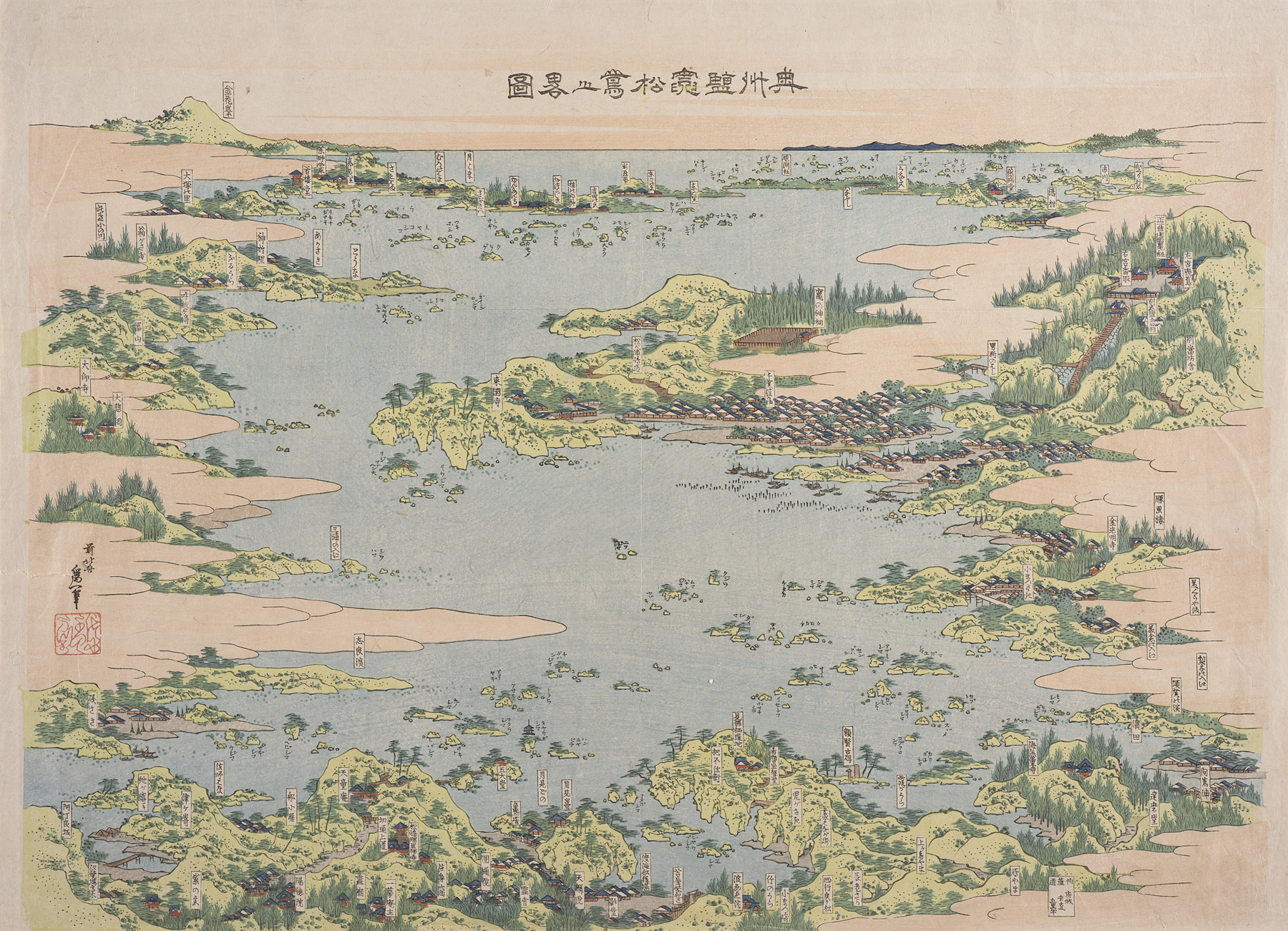
schematic picture of Shiogama and Matsushima, circa 1830, Edo period (1600–1868)
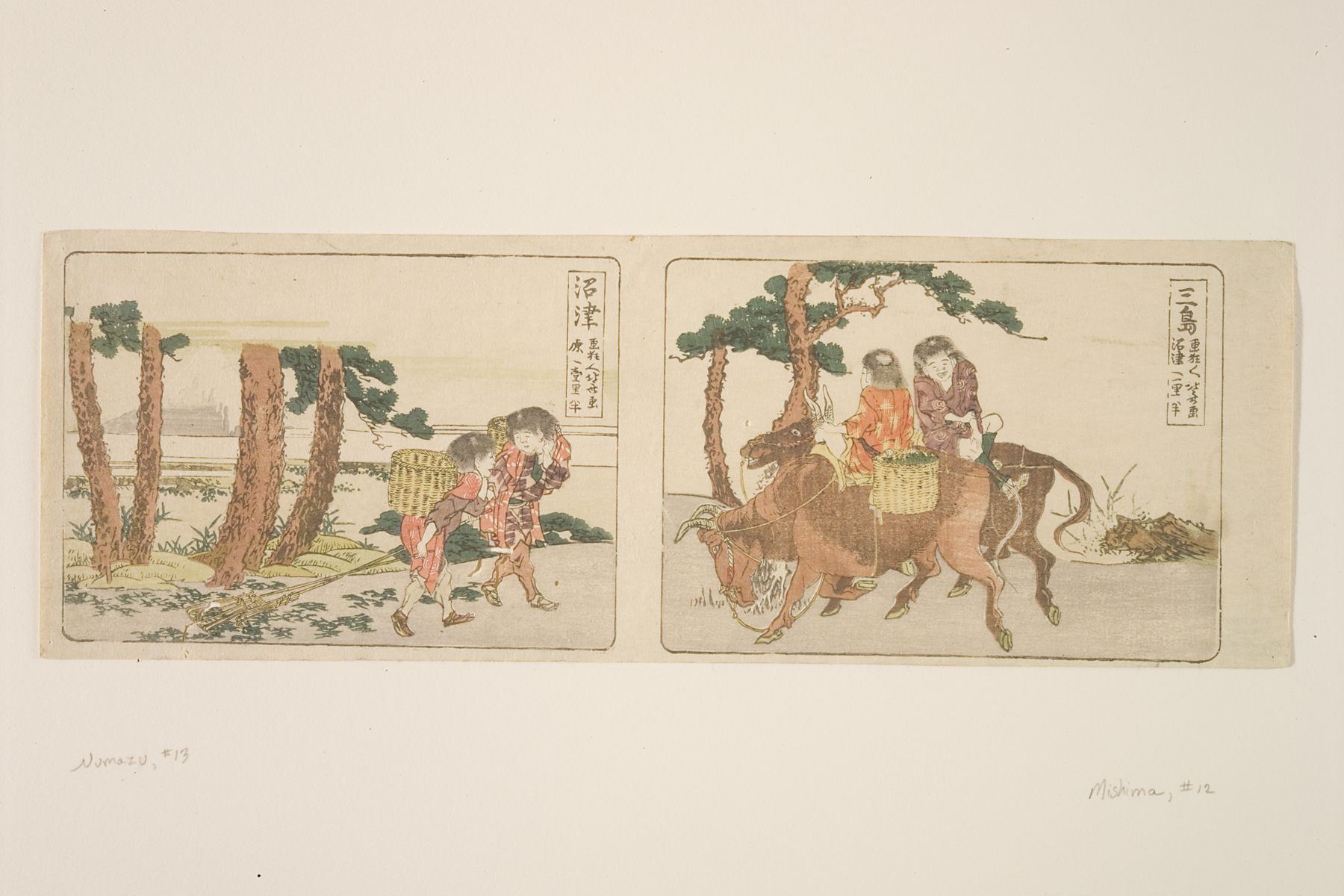
Mishima station (A) Numazu station (B), circa 1804 (Edo period 1600–1868)
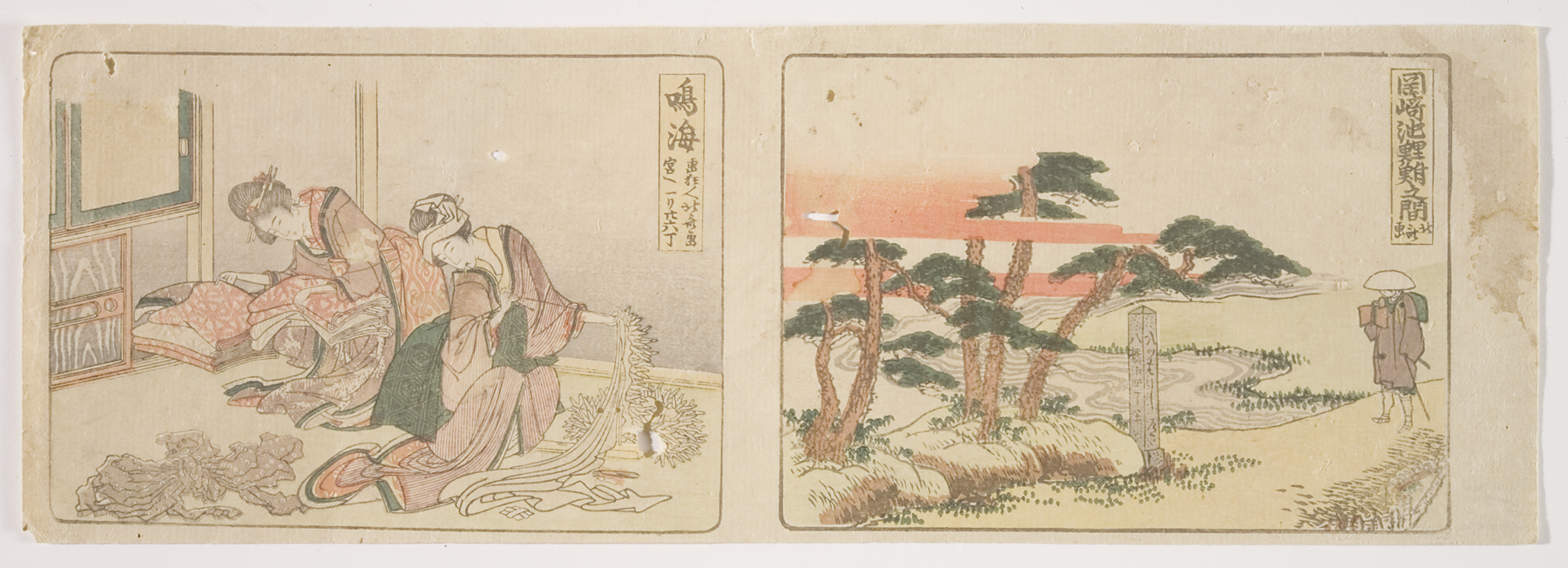
Okazaki Chiryū no aida (Between Okazaki and Chiryu) (A) Narumi station (B), circa 1804 (Edo period 1600–1868)
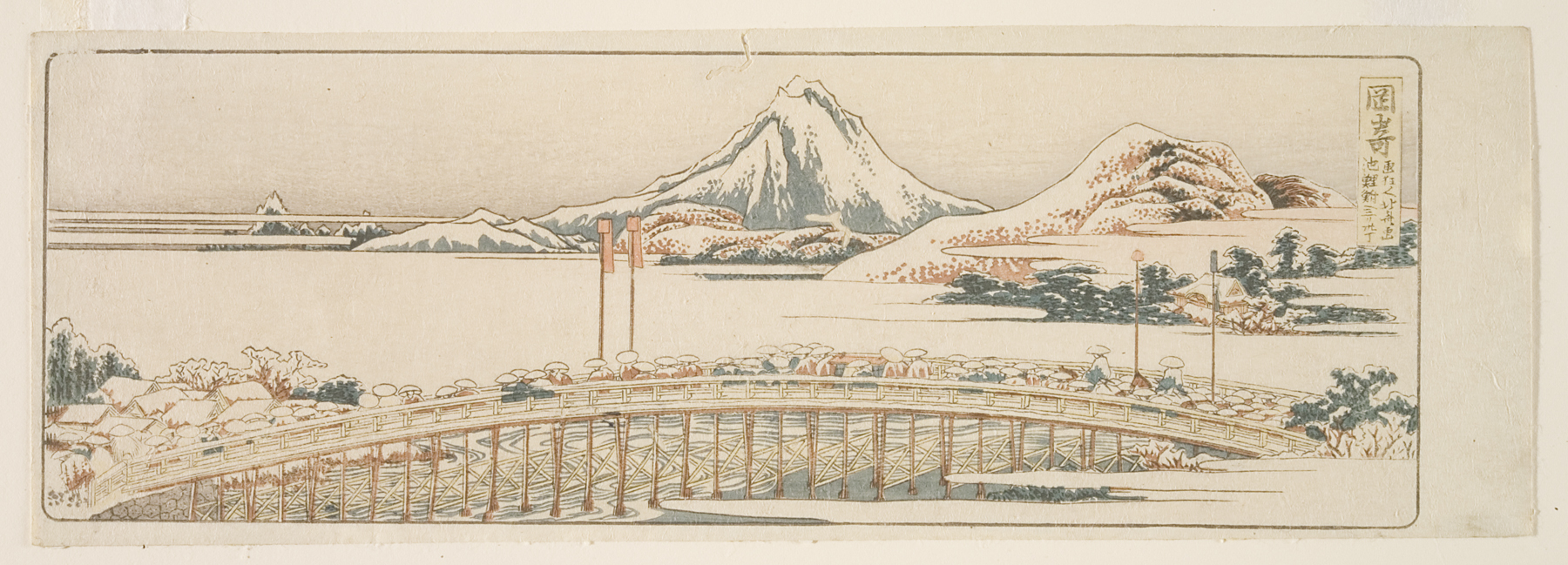
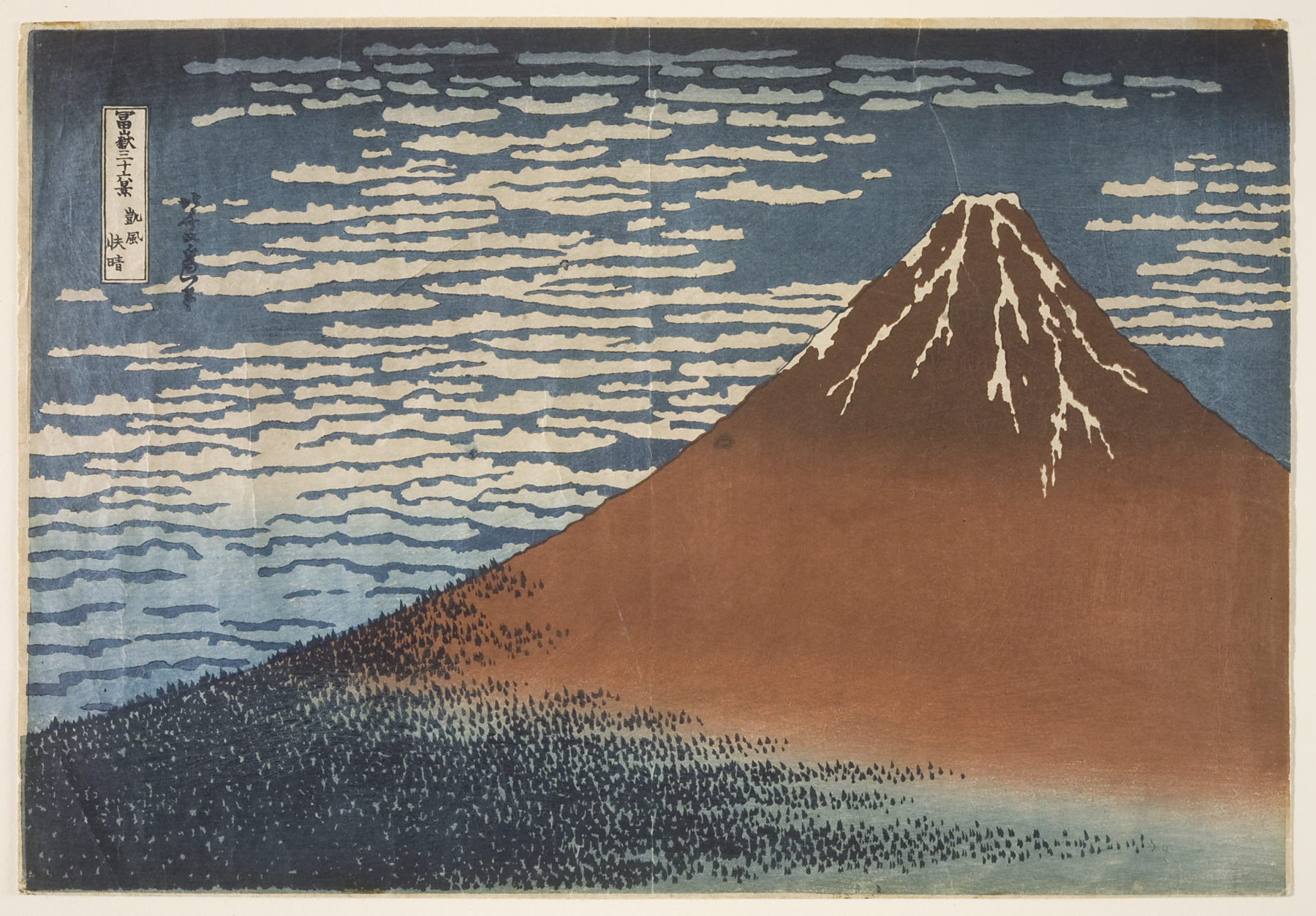
凱風快晴 (The South Wind brings Fine Weather), circa 1831, Edo period (1600–1868)
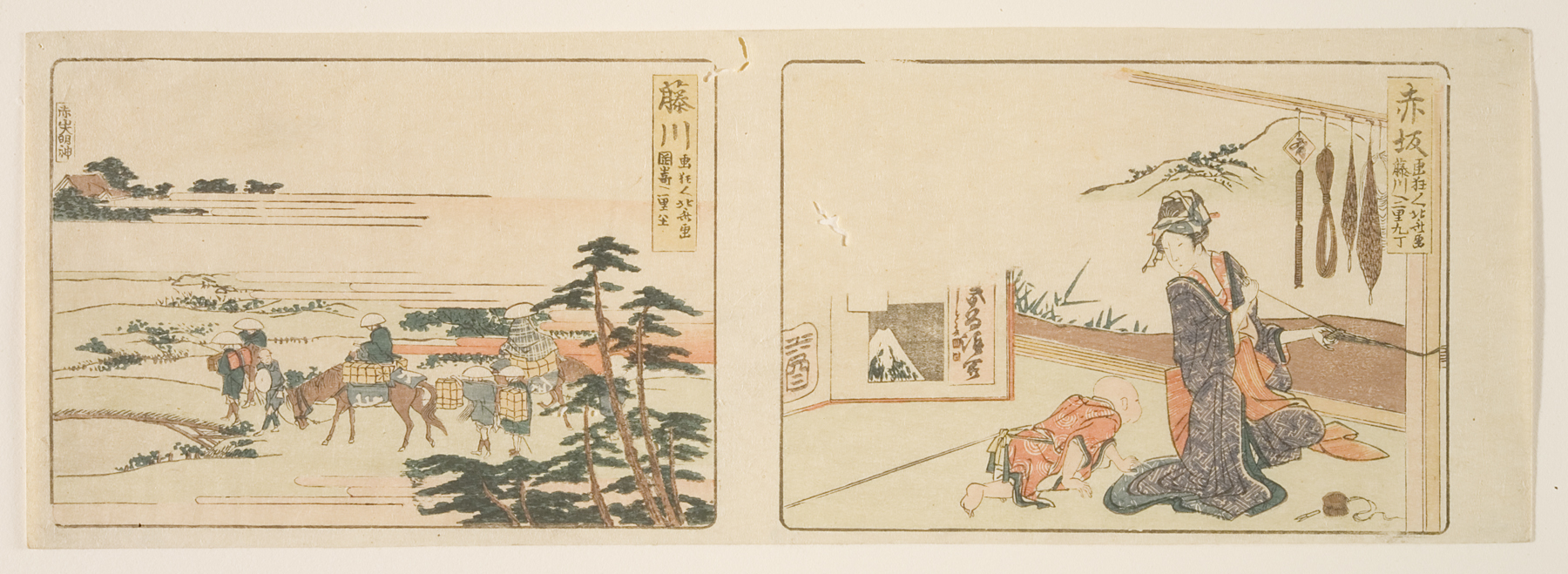
Akasaka station (A) Fujikawa station (B), circa 1804 (Edo period 1600–1868)
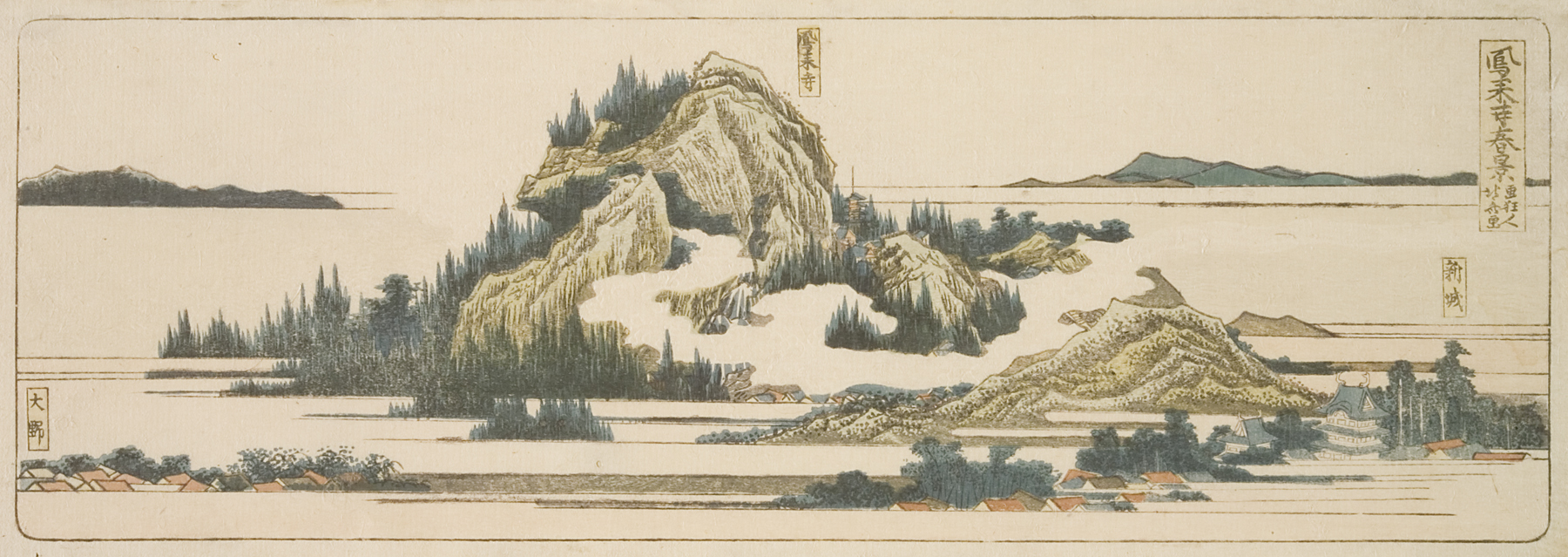
Hōraiji shunkei (Spring view of Horai Temple), 1804, Edo period (1600–1868)
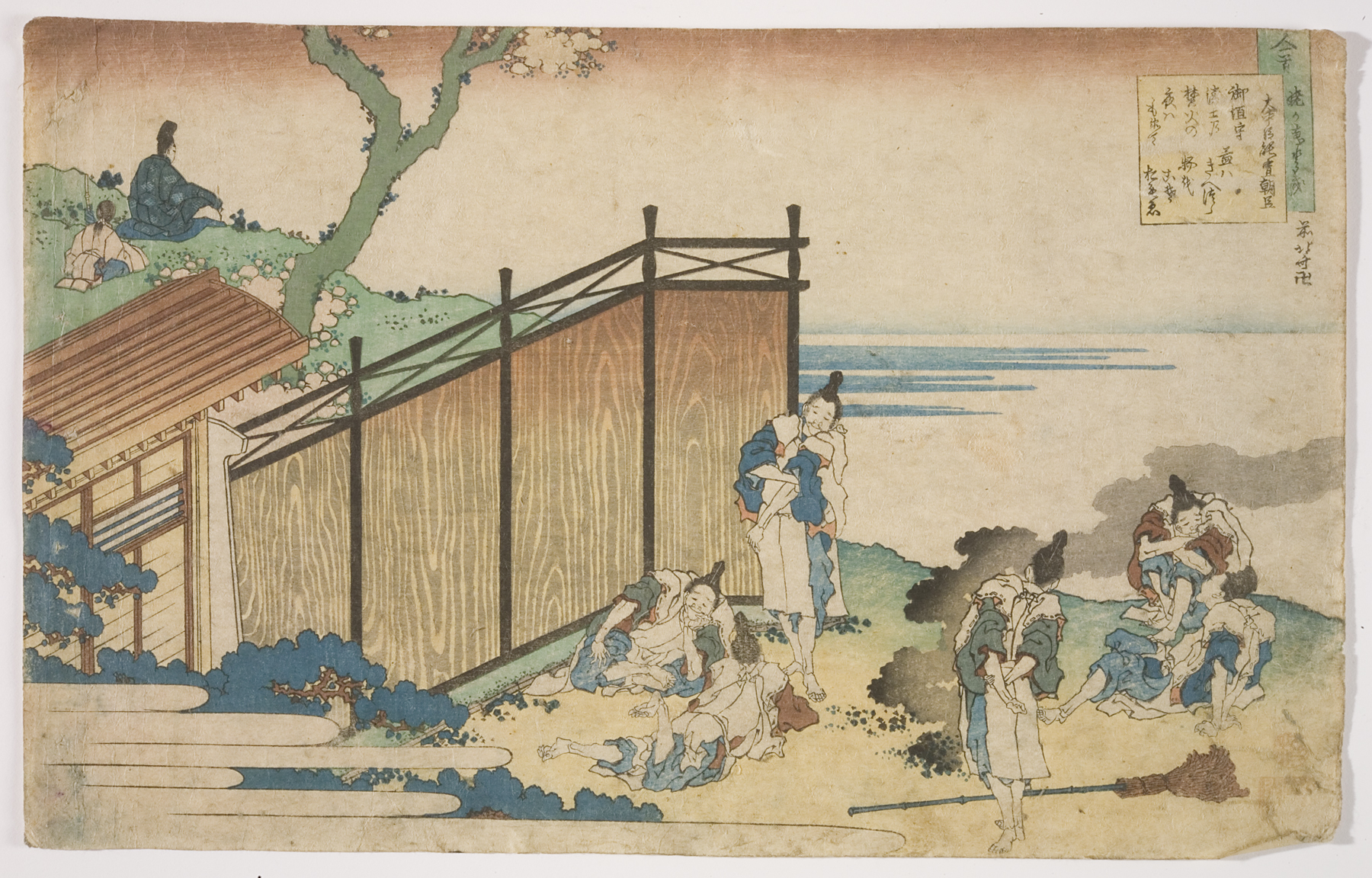
#49 Dainagou Yoshinobu Asou (Palace workmen resting by a gate), circa 1836, Edo period (1600–1868)
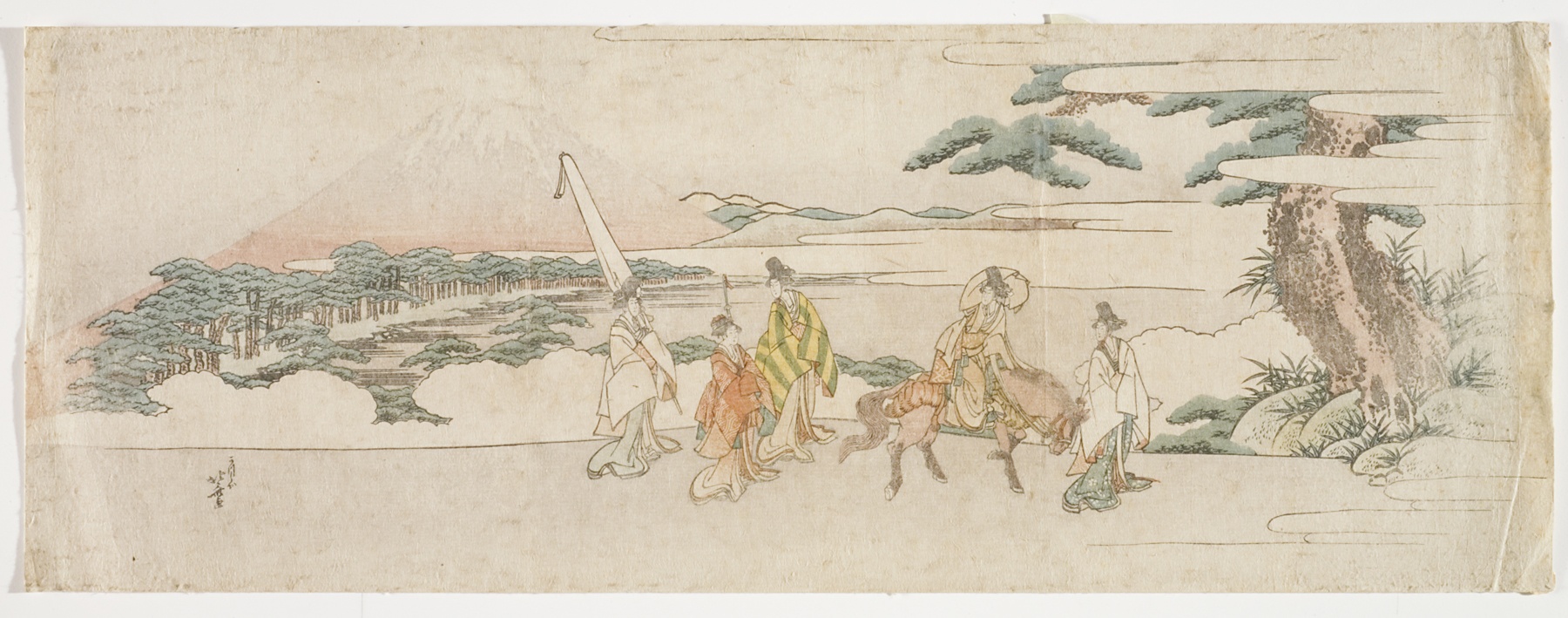
The Journey East, circa 1805–1810, Edo period (1600–1868)
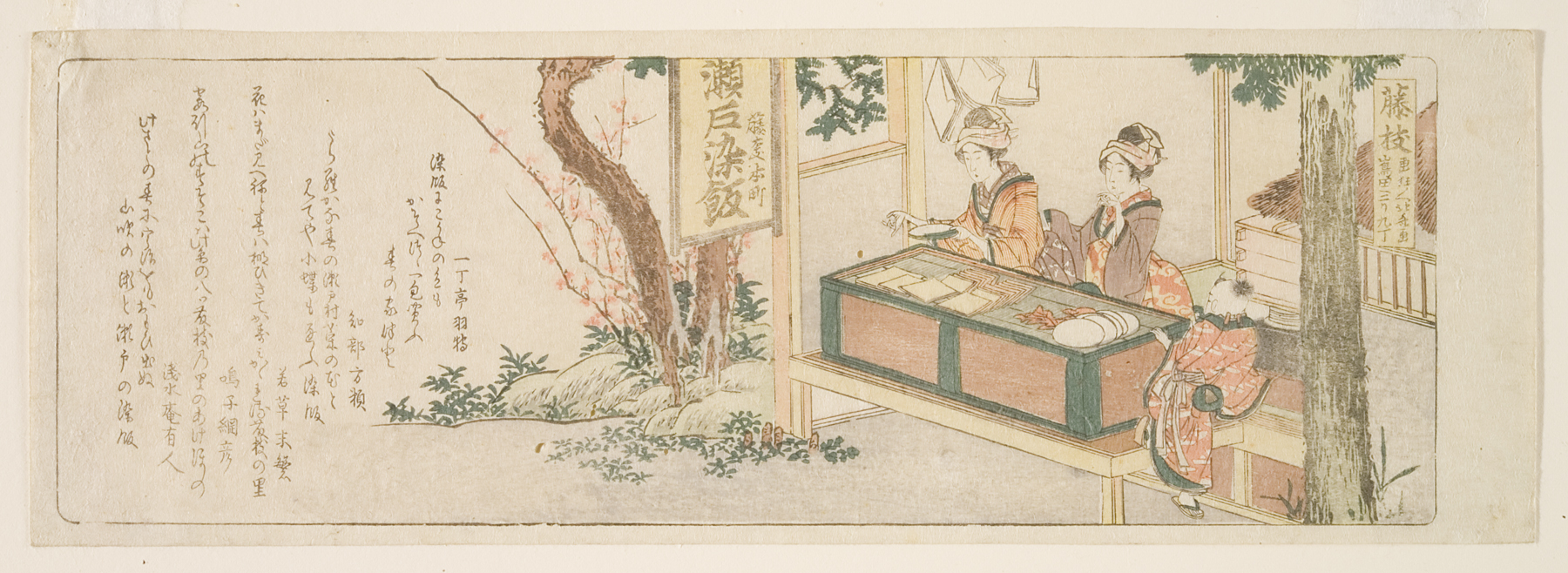
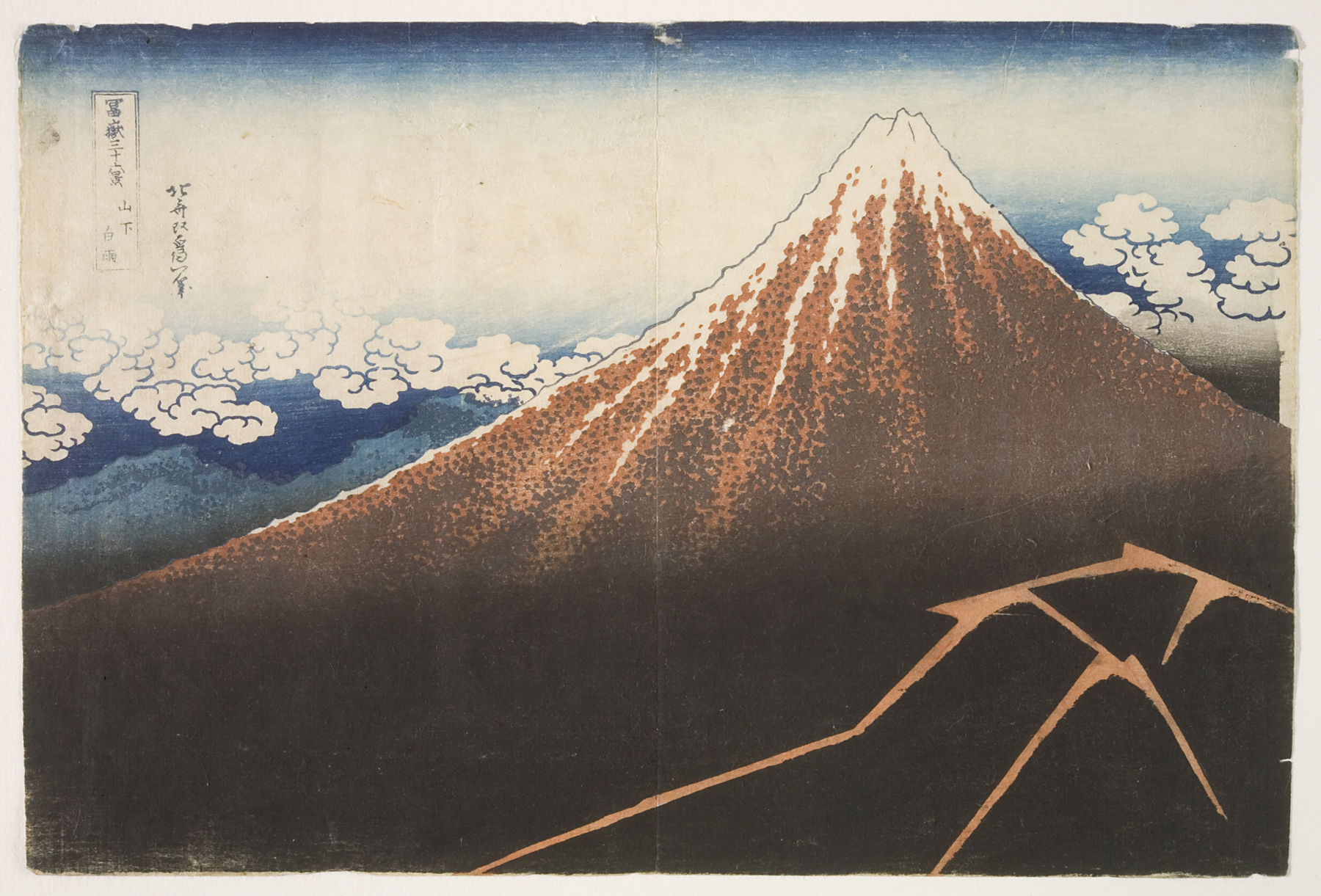
Sanka haku-u (White Rain Below the Mountain), circa 1830, Edo period (1600–1868)
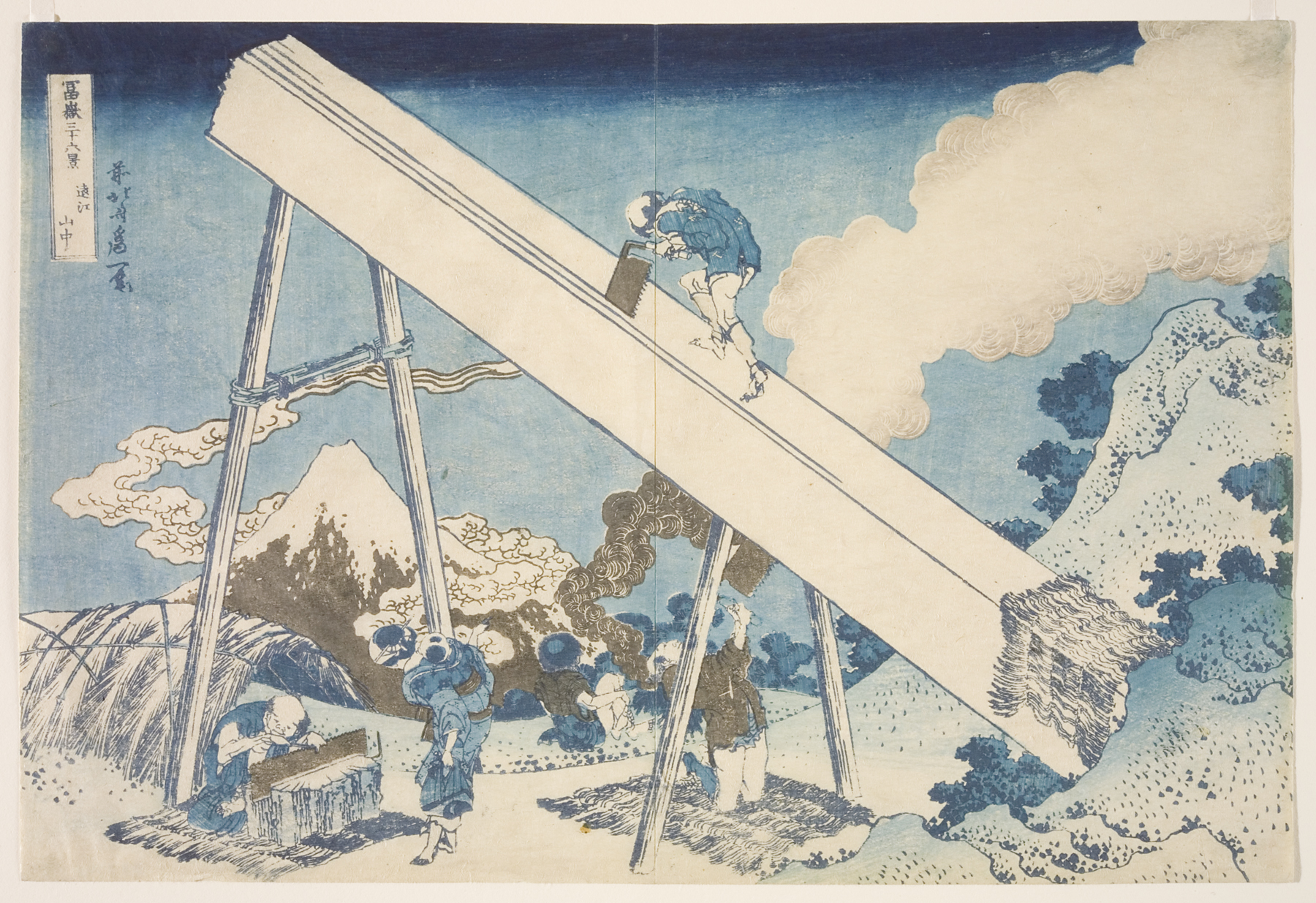
Tōtōmi sanchū (Fuji from the Mountains in Tōtōmi), circa 1830, Edo period (1600–1868)
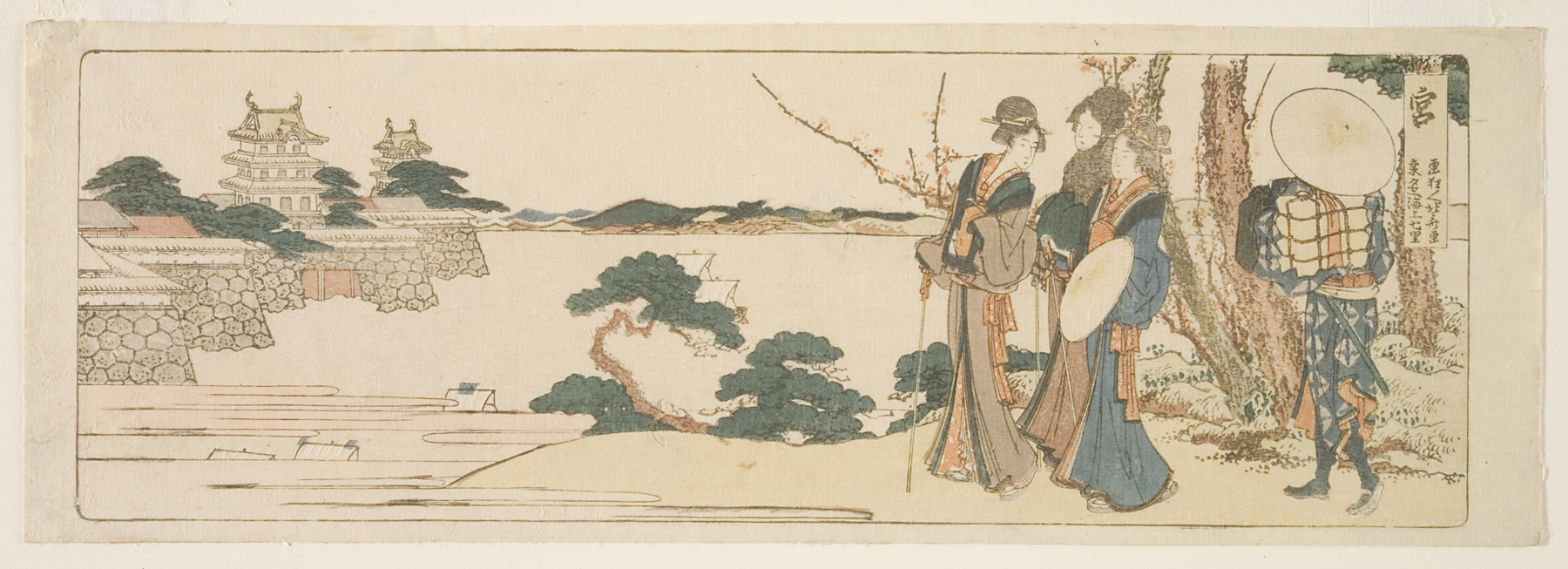
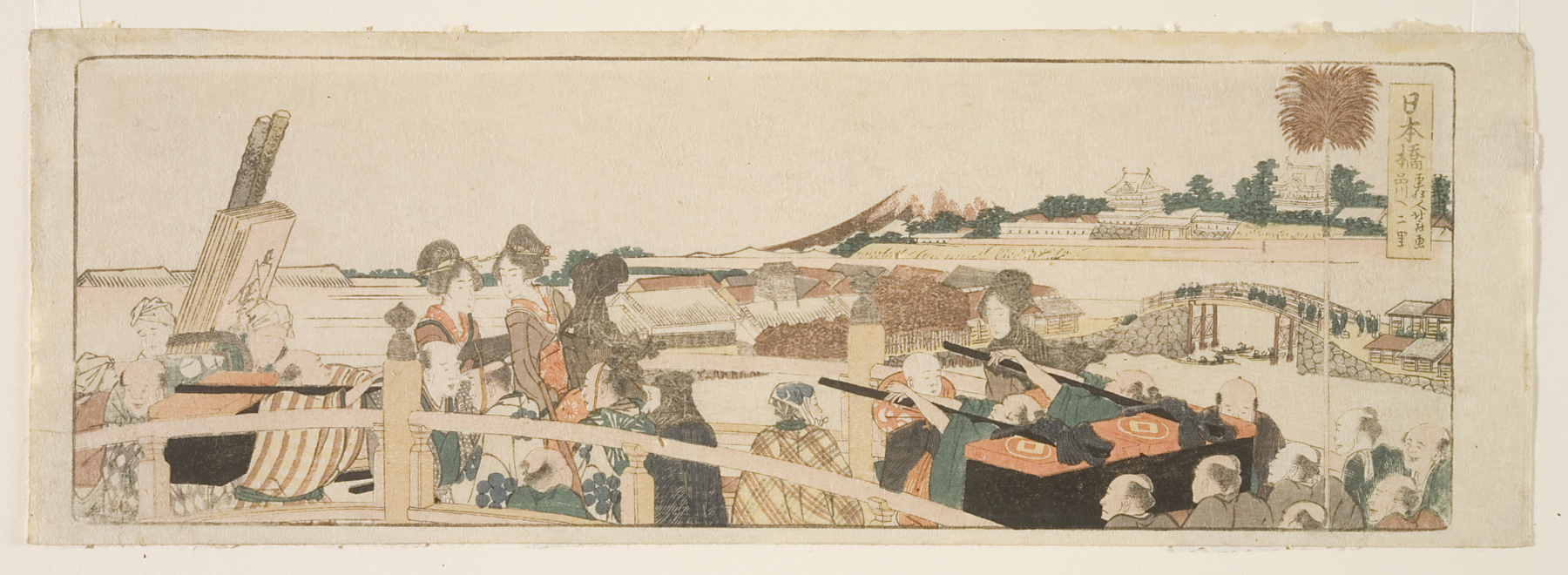
Nihonbashi (The Nihon Bridge), 1804, Edo period (1600–1868)
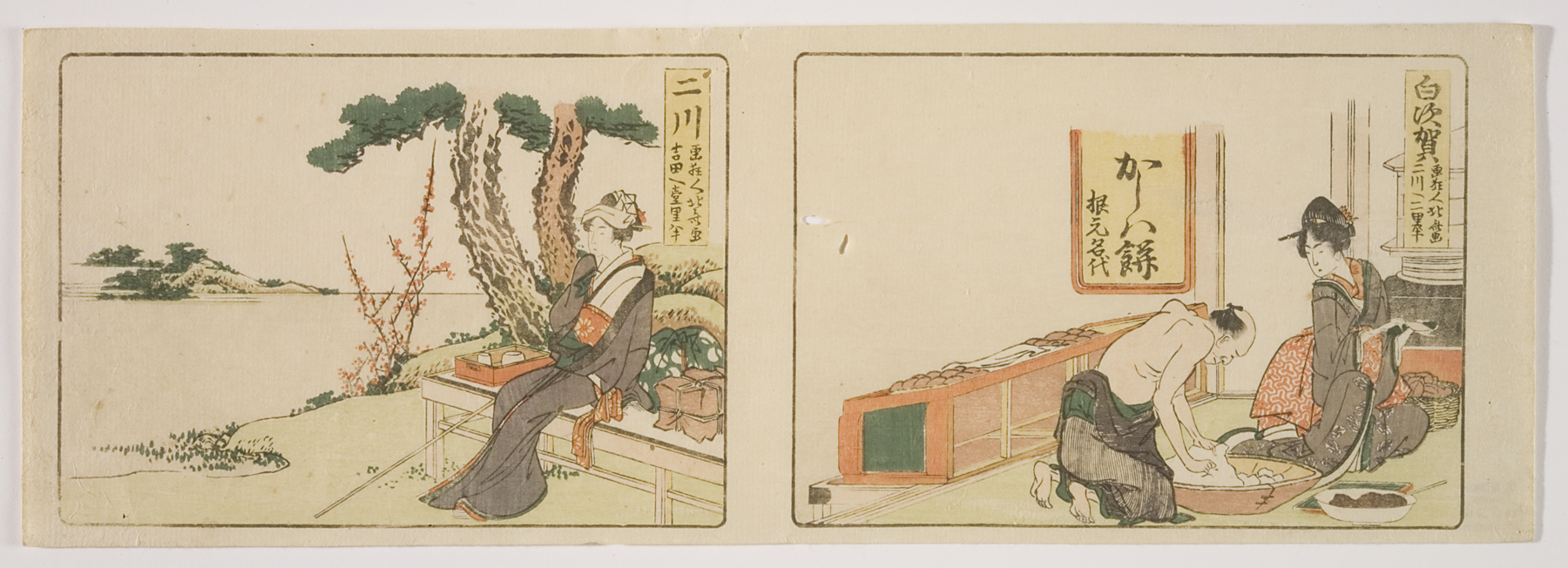
Shirasuke station (A) Futagawa station (B), circa 1804 (Edo period 1600–1868)
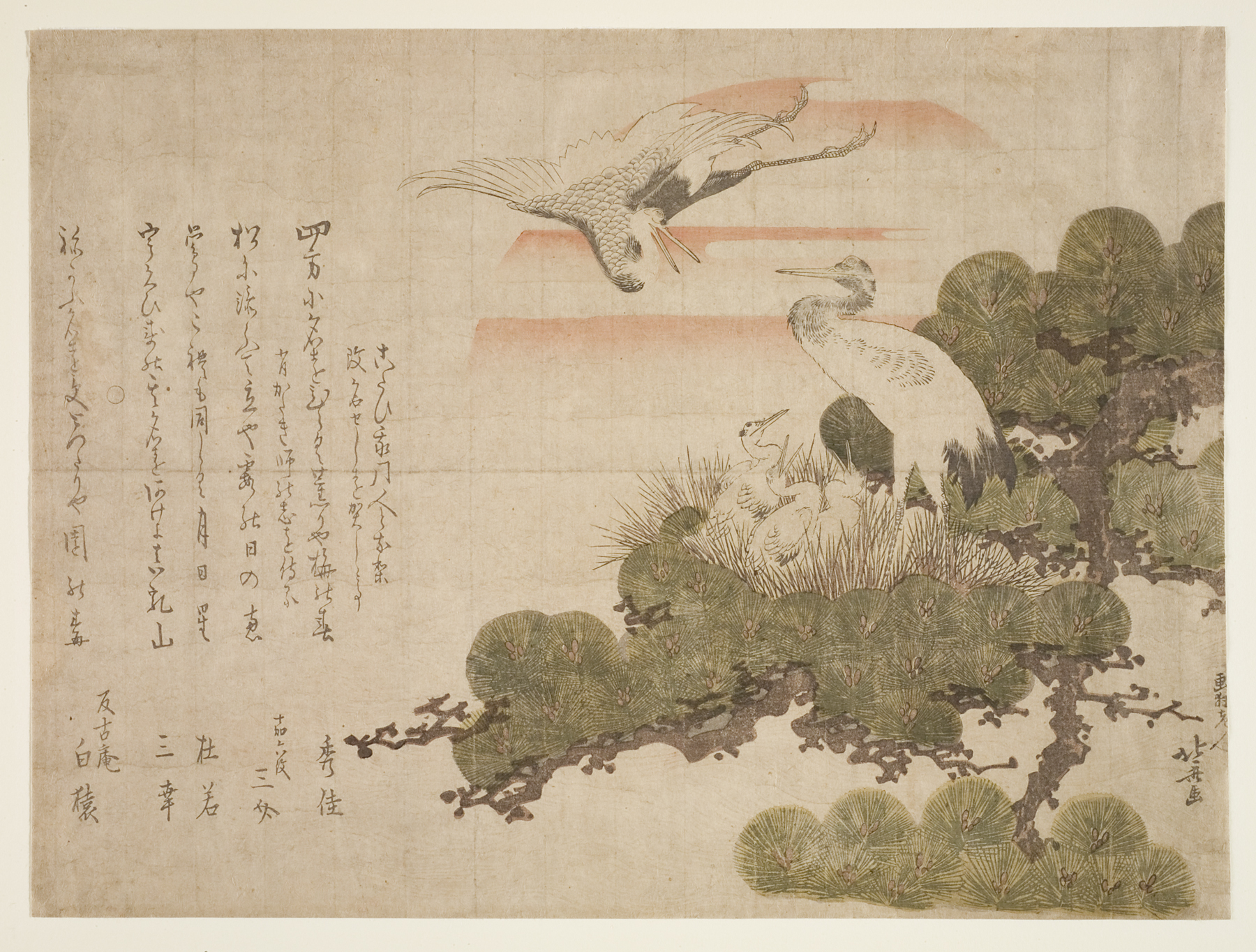
cranes in pine tree, circa 1805, Edo period (1600–1868)
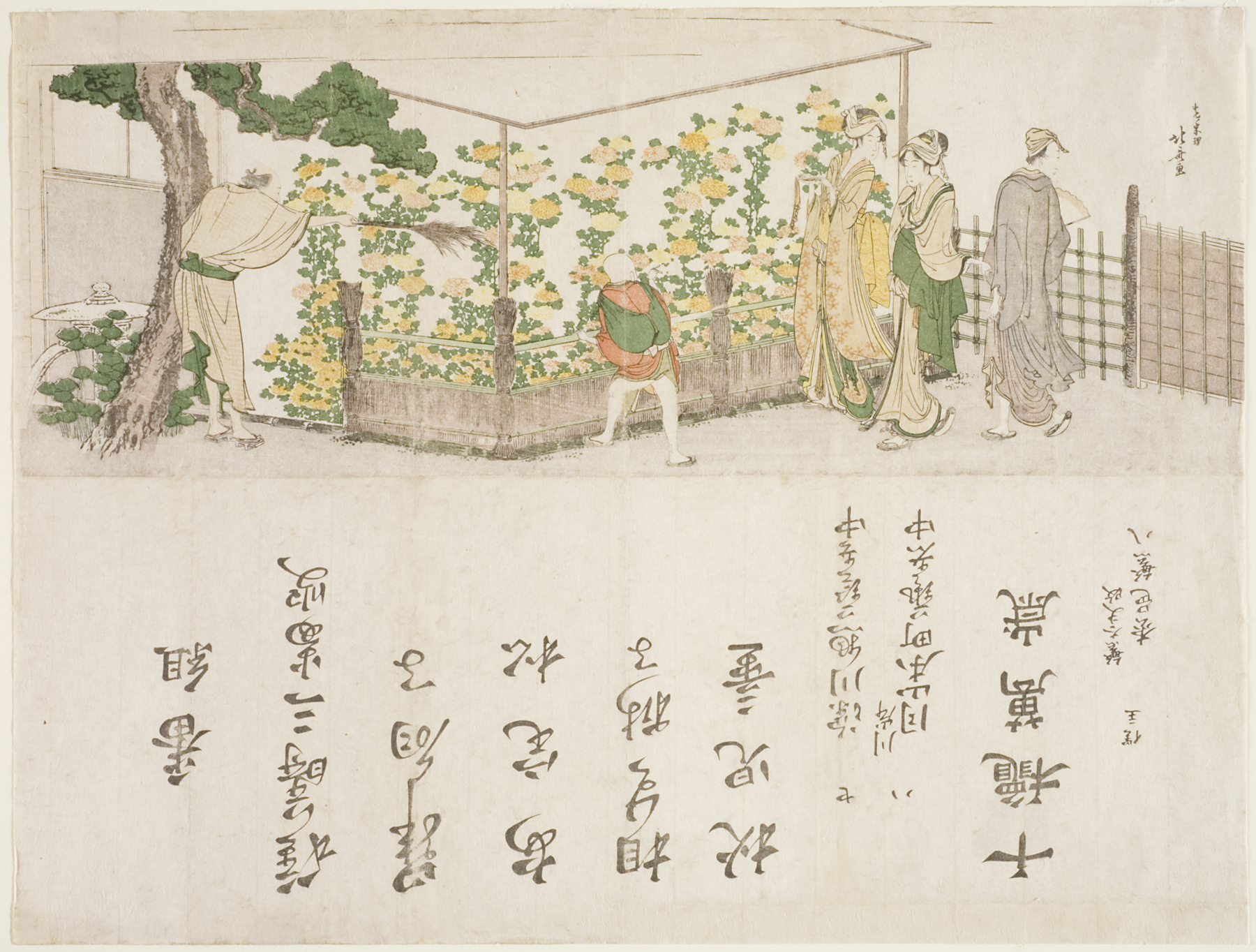
chrysanthemum display, 1799, Edo period (1600–1868)

Koshu misaka suimen (Snowy Mt. Fuji Reflected in Lake at Misaka), circa 1830, Edo period (1600–1868)
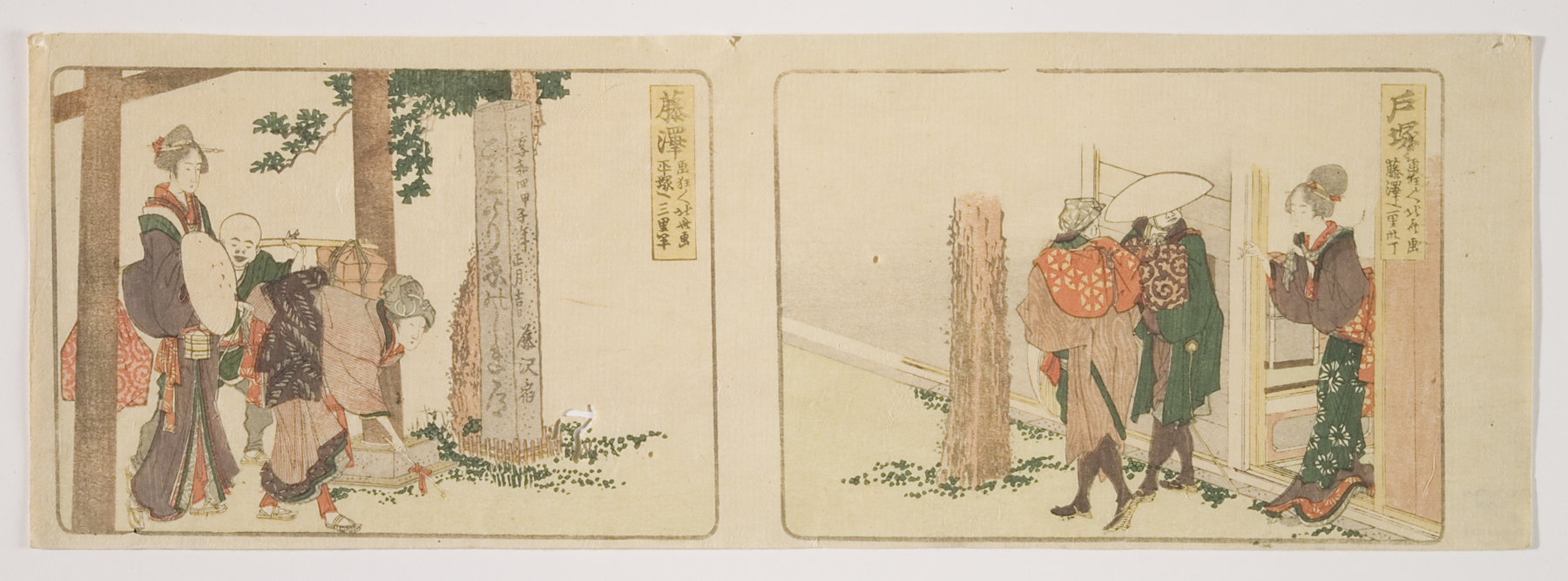
Totsuka station(A) Fujisawa station (B), circa 1804 (Edo period 1600–1868)
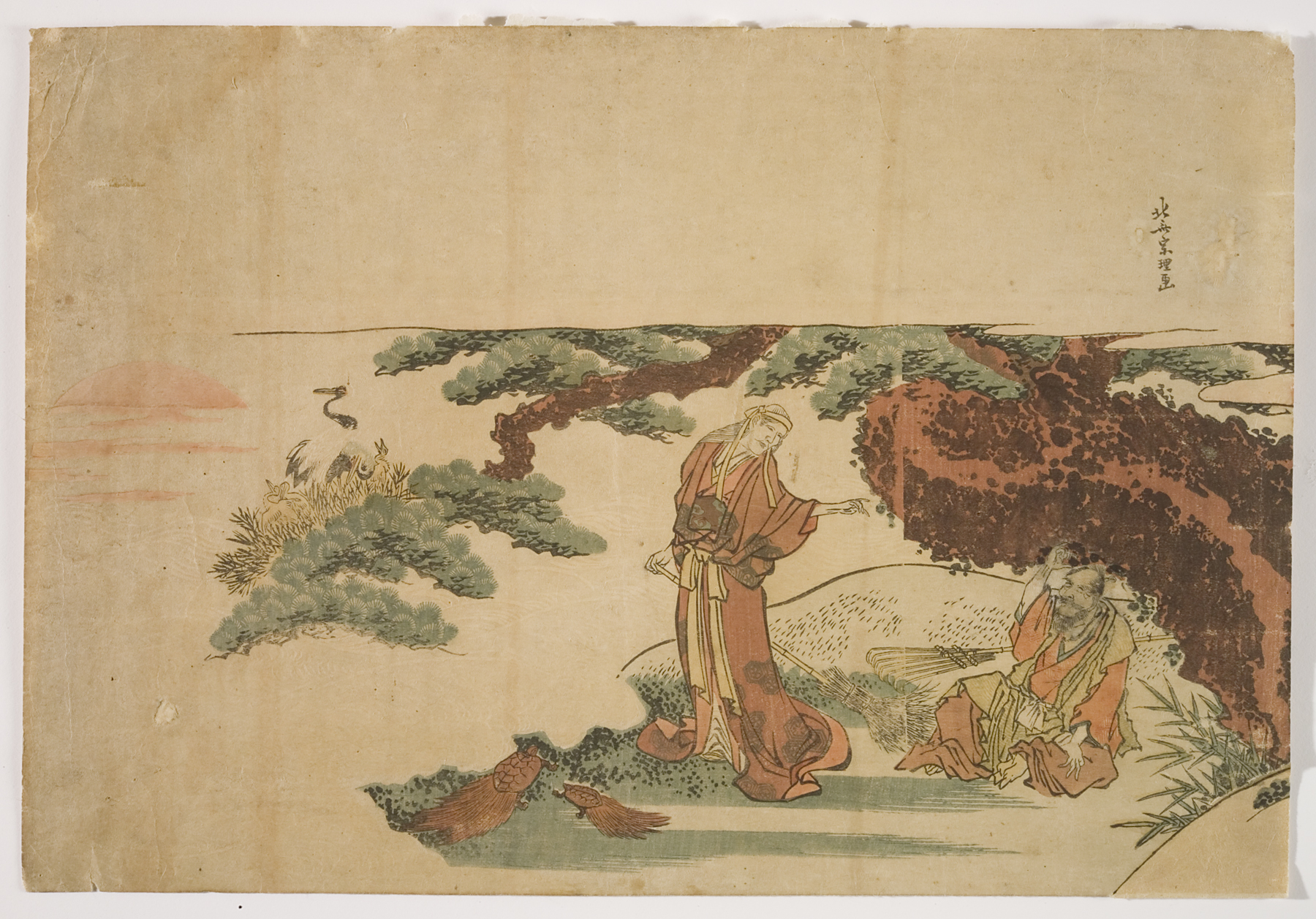
Jo and Uba beneath Takasago pine at sunrise on New Year's Day, 1790s, Edo period (1600–1868)
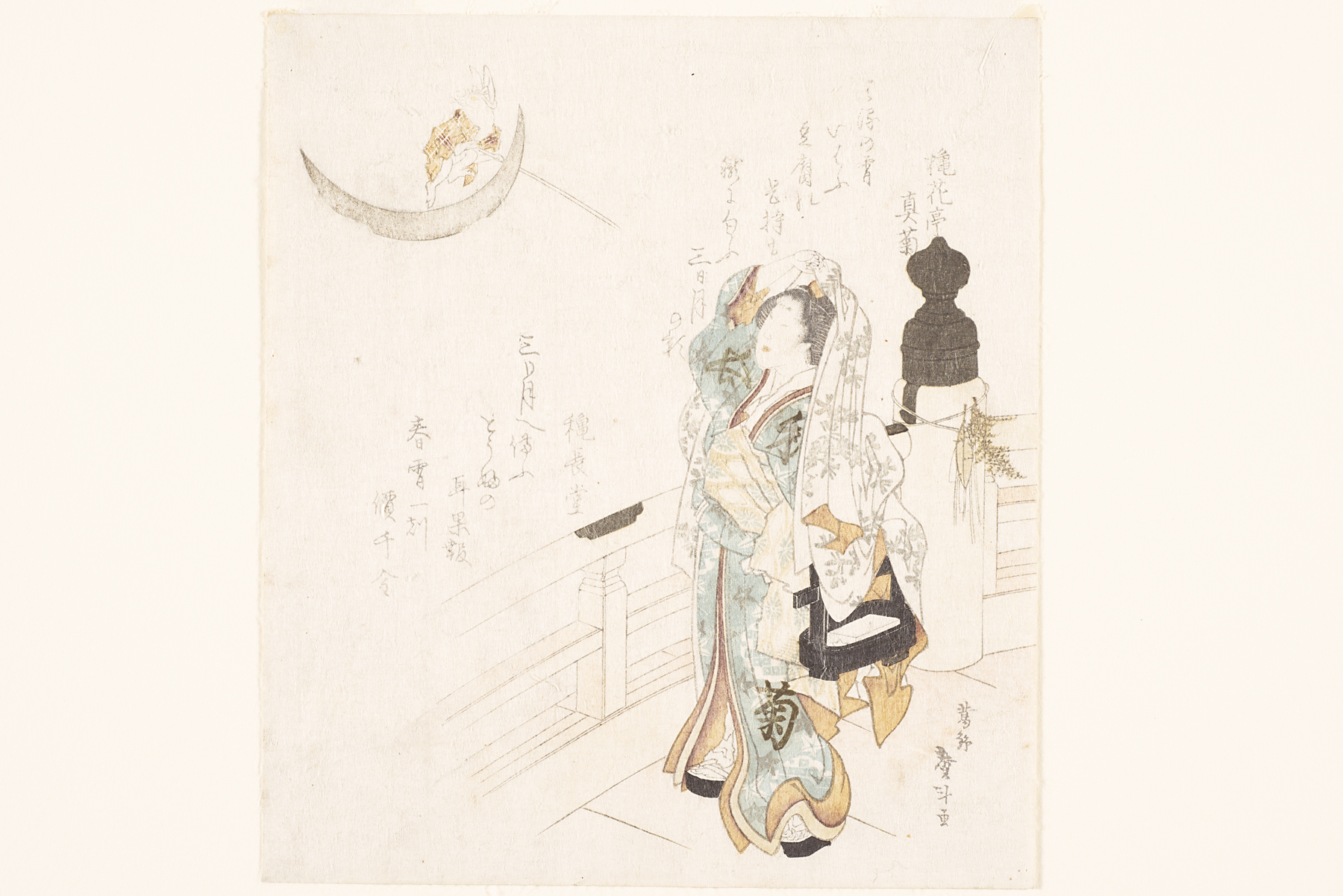
woman on Nihon bridge, 1819, Edo period (1600–1868)
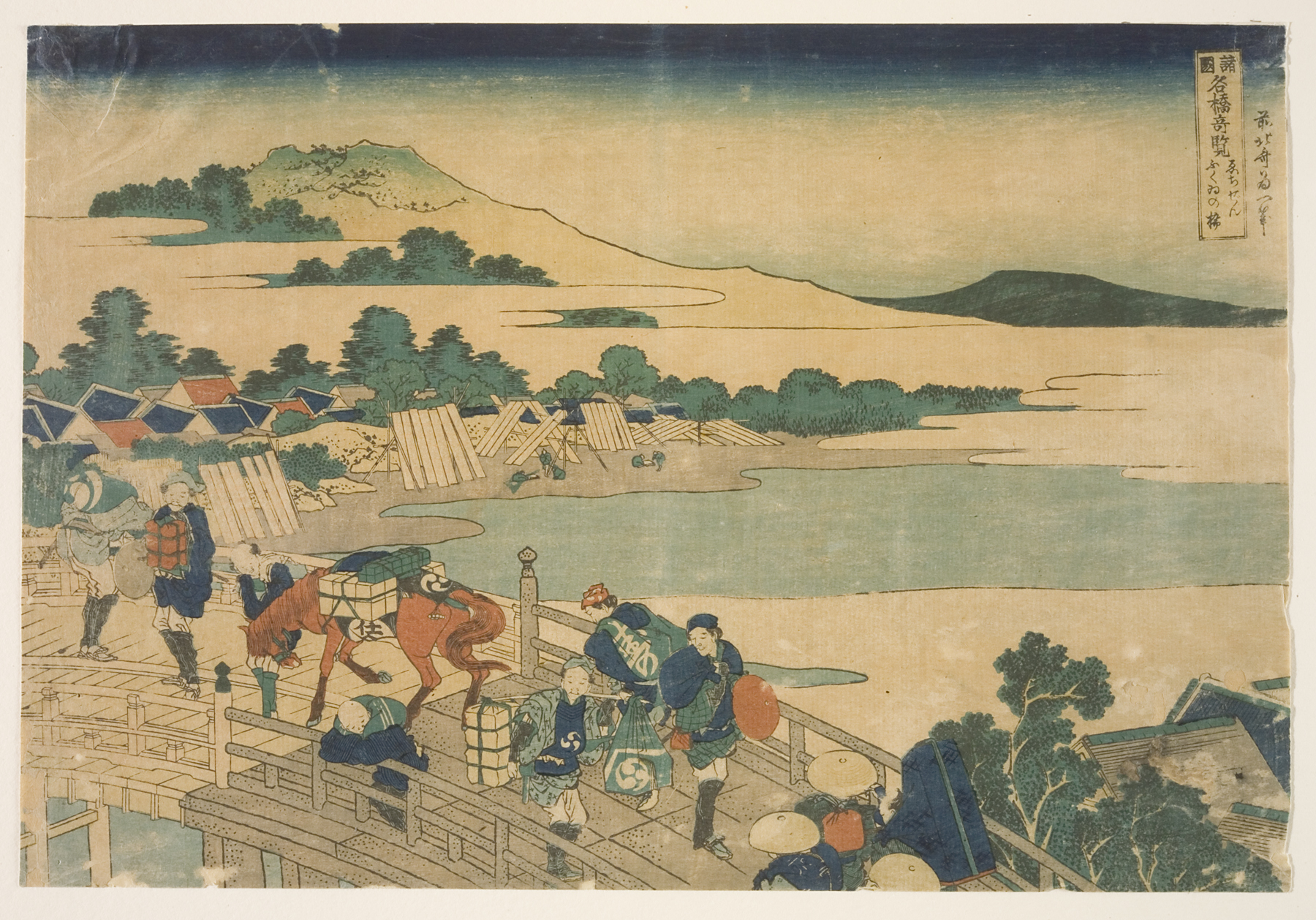
Echizen Fukui no hashi (Bridge at Fukui, Echizen Province), circa 1831–1832, Edo period (1600–1868)
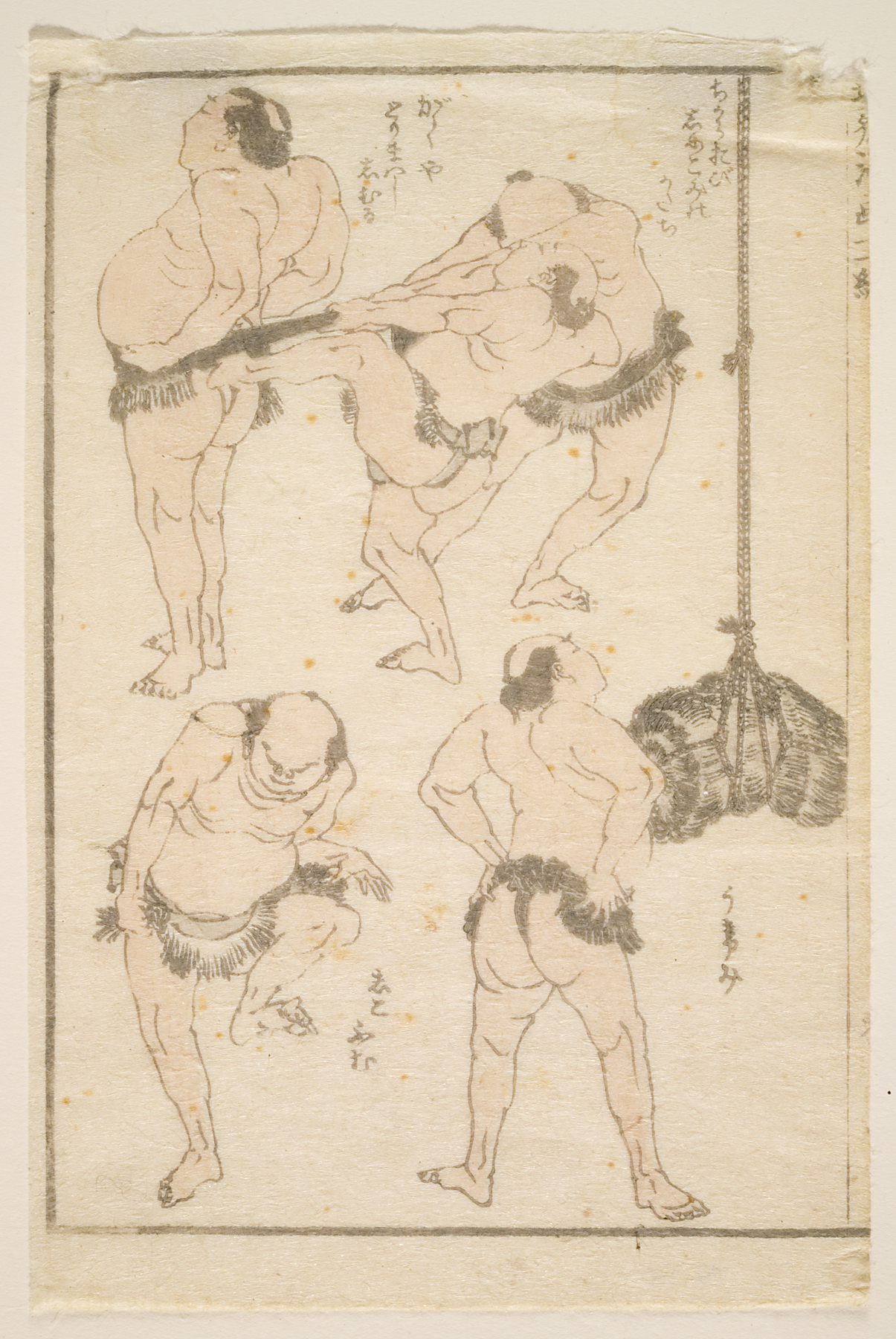
Sumō Wrestlers, sheet 9, late 1800s edition, Meiji period (1868–1912)
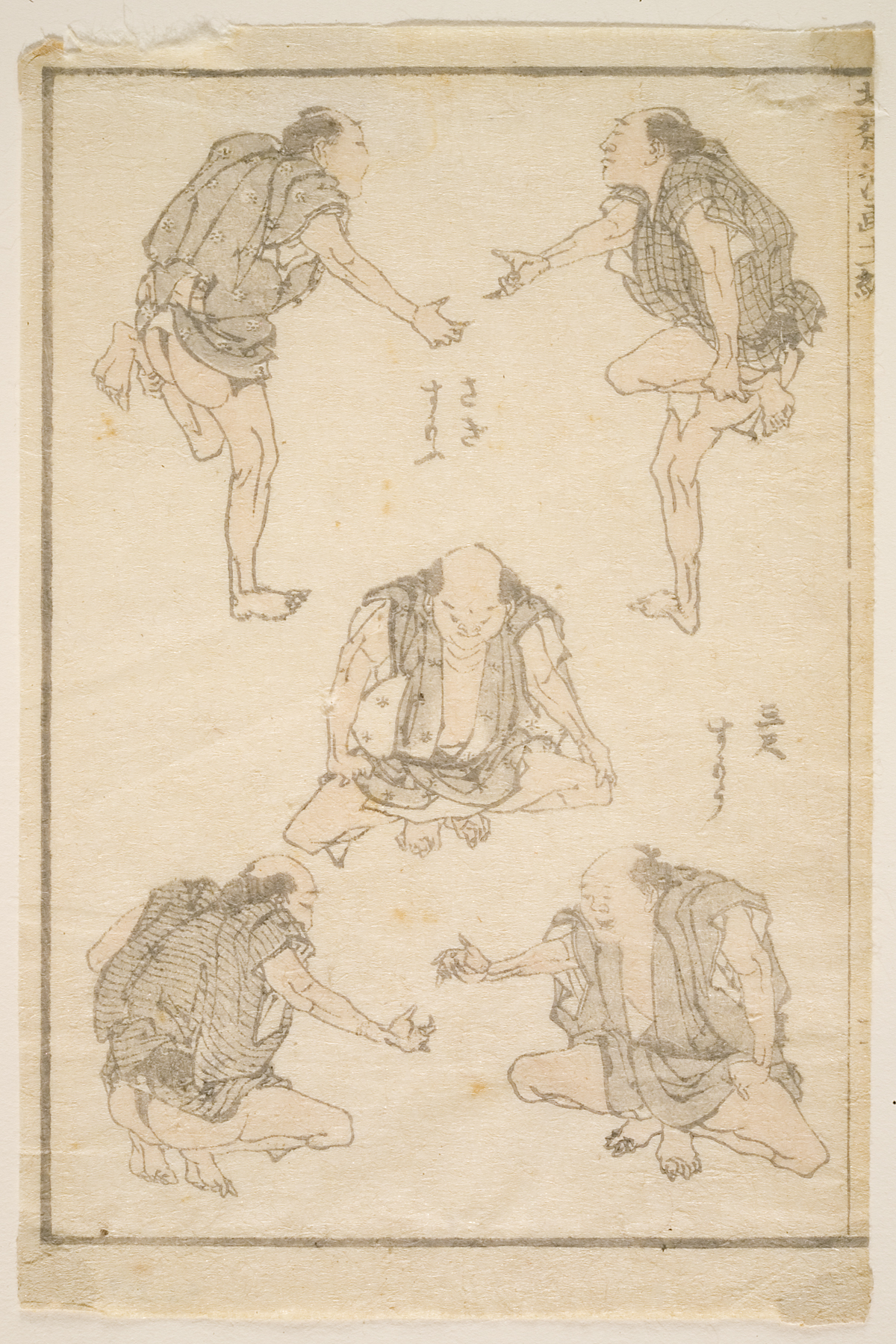
Different games, bookpage, late 1800s edition, Meiji period (1868–1912)
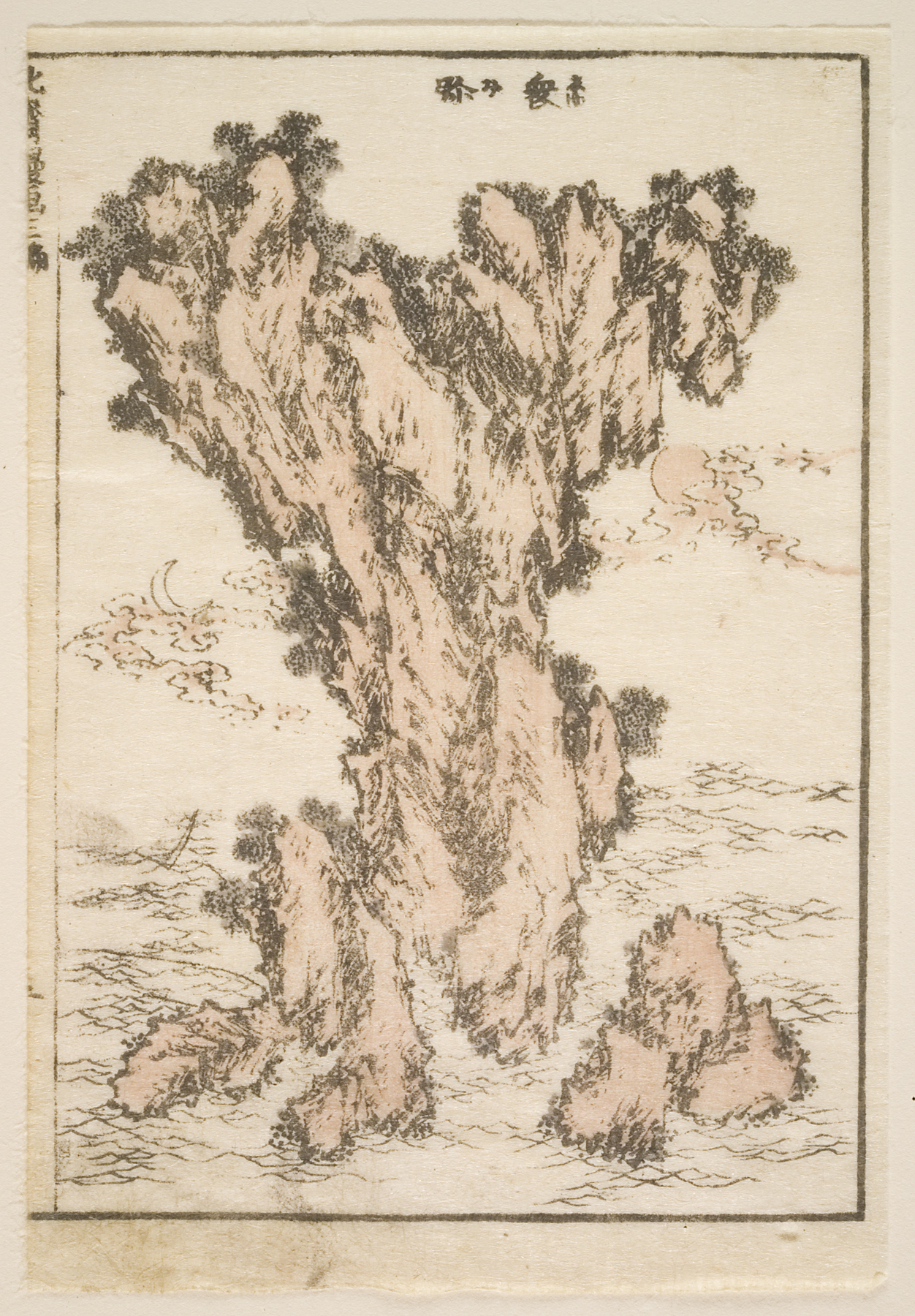
Large Cliff with Moon and Sun, mid 1800s–late 1800s, Edo period (1600–1868) or Meiji period (1868–1912)
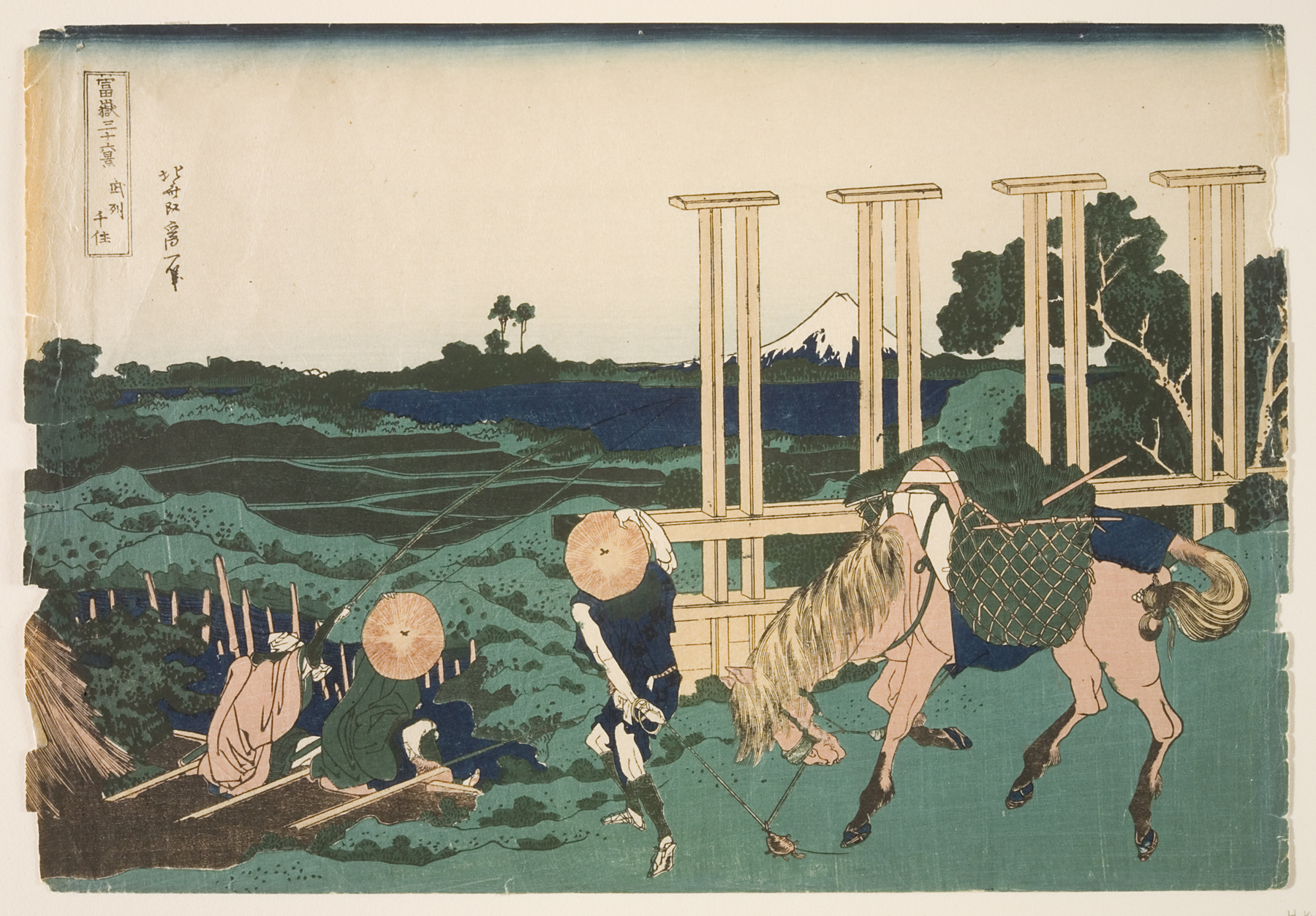
Bushū Senju (Senju in Musashi Province), circa 1829–1833, Edo period (1600–1868)
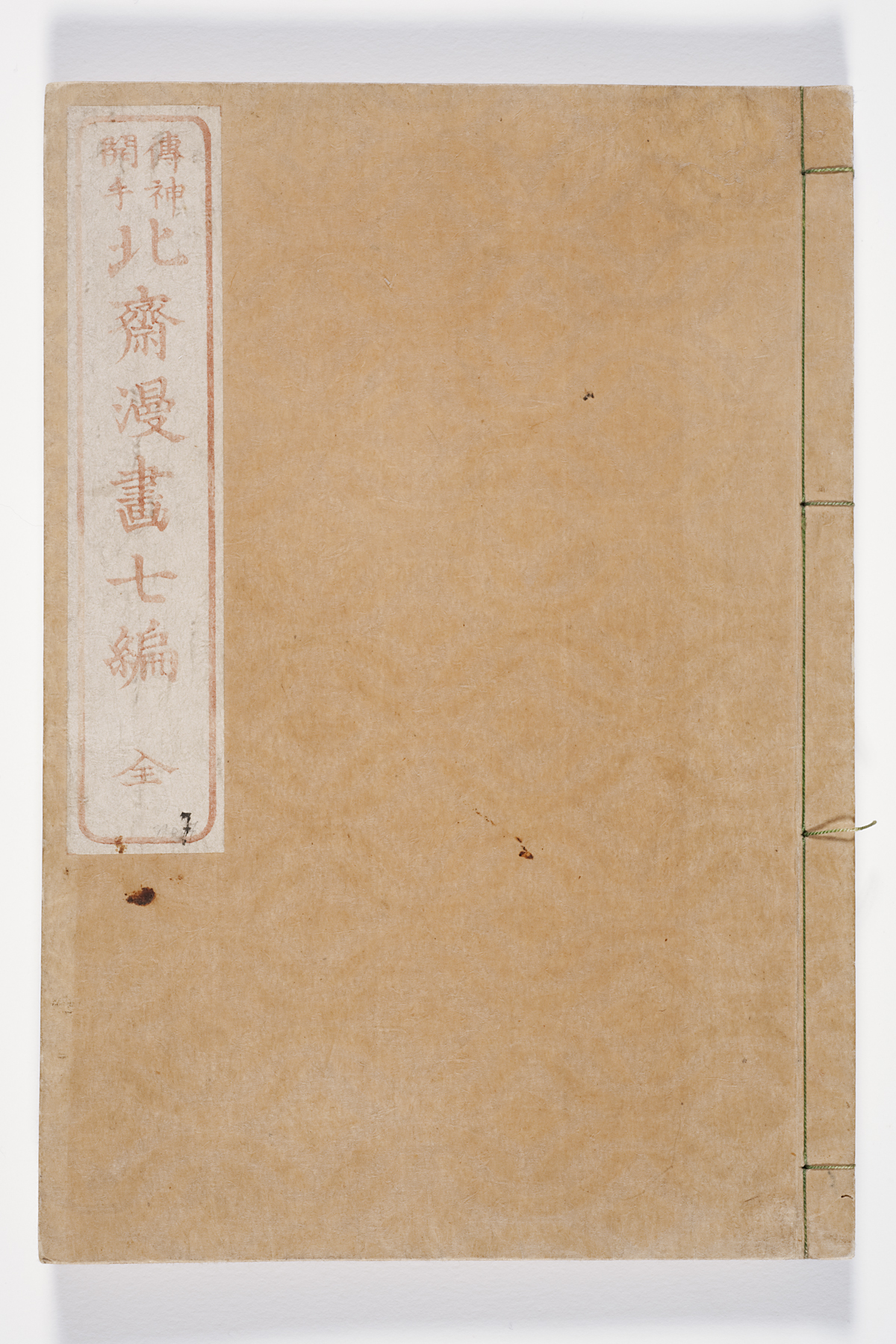
Hokusai manga shichi hen (Hokusai's Sketched Pictures, Volume 7), 1817, Edo period (1600–1868)
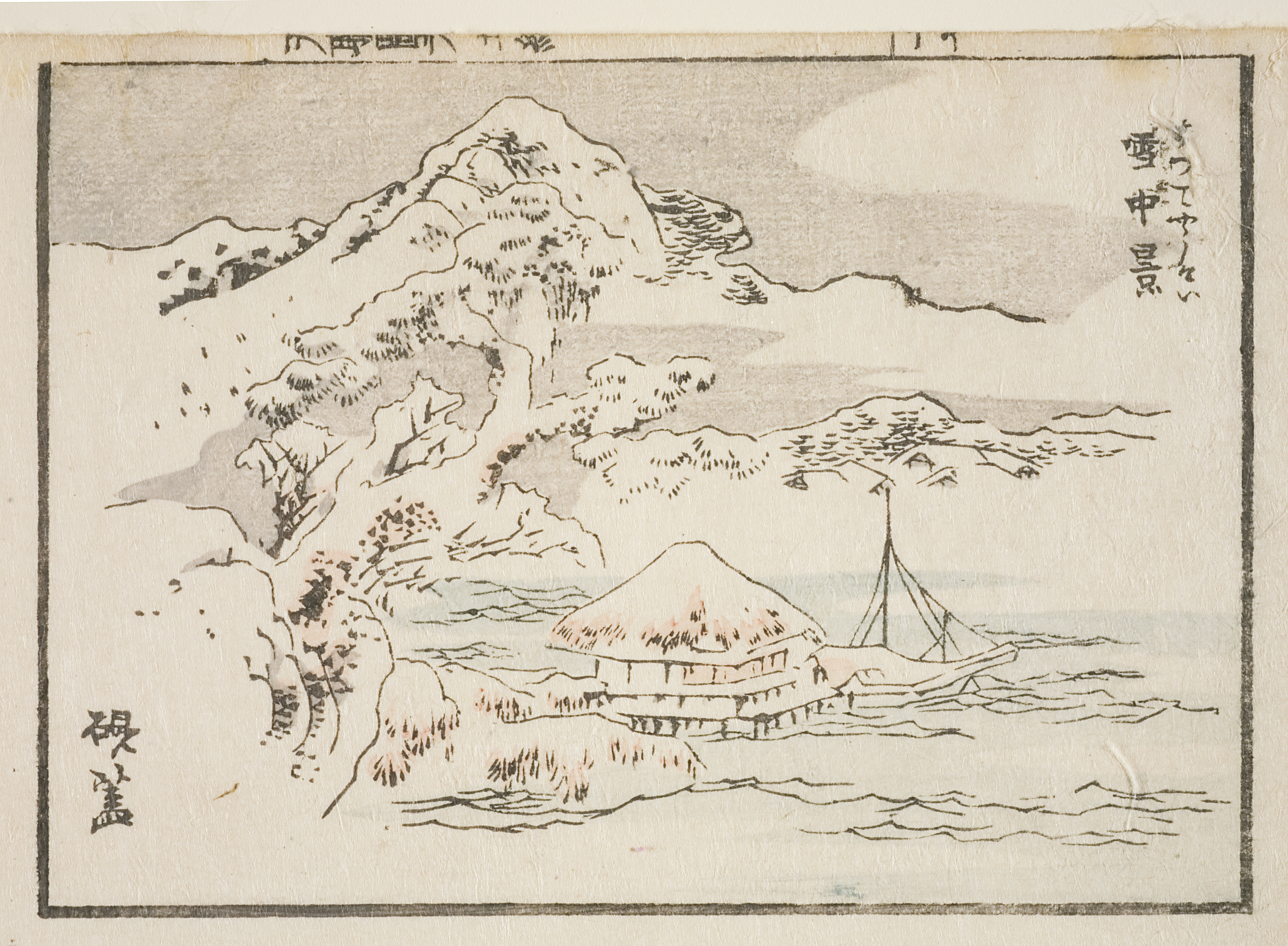
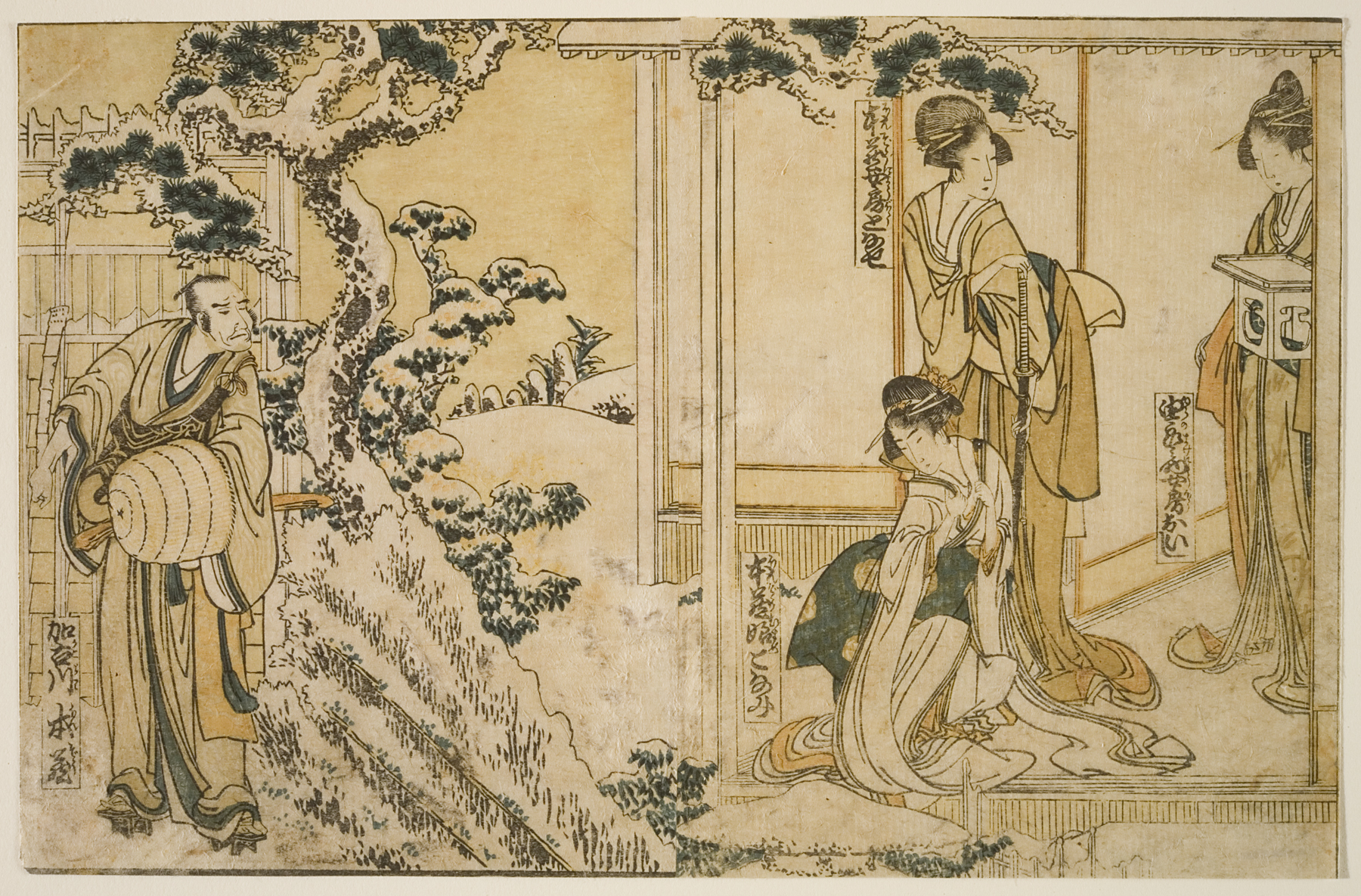
(Scene from Act Nine, The Villa at Yamashina), 1800s, Edo period (1600–1868)
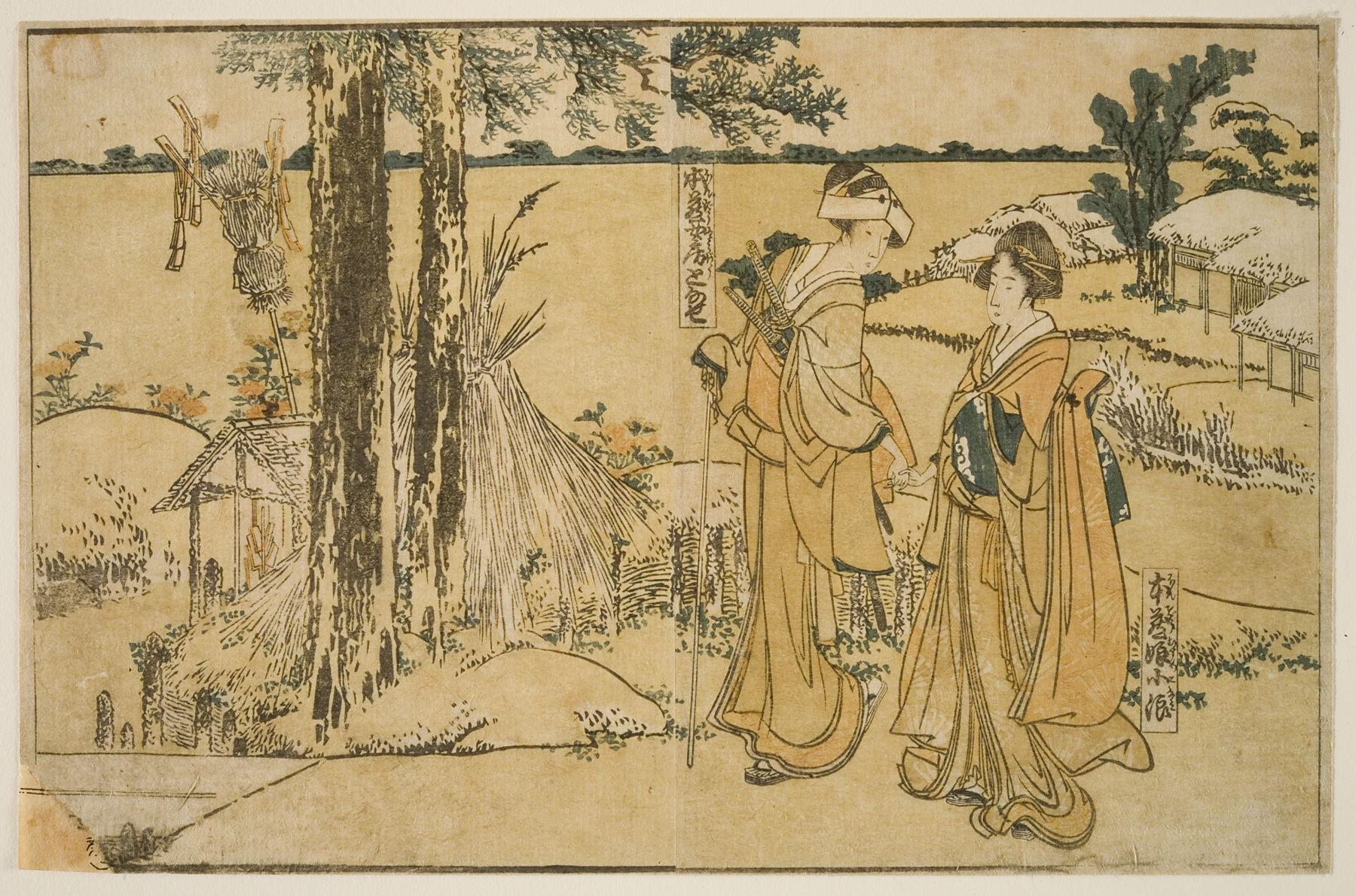
(Scene from Act Eight, The Wedding Journey), 1800s, Edo period (1600–1868)
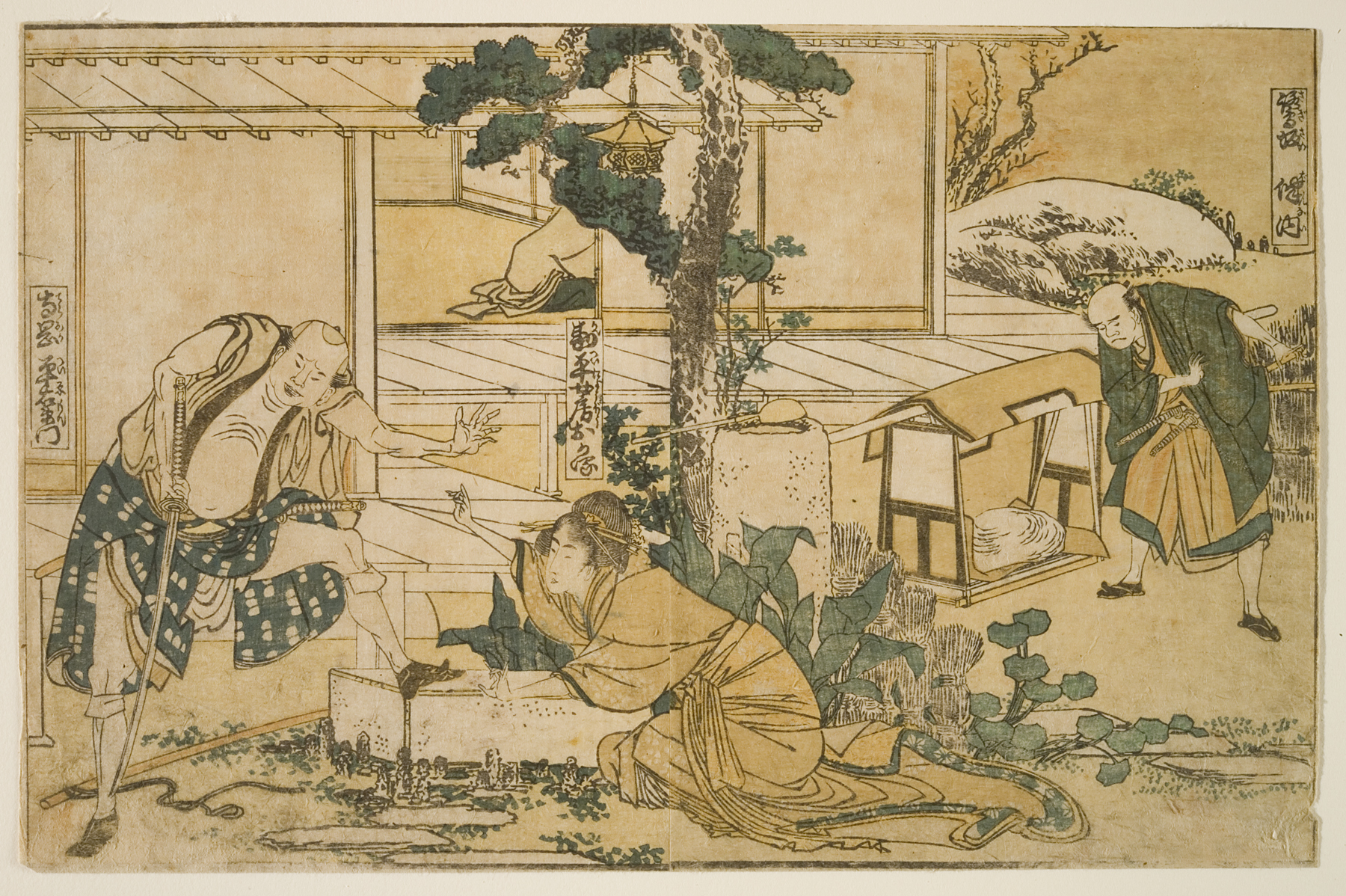
(Act Seven, At the Ichiriki Teahouse), 1800s, Edo period (1600–1868)
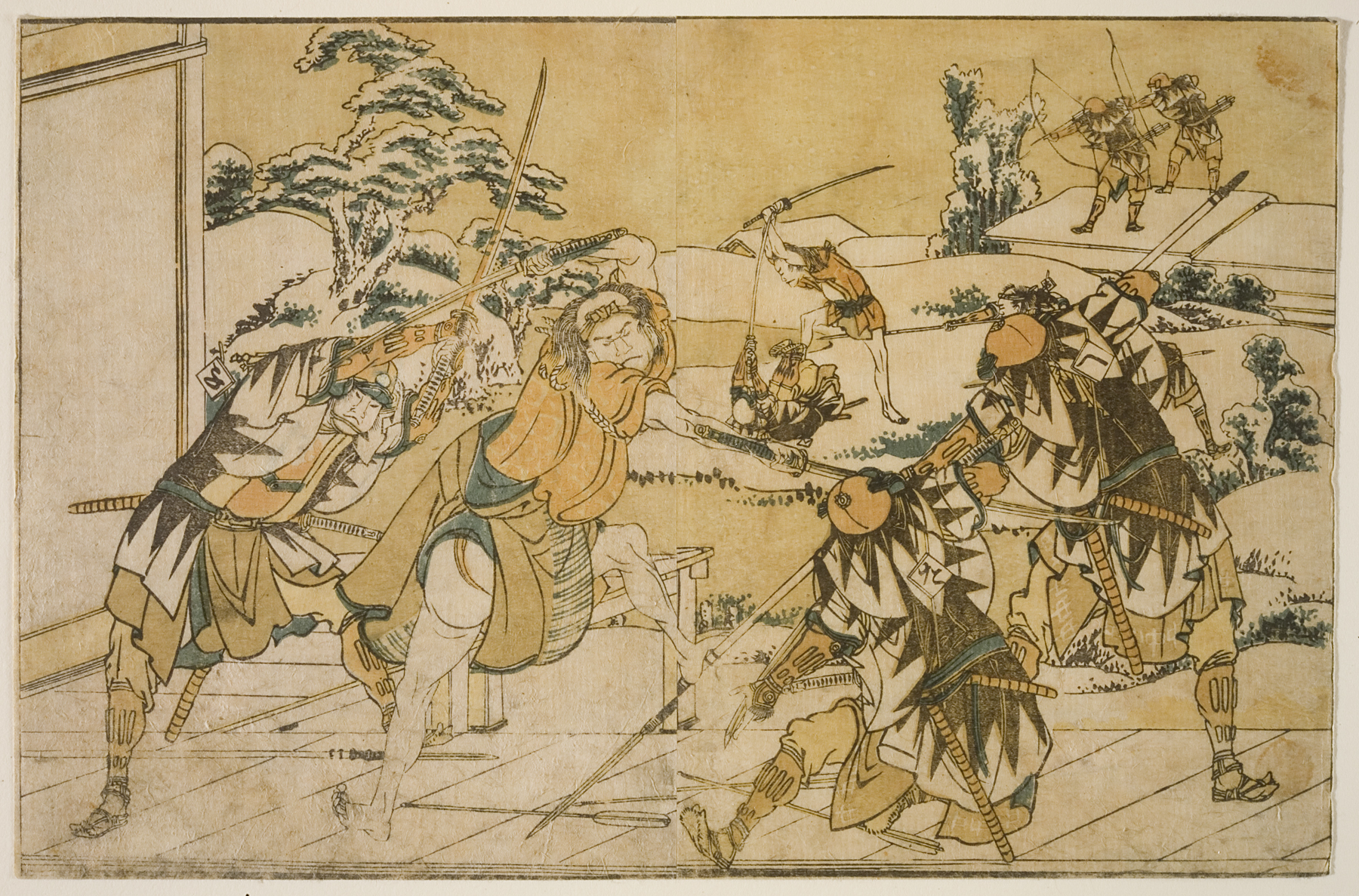
(Scene from Act 11 of play, The Night Attack), 1800s, Edo period (1600–1868)

(Scene from Act 10 of play, Amakawaya scene, Gihei's shop), 1800s, Edo period (1600–1868)
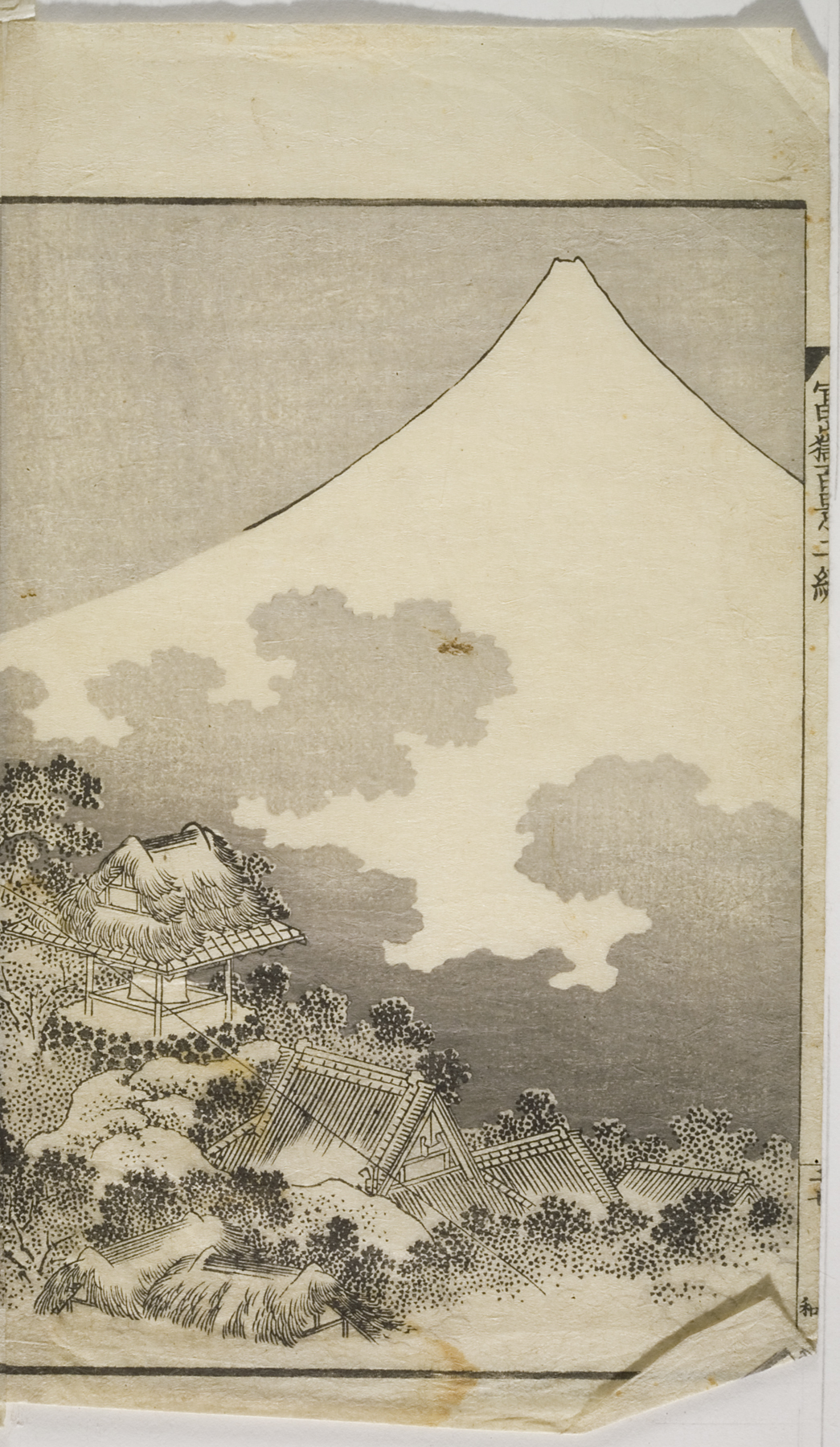

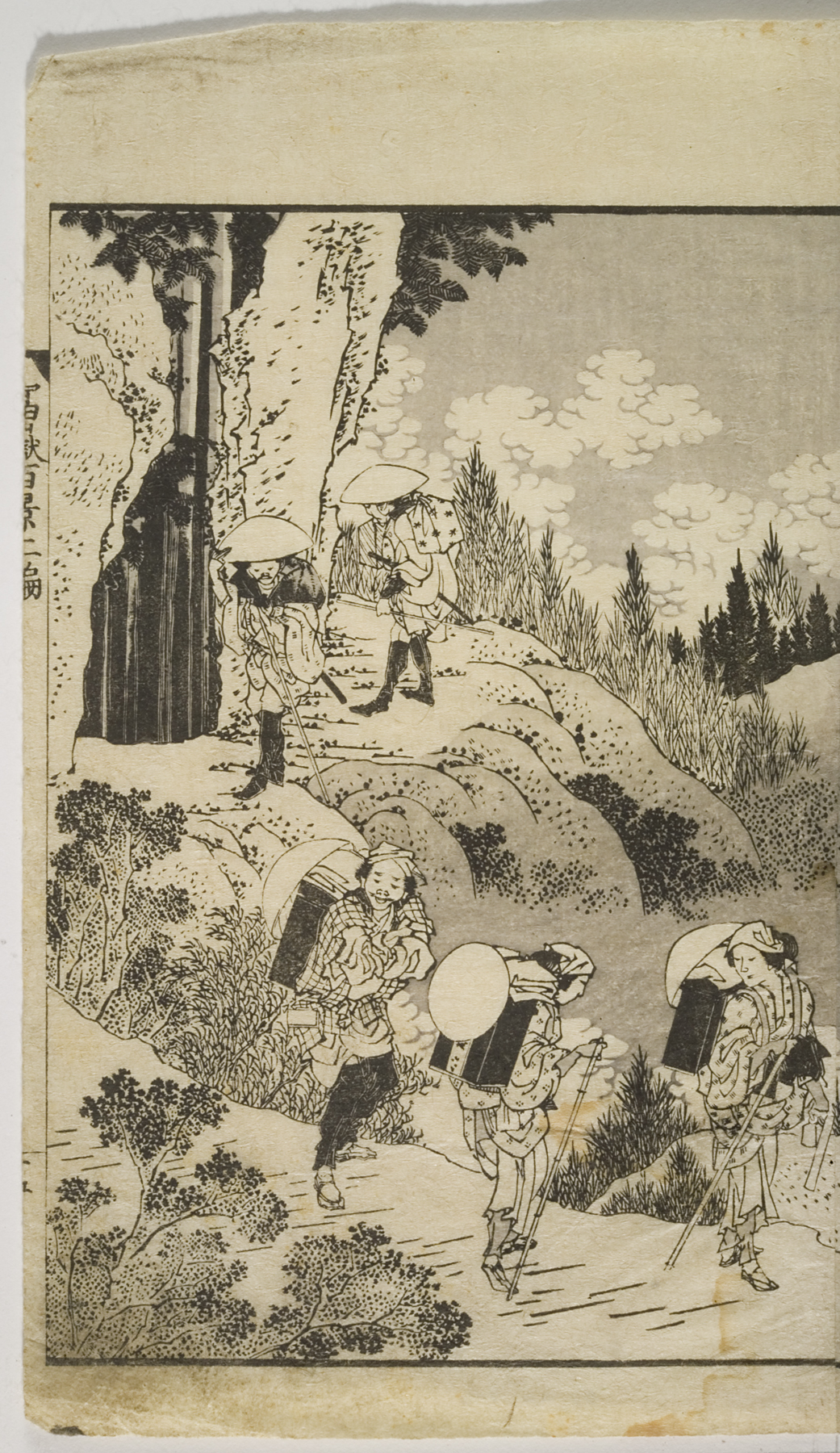
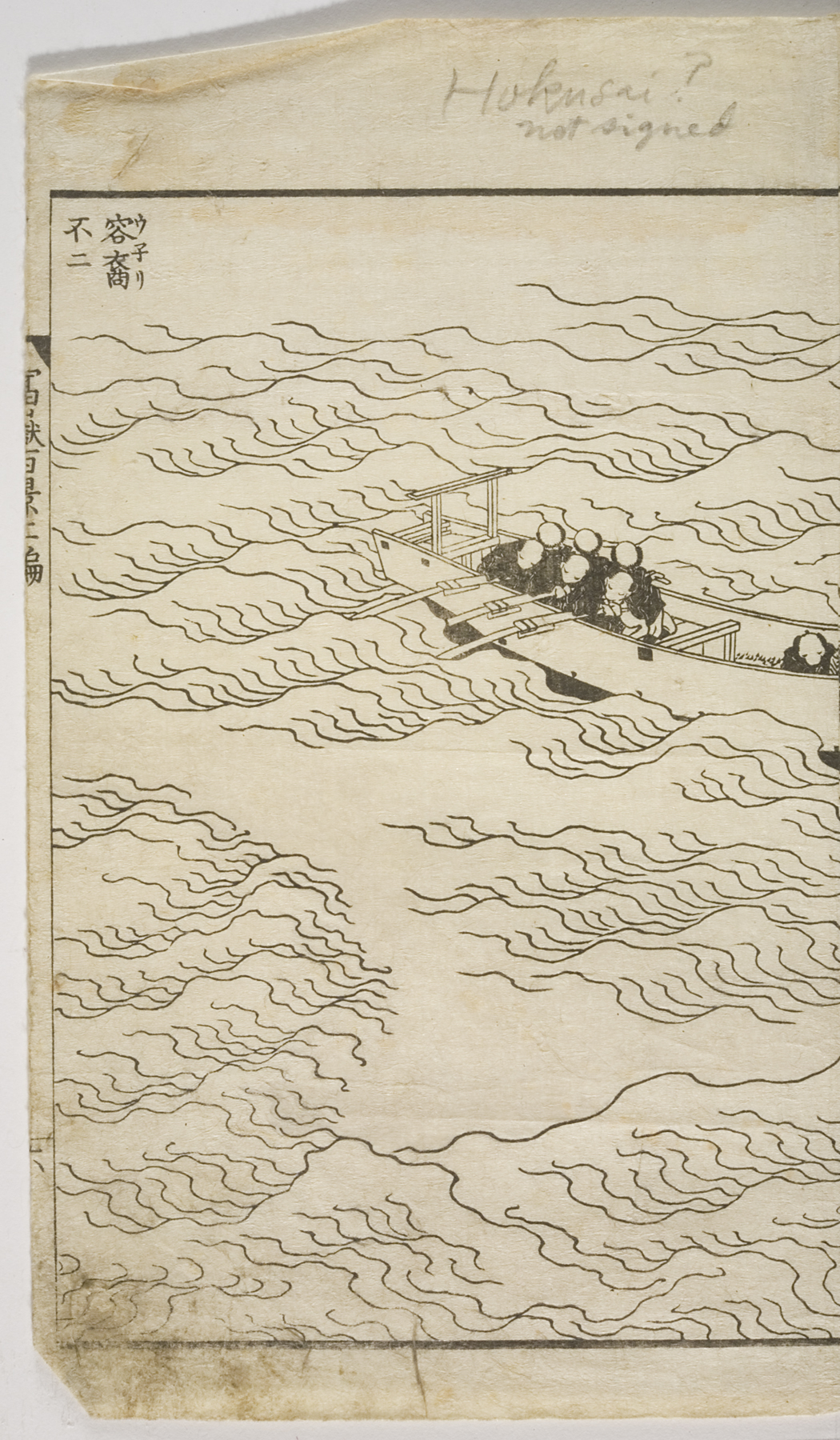
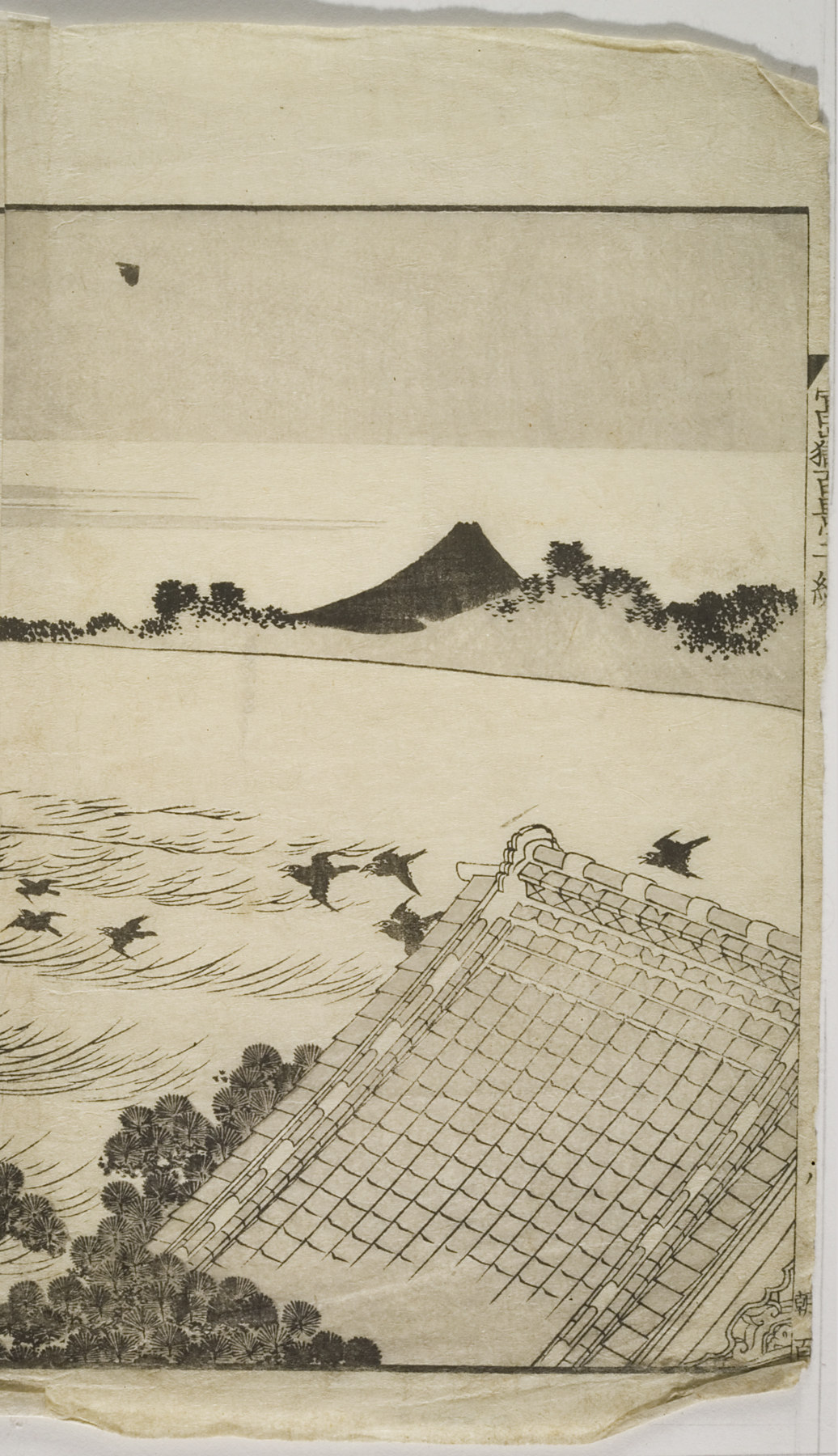
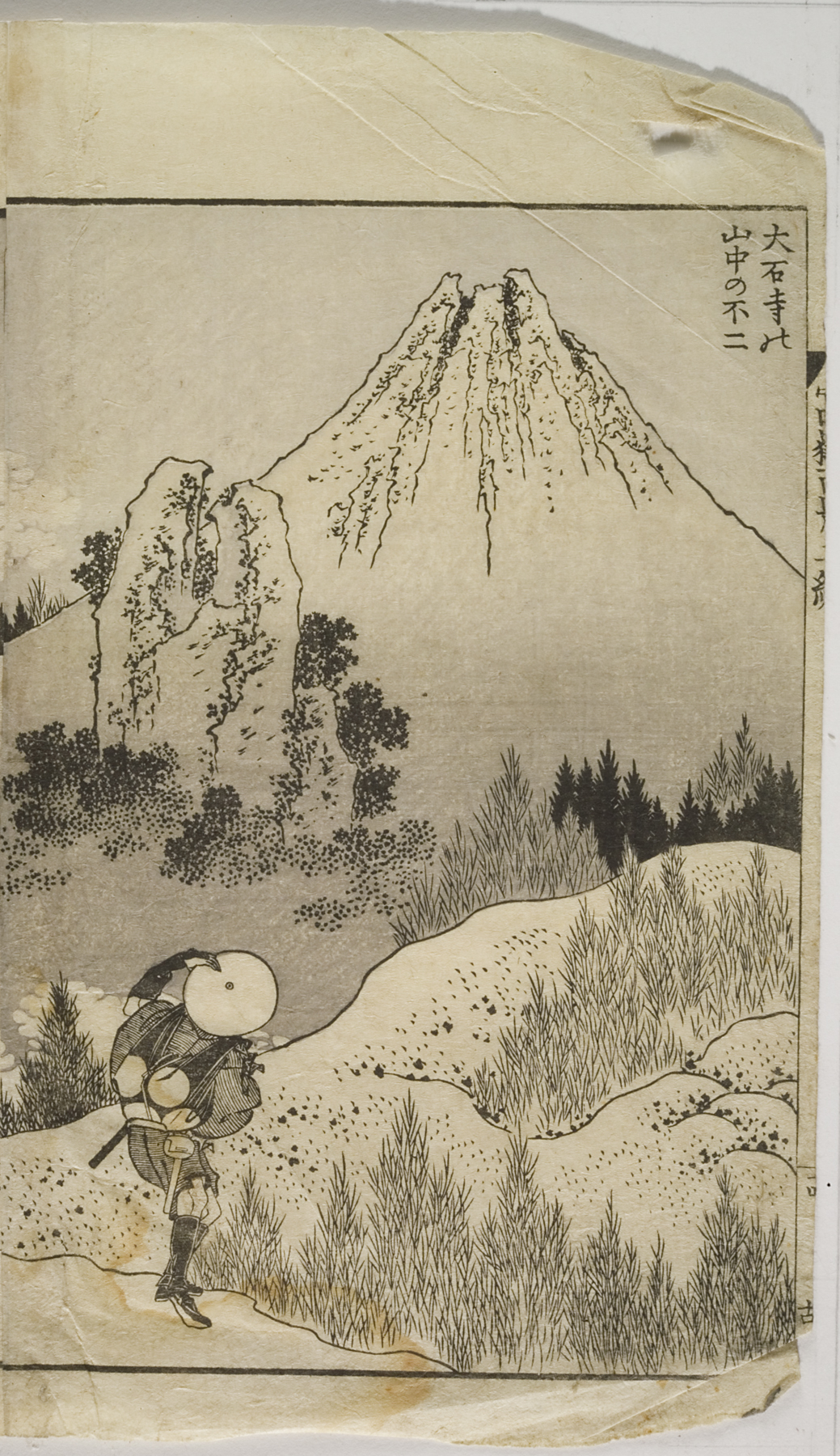
Fugaku hyakkei (100 Views of Mount Fuji), late 1700s–early 1800s, Edo period (1600–1868)
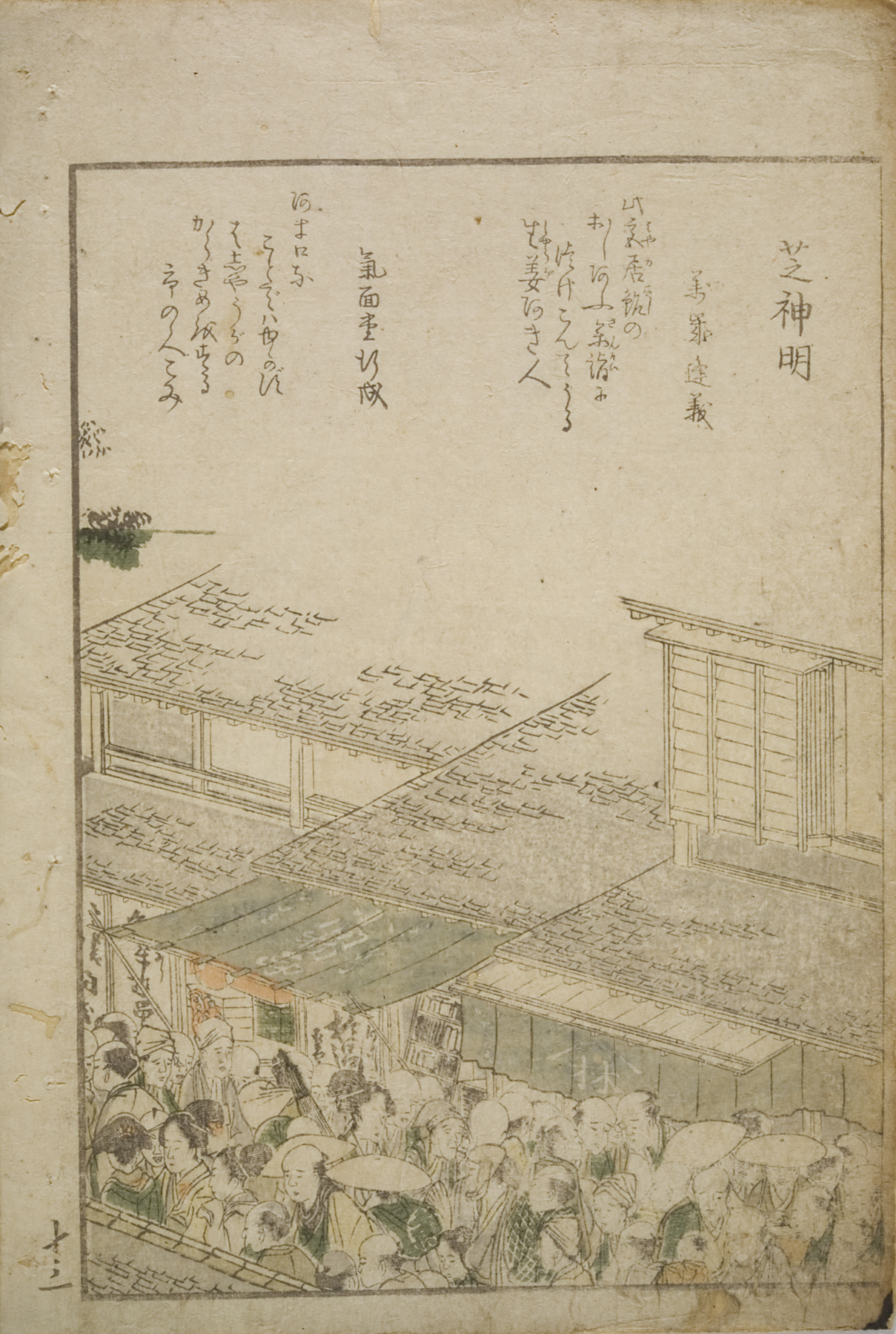
one of four pages, Views of famous places in Eastern capital, 1800, Edo period (1600–1868)
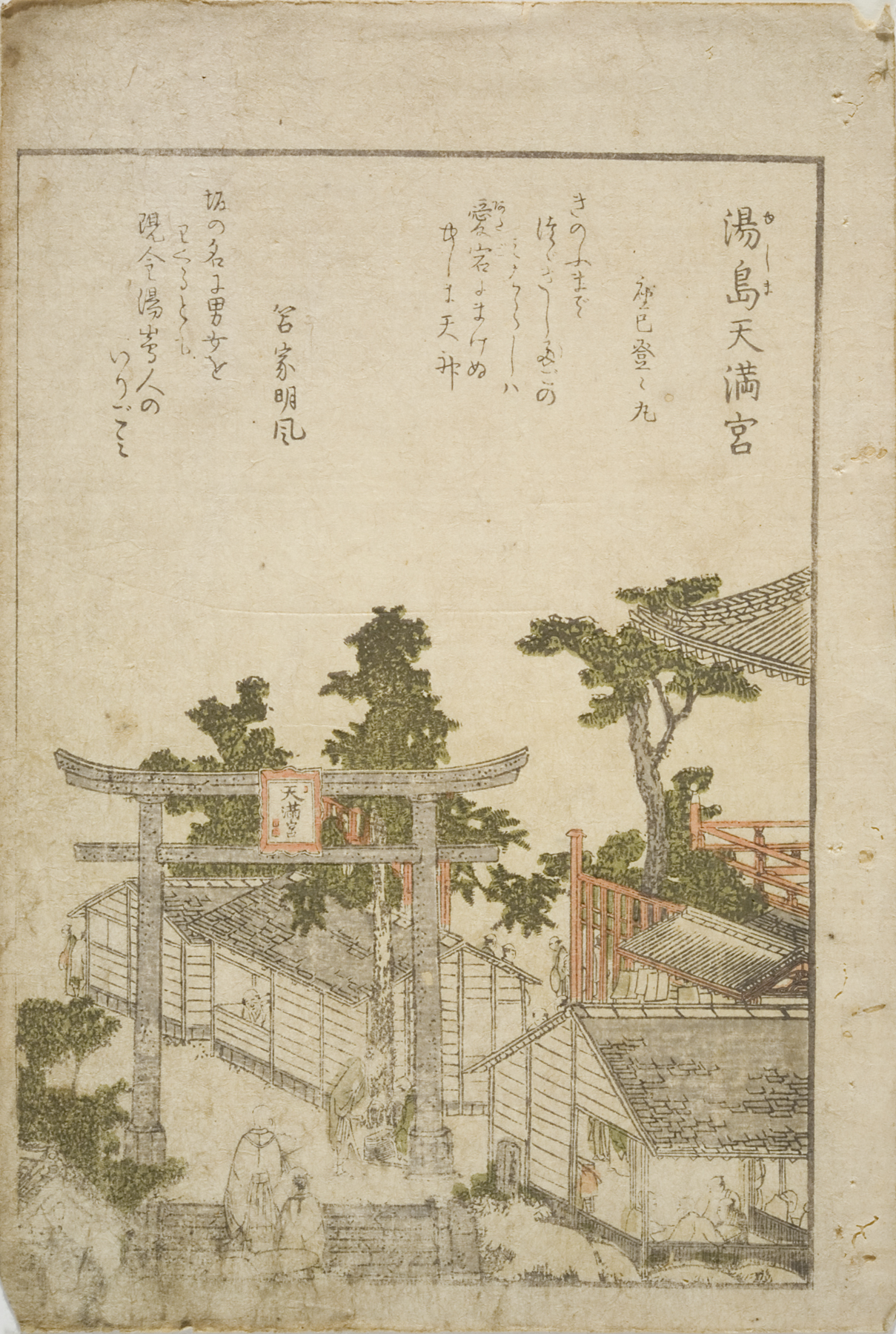
one of four pages, Views of famous places in Eastern capital, 1800, Edo period (1600–1868)
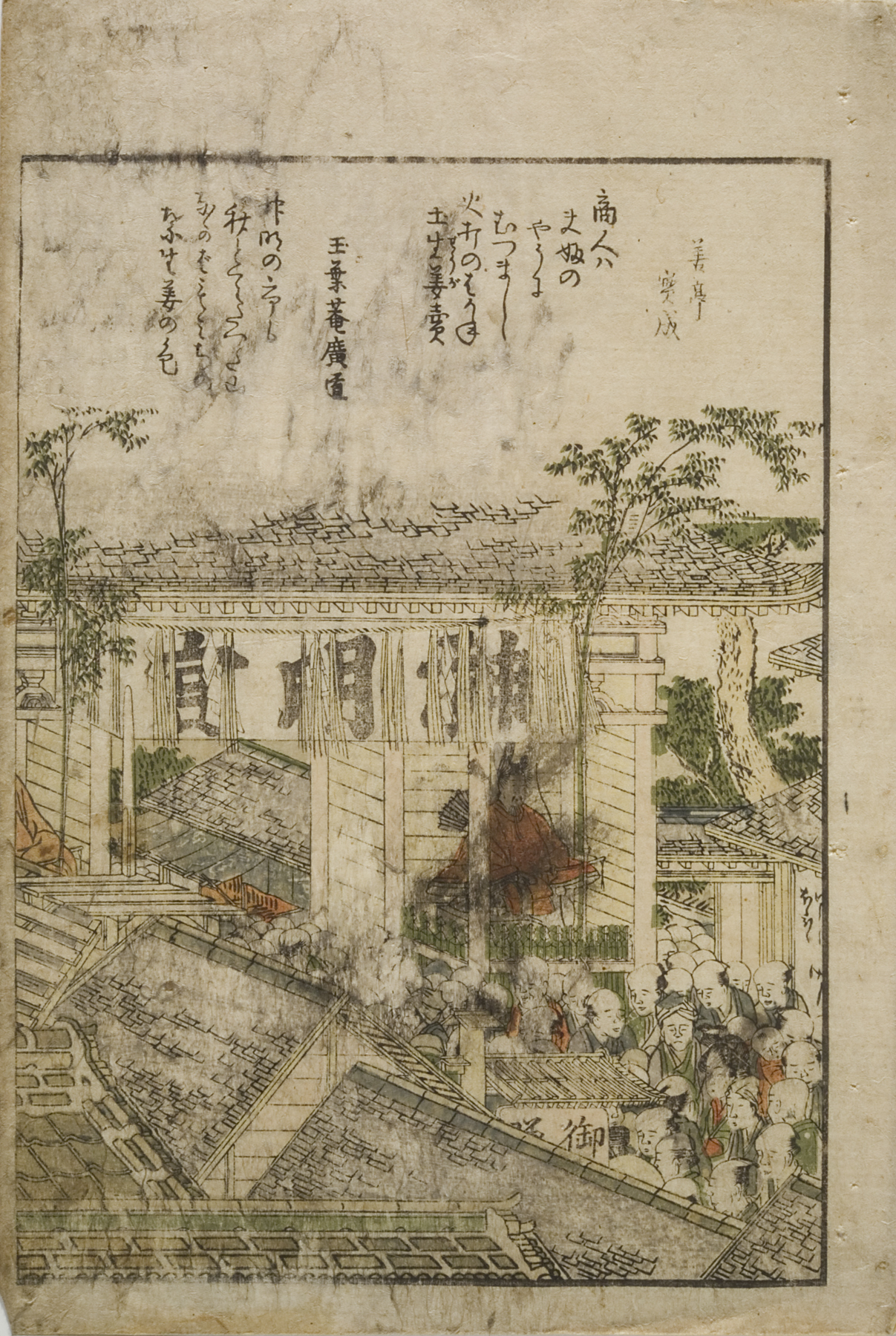
one of four pages, Views of famous places in Eastern capital, 1800, Edo period (1600–1868)
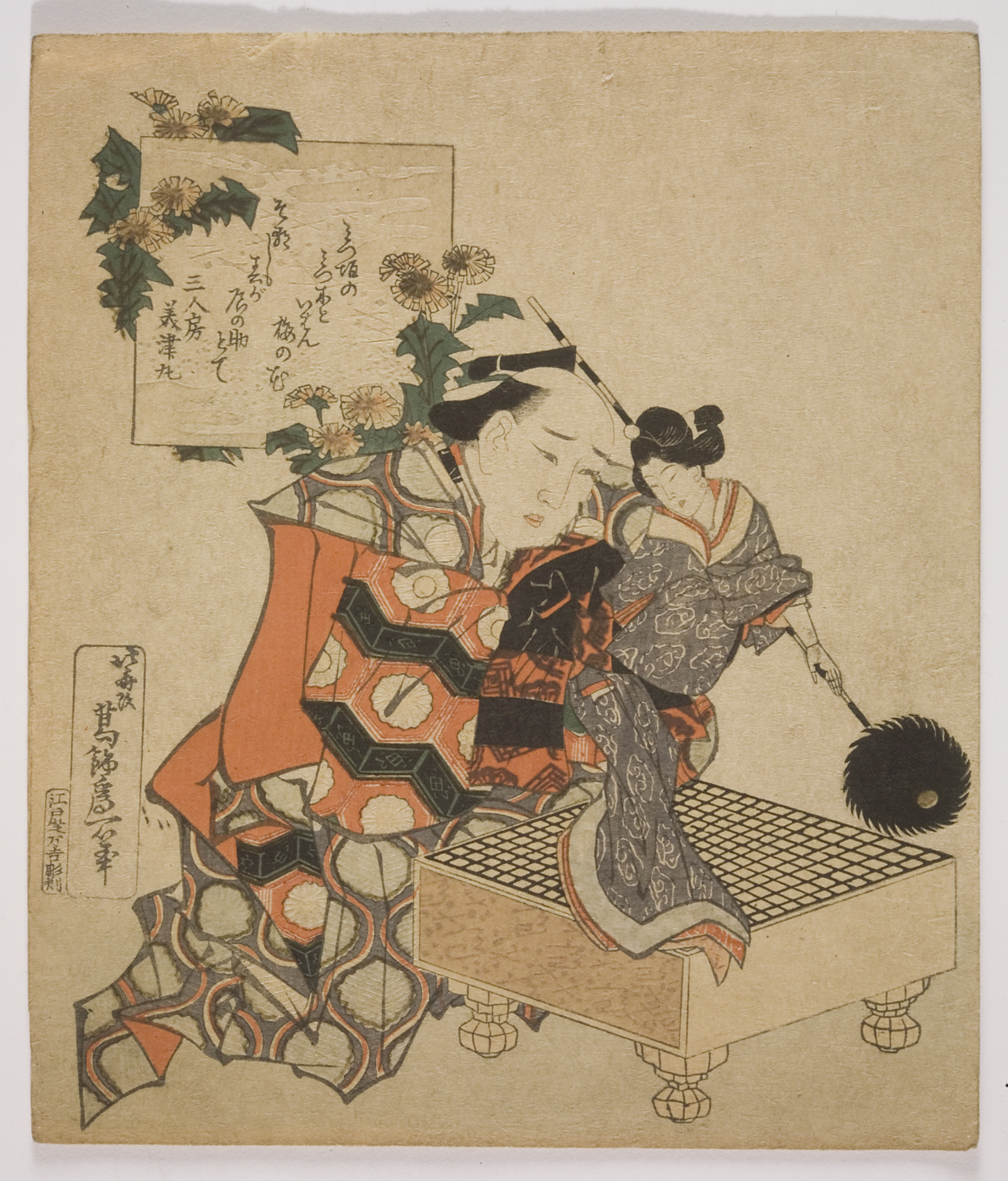
Puppeteer making doll dance on go board, 1890s, Meiji period (1868–1912)
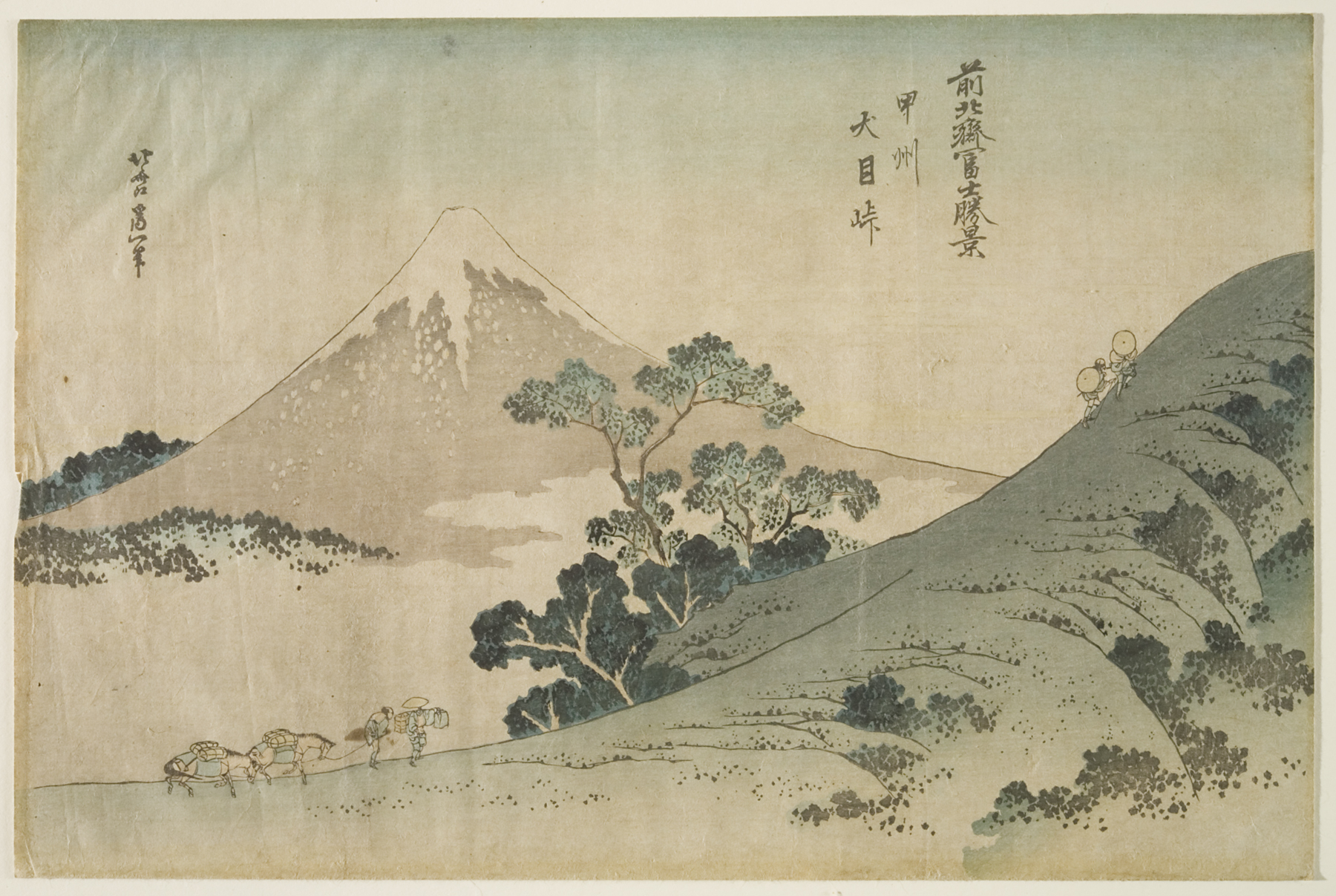
reproduction of Inume Pass in Kai Province (Kôshû Inume tôge), Edo period (1600–1868)
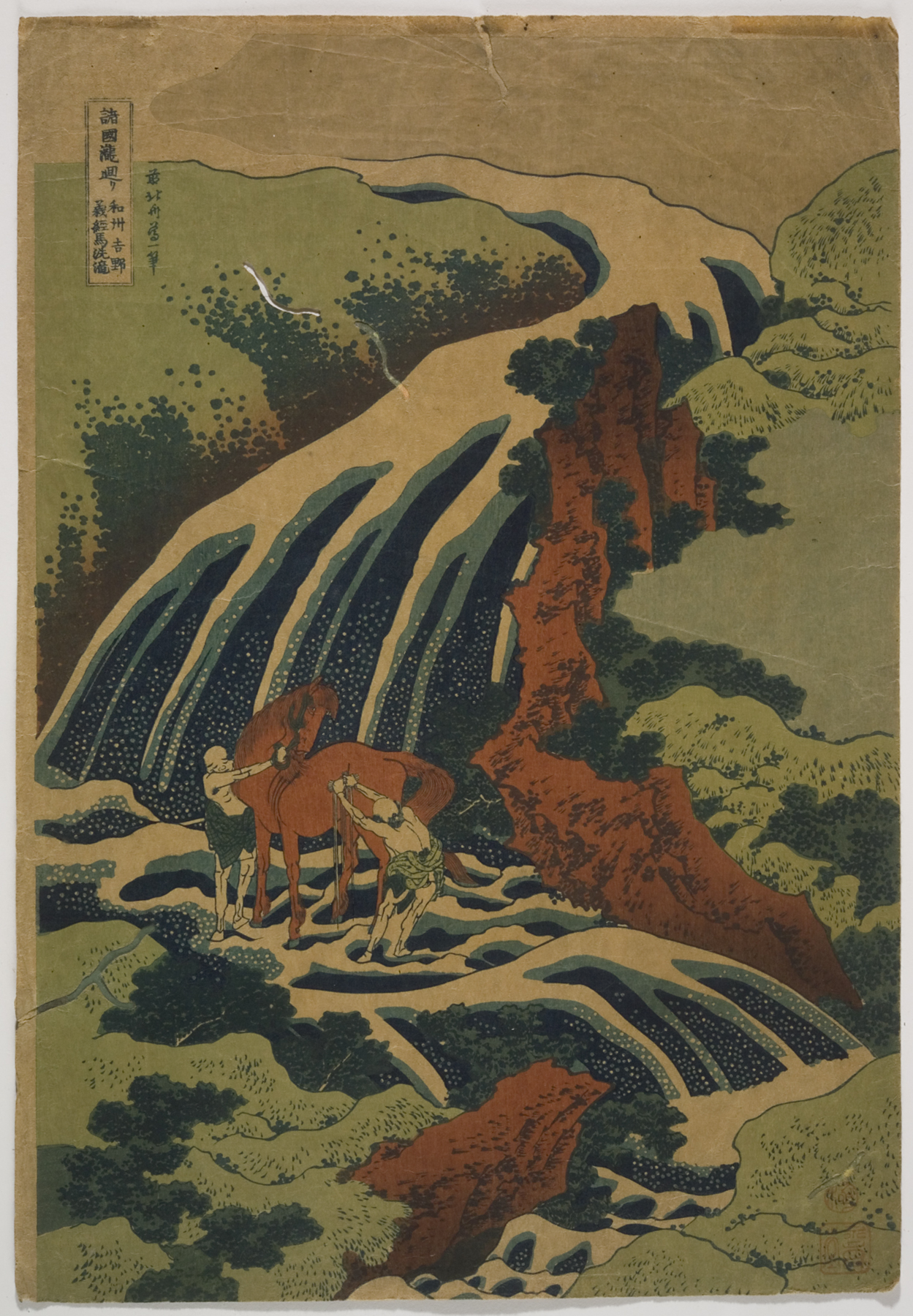
Yoshitsune's Horse-washing Falls at Yoshino in Yamato Province (Washû Yoshino Yoshitsune uma arai no taki), date unknown
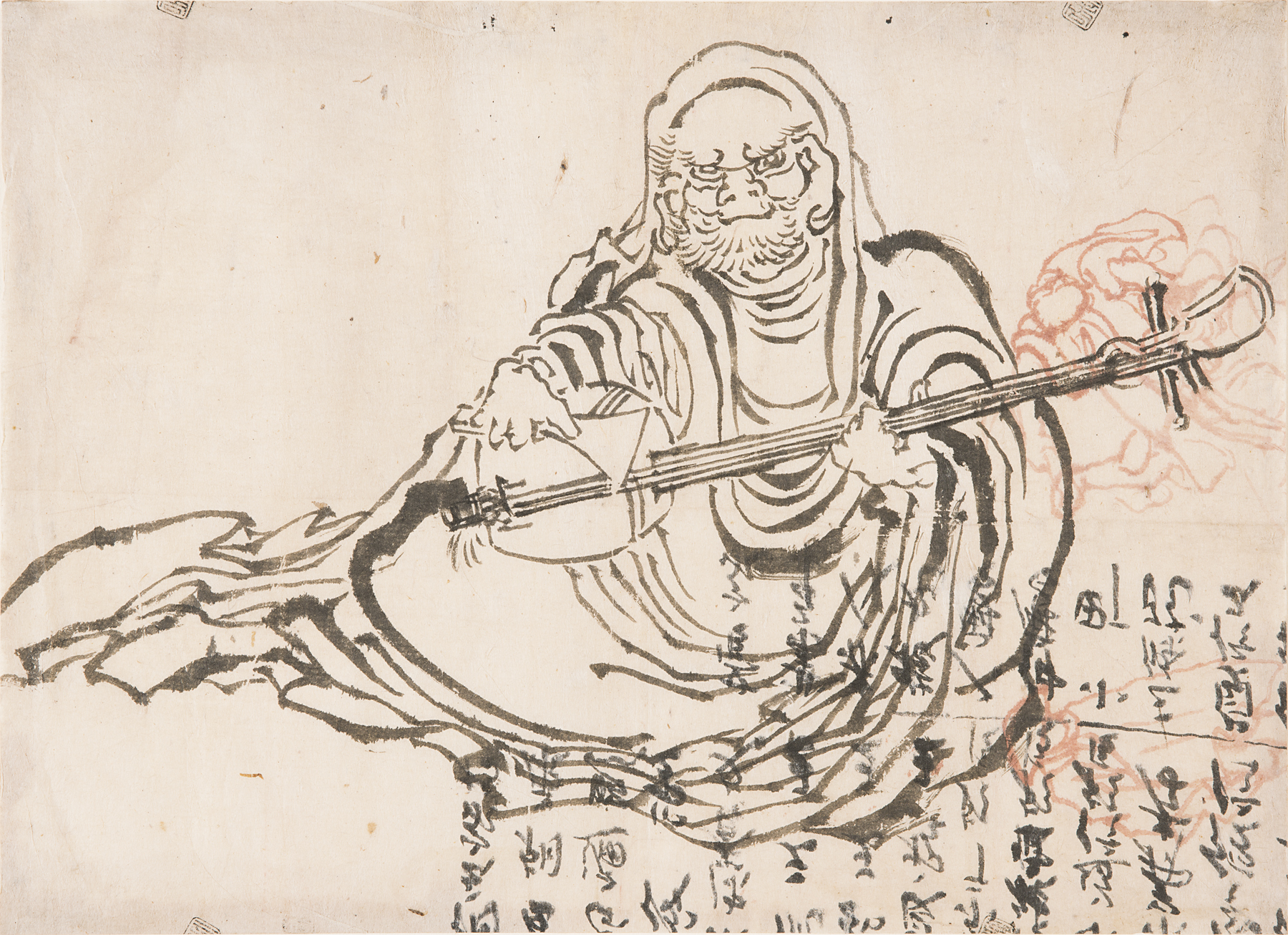
Daruma Playing a Shamisen, circa 1830s, Edo period (1600–1868)
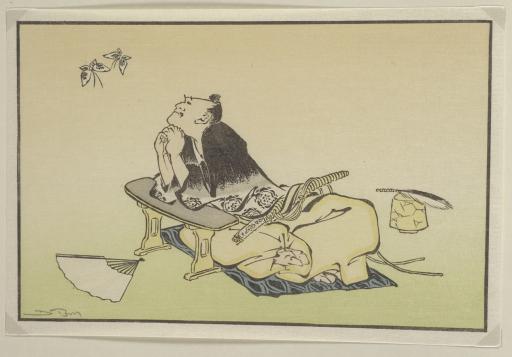
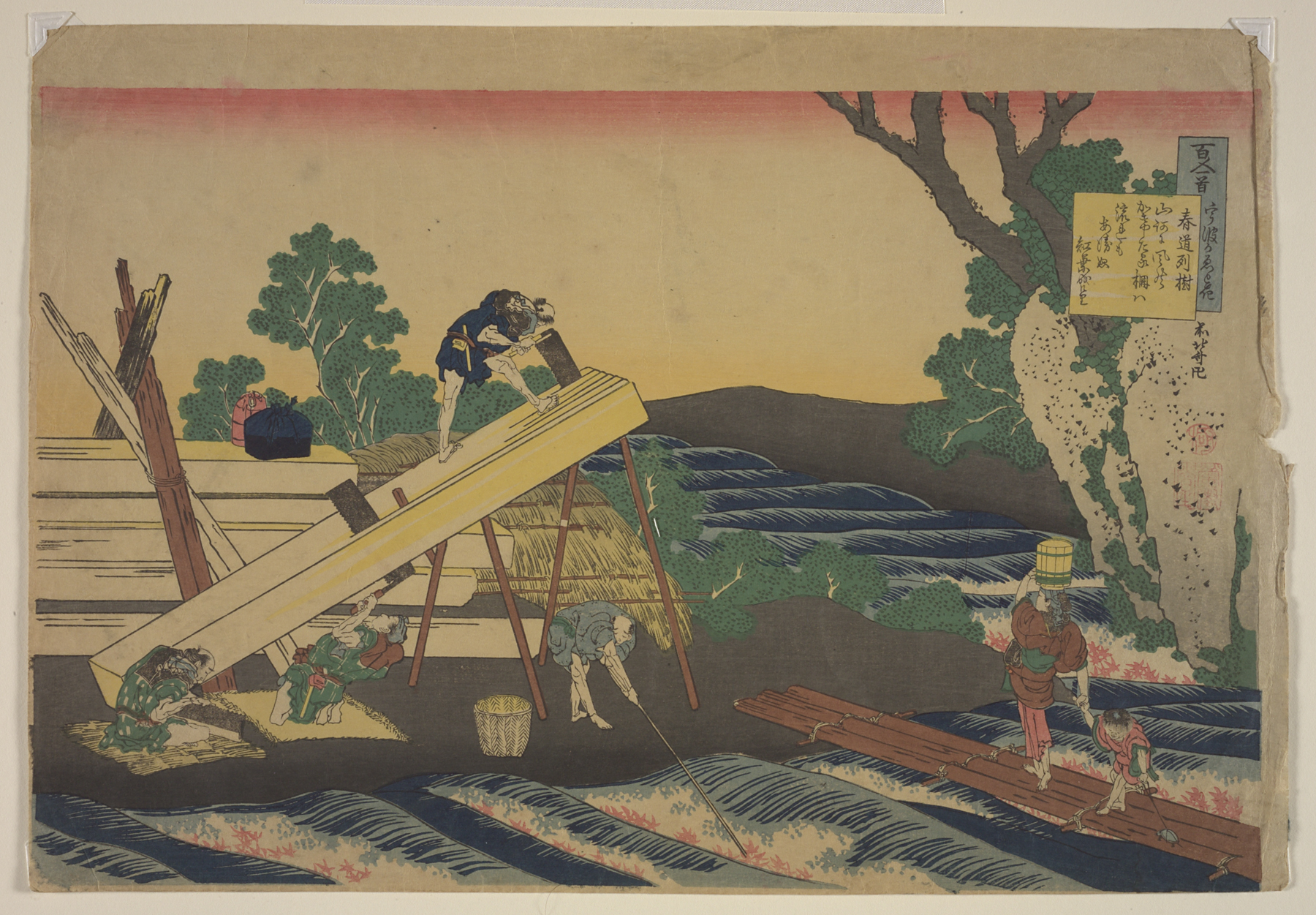
Poem by Harumichi no Tsuraki, 1800s, Edo period (1600–1868) or Meiji period (1868–1912)
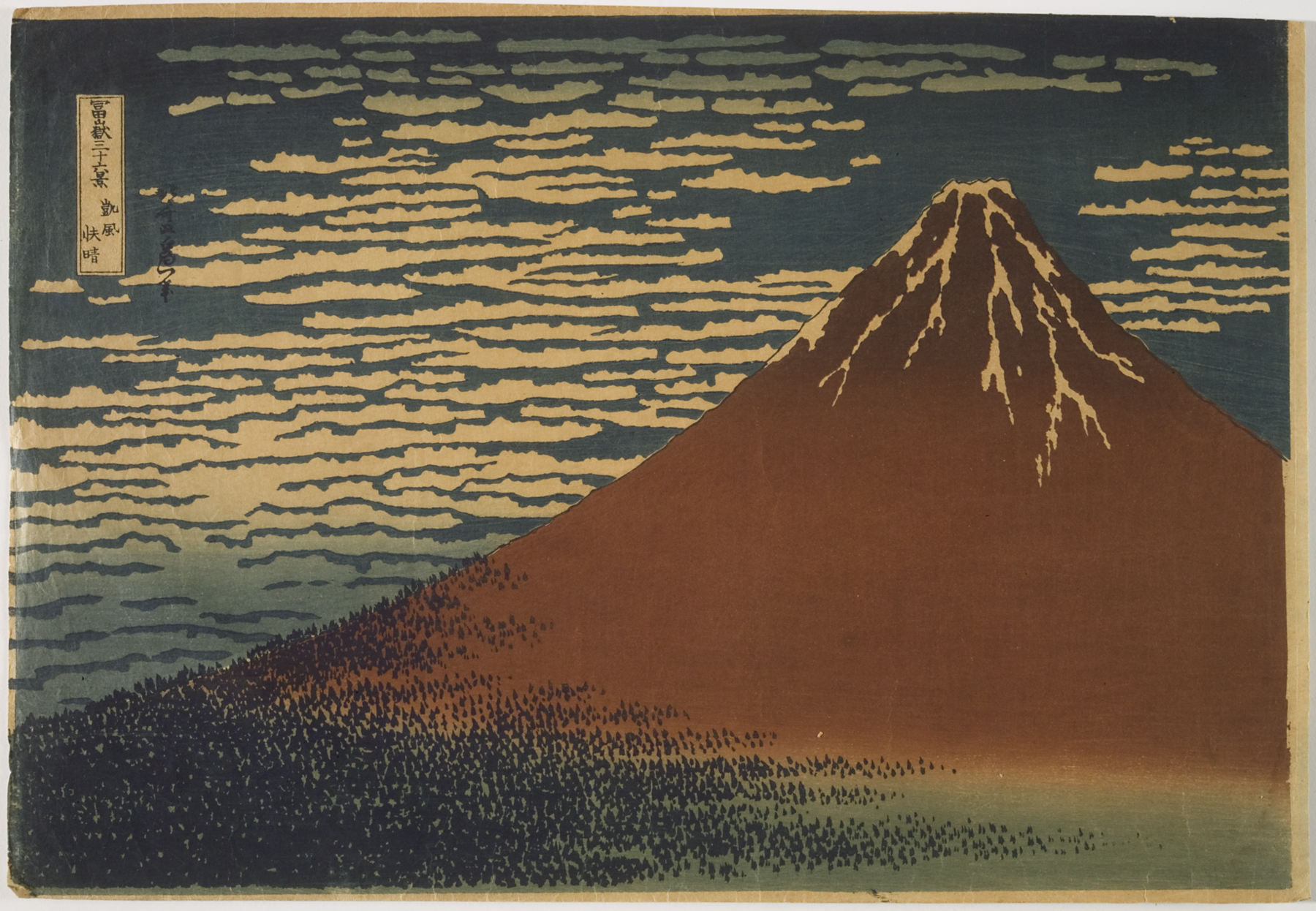
Red Fuji (Mt. Fuji), 1800s, Edo period (1600–1868) or Meiji period (1868–1912)
Exhibitions: 58


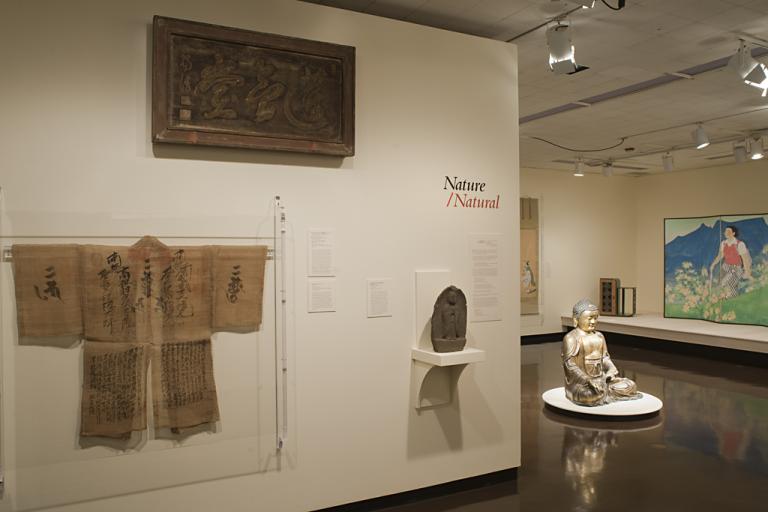




Sherry Fowler, curator
Kate Meyer, curator


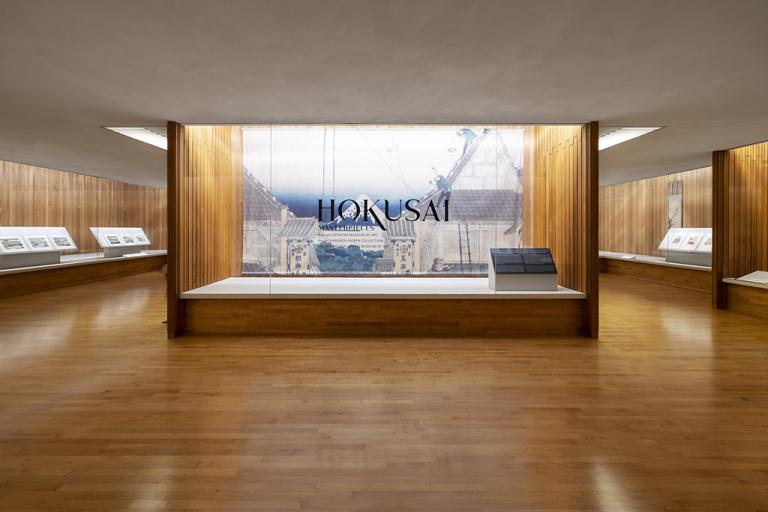






Rachel Straughn-Navarro, curator


Susan Earle, curator
Stephen Goddard, curator
John Pultz, curator

