Empire of Things

Exhibition

Exhibition Overview

Empire of Things
Empire of Things
Kris Ercums, curator
Kate Meyer, curator
October 15, 2016–May 16, 2021
Gallery 401, Spencer Museum of Art, University of Kansas, Lawrence, Kansas

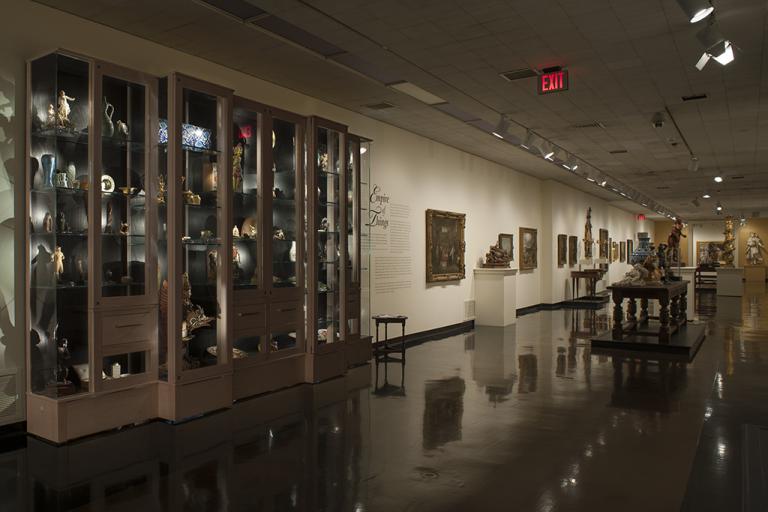
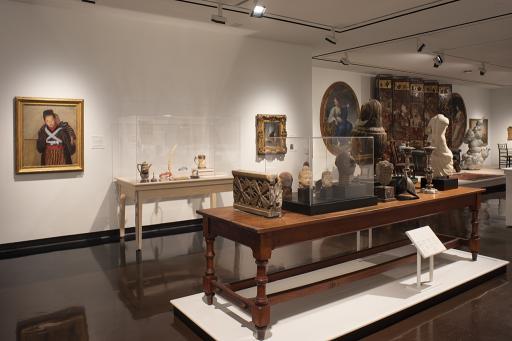
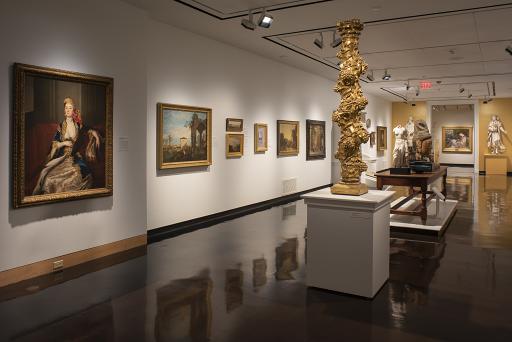
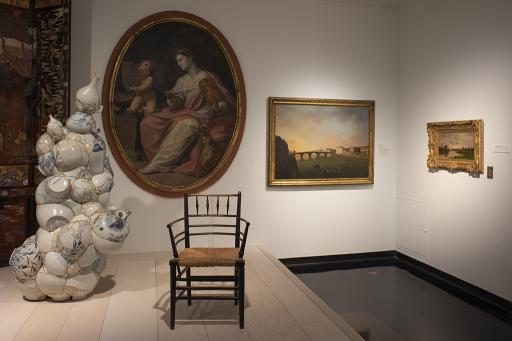
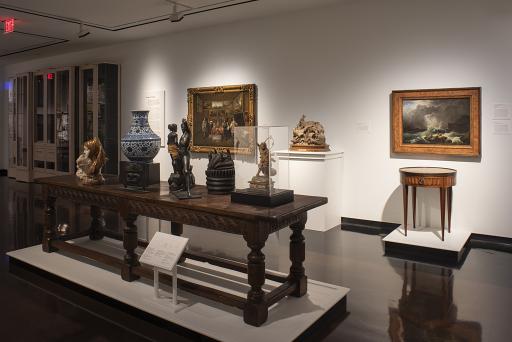
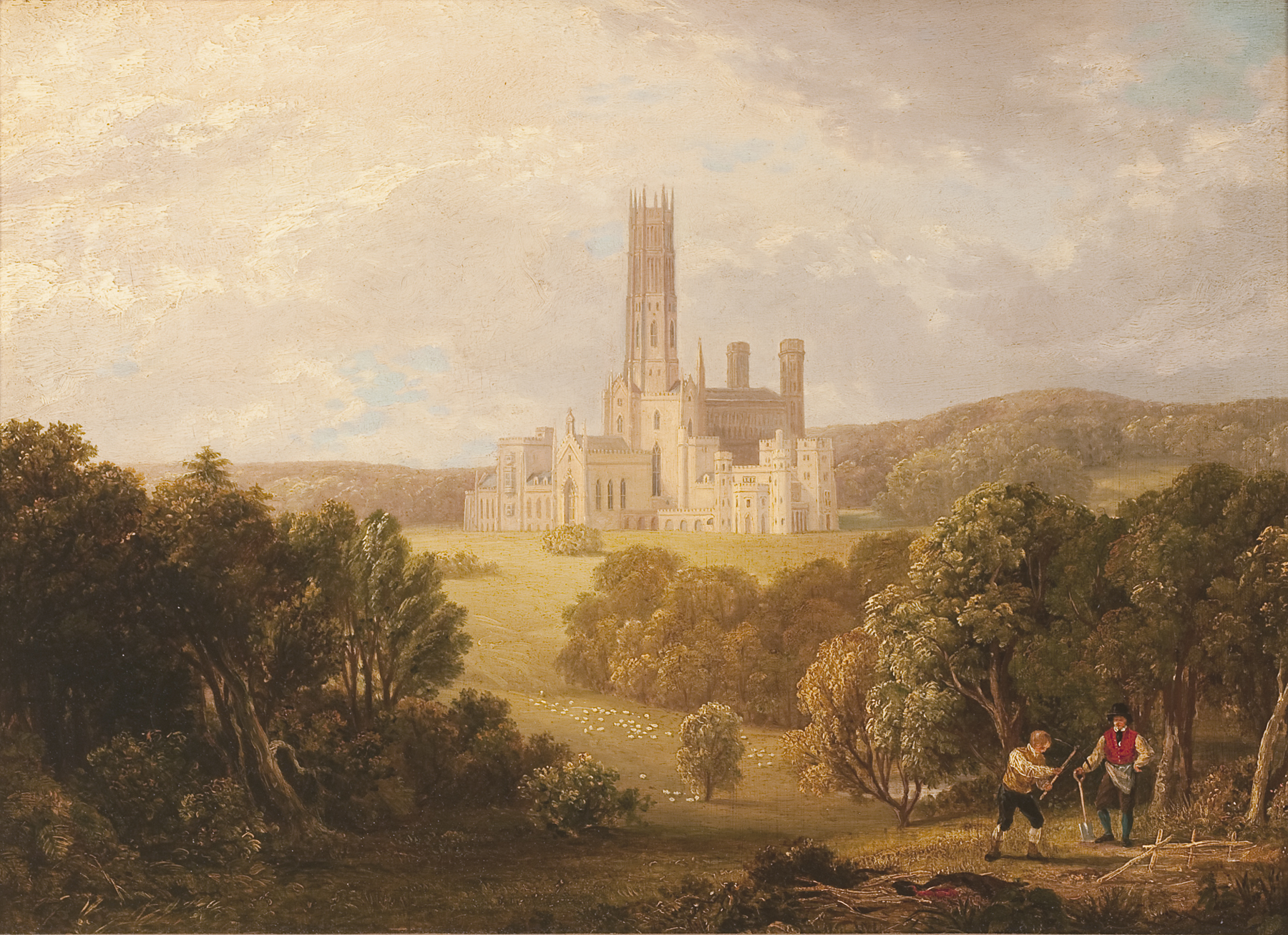
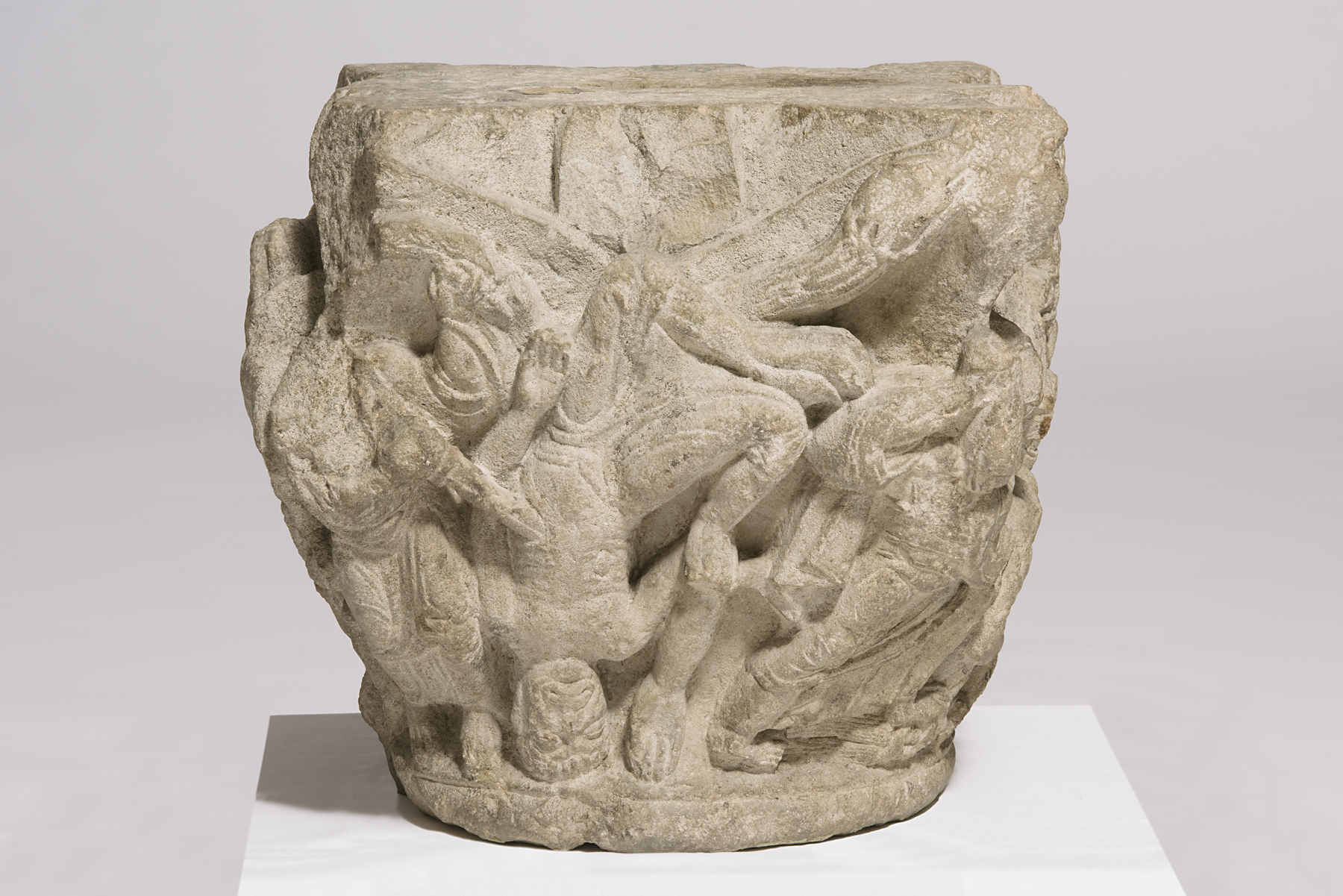
Why do we collect things? Where do the prized objects and artwork in museums come from? Empire of Things asks these questions and more by exploring the relationships among objects, the people who made them, and the people who collected, studied, and displayed them. The exhibition includes a range of artworks, including architectural fragments, ceramics, jewelry, furniture, paintings, and sculpture.

Exhibition images

Works of art

head of Buddha, 400s, Sasanian dynasty (224–651)
Victor Durand Jr. (1870–1931); Vineland Flint Glass Works (active 1897–1931)
vase, circa 1926–1928
aryballos, late 600–early 500 BCE
bowl, 1700–1735
rug, 1800s, Qajar period (1794–1925)
folding fan, late 1800s, Qing dynasty (1644–1911)
vase with lid, circa 1700s
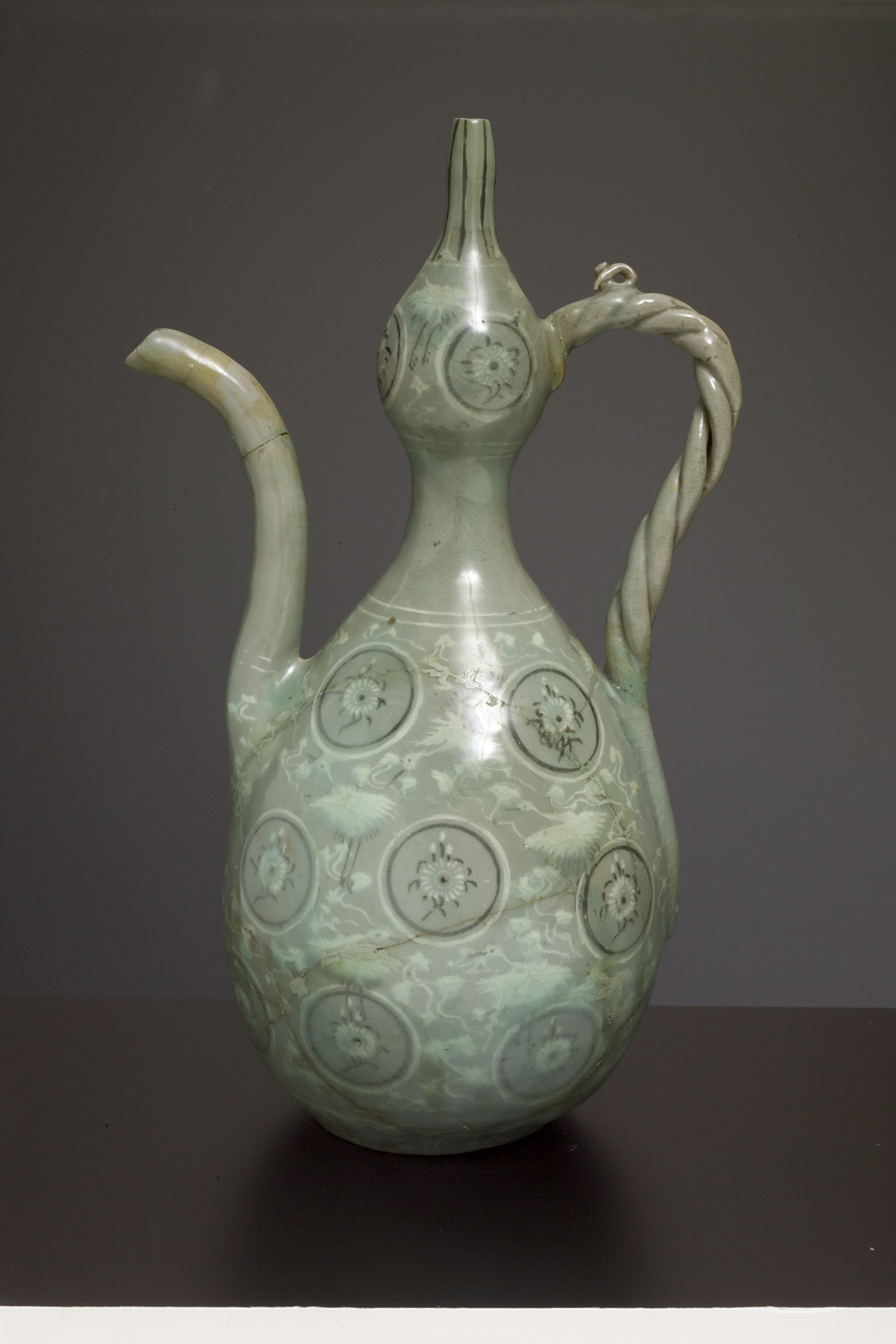
wine ewer, 1200s, Goryeo dynasty (918–1392)
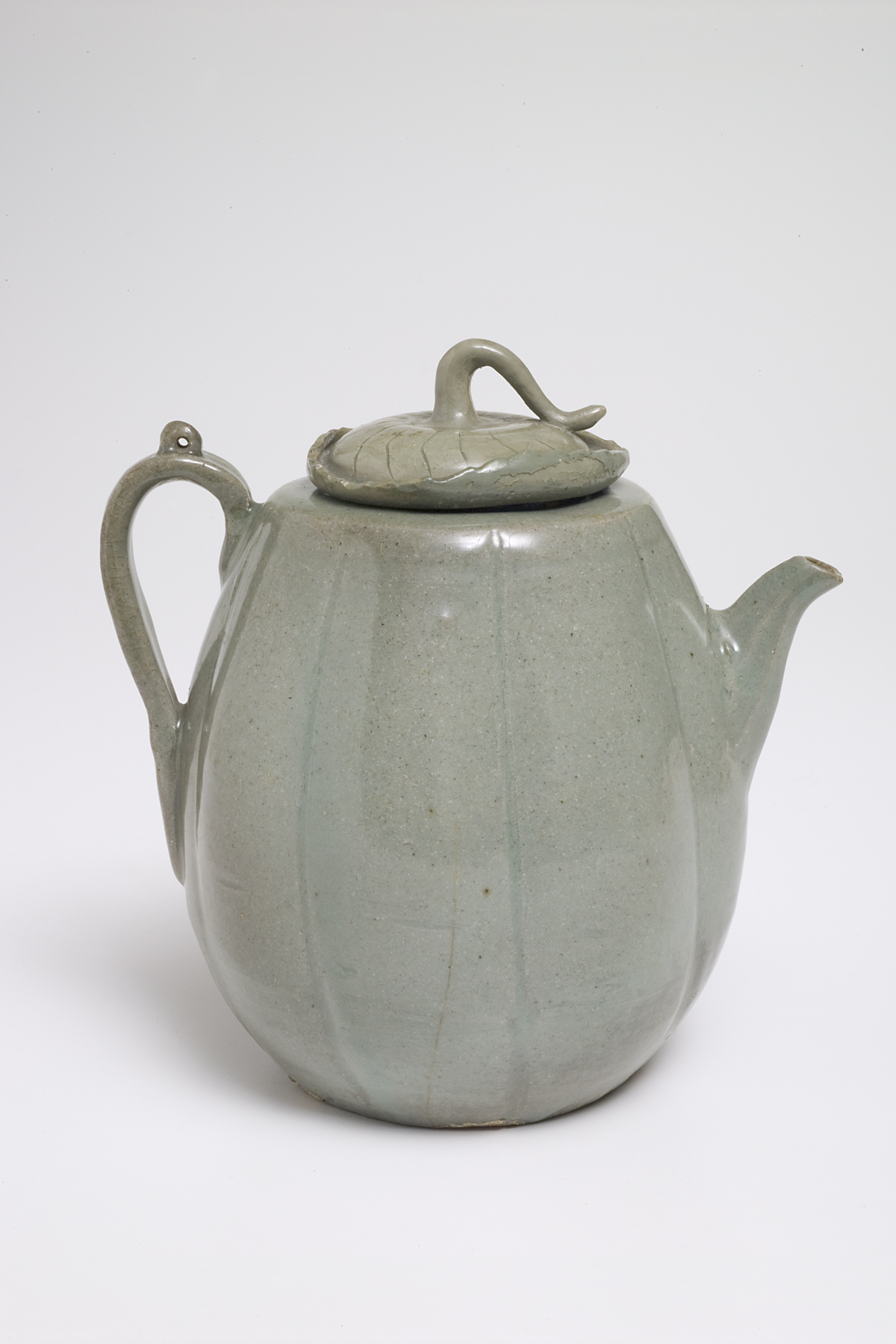
melon-shaped ewer, 1000s–1100s, Goryeo dynasty (918–1392)
shell-shaped lamp, late 1800s
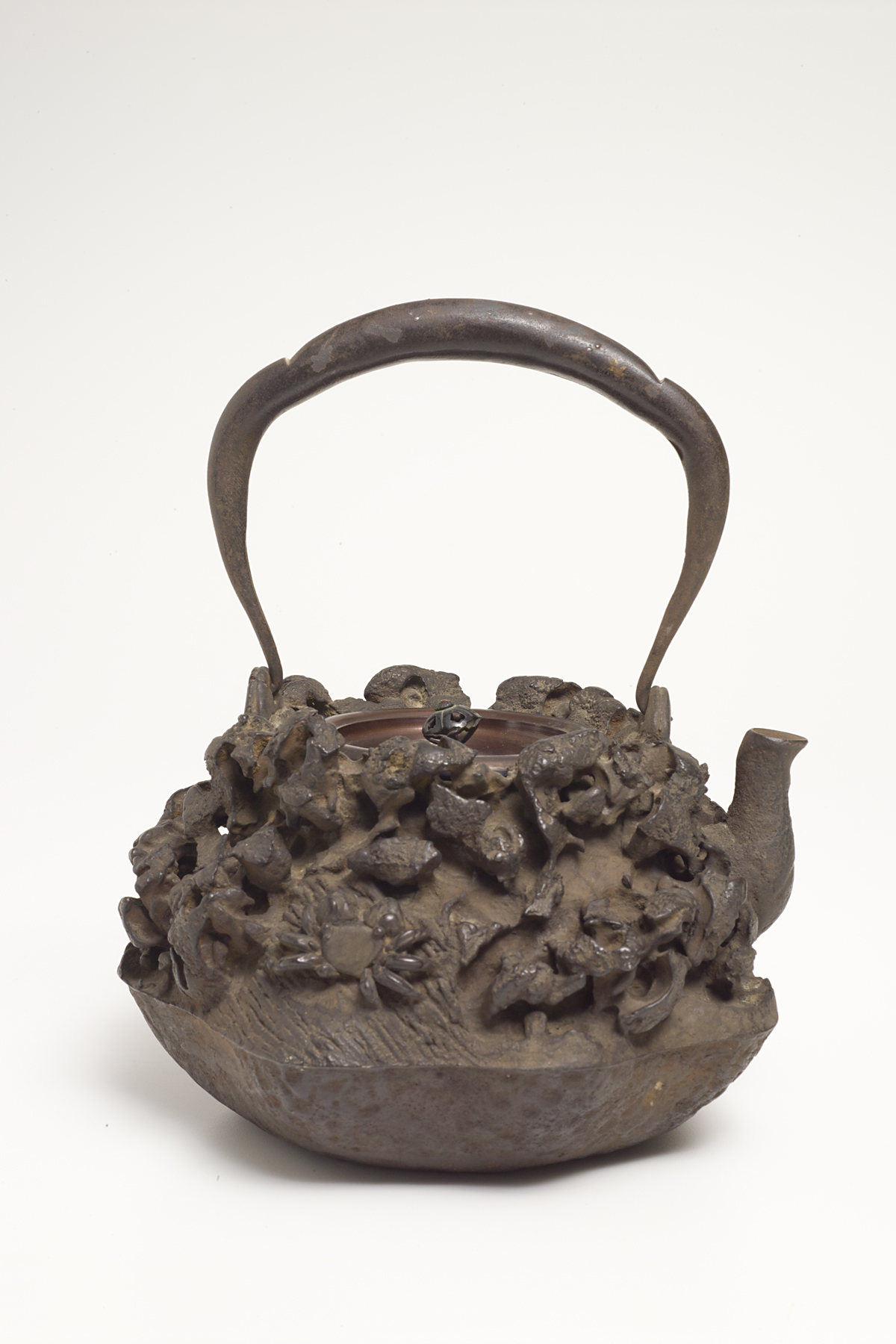
tetsubin (kettle), late 1800s, Meiji period (1868–1912)
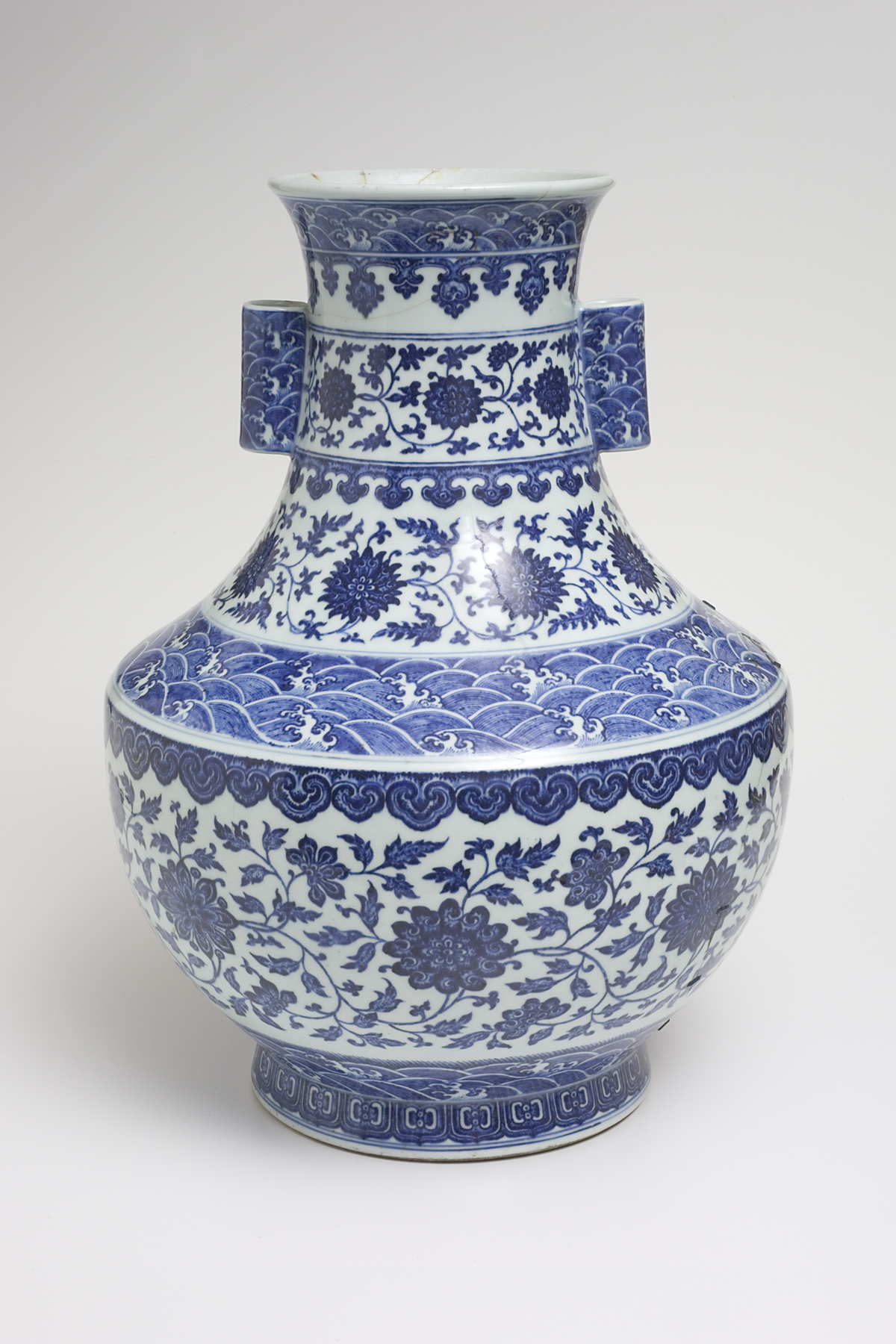
cong-shaped vase with bagua motif, mid 1700s, mark and reign of Qianlong period (1736–1795), Qing dynasty (1644–1911)
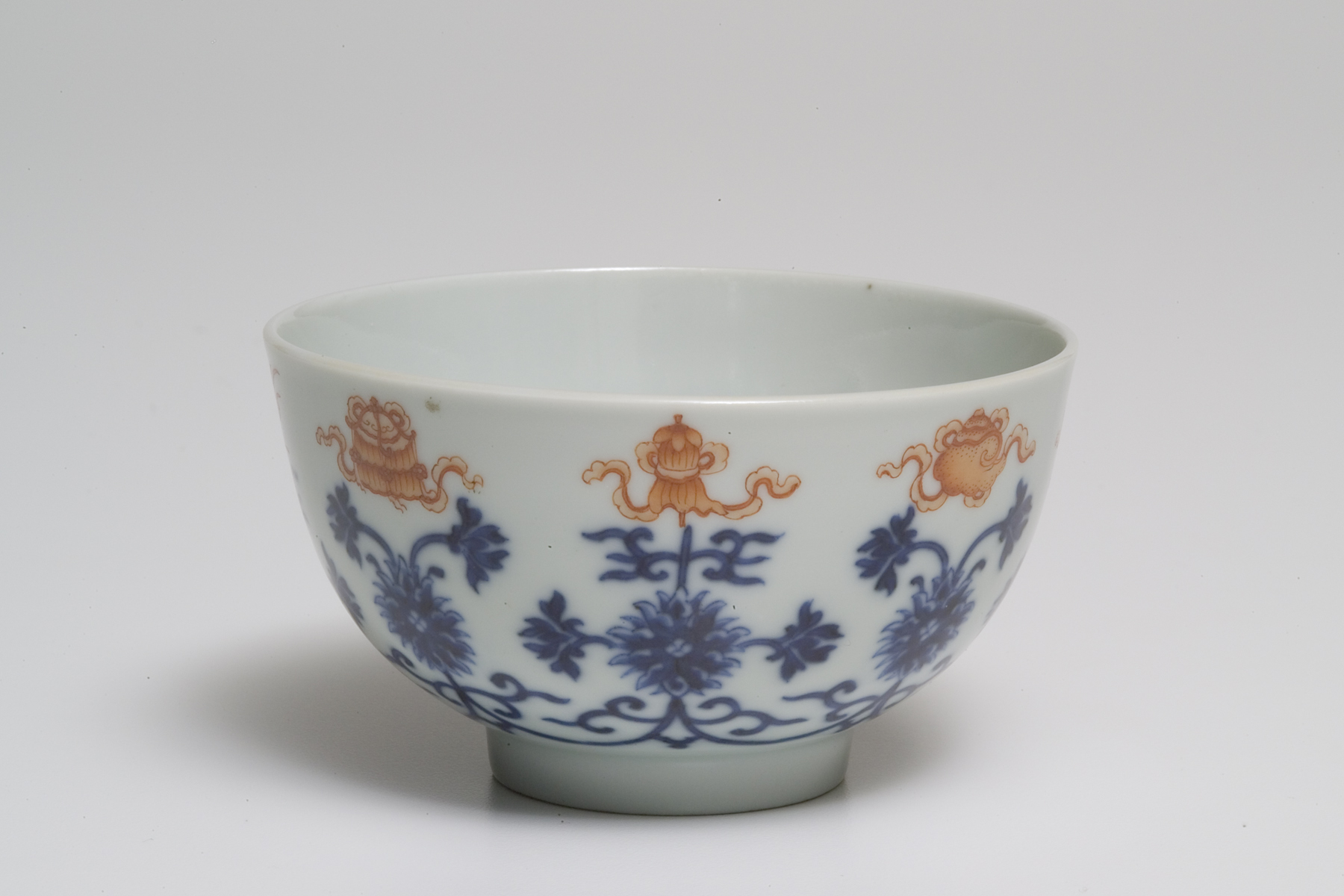
bowl, 1700s, Qing dynasty (1644–1911)
vase, Qianlong period (1736–1795), Qing dynasty (1644–1911)
jar, 1700s–1800s, Qing dynasty (1644–1911)
bowl, 1700s, Edo period (1600–1868)
plate with seashells, 1700s, Edo period (1600–1868)
seashell hanging vase, mid 1800s, Edo period (1600–1868)
vase, 1800s, Qajar period (1795–1925)
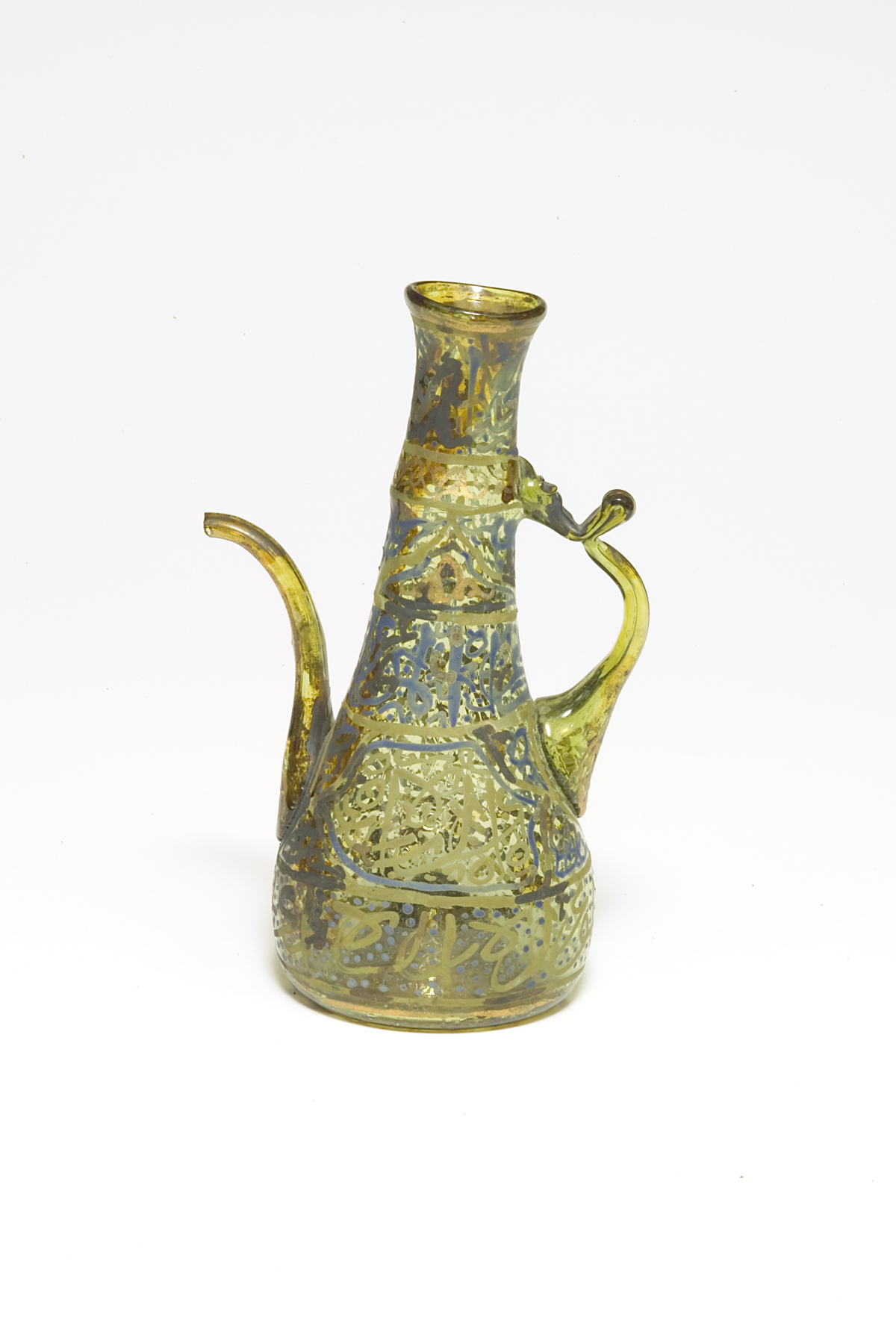
ewer, 1800s, Qajar period (1795–1925)
cup, 1800s, Qajar period (1794–1925)
candlestick, circa 1800s, Qajar period (1795–1925)
Bi Rongjiu (active late 1800s)
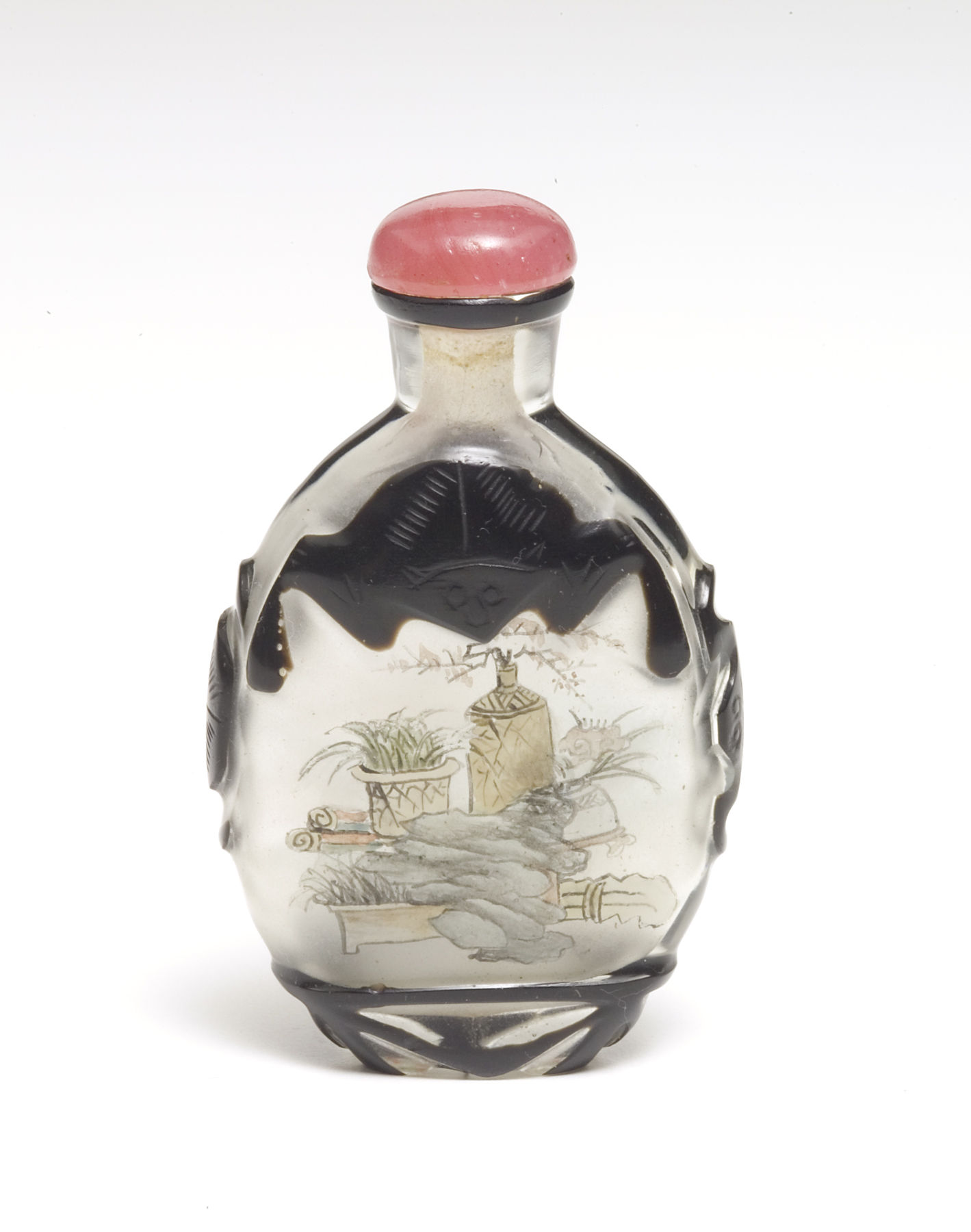
snuff bottle with stopper, 1890–1920, Qing dynasty (1644–1911) to Republic of China (1911–1949)
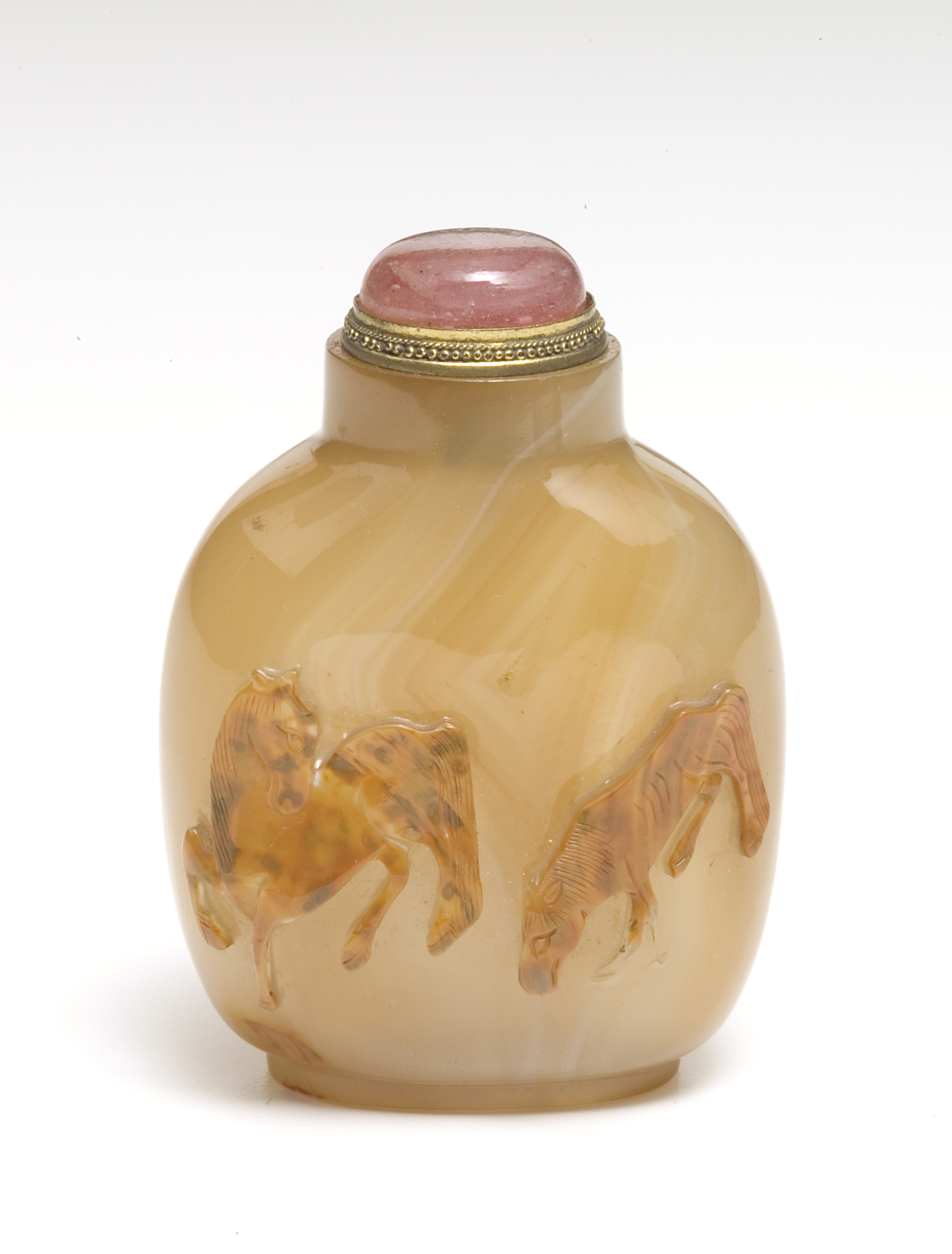
horses, snuff bottle with stopper, 1850–1875, Qing dynasty (1644–1911)
Tetsugendō Naofusa (active 1700s)
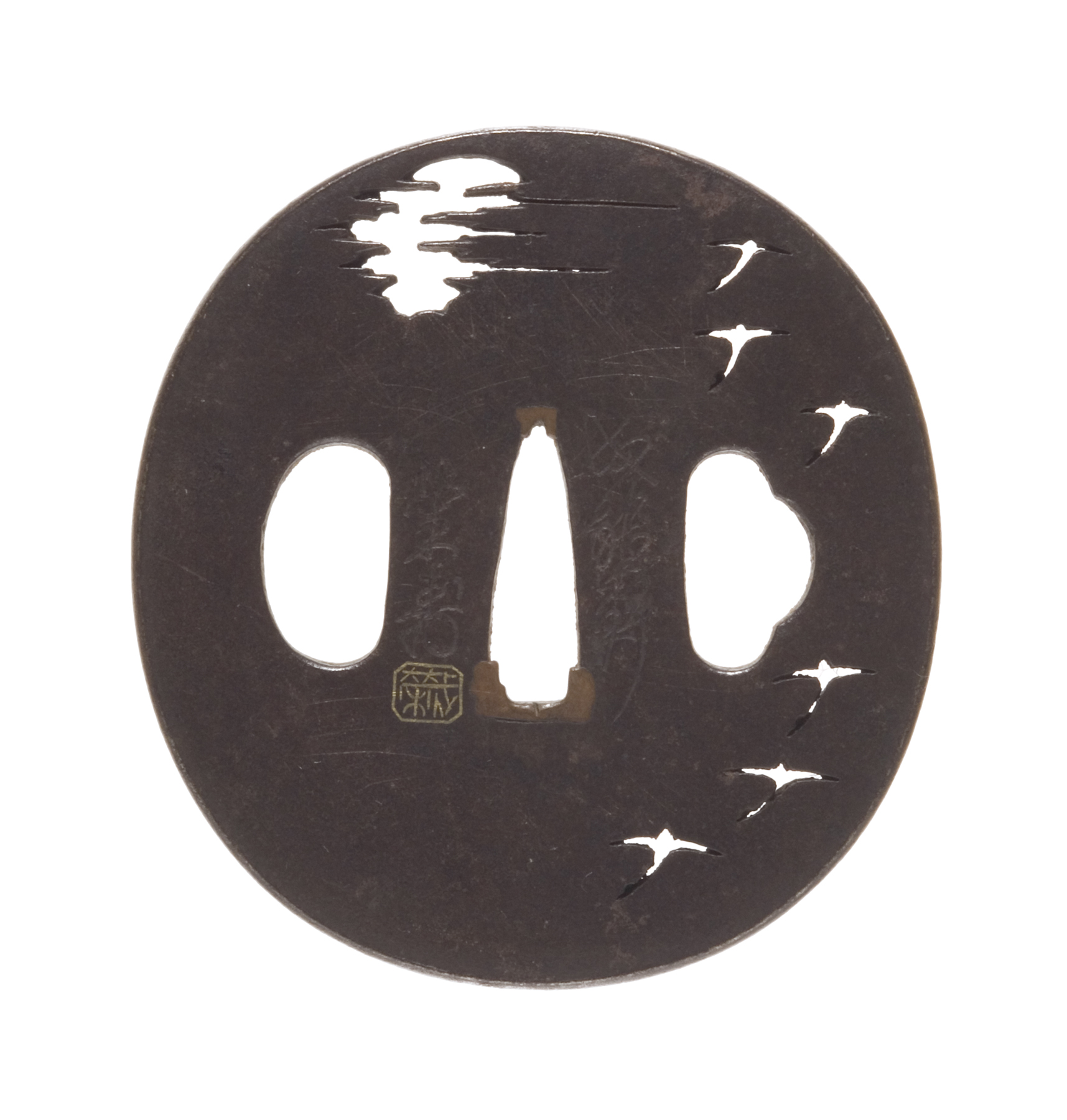
鍔 tsuba (sword guard) with geese passing the moon, 1700s, Edo period (1600–1868)
Kinai School
鍔 tsuba (sword guard), 1800s, Edo period (1600–1868)
Hirata School
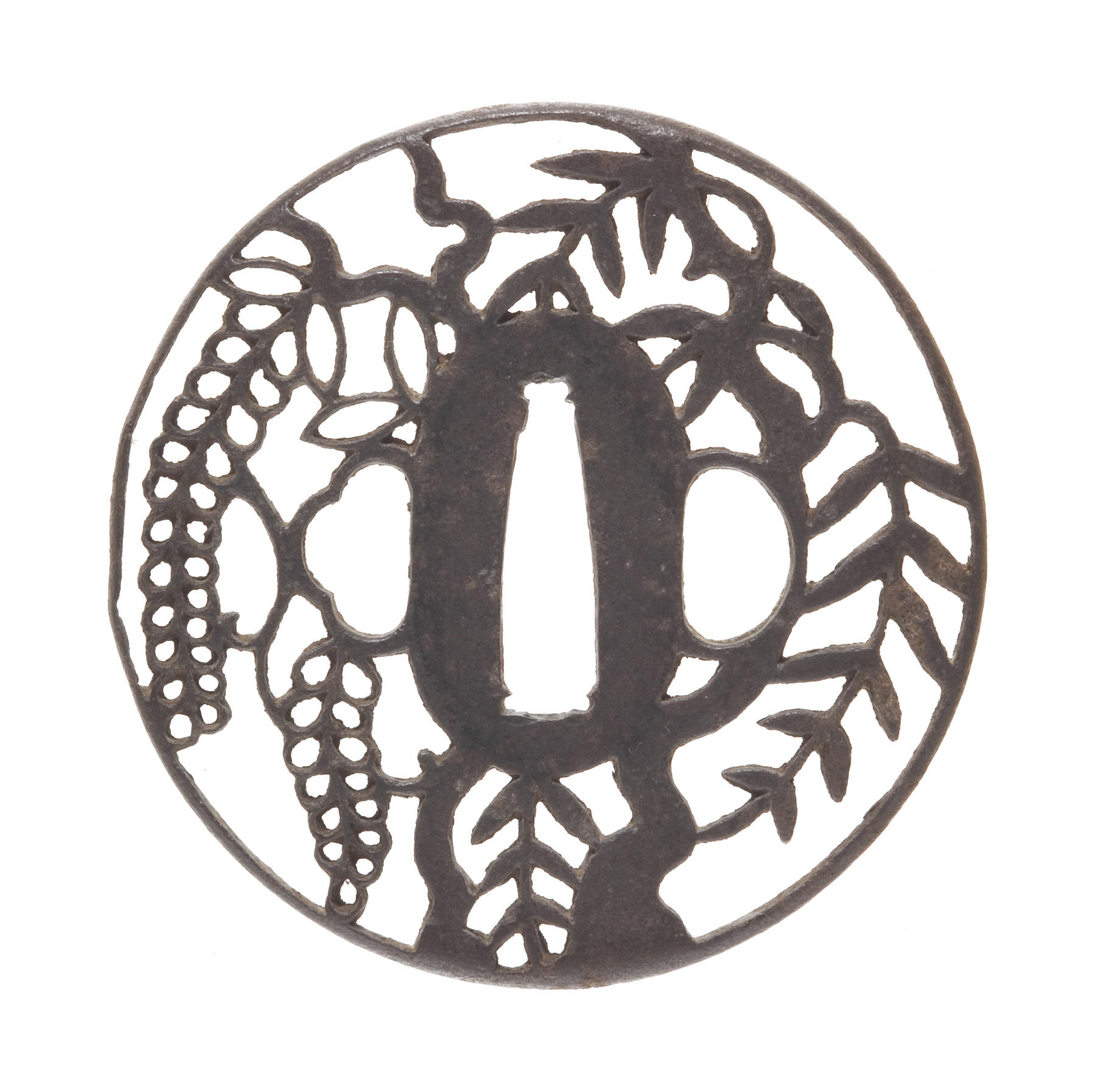
鍔 tsuba (sword guard) with wisteria, 1600, Edo period (1600–1868)
Tsu Jinpo (1720–1761)
鍔 tsuba (sword guard) with lobster, Edo period (1600–1868)
Ishiguro Masakatsu (active 1800s)
鍔 tsuba (sword guard) with dragon flies, 1850s, Edo period (1600–1868) or Meiji period (1868–1912)
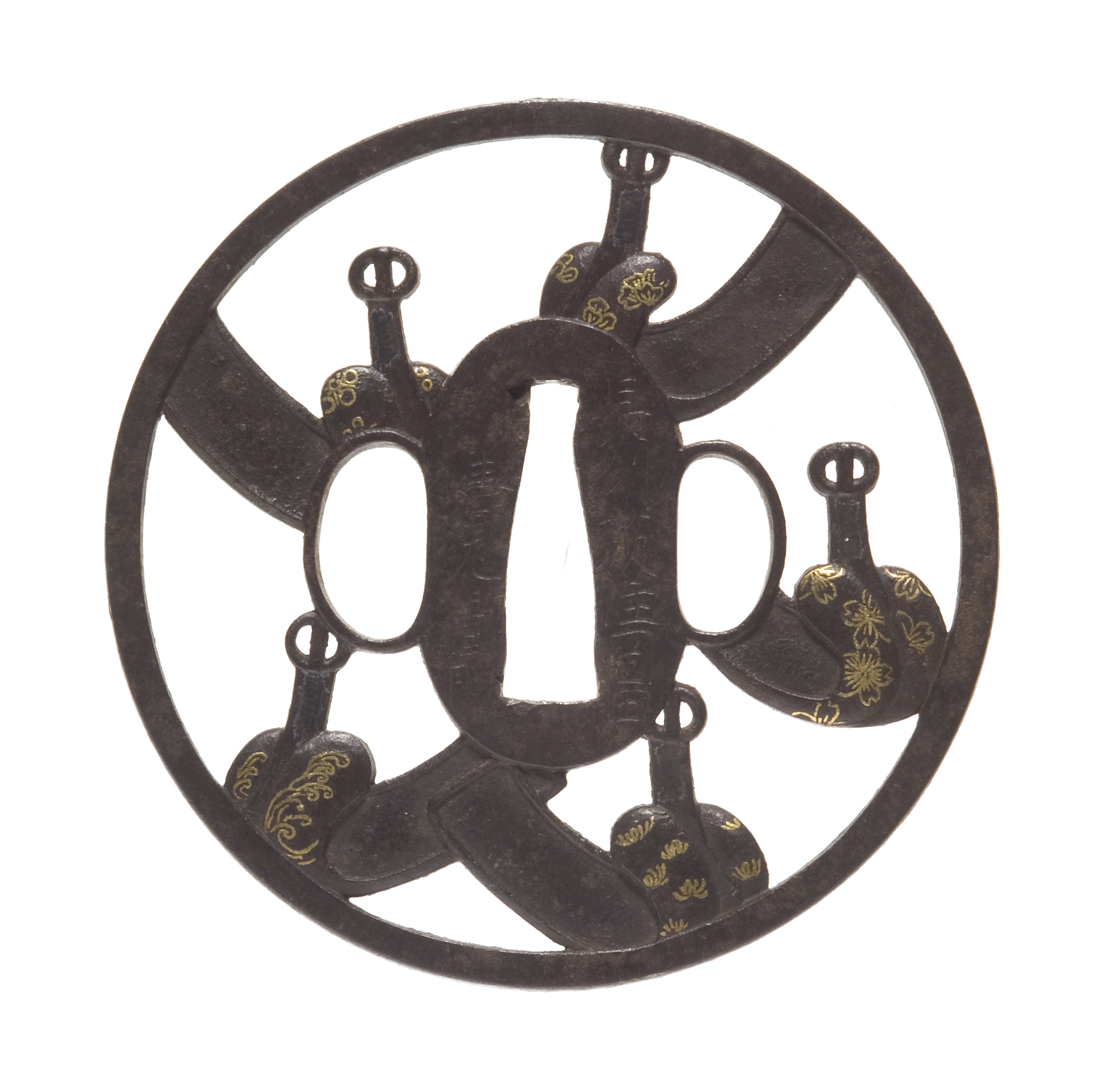
Umetada (Okada) Zenzaemon Nobumasa (1642–1720)
鍔 tsuba (sword handle) with 鐙 abumi (stirrups), late 1600s, Edo period (1600–1868)
birds and plum, snuff bottle with stopper, circa 1850s, Qing dynasty (1644–1911)
Ōtsuki Mitsuhiro (1795–1841)
小柄 kozuka (knife handle) with crane, Edo period (1600–1868)
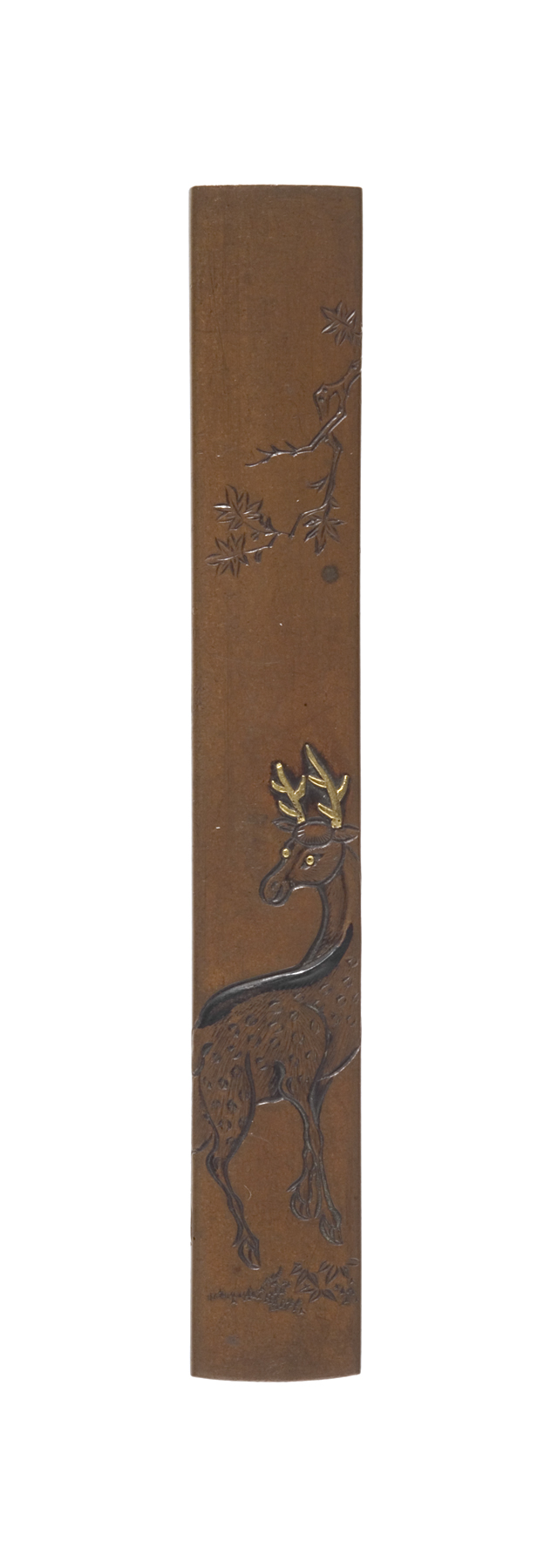
Gōto School
小柄 kozuka (knife handle) with deer, 1700s, Edo period (1600–1868)
Osiris, Ptolemaic Period, 305–30 BCE
Yan Yutian (active 1895–1918)
Second Spring, snuff bottle with stopper, 1895, Qing dynasty (1644–1911)
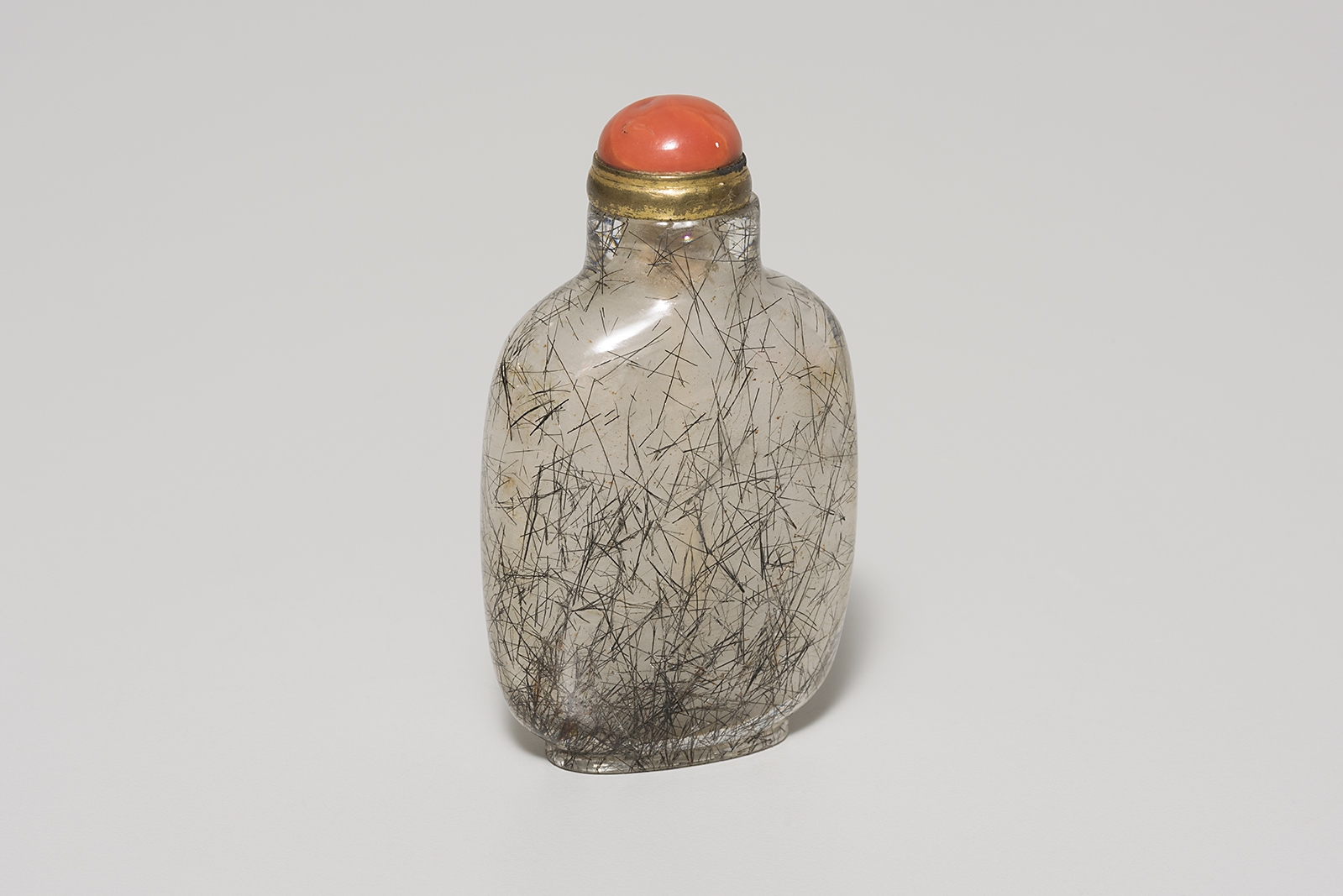
snuff bottle with stopper, late 1800s, Qing dynasty (1644–1911)
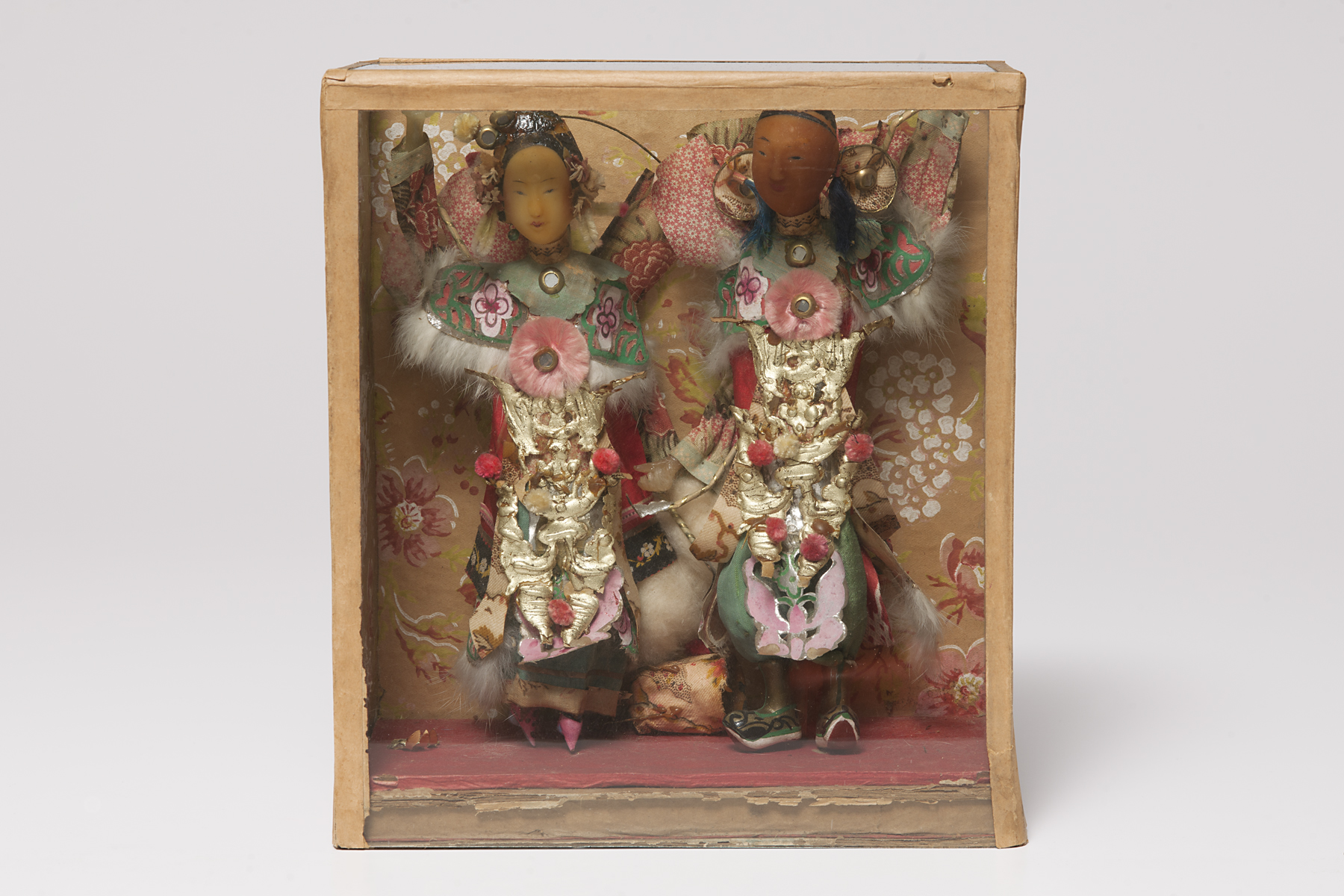
pair of Chinese opera figurines, late 1800s, Qing dynasty (1644–1911)
bowl, 1200–1300s, Ilkhanid dynasty (1256–1353)
Elie Nadelman (1882–1946)
standing figure, mid 1900s
Roman Bronze Works (founded 1899)
primate figure, early 1900s
Josiah Wedgwood & Sons Ltd. (founded 1759)
chocolate pot, circa 1769–1795
reflection ball, circa 1855–1890
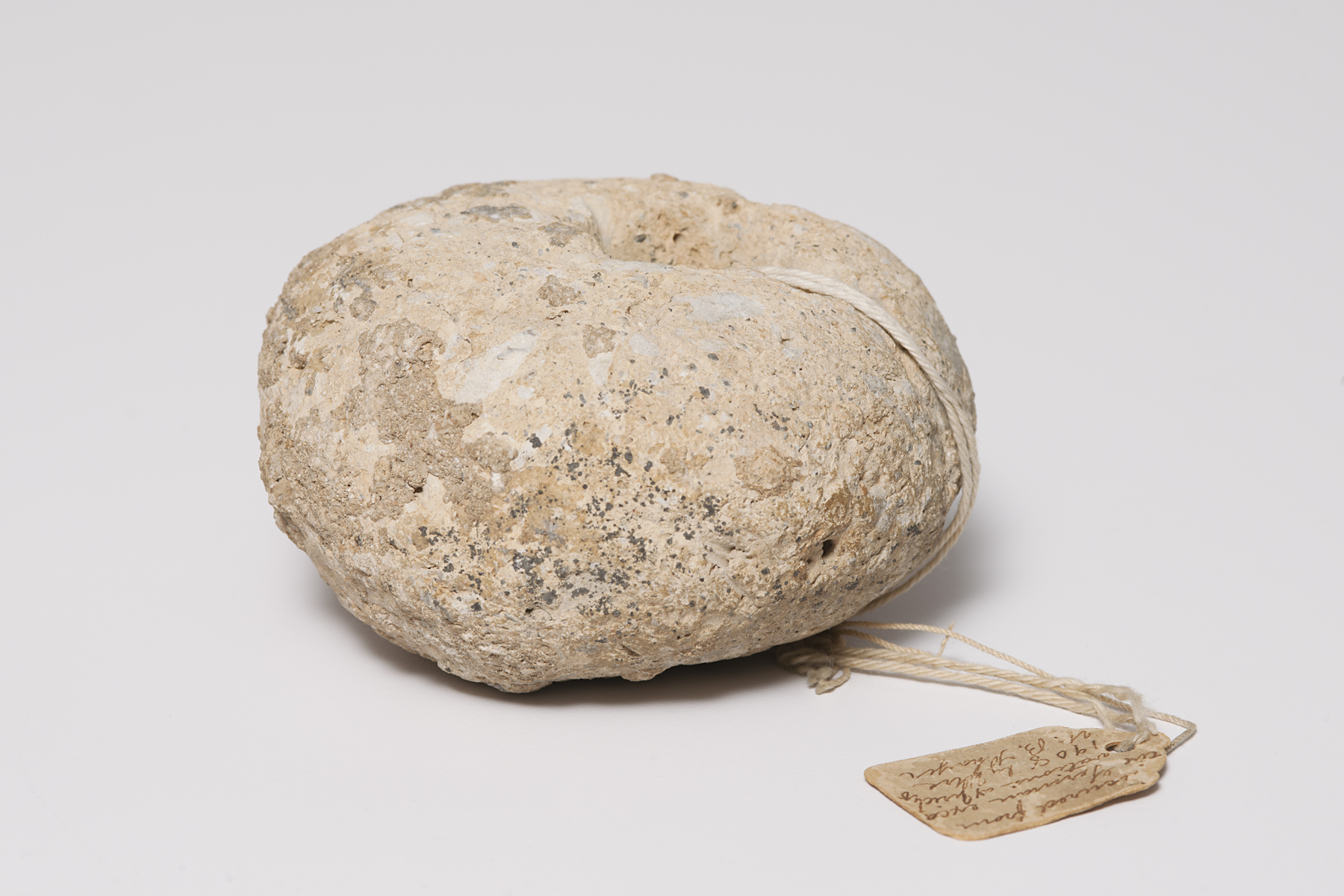
loom weight, Middle Bronze Age (2000–1600 BCE)
Josiah Wedgwood & Sons Ltd. (founded 1759)
vase, 1860–1891
weight with reclining lion, Neo–Assyrian Empire, 911 BCE–612 BCE
amphoriskos, late 600–early 500 BCE
vase, 200s–300s, Roman Empire, 27 BCE–476 CE
Staffordshire, England, United Kingdom
苦瓜 kugua (bitter melon), snuff bottle with stopper, late 1800s, Qing dynasty (1644–1911)
Belleek Pottery Works Company Ltd (founded 1884)
teapot with lid, circa 1890
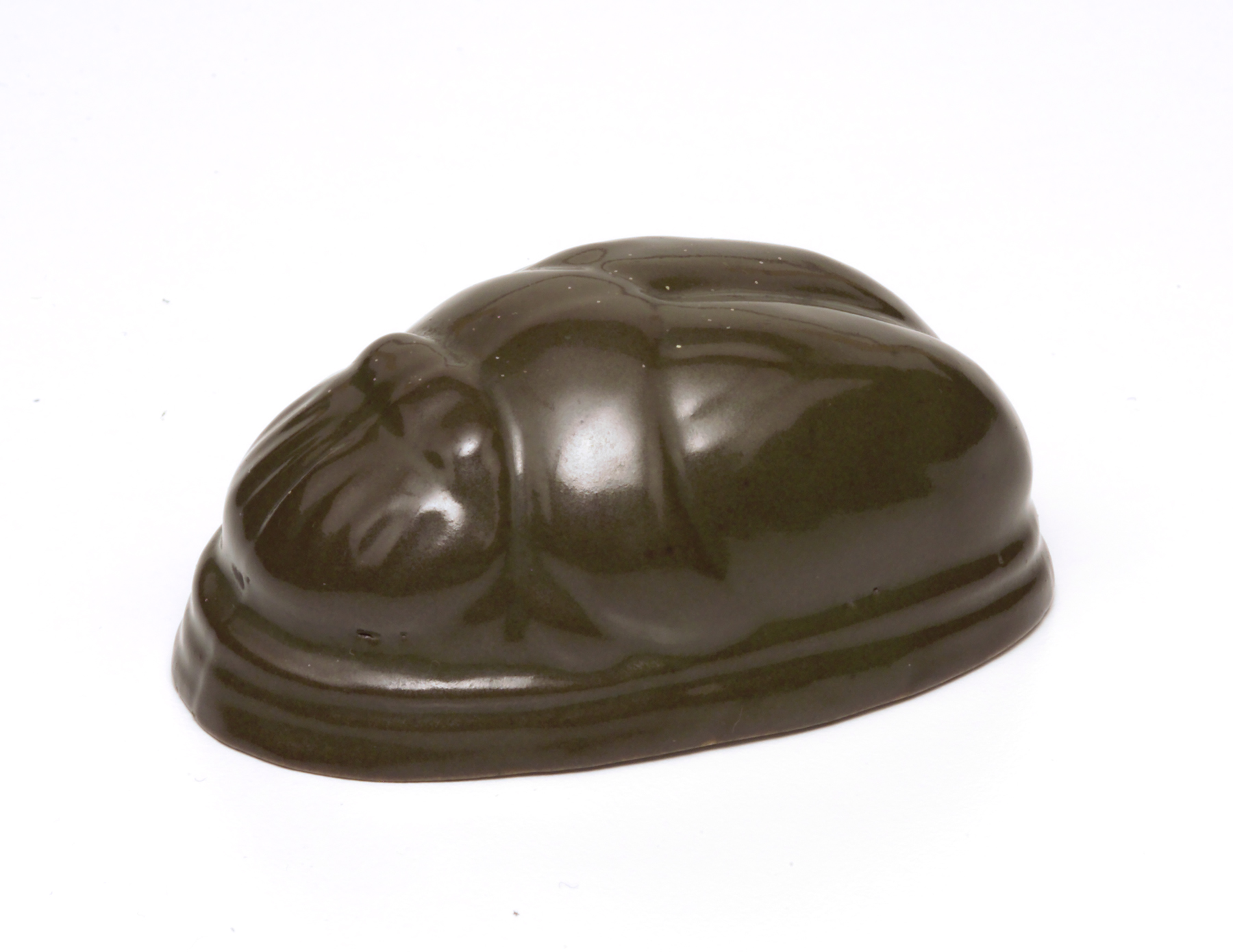
Paul Teeter (active 1920s)
scarab paperweight, 1920–1922
sideboard table, mid 1700s
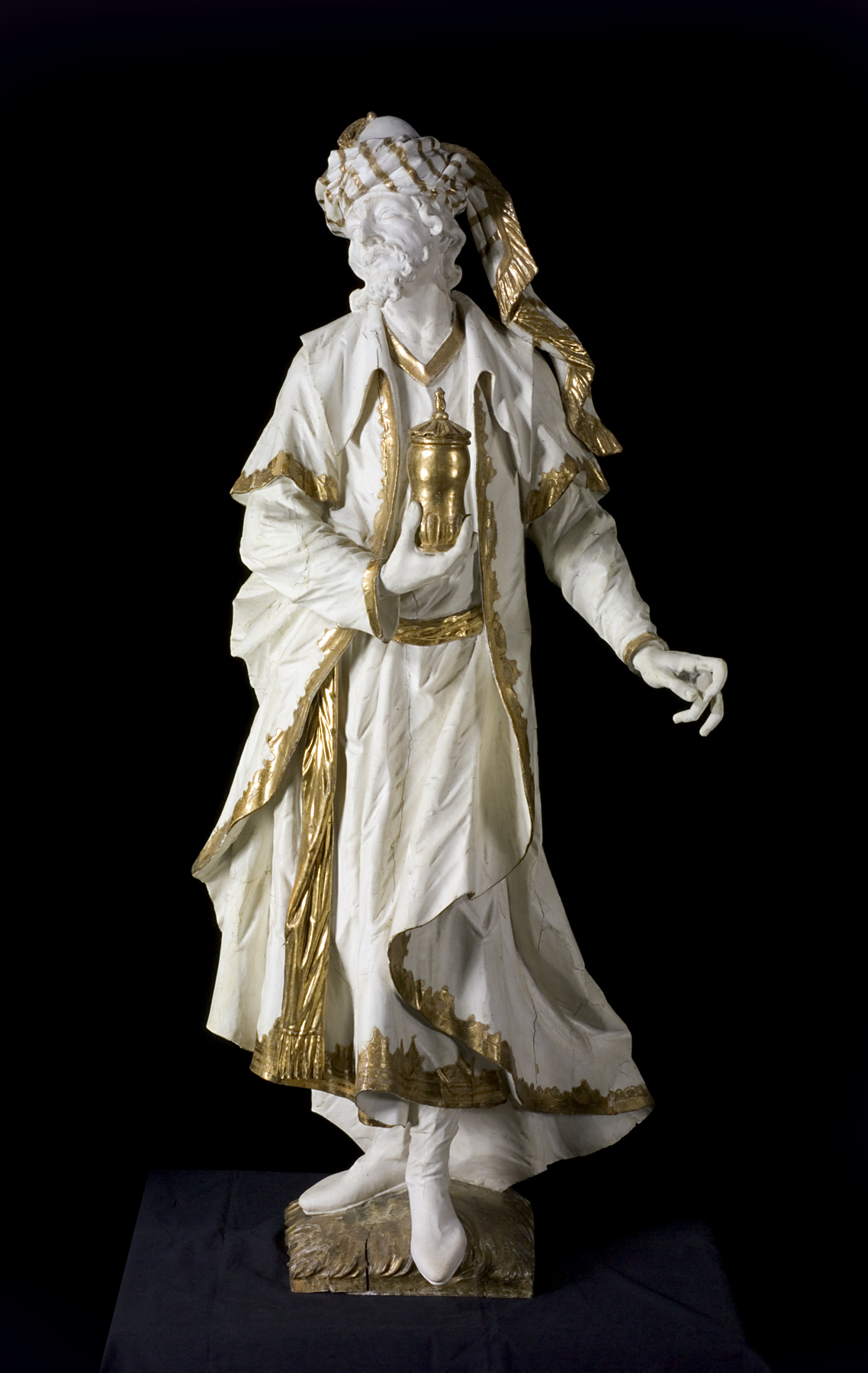
Circle of Ignaz Günther (active late 1700s)
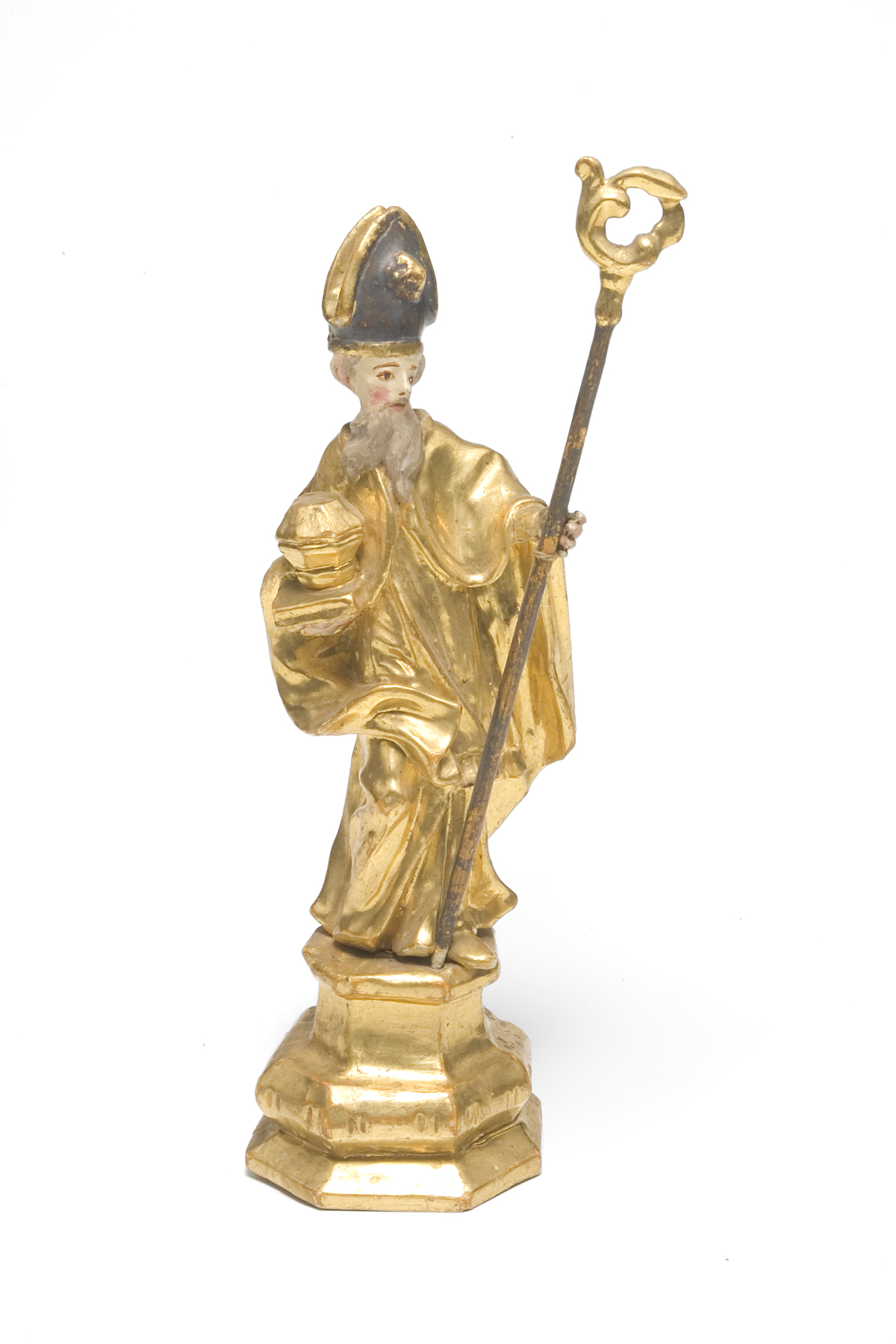
Saint Cosmas, circa 1750–1765
Circle of Ignaz Günther (active late 1700s)
Saint Damian, circa 1750–1765
Circle of Bernard Bellotto (active late 1700s)
William Tyler (active late 1600s)
water clock, 1694
Gillis van Tilborgh (circa 1625–circa 1678)
A Picture Gallery, 1660–1670
Robert Gibb (1801–1837)
Antonio Canova (1757–1822)
Thomas Patch (1720–1782)
Isis and the infant Horus, circa 300 BCE, Ptolemaic Kingdom, 332 BCE–30 CE
Angelica Kauffman (1741–1807)
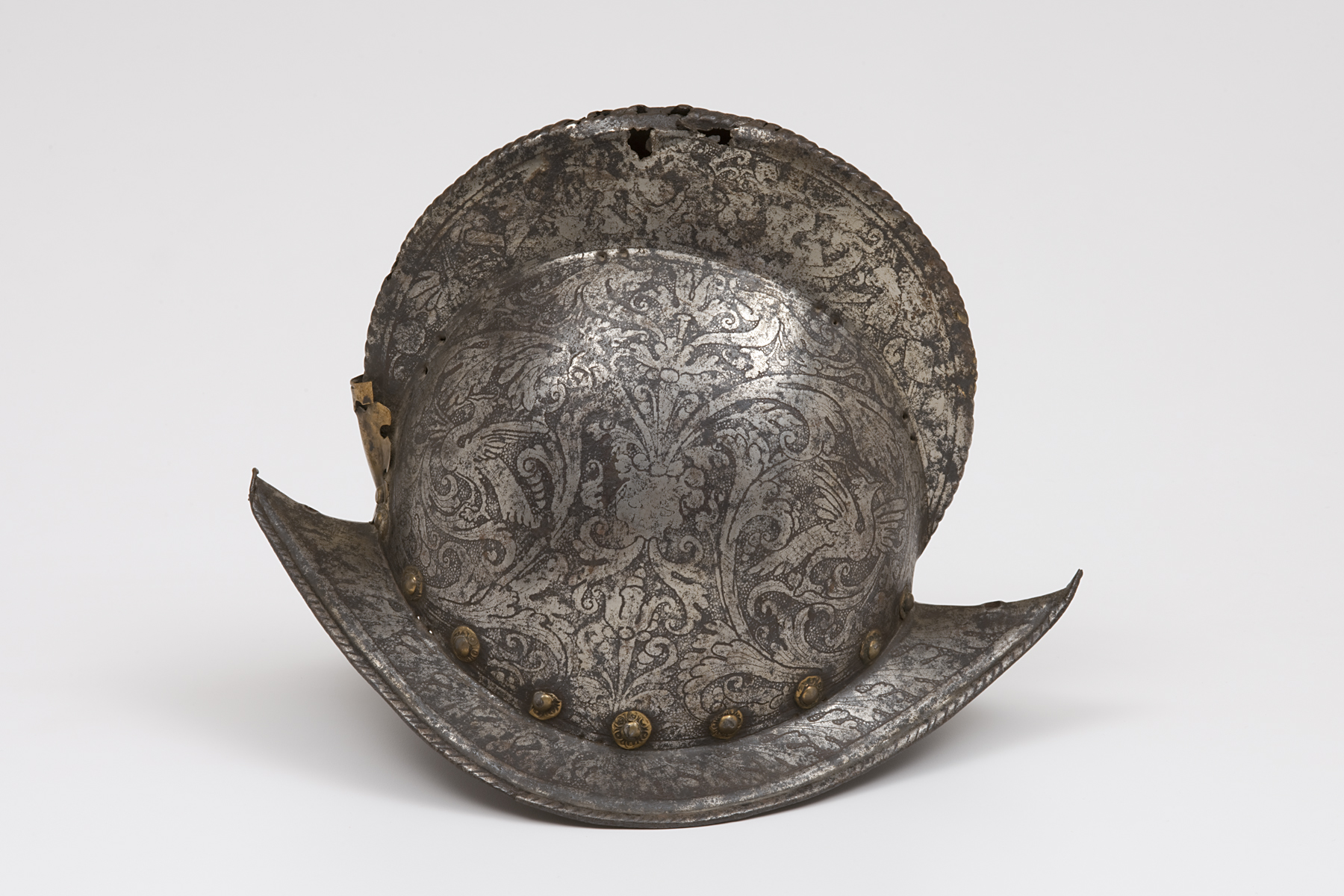
morion (helmet), 1500s or 1800s
Niccoló Fiorentino (circa 1404–1471)
Michael Henry Spang (active begining 1756; died 1762); Edward Burch (1730–1814)
Enthroned Zeus, circa 100 CE, Roman Empire (27 BCE–476 CE)
sea horse sculpture, early 1500s
Neptune, 1700s
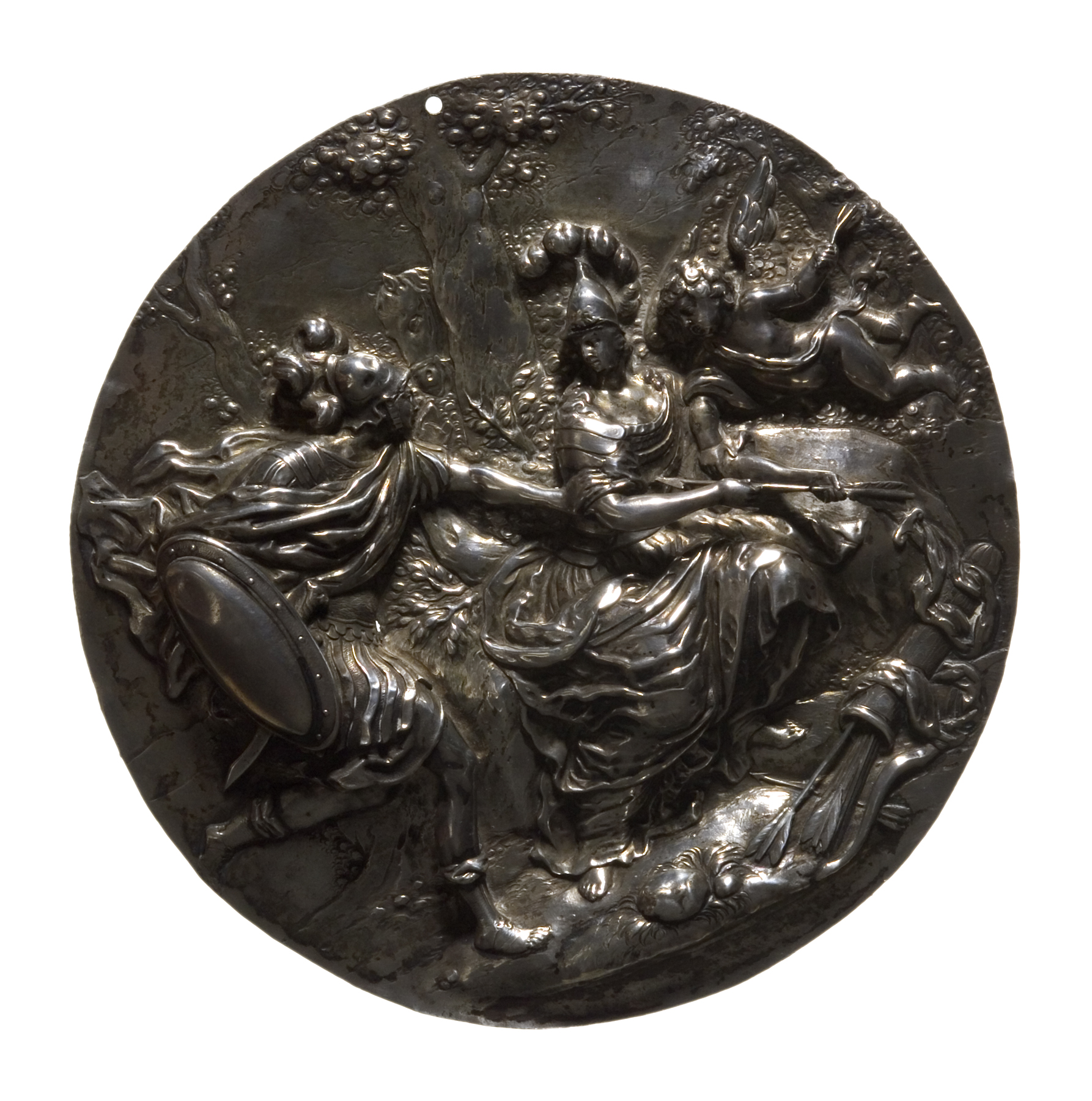
Andrea Riccio (1470–1532)
Vulcan Forging Arrows, circa 1500–1530
Joseph Wright of Derby (1734–1797)
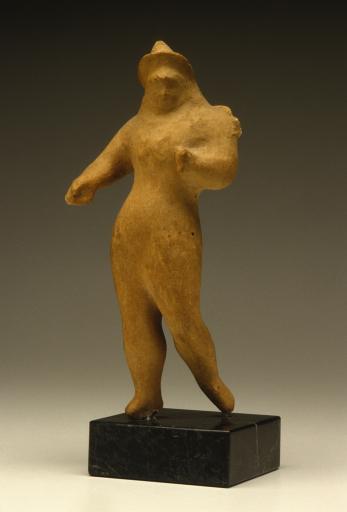
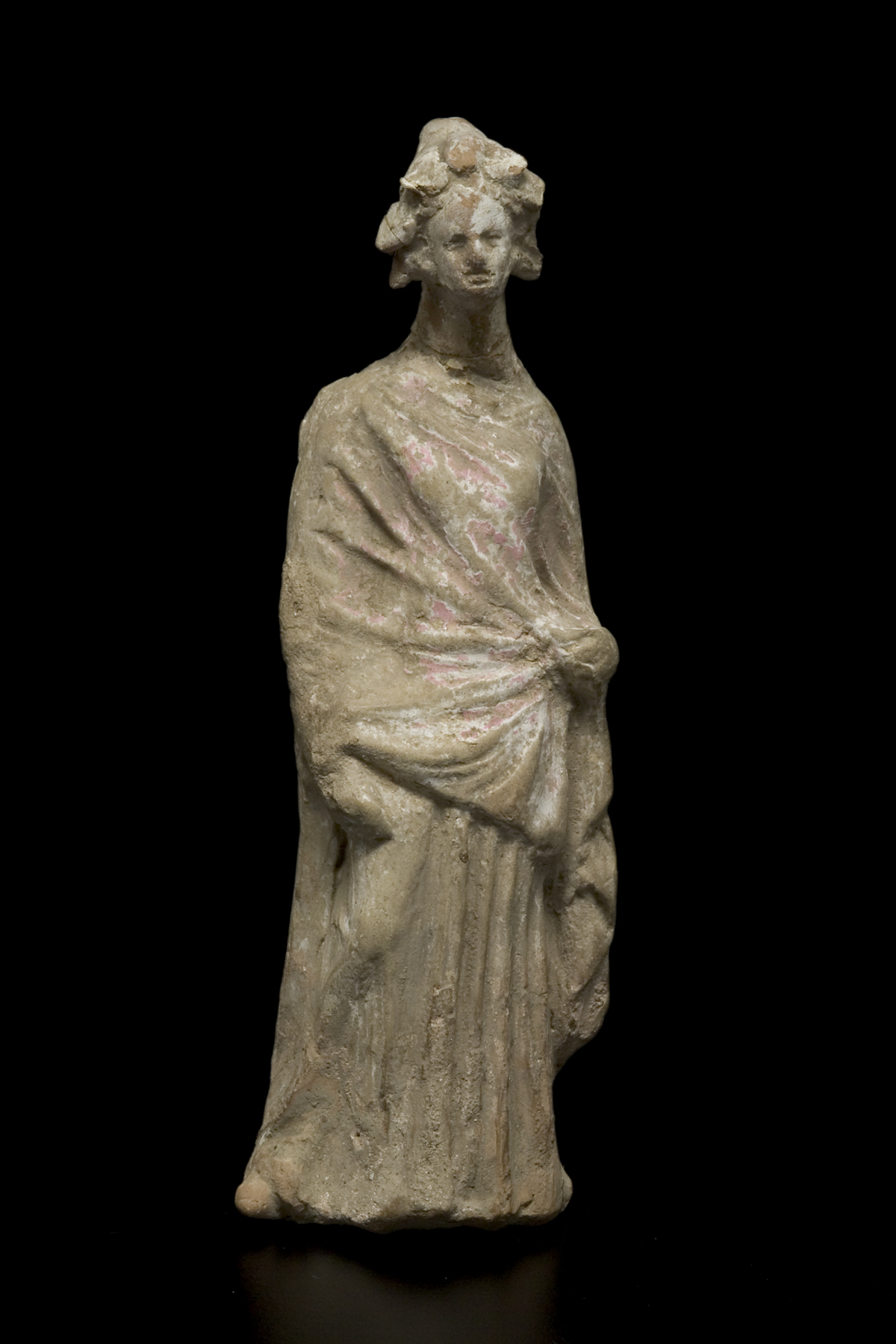
Tanagra figurine, late 300s–200s BCE, Hellenistic period (323–146 BCE)
Bernardino Ludovisi (circa 1693–1749)
Mary Magdalene, circa 1735–1740
Thomas Cole (1801–1848)
toad, 1500s–1700s
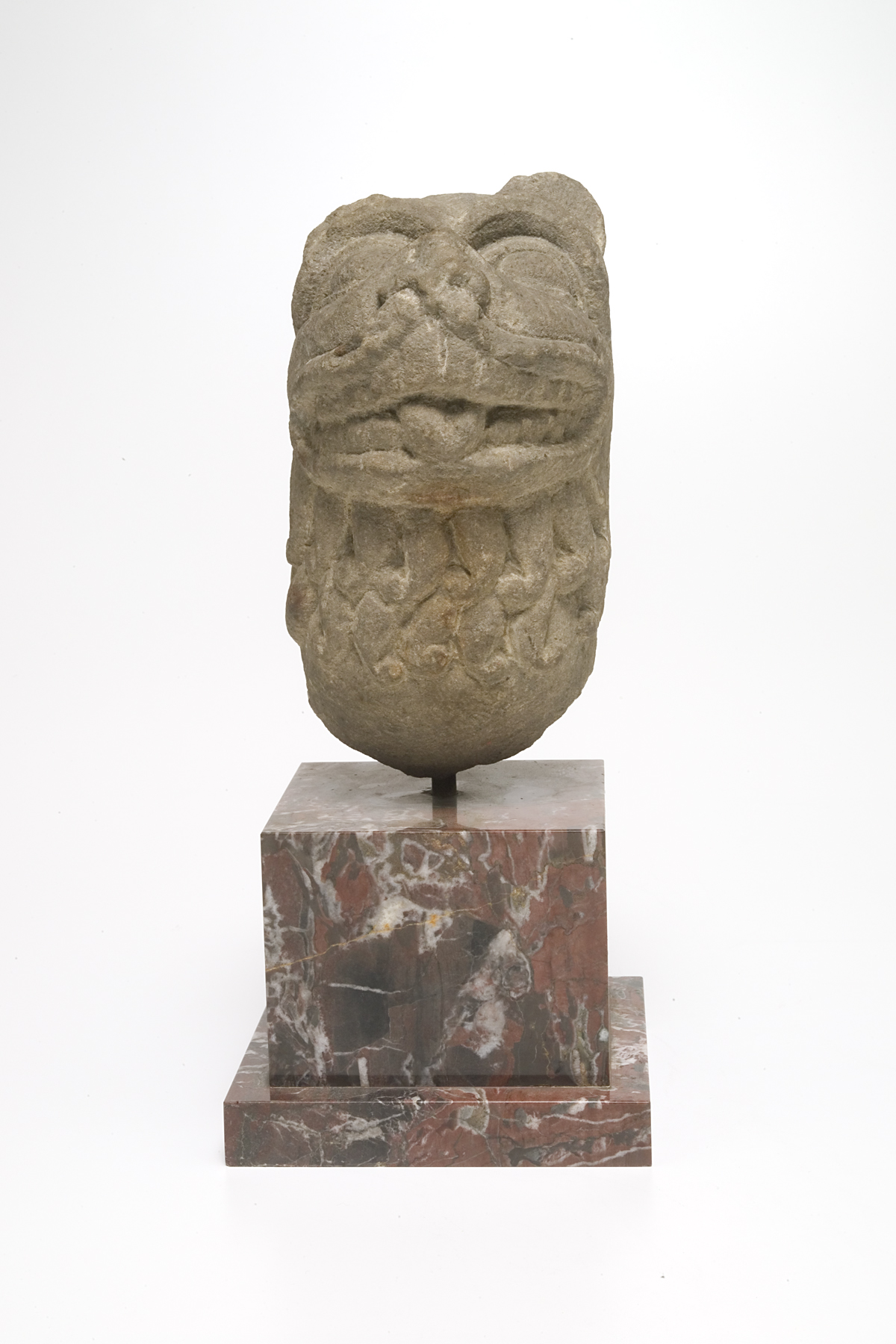
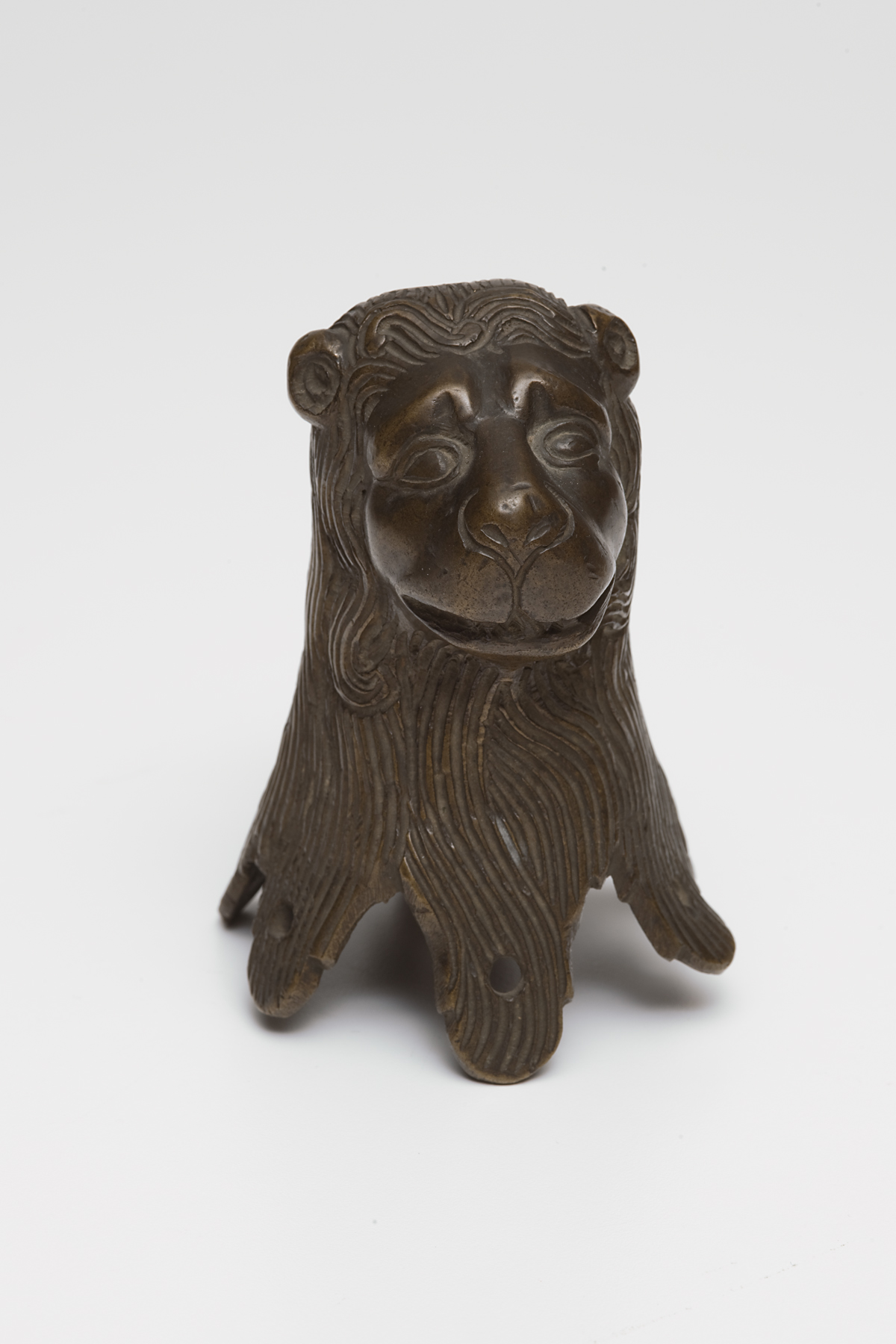
lion head finial, early 1400s
Master of the Apollini Sacrum (active 1480–1500)
Domenico Gaggini (circa 1425–1492)
Giovanni Francesco Rustici (1474–1554)
Four Sea Horses, circa early 1500s
dolphin, 300s–mid 400s, late Roman Empire (27 BCE–395 CE) or Early Christian (100–500 CE)
head from a sarcophagus, circa 300 BCE, Ptolemaic period (330–30 BCE)
Pietro Tacca (1577–1640)
side chair, circa 1710
torso of Apollo, circa 100 BCE–100 CE, Roman Empire (27 BCE–395 CE)
Torso of Venus, circa 100s CE
Johann Joachim Kändler (1706–1775); Meissen Porcelain Factory (active 1710–present)
Der Tritonenfang (Triton Fishing), late 1890s–early 1900s
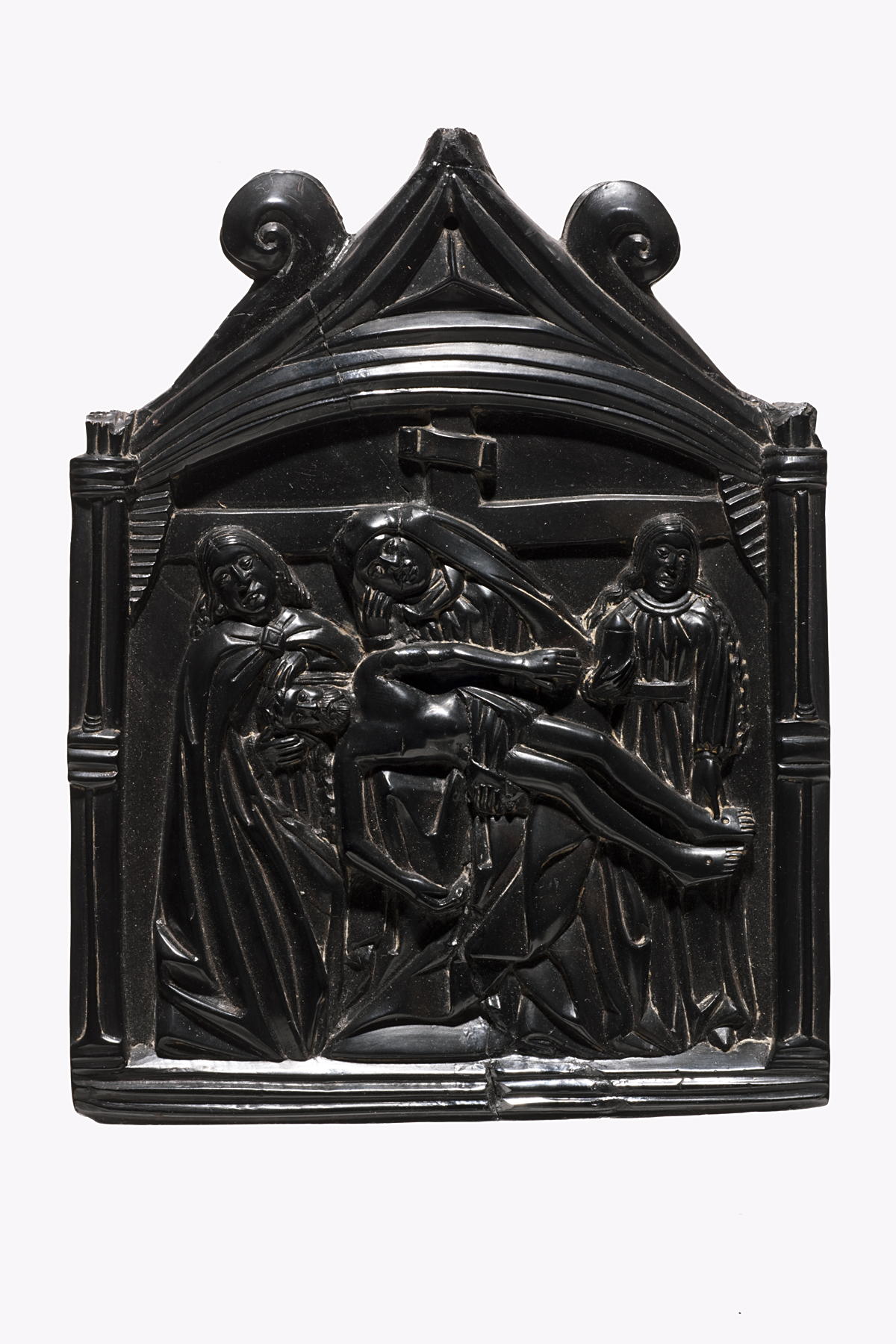
Saint Sebastian, late 1400s
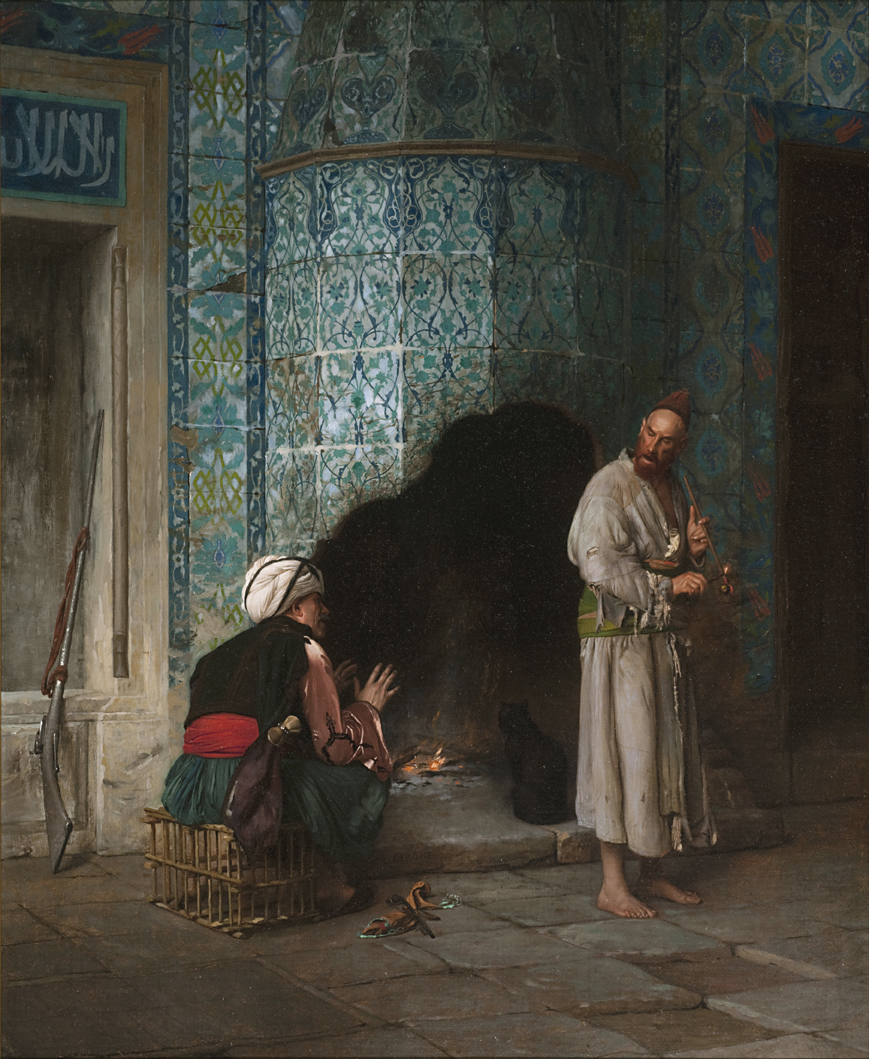
Jean-Léon Gérôme (1824–1904)
Cristoforo Monari (1667–1720)
Still Life with Dog and Fruit, late 1600s–early 1700s
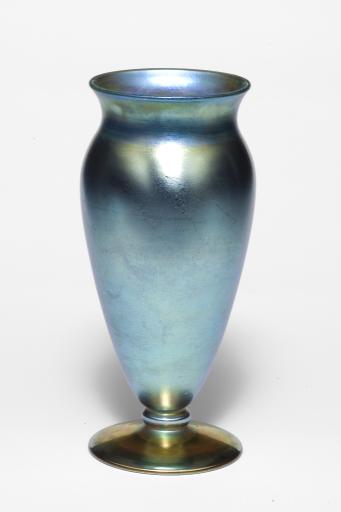
Durand Art Glass (active 1924–1931)
vase, 1924–1931
Robert Garrard I (1758–1818)
coffee cup and stand, circa 1920s, Republic period, (1923–present)
Friedrich Nerly (1807–1878)
Charles Marion Russell (1864–1926)
Carl Spitzweg (1808–1885)
William Morris (1834–1896); Morris, Marshal, Faulkner & Co.
Sussex chair, circa 1870
Winged Eros with a Shield, circa 200s CE, Roman Empire (27 BCE–395 CE)
urn table, circa 1780
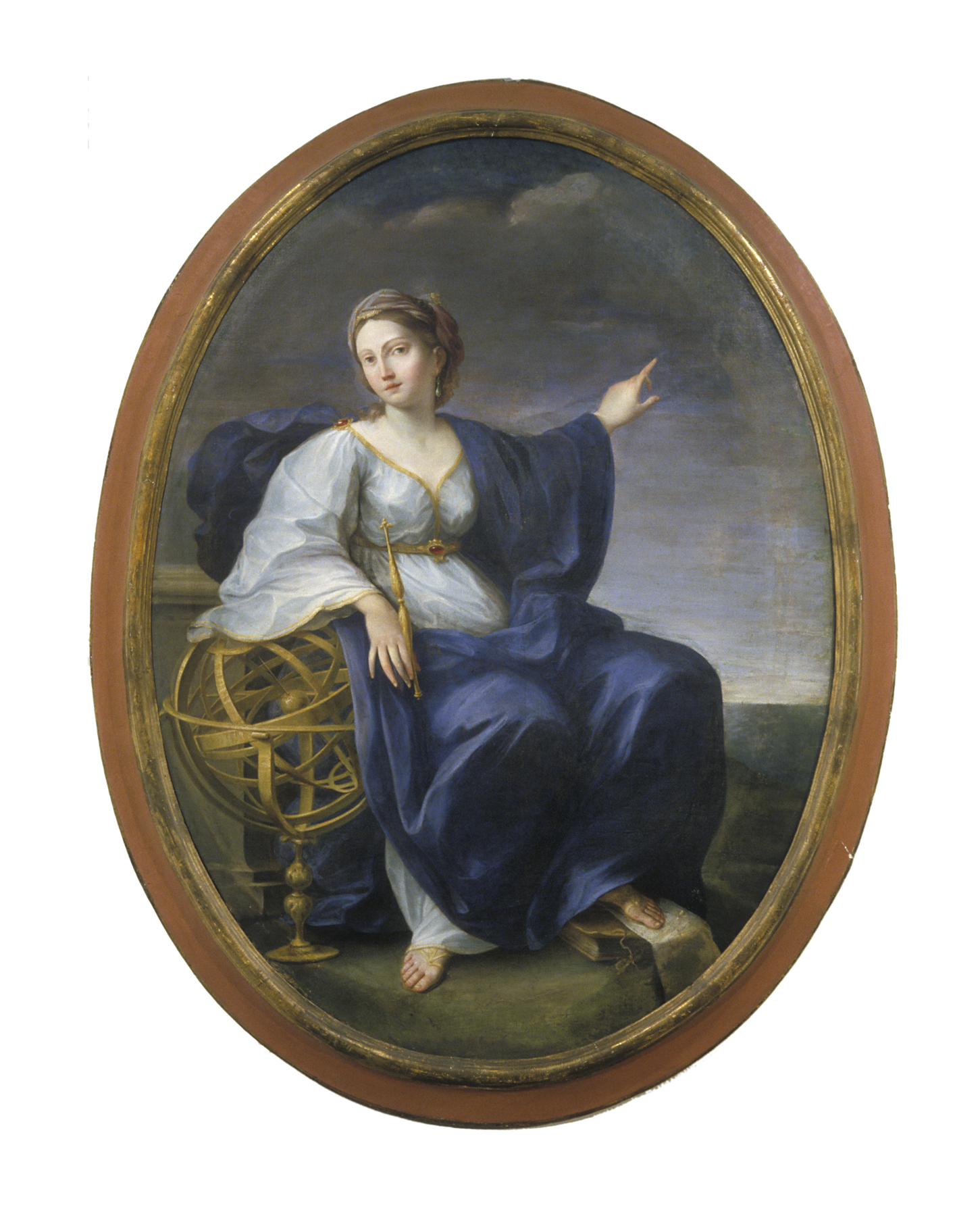
Marc Antonio Franceschini (1648–1729)
The Muse of Astronomy, late 1600s–early 1700s
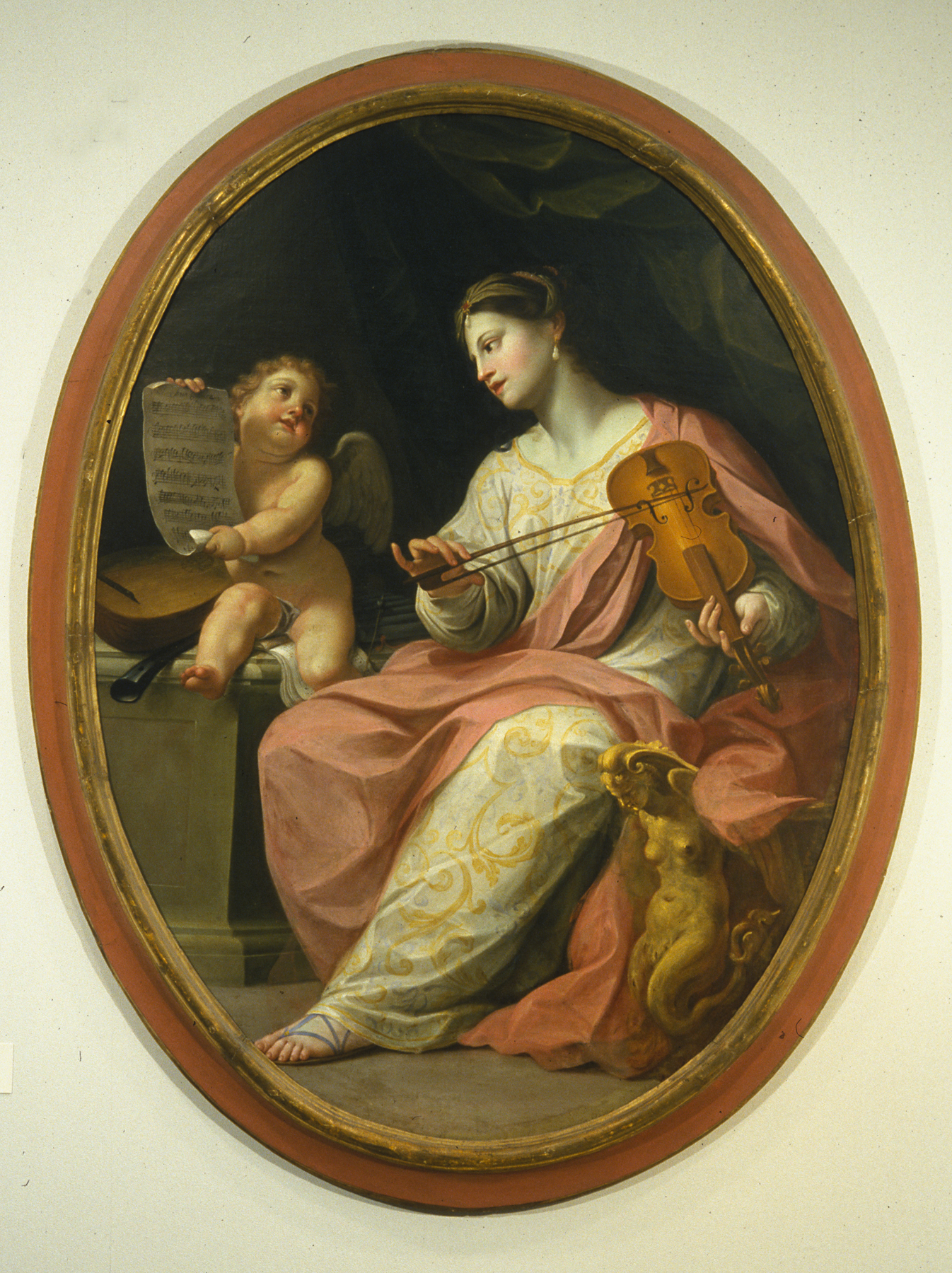
Marc Antonio Franceschini (1648–1729)
The Muse of Music, late 1600s–early 1700s
horse, early 1500s
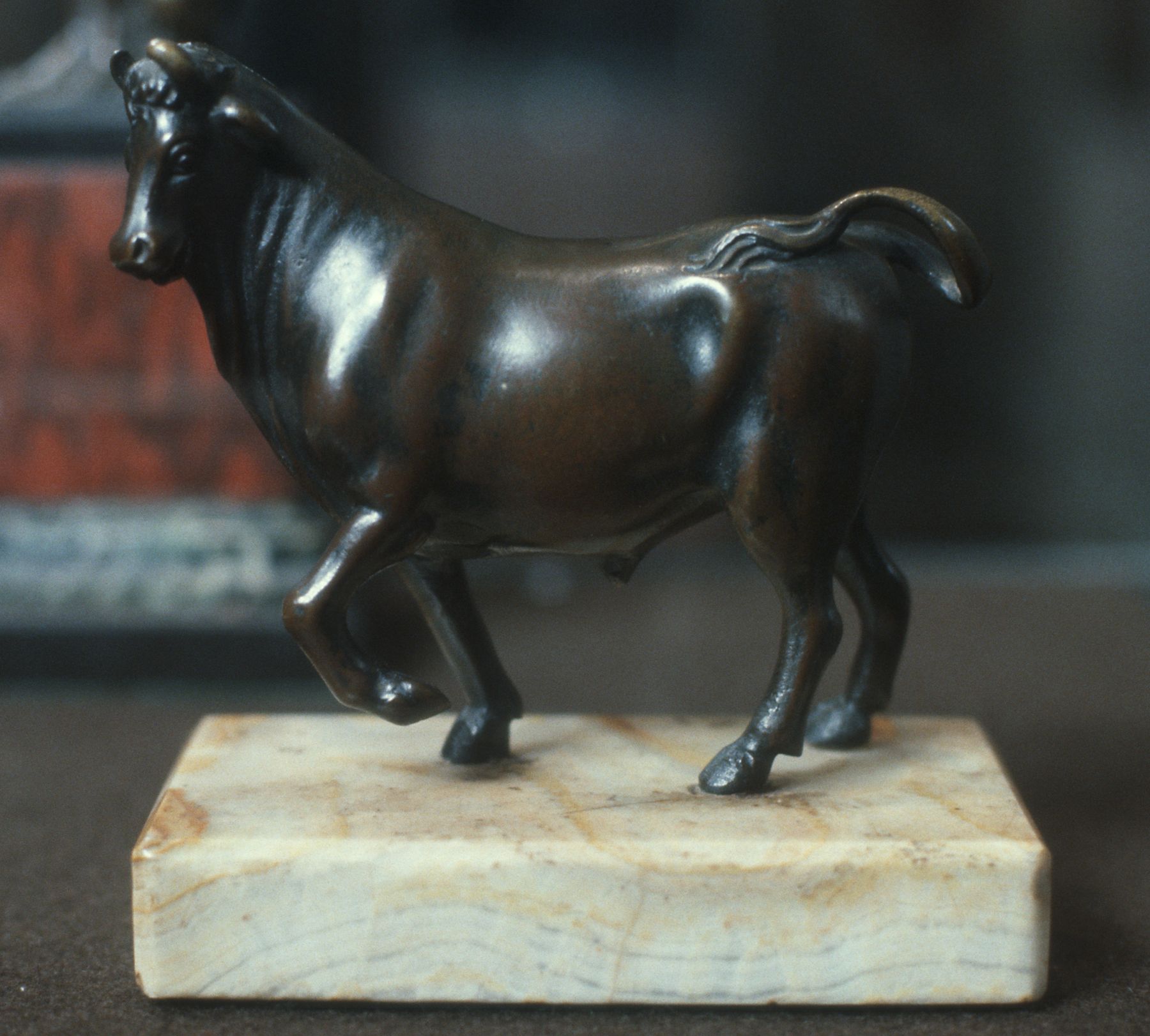
Giambologna (1529–1608)
bull, early 1600s
Hunting Scene, circa 2500 BCE, Old Kingdom (circa 2575 BCE–2150 BCE)
male figure, mid 1900s
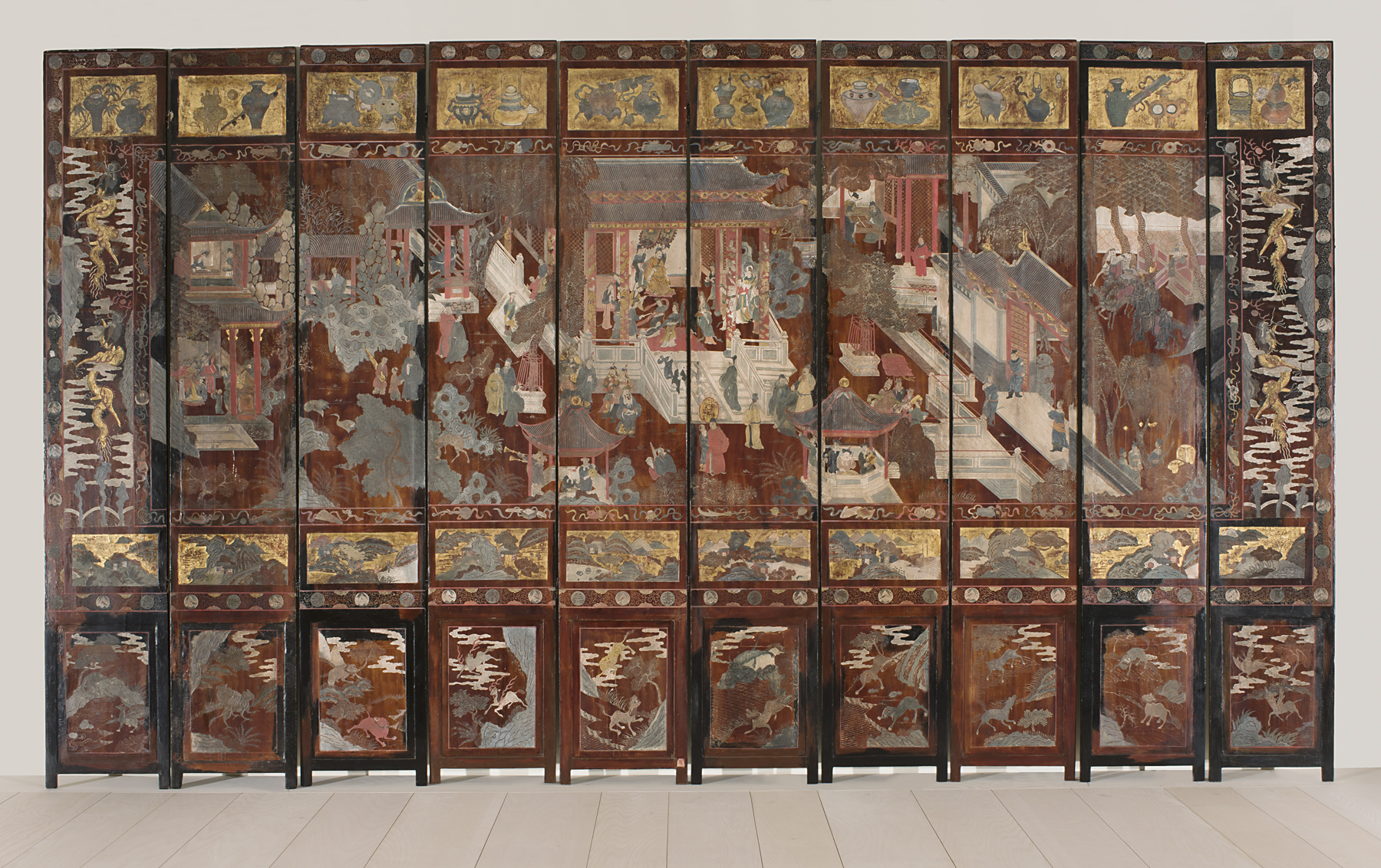
ten-panel Coromandel screen, 1800s, Qing dynasty, 1644–1911
Head of a bodhisattva, 1100s–1200s, Southern Song dynasty (1127–1279)
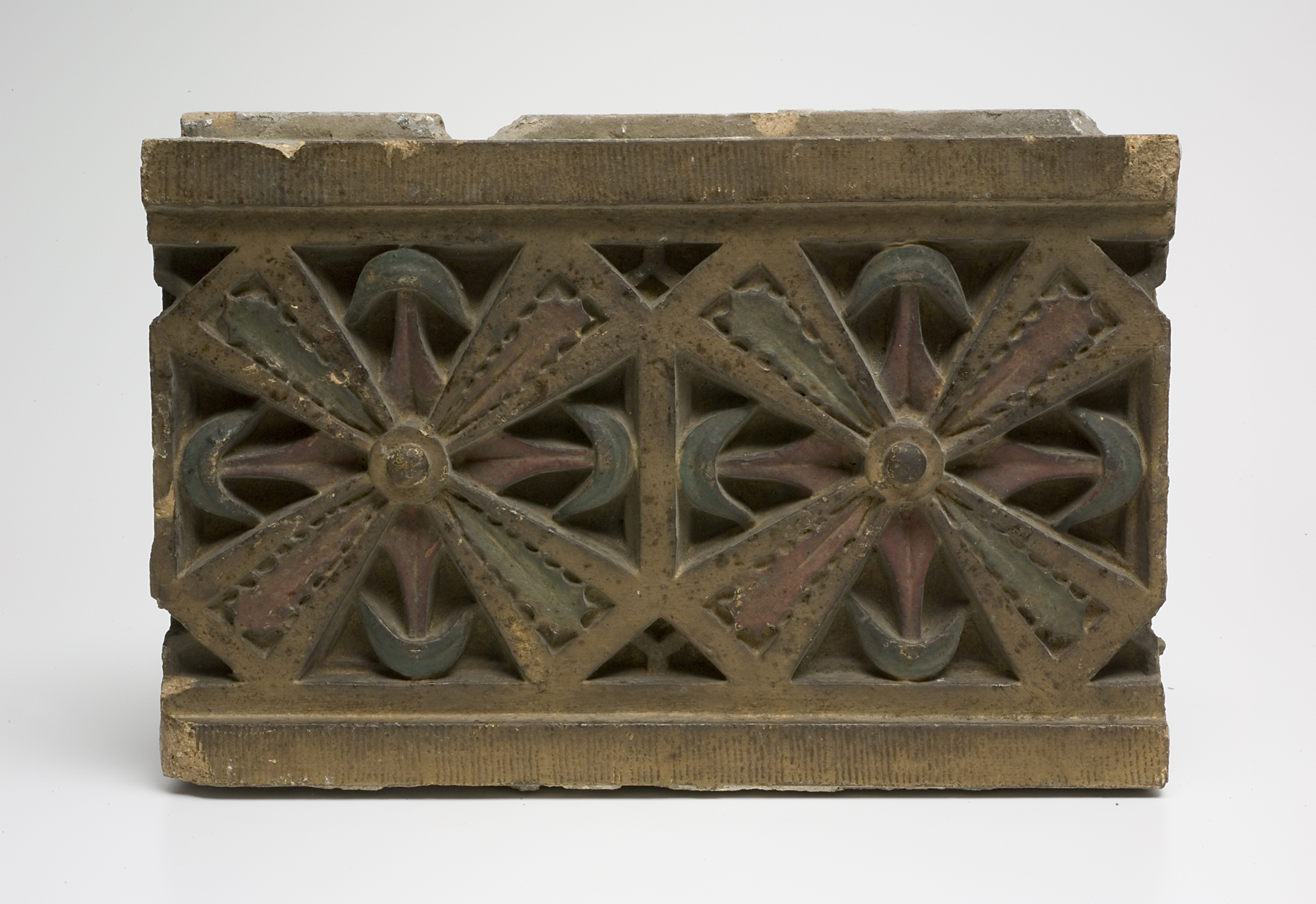
Louis Henry Sullivan (1856–1924)
Rookwood Pottery (active 1880–1967); William Purcell McDonald (1863–1931)
vase, 1882
Max Ernst (1891–1976)
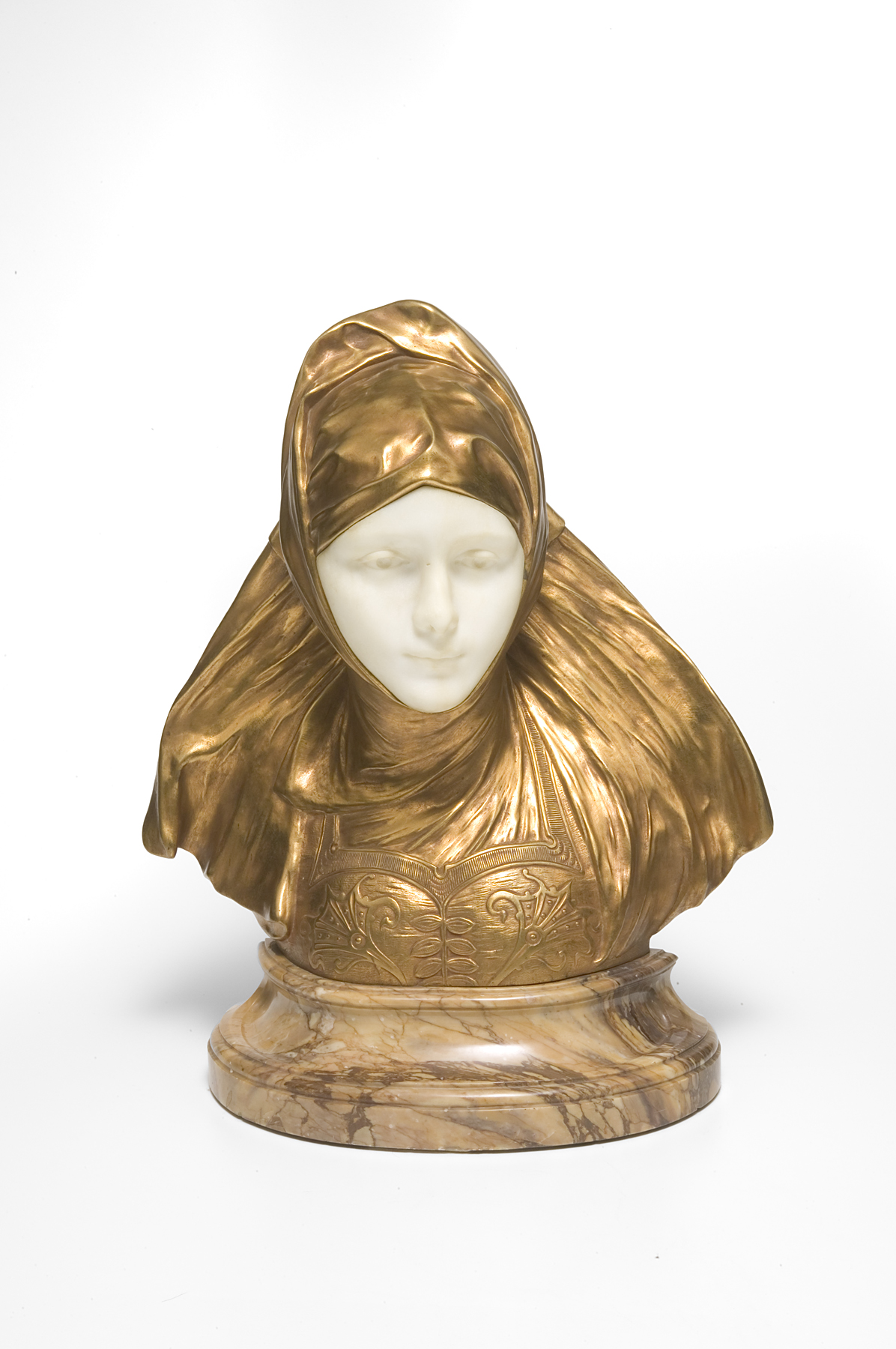
Henri Jacobs (1864–1935)
bust of a woman, circa 1900–1910
brush holder, late 1800s, Ottoman Empire (1299–1923)
Claude Lorrain (1604–1682)
Adelheid Lange Roosevelt (1878–1962)
Bird, circa 1913
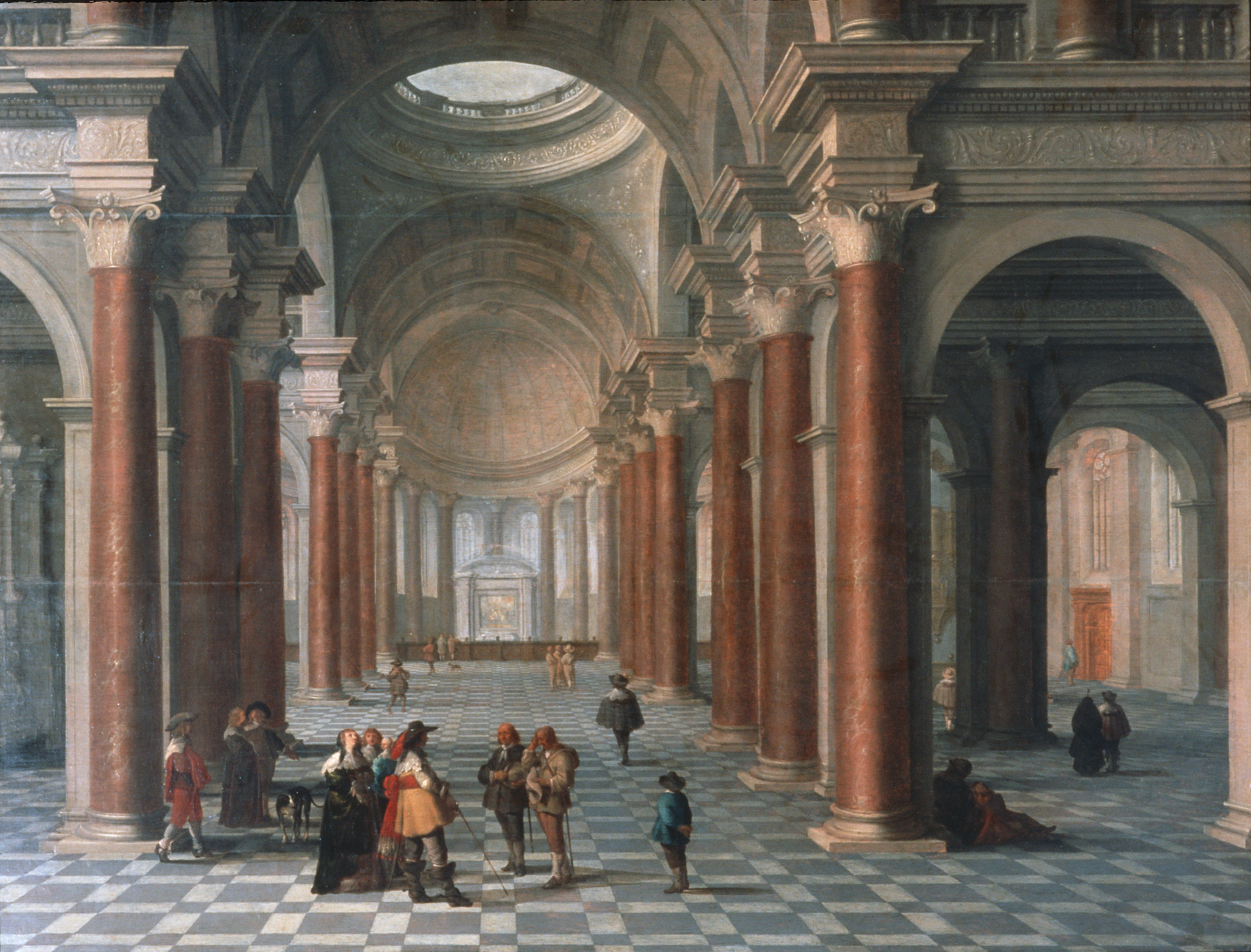
Jan van Vucht (1603–1637); Anthonie Palamedesz. (1601–1673)
Church Interior, circa 1625–1632
snuff bottle with stopper, late 1800s, Qing dynasty (1644–1911)
佛手 foshou (citron), snuff bottle with stopper, late 1800s, Qing dynasty (1644–1911)
tomb figurine head, Han dynasty (206 BCE–220 CE)
pair of dragon-shaped chariot fittings, circa 300 BCE, Warring States period (BCE 481–BCE 221)
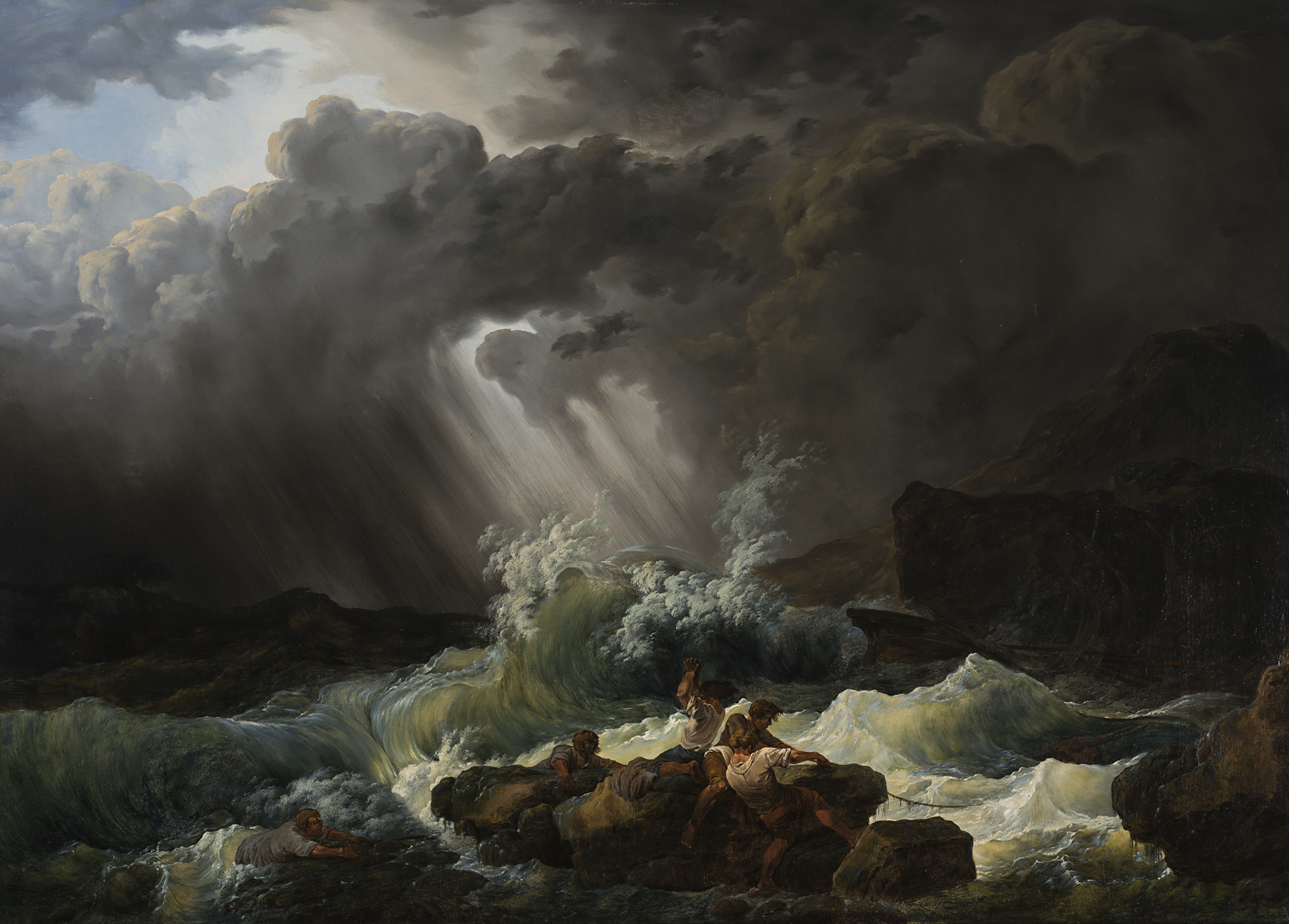
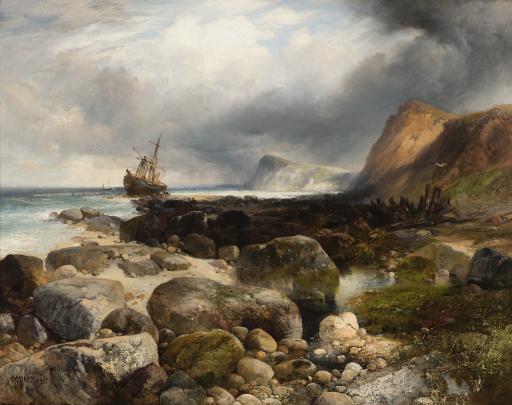
Philip James de Loutherbourg (1740–1812)
A Shipwreck, circa 1770
Jan Both (circa 1618–1652)
game table, late 1800s
Frédéric-Auguste Bartholdi (1834–1904)
The Lion of Belfort, mid 1800s–early 1900s
Louis Comfort Tiffany (1848–1933)
Salamander vase, 1905–1910
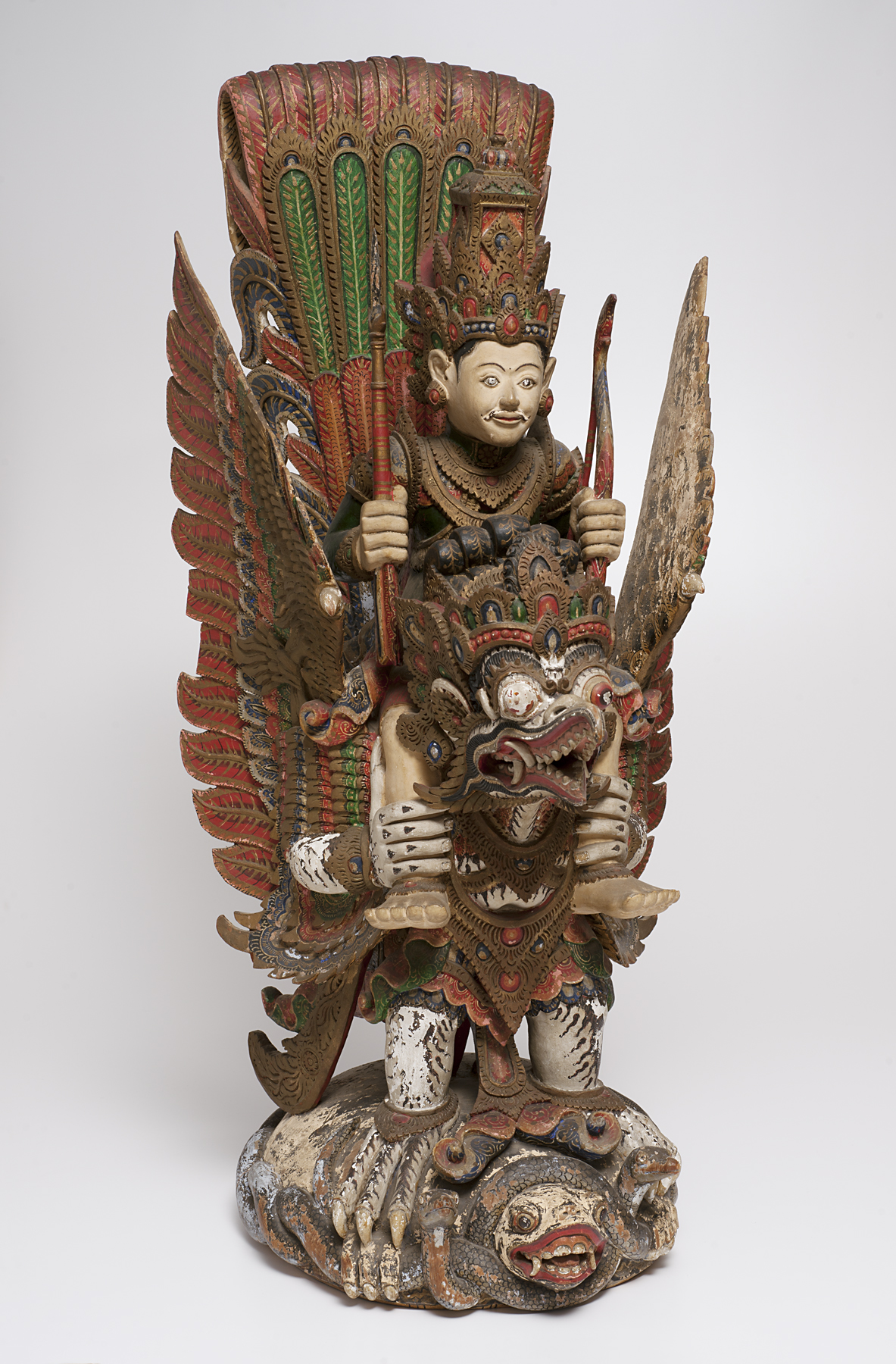
Ganesha, early 1900s
Louis Comfort Tiffany (1848–1933)
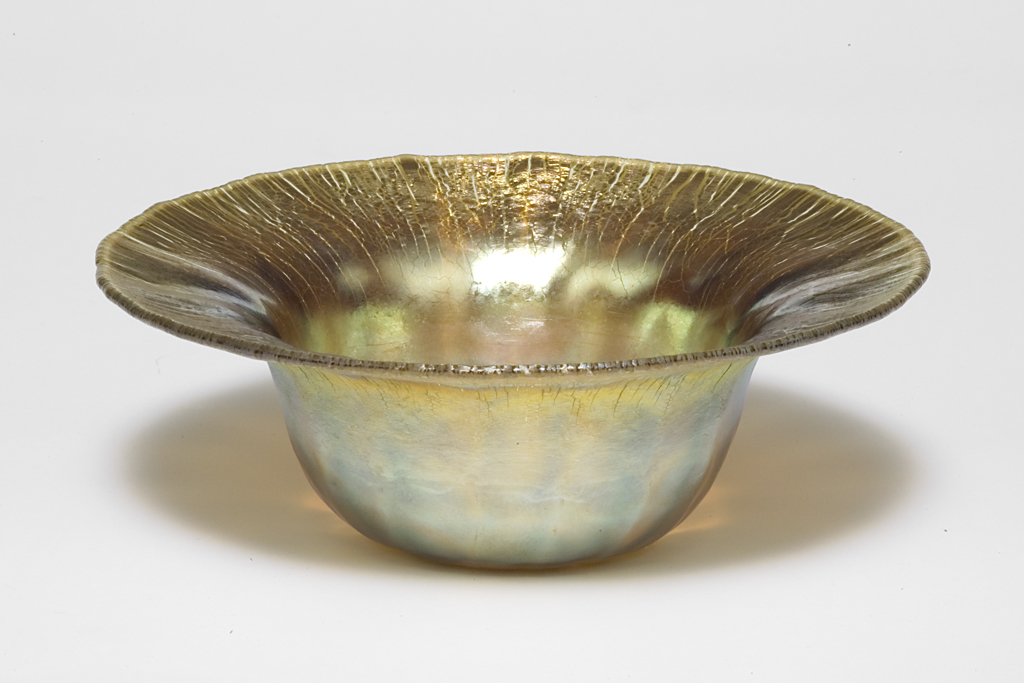
bowl, 1925
Louis Comfort Tiffany (1848–1933)
bowl, 1925
Irene Bishop (1880–1925); Rookwood Pottery (active 1880–1967)
vase, 1907
Dirck Santvoort (1610–1680)
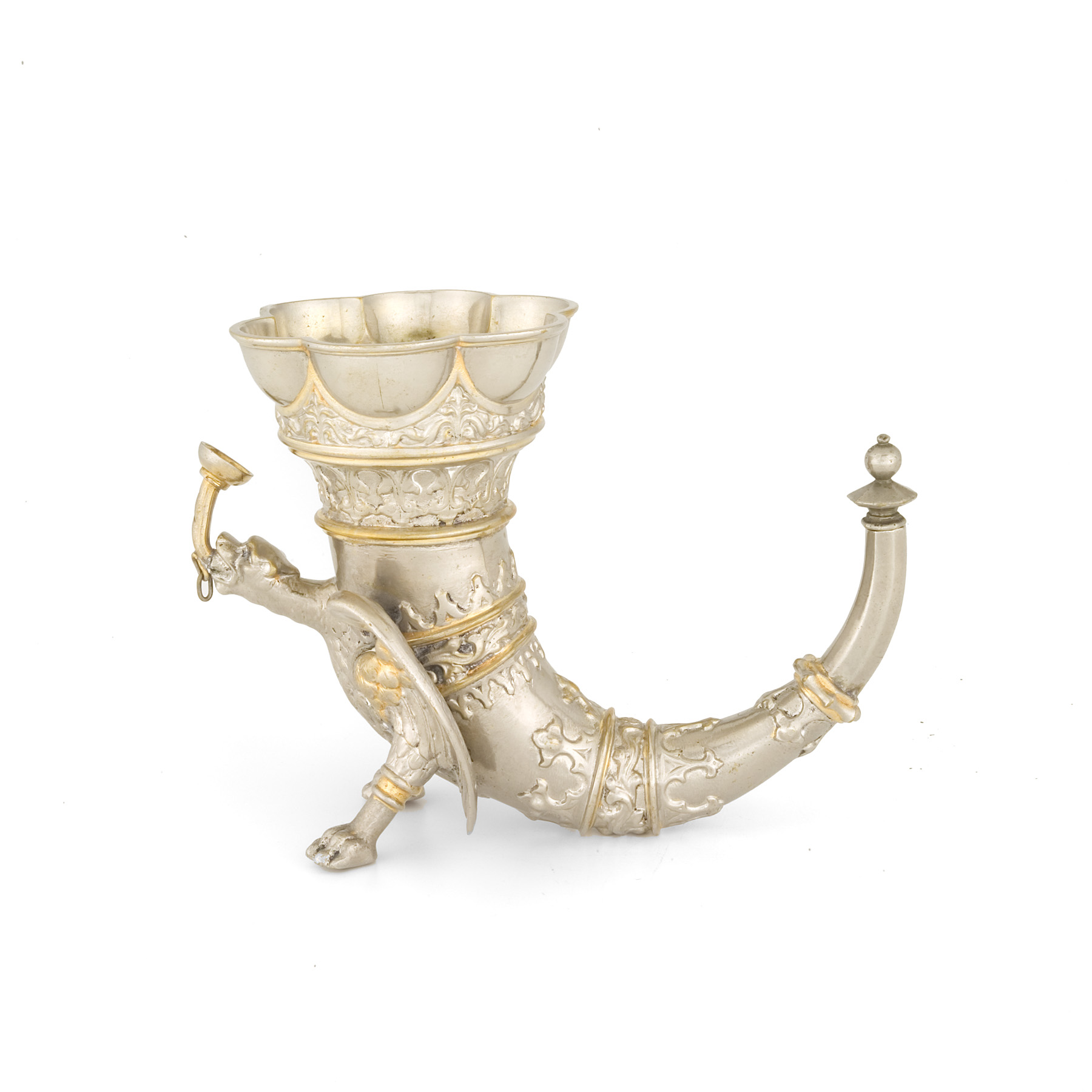
rhyton drinking horn, early 1900s
Eric Pape (1870–1938)
sofa, 1830–1840
Bernard Palissy and Workshop (active circa 1510–1590)
Rustic Basin, circa 1570–1590
Lilla Cabot Perry (1848–1933)
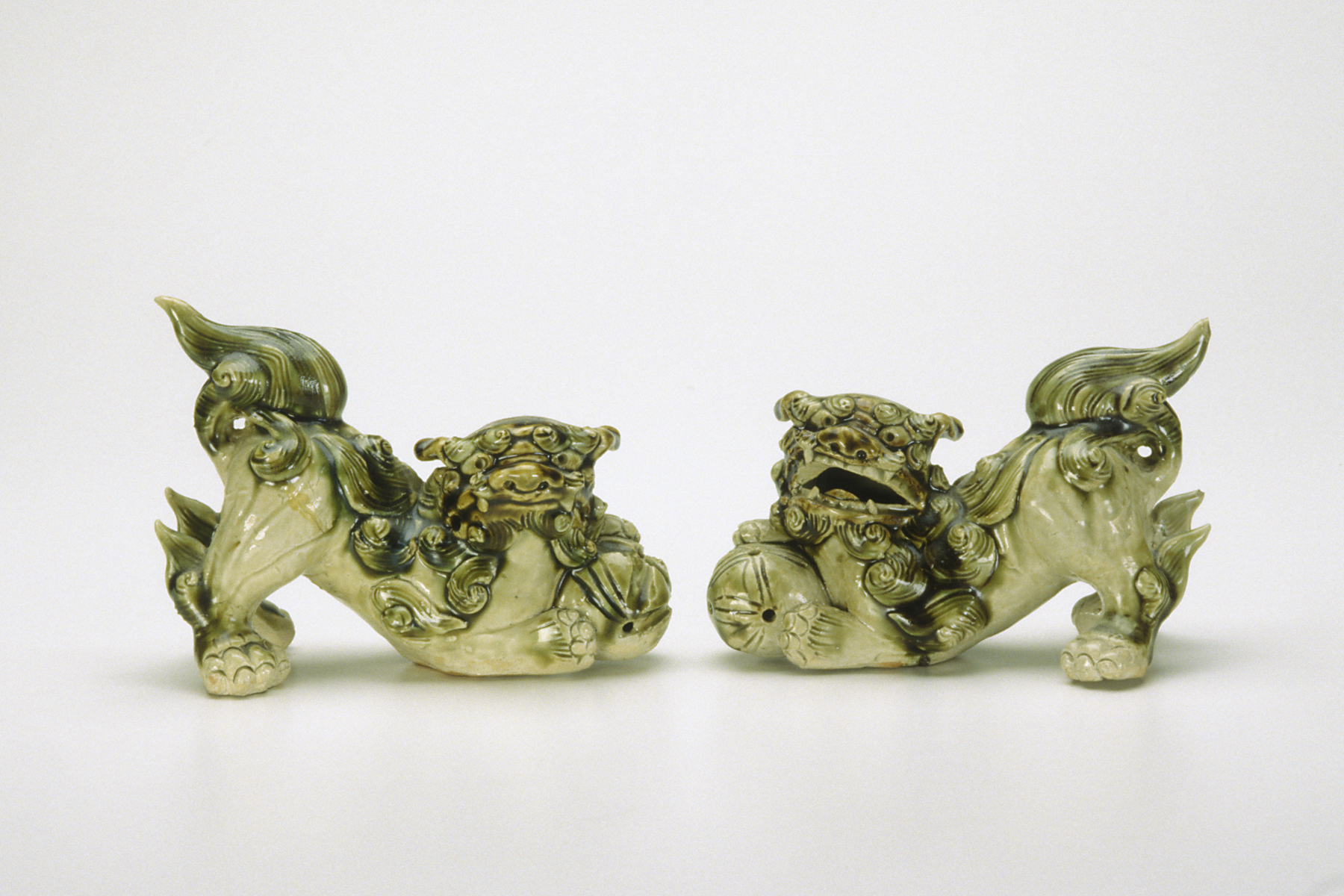
pair of lions, late 1800s, Qing dynasty (1644–1911)
Vik Muniz (born 1961)
Charles François Daubigny (1817–1878)
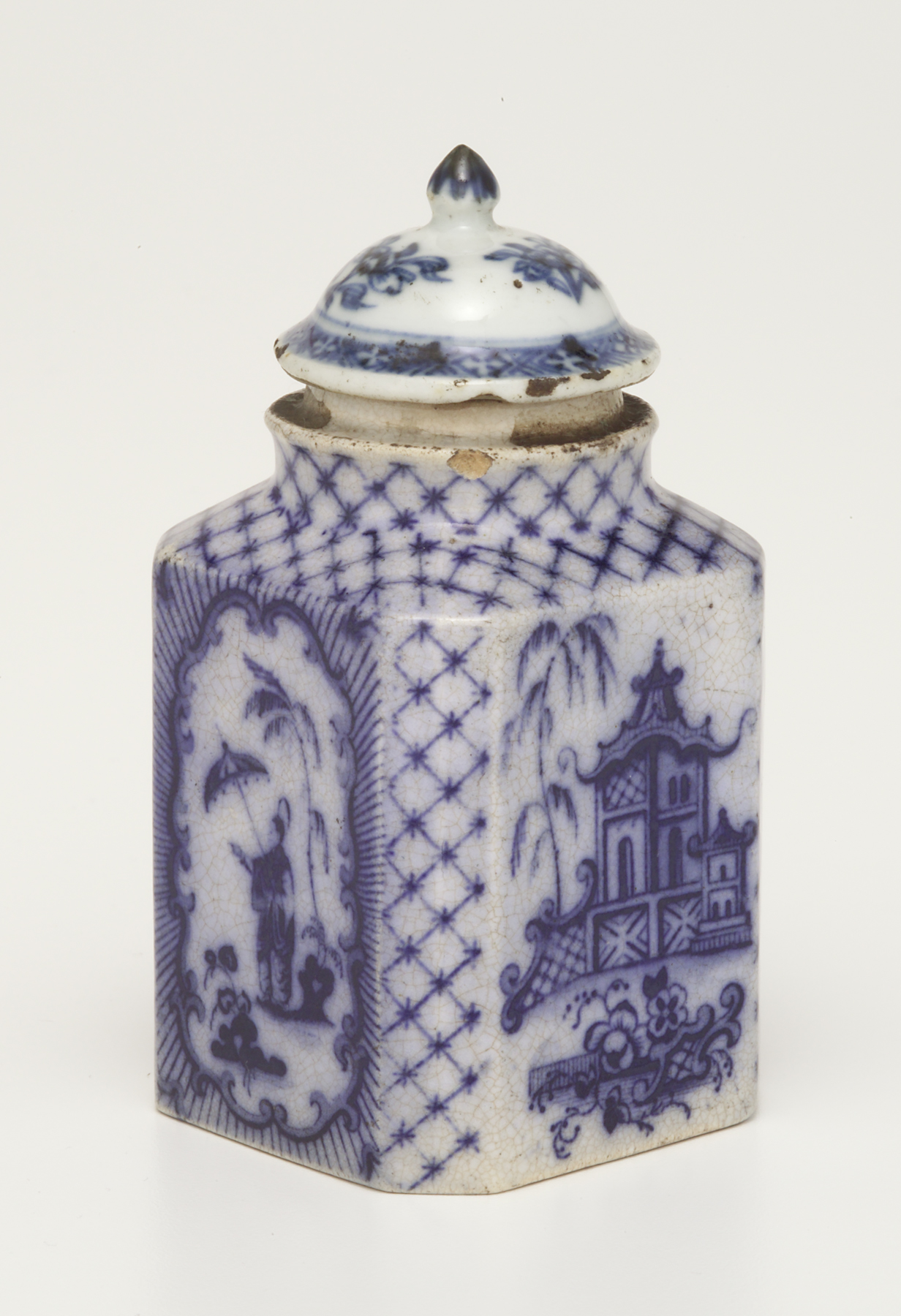
Coalport Porcelain Works (founded circa 1795)
tea caddy, mid 1800s
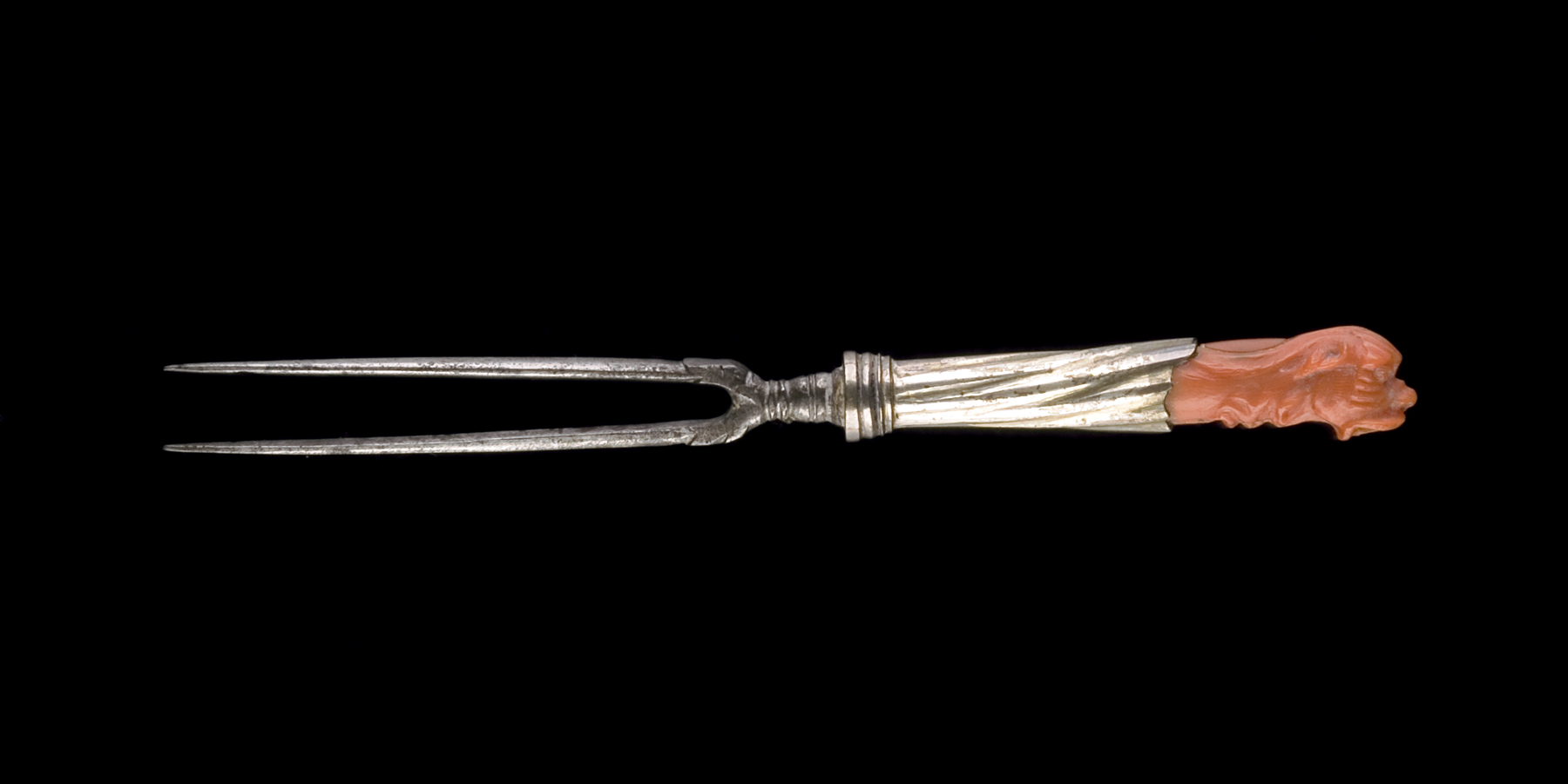
fork, 1700s
head, Greco–Roman Empire, 800s BCE–400s CE
ruyi sceptre, late 1800s, Qing dynasty (1644–1911)
fish-shaped pendant, 1200 BCE–1000 BCE, late Shang dynasty (circa 1600–1046 BCE) to early Western Zhou dynasty (circa 1120–770 BCE)
miniature shrine, early 1900s, Meiji period (1868–1912)
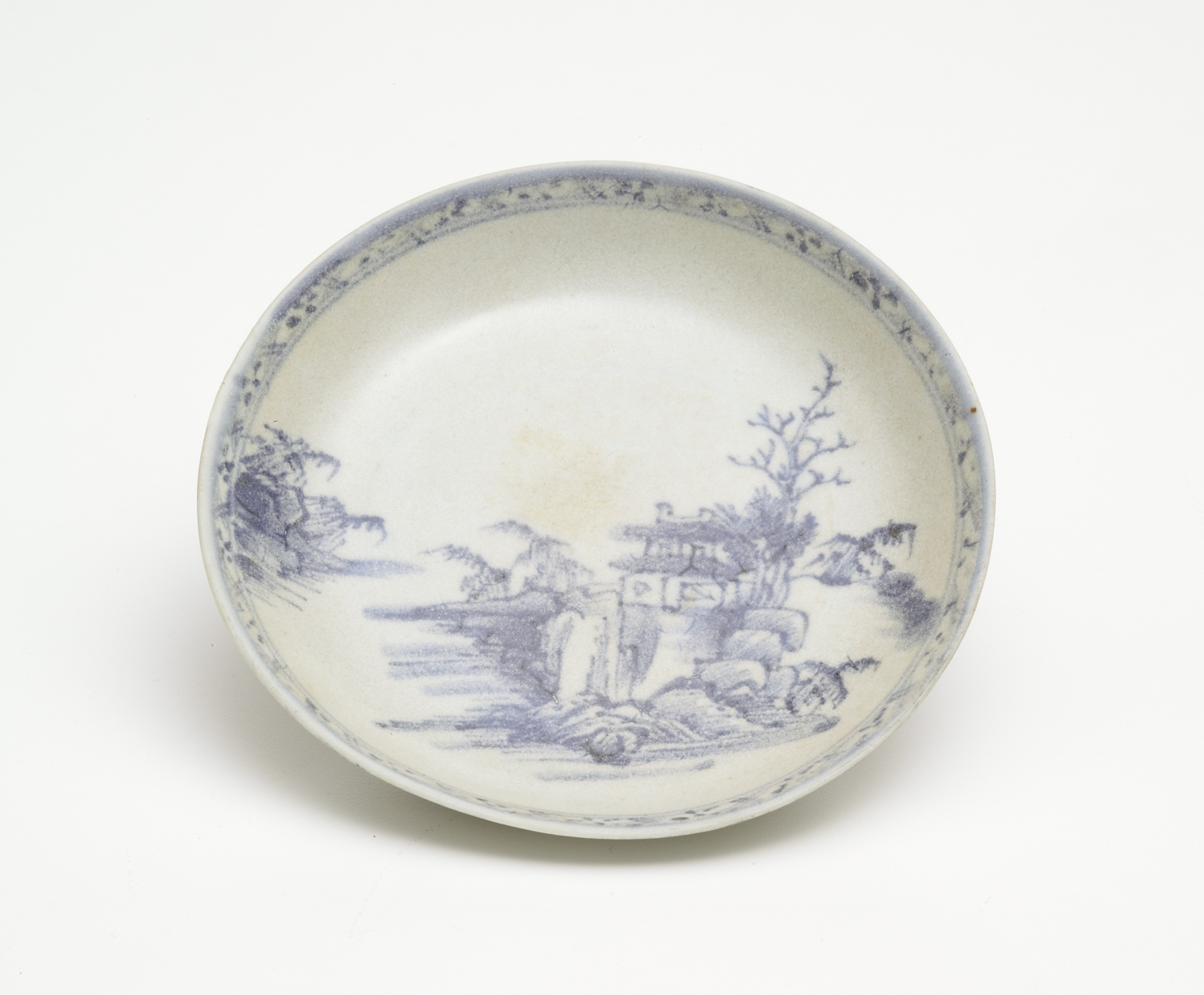
saucer with landscape, 1750s, Qing dynasty (1644–1911)
Sèvres Porcelain Manufactory (active 1756–present); Jean Georget (1763–1823)
半支迦 Hanshika (Pāñcika), 1700s or 1800s, Edo period (1600–1868)
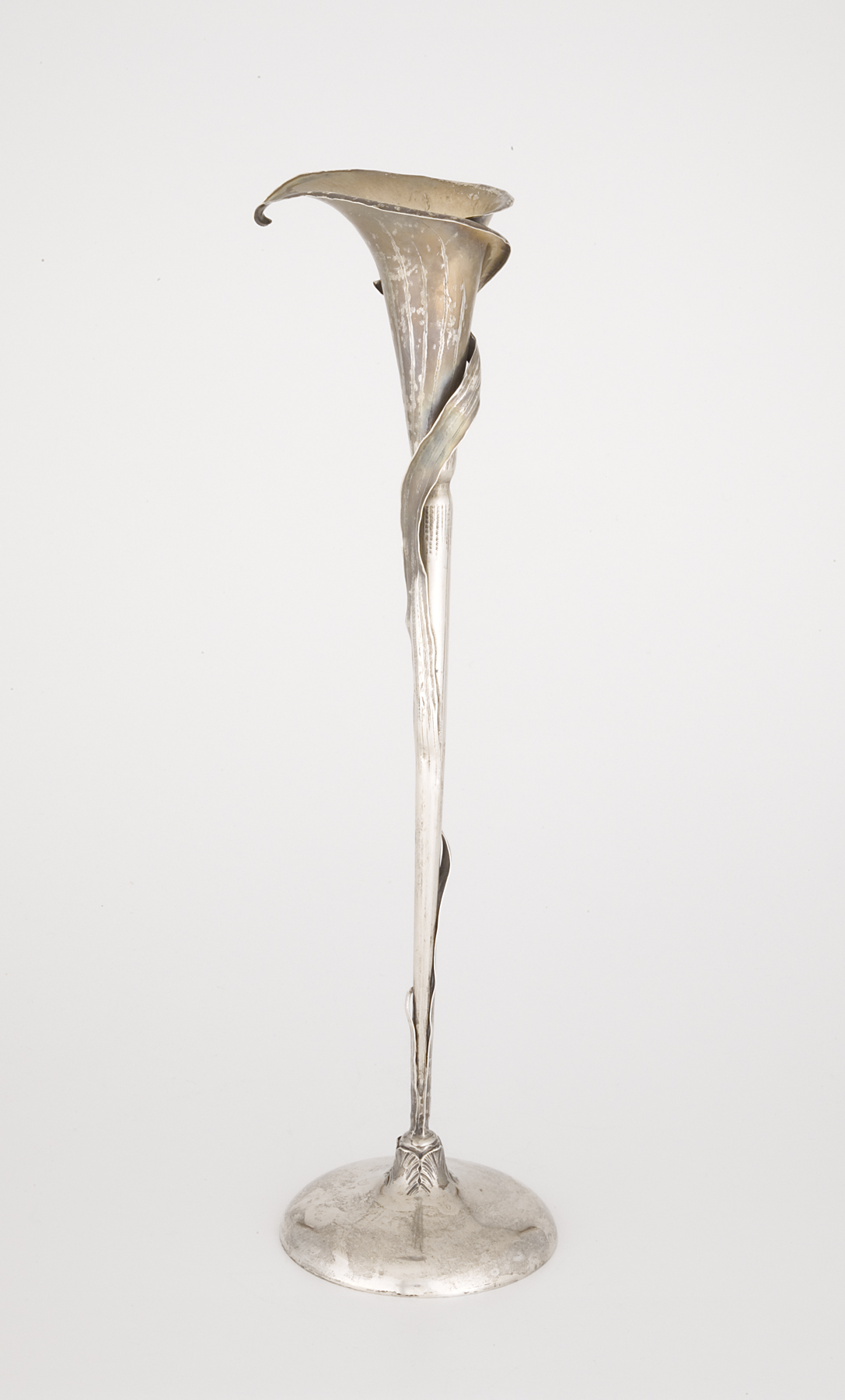
Black, Starr and Frost (active 1874–1929)
calla lily vase, late 1800s
John Edward Terrey & Co. (active 1800s)
spice shaker, circa 1810
Jupiter, 1700s
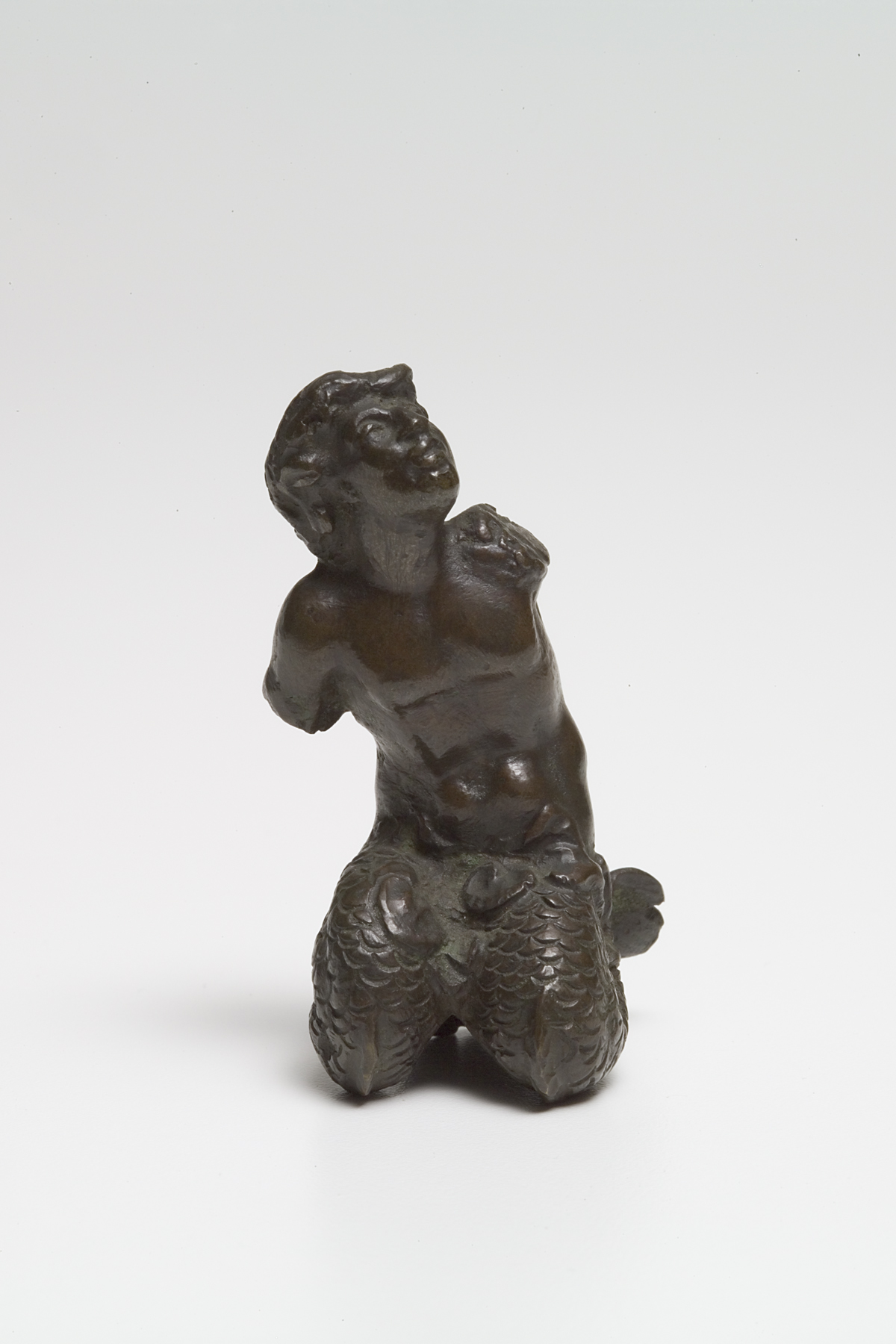
drunken faun, late 1700s
unrecorded Chokwe artist
ngunja (carved stool), late 1800s–1914
unrecorded Ife artist
portrait head, mid 1900s
unrecorded A:shiwi (Zuñi) artist
jar with three frogs, 1900–1940
unrecorded Mojave artist
human figure, 1850–1890
unrecorded Asante artist
weight, late 1800s–early 1900s
unrecorded Asante artist
weight, late 1800s–early 1900s
unrecorded Asante artist
weight, late 1800s–early 1900s
unrecorded Asante artist
weight, late 1800s–early 1900s
unrecorded Asante artist
weight, late 1800s–early 1900s
unrecorded Asante artist
weight, late 1800s–early 1900s
unrecorded Asante artist
weight, late 1800s–early 1900s
unrecorded Asante artist
weight, late 1800s–early 1900s
unrecorded Asante artist
balance for gold dust, late 1800s–early 1900s
unrecorded Asante artist
spoon for gold dust, late 1800s–early 1900s
unrecorded Mumuye artist
vabo mask, late 1800s
unrecorded Asante artist
unrecorded Native Alaskan artist
unrecorded Ifugao artist
Lucy M. Lewis (circa 1898–1992, active circa 1920–1990)
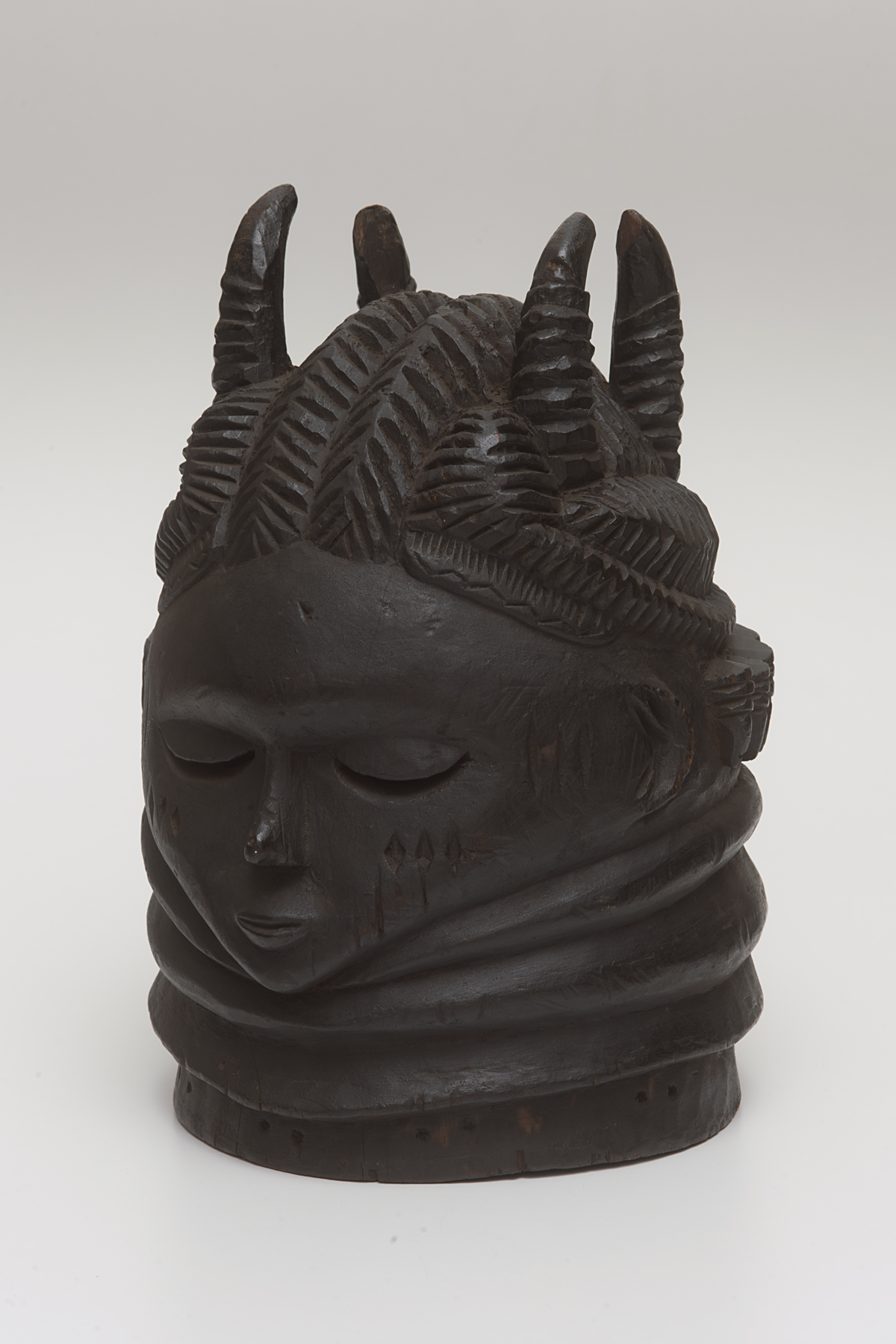
unrecorded Bassa artist
sowei mask, mid-late 1900s
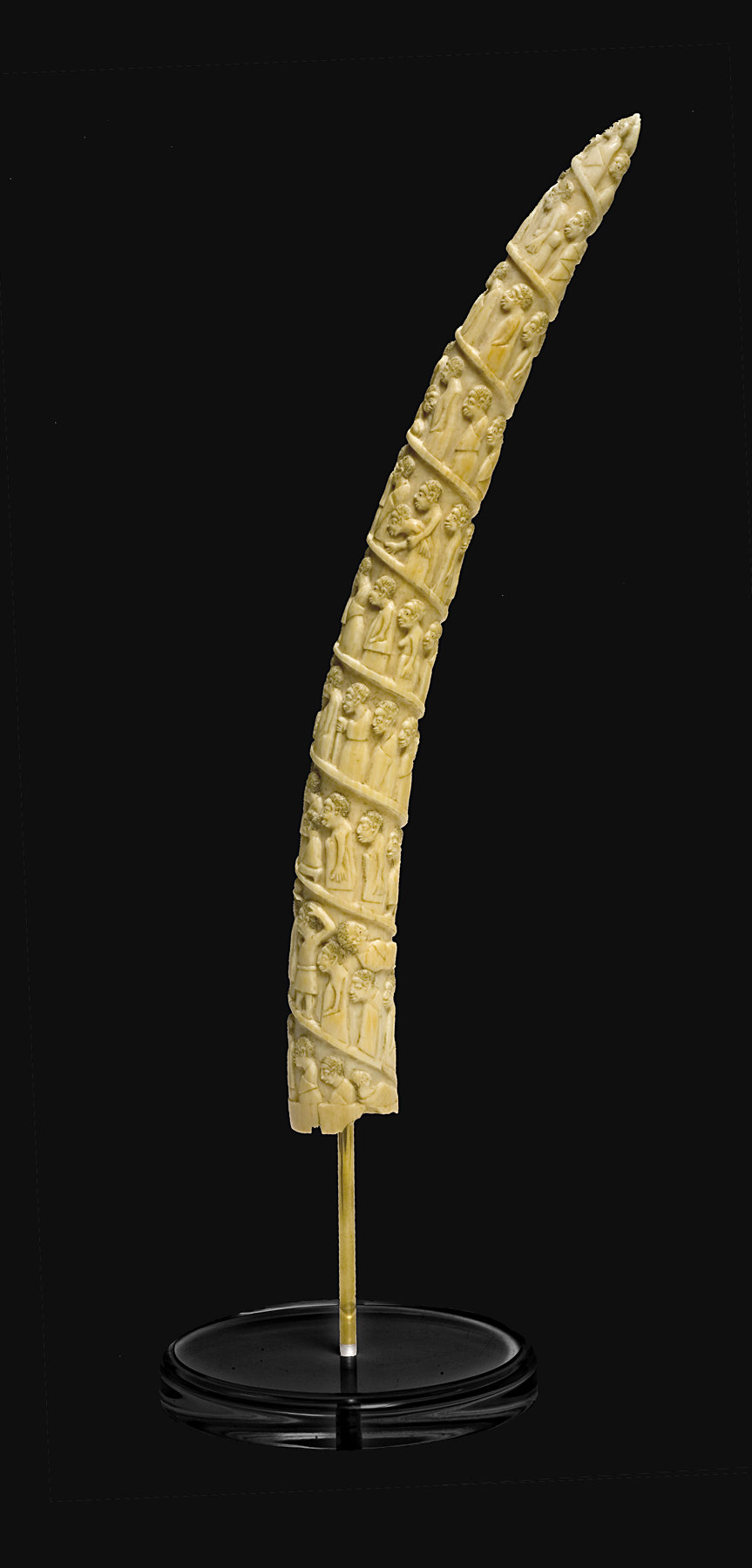
unrecorded Kongo artist
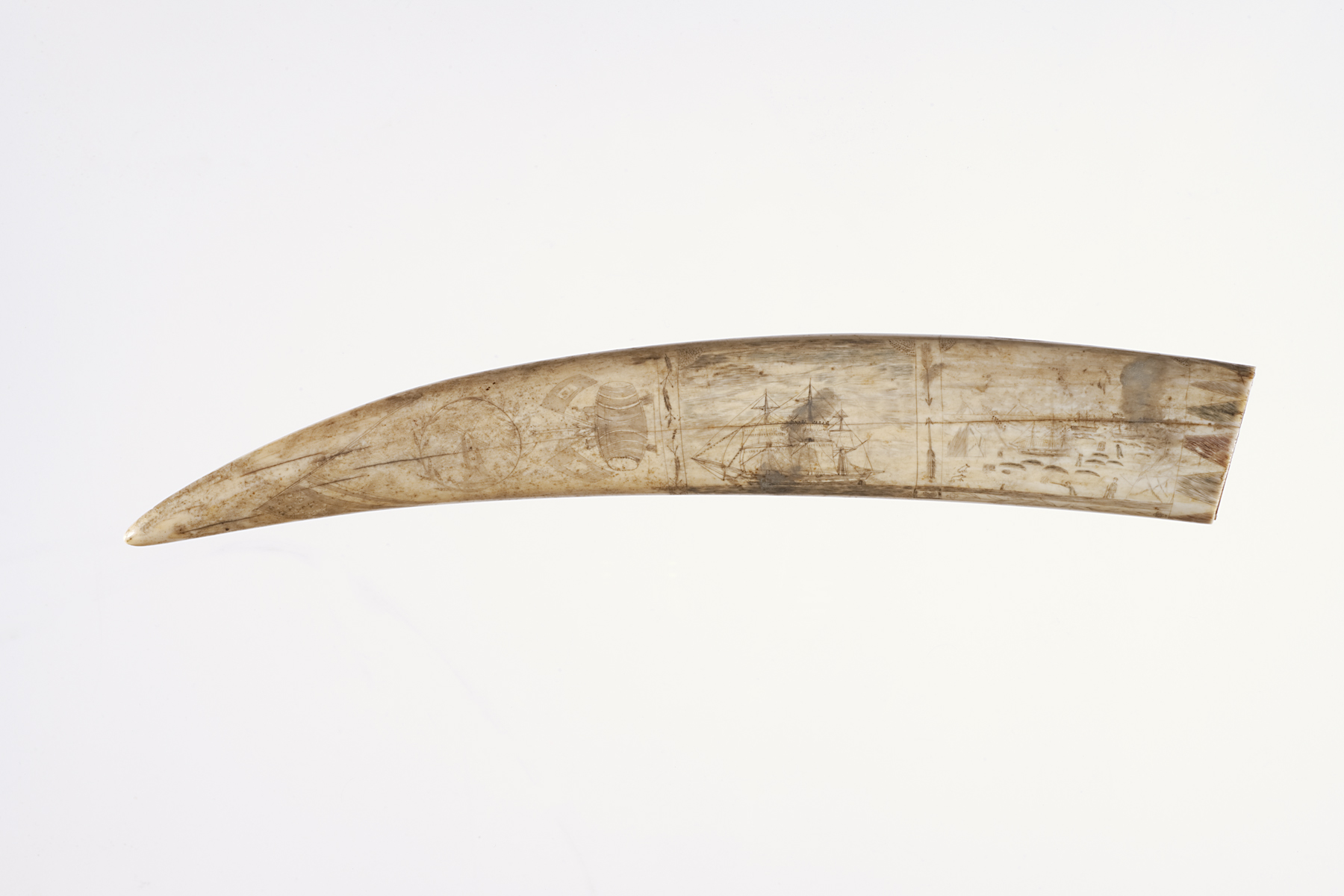
carved ivory tusk, circa 1900
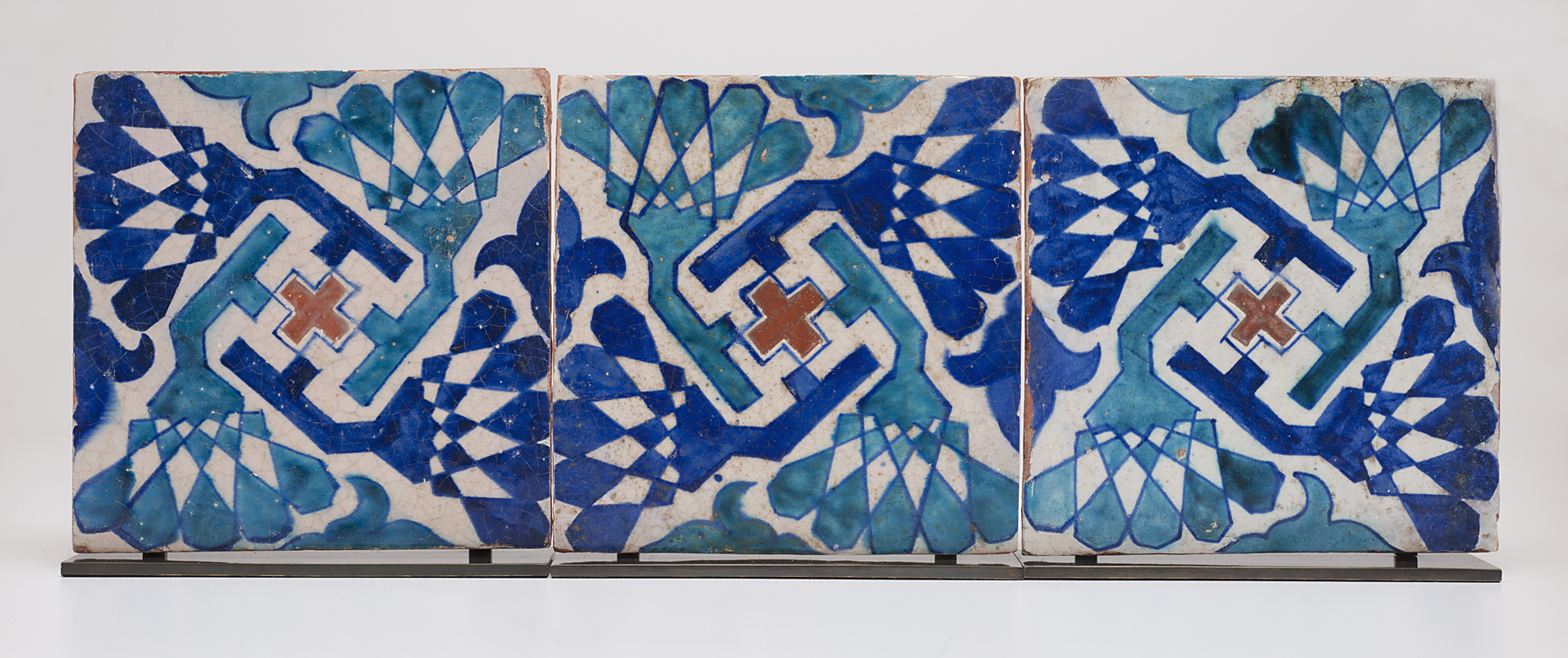
Peter Hutchinson (born 1930)
three tiles, late 1400s, Lodi dynasty (1451–1526)
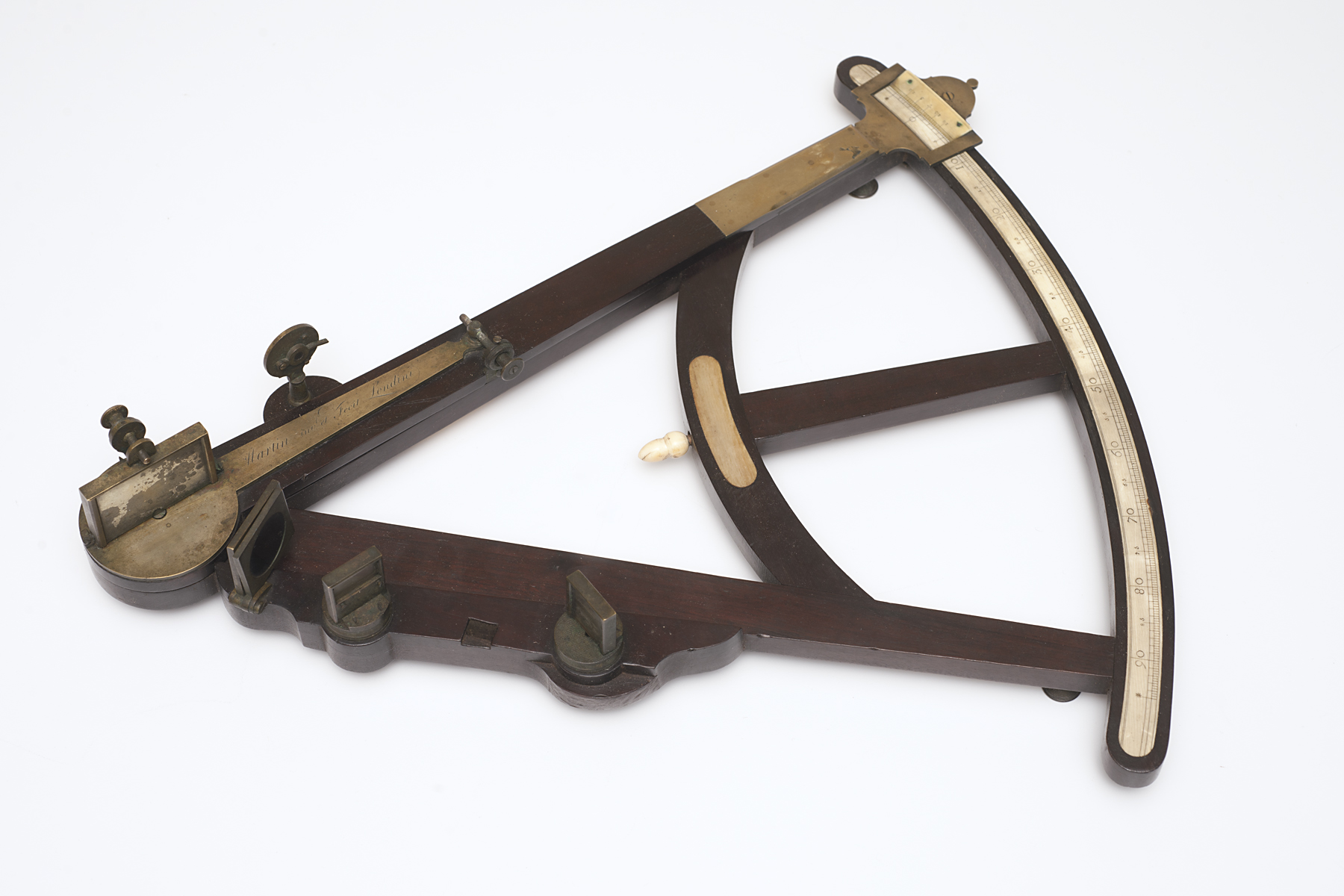
Benjamin Martin (1704–1782)
octant, mid 1700s
Dale Chihuly (born 1941)
Cinnamon Macchia, circa 1997
Yeesookyung (born 1963)
head of a monk, 1800s, Edo Period (1600–1868)
Thomas Moran (1837–1926)
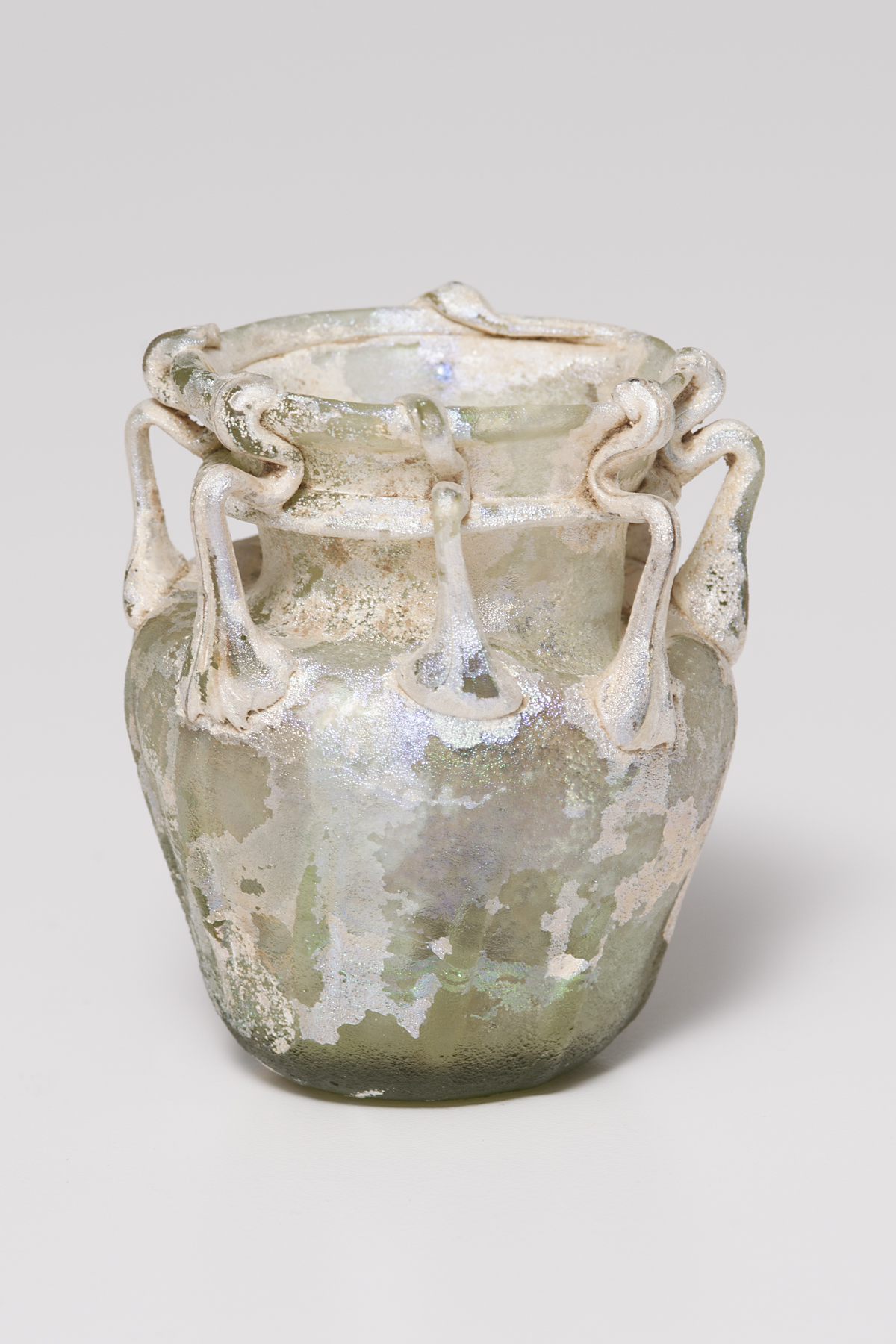
container, 200–300s, Roman Empire, 27 BCE–476 CE
jar, 300–400s, Roman Empire, 27 BCE–476 CE
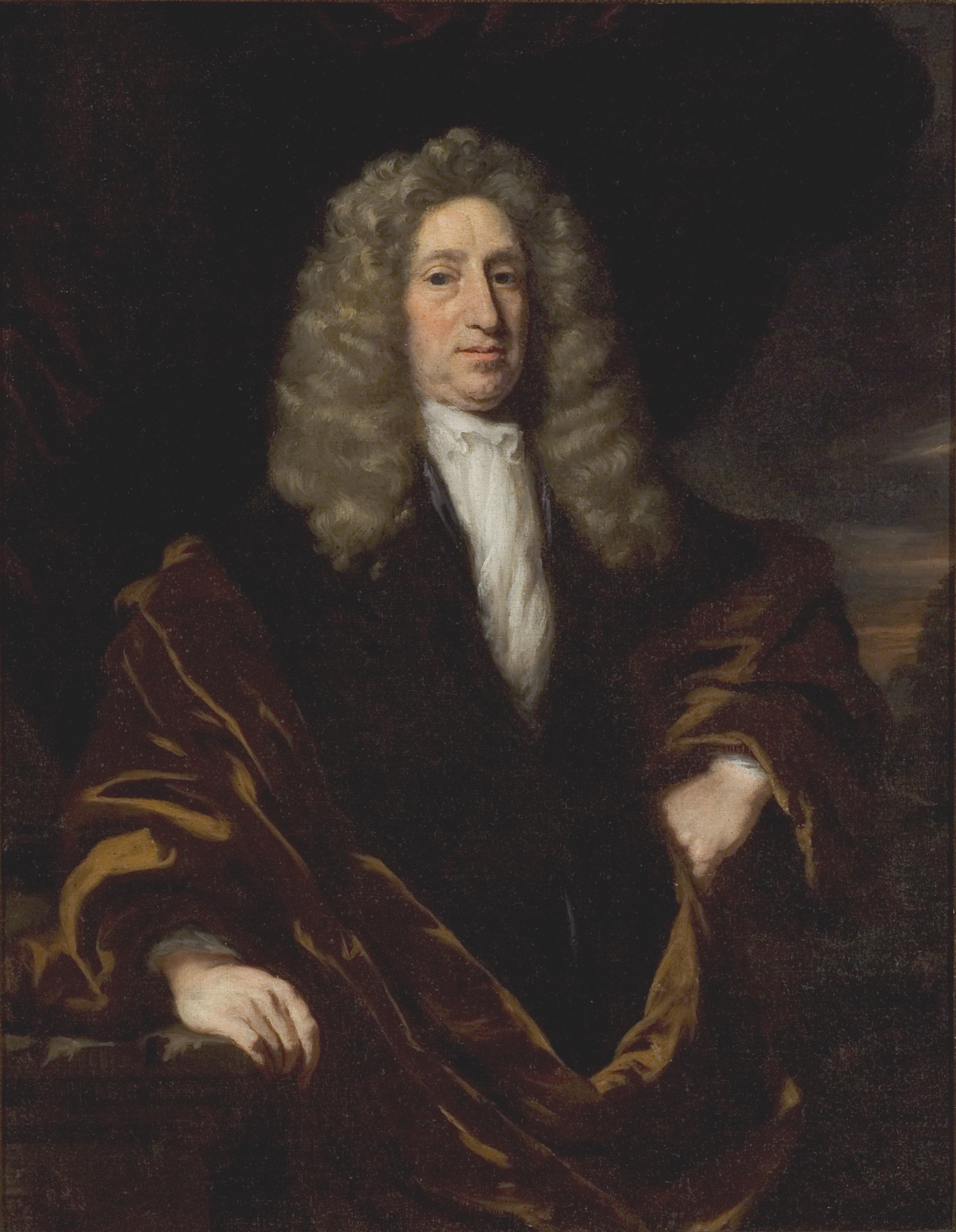
Nicolaes Maes (1634–1693)
Portrait of a Lady, circa 1670
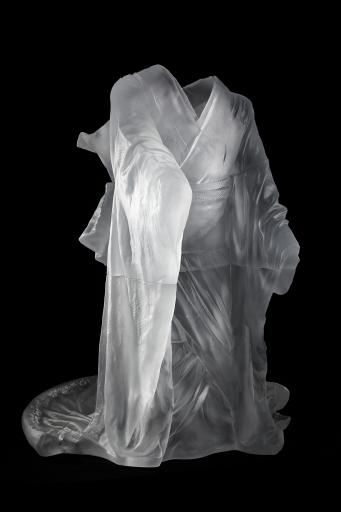
Karen LaMonte (born 1967)
Chado, 2010
coffee cup and stand, circa 1920s, Republic Period (1923–present)

Events

February 19, 2017
Talk
2:00–3:30PM
Spencer Museum of Art, Gallery 401, Lester "Dusty" Loo Gallery
March 11, 2017
Activity
1:00–4:00PM
Spencer Museum of Art, Gallery 406, John and Linda Stewart Gallery
April 9, 2017
Talk
2:00–3:30PM
Spencer Museum of Art, Gallery 401, Lester "Dusty" Loo Gallery
October 26, 2017
Talk
10:00–11:00AM
Spencer Museum of Art, Gallery 401, Lester "Dusty" Loo Gallery
February 11, 2018
Talk
2:00–3:00PM
Spencer Museum of Art, Lester "Dusty" Loo Gallery, 401
March 11, 2018
Talk
2:00–3:00PM
Spencer Museum of Art, Lester "Dusty" Loo Gallery, 401
November 18, 2018
Talk
2:00–3:00PM
Spencer Museum of Art, Lester "Dusty" Loo Gallery, 401
December 13, 2018
Talk
10:15–11:15AM
Spencer Museum of Art, Lester "Dusty" Loo Gallery, 401
May 18, 2019
Activity
1:00–3:30PM
Spencer Museum of Art, Lester "Dusty" Loo Gallery, 401
January 26, 2020
Talk
2:00–3:00PM
Spencer Museum of Art, Lester "Dusty" Loo Gallery, 401
February 23, 2020
Talk
2:00–3:00PM
Spencer Museum of Art, Lester "Dusty" Loo Gallery, 401